


Galaxy XR Memory Leak Update: Google's Fix Still Pending
Status as of this week: No patch is available. Google has confirmed the issue and says a fix is in development, but has not provided a release date.
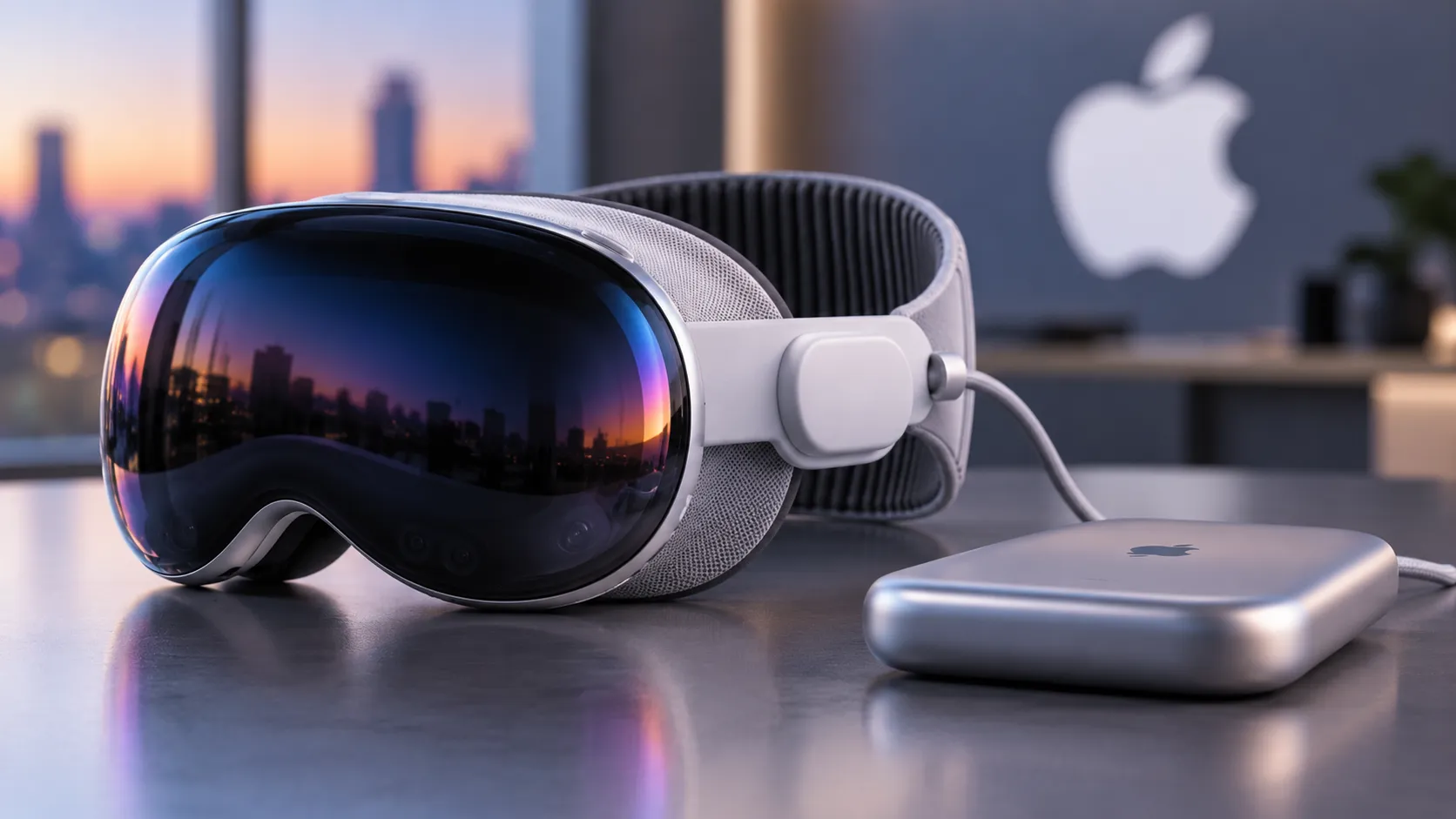
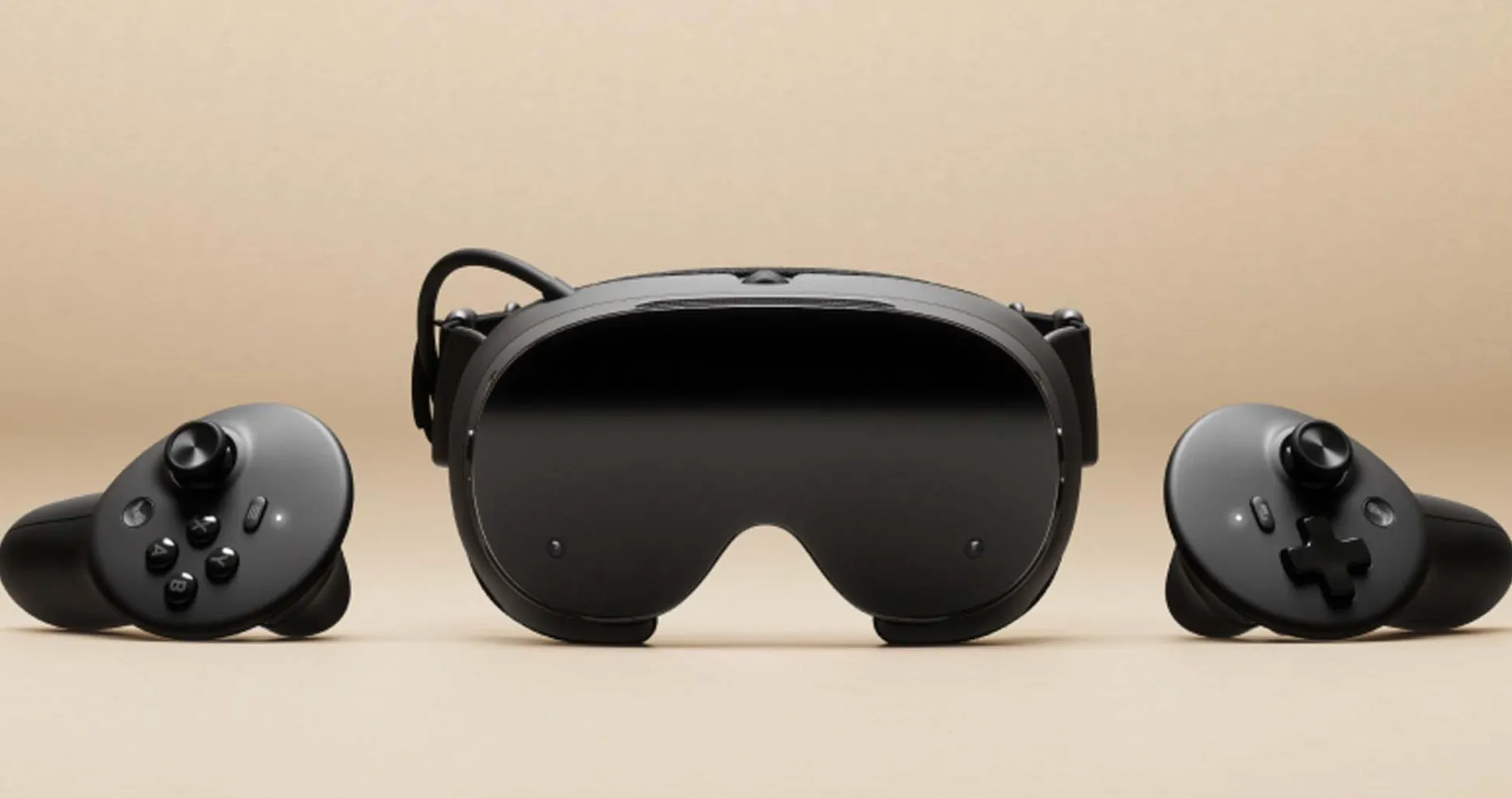
An Android XR update released in April left Samsung's $1,799 Galaxy XR progressively unusable mid-session. Two weeks later, the only documented workaround is a reboot that buys roughly half an hour before the problem repeats. SamMobile and Next Reality both reported the Galaxy XR memory leak update story two weeks ago, describing a headset that degrades from normal performance into what users call a slideshow within 20 to 30 minutes of use.
Google has publicly confirmed the bug and called a hotfix its "absolute top priority," but has committed to no timeline, 9to5Google reported two weeks ago. What follows covers what the failure actually looks like, what Google has and has not confirmed, and what affected owners can do while waiting for a patch.
Galaxy XR memory leak update: what the slowdown looks like
The headset does not fail at launch. Sessions start normally, which is part of what makes this bug disorienting there is no warning before things go wrong. According to VR.org and Next Reality, both reporting two weeks ago, the degradation window is consistently 20 to 30 minutes.
Once it sets in, it sets in hard. Frame rates collapse, inputs stop responding promptly, and menu animations slow toward a near-standstill. SamMobile described the endpoint as a device that becomes unable to manage system resources over time, eventually reaching a state where basic interaction is difficult or impossible. Anything demanding PC VR, immersive apps, anything that actually uses the hardware is effectively off the table once degradation takes hold.
The suspected cause is a memory leak: system software that continuously consumes memory without releasing it, gradually starving the device of the resources it needs to function. That explanation fits the symptom profile closely. 9to5Google and SamMobile both flagged it as the leading theory two weeks ago. Google has not technically confirmed it as root cause.
The problem does not appear to be tied to a single use case. Most reports come from PC VR sessions, but SamMobile noted at least one user reported the same degradation regardless of what the headset was doing, suggesting the issue lives in the system layer rather than in any specific app or mode. A full reboot restores normal performance. Temporarily. The next session follows the same arc.
What Google has confirmed and where the gaps are
The most authoritative public statement came directly from the Android XR subreddit. Google's community engagement manager posted there two weeks ago to confirm the engineering team is "fully aware of this issue" and that getting a patch out is the team's "absolute top priority," as 9to5Google reported. She added that a timeline update would follow once one exists.
That statement is meaningful. A named company representative, posting in an official capacity, acknowledging the problem and the urgency. What it does not do is fill in the specifics that matter most to affected owners.
Google has not identified which specific update build introduced the problem. It has not technically confirmed the memory leak theory as root cause. It has not said whether every Galaxy XR unit is affected or whether the issue is limited to certain hardware configurations or usage patterns, per Next Reality and VR.org. Google has also not outlined how the fix will be delivered or what installation steps owners should expect.
Samsung's silence on this is a separate story. The company sells the Galaxy XR for $1,799 and has not issued a statement, offered support guidance, or said anything publicly since the bug surfaced, Next Reality reported two weeks ago. The fix belongs to Google, which controls the Android XR platform, but the hardware maker's absence from the conversation is hard to miss.
This performance regression is also not the only bug from the April update cycle. Google's community engagement manager had previously posted in the same subreddit to confirm the team was looking into unreliable head tracking and VR resolution issues introduced by the same update, Next Reality reported two weeks ago. She had no progress to share at that point. Three distinct regressions from a single update, all publicly acknowledged, none with a repair date.
What Galaxy XR owners can do right now
No confirmed workaround exists beyond rebooting. There is nothing to disable, no setting to adjust, no earlier build to roll back to, Next Reality confirmed. The reboot resets the session clock, not the underlying problem.
Owners seeing input lag, stuttering menus, or frame rate drops after roughly 20 to 30 minutes are experiencing symptoms that match what has been widely reported across multiple outlets. VR.org confirmed two weeks ago that a fix is in development; Google has not outlined how or when it will be delivered.
Until a patch arrives, owners running longer sessions may need to build in restarts. For anything time-sensitive or professionally critical on the device, that 20-to-30-minute window is the practical working ceiling until further notice.
For tracking the fix, Google's community manager committed to posting a timeline update in the Android XR subreddit thread once one exists, per 9to5Google. That thread is the most direct official channel available. When a patch does arrive, no special installation steps have been indicated beyond the standard system update path.
Anyone currently weighing a purchase should treat this as an active, unresolved issue with no confirmed patch date on a first-generation device, SamMobile noted two weeks ago. At $1,799, that calculus is worth taking seriously.
Where things stand
Three regressions from April's Android XR update. All three confirmed by Google. None with a repair date. That is the state of the platform two weeks after the problems surfaced, per Next Reality.
The performance issue is the most disruptive of the three a bug that makes the headset functionally unusable for extended sessions. Google called it the top priority, which counts for something. How quickly that translates into an actual patch will say more about Android XR's operational maturity than any amount of public positioning. Watch the subreddit thread for Google's timeline update, and install through standard system settings when the hotfix appears.



Comments
Be the first, drop a comment!