


Google Gemini 3D Avatar: What Likeness Actually Does Today
Google began rolling out photorealistic avatars for Android XR last December, and the current version works on Zoom right now without an XR headset on the other end. The feature, called Likeness, creates a scan-based replica of a user's face and routes it through video call apps as a standard virtual webcam. Readers searching for a Google Gemini 3D avatar are mostly looking for this: Likeness is Google's photorealistic avatar system for Android XR, and the current beta is 2D-only. That gap between the marketing category and the shipping product matters.
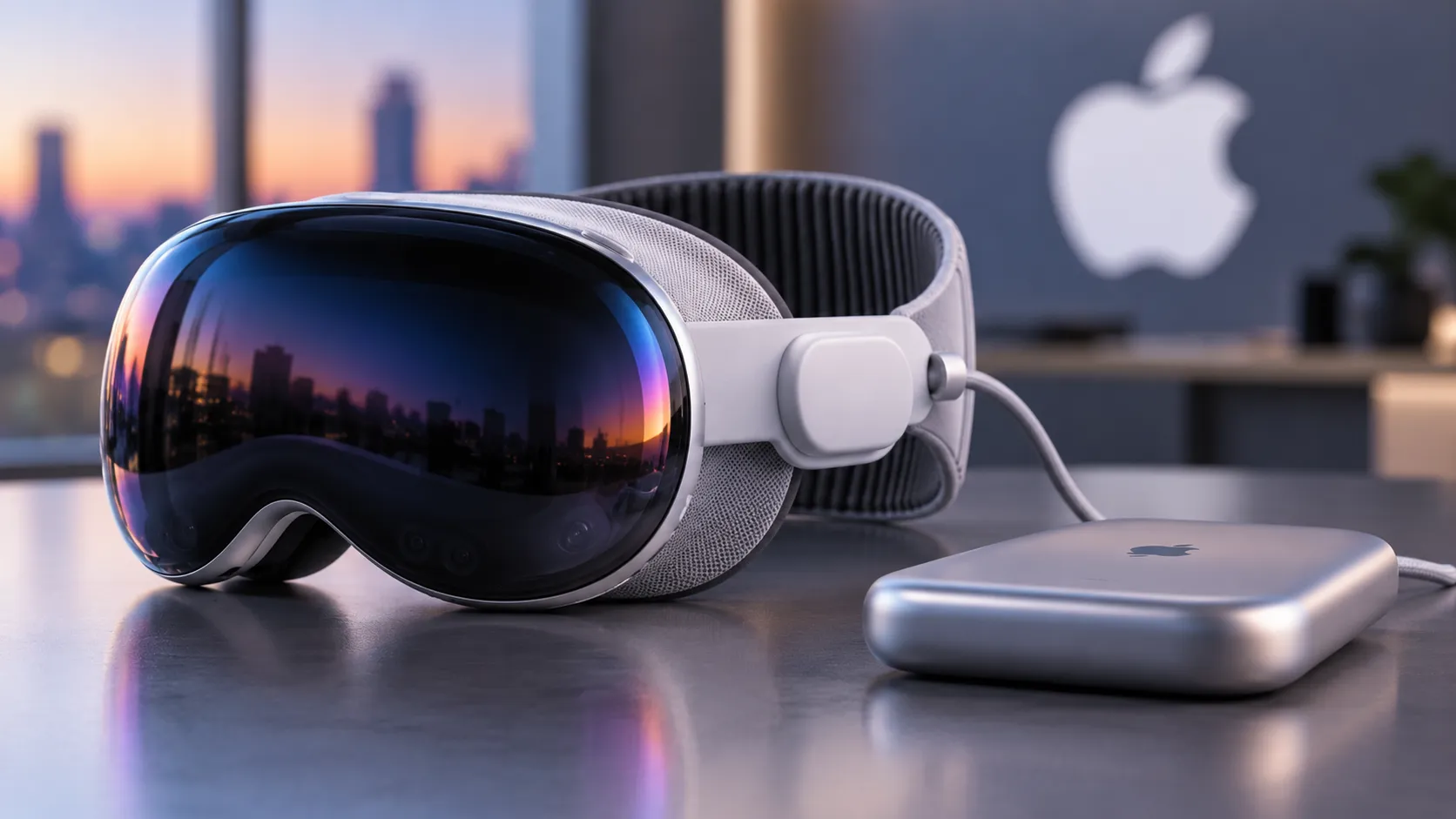
The virtual webcam approach makes Likeness immediately compatible with Google Meet, Zoom, and Messenger without any special integration on those platforms, Road to VR reported in December 2025. For context, Apple's Personas, the benchmark Google is competing against, moved out of beta last October and use a technique called Gaussian splatting alongside coordinated machine learning models to build and animate a 3D facial replica during live FaceTime calls, CNET reported at the time.
Google has confirmed spatial meeting capability is on the roadmap, but that is a future product. What exists today is a 2D photorealistic avatar that works in a Zoom window, and that turns out to be consequential enough on its own.
What Google's Likeness is and what it isn't yet
Likeness is a real product with a defined enrollment process. It is also, clearly, a first step.
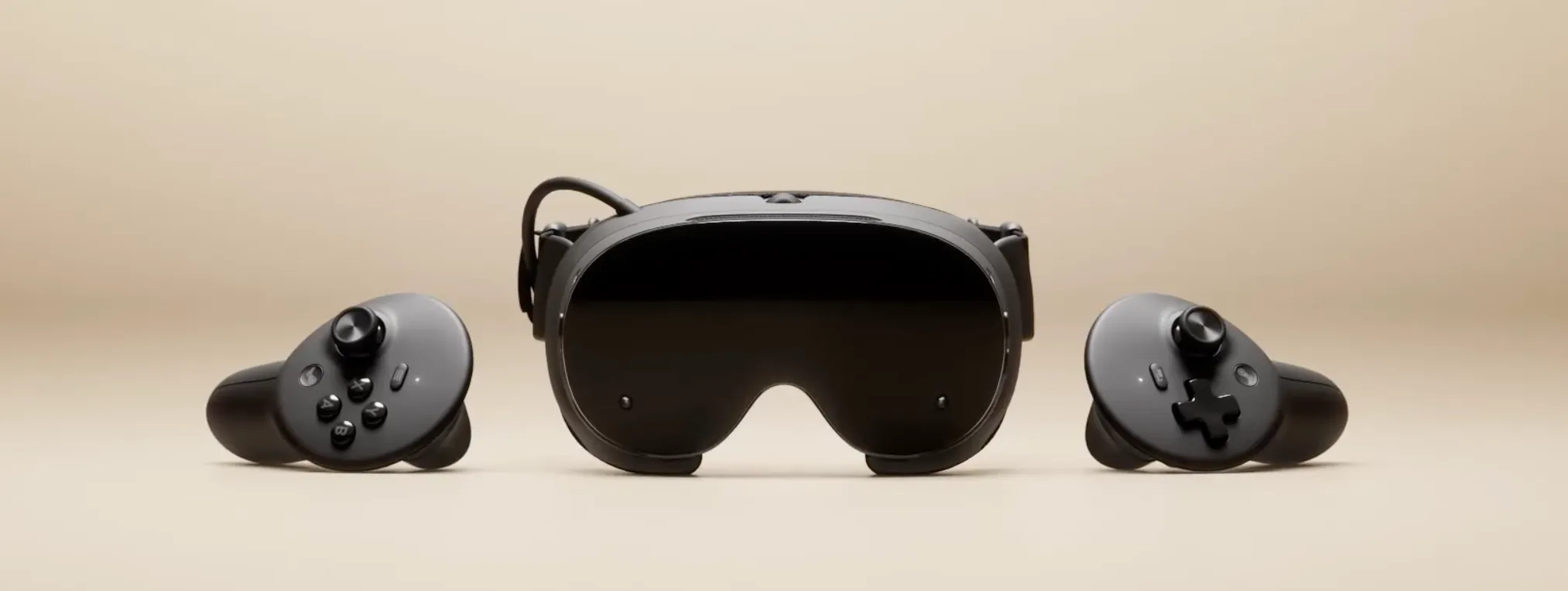
The enrollment flow is Google's most distinctive design choice. Rather than requiring users to hold a headset out in front of their face for the initial scan, Google released a standalone Likeness beta Android app that handles face capture with a phone, Road to VR noted. Holding a phone for a scan is awkward; holding a $3,499 headset at arm's length is more so. The phone-based approach is a meaningful usability improvement, even if it introduces its own device-compatibility limits.
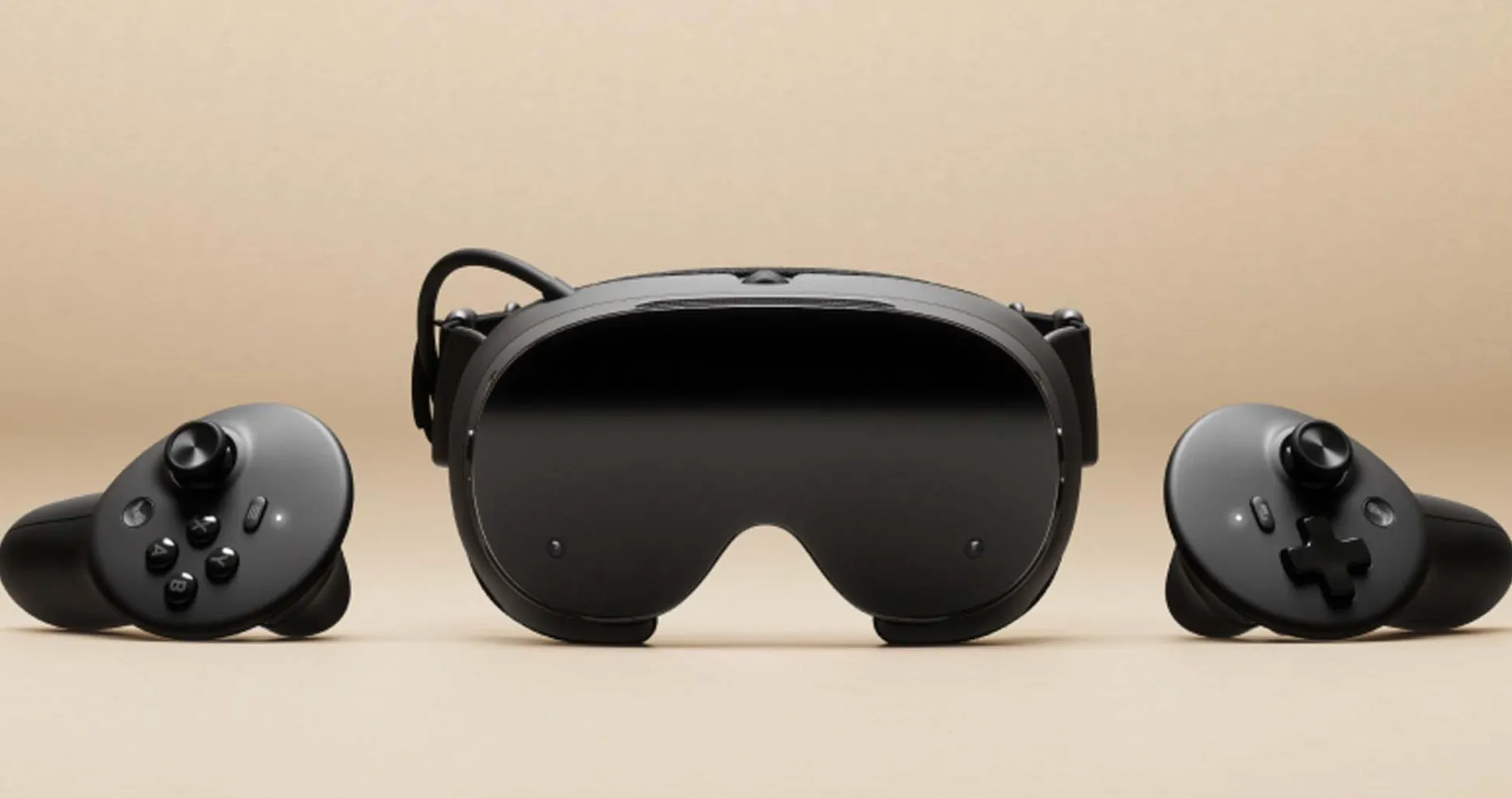
Once enrolled, the headset's onboard sensors animate the avatar in real time during calls. The scan provides the static model; the headset drives live facial motion. That core architecture mirrors Apple's approach exactly.
The current beta produces a flat 2D representation with no mechanism for transmitting the avatar in a spatial format, and no support for the kind of immersive face-to-face meeting Vision Pro enables through spatial FaceTime, Road to VR confirmed. For anyone clicking on "Google Gemini 3D avatar" expecting a full spatial digital clone experience: that product is not here yet.
Prioritizing virtual webcam output first was the practical call. It means a Likeness avatar and an Apple Persona can share the same Zoom call without either platform needing the other to exist. Spatial interoperability between the two ecosystems is not coming anytime soon, Road to VR observed, but that doesn't constrain ordinary video calls, which is where this plays out now.
Who can actually use the Google Likeness avatar: the hardware ceiling
The enrollment process is simpler than Apple's in theory. Device restrictions complicate that picture considerably.
The Likeness beta app requires a Pixel 8 or newer, Samsung Galaxy S23 or newer, or Samsung Z Fold5 or newer, according to Google via Road to VR. Anyone on an older Android device or an iPhone cannot create an avatar at all. Apple's scanning-via-headset approach sidesteps this entirely: any Vision Pro owner can create a Persona regardless of which phone they carry, because the headset handles the whole enrollment process.
The fragmentation extends further inside the Android XR ecosystem itself:
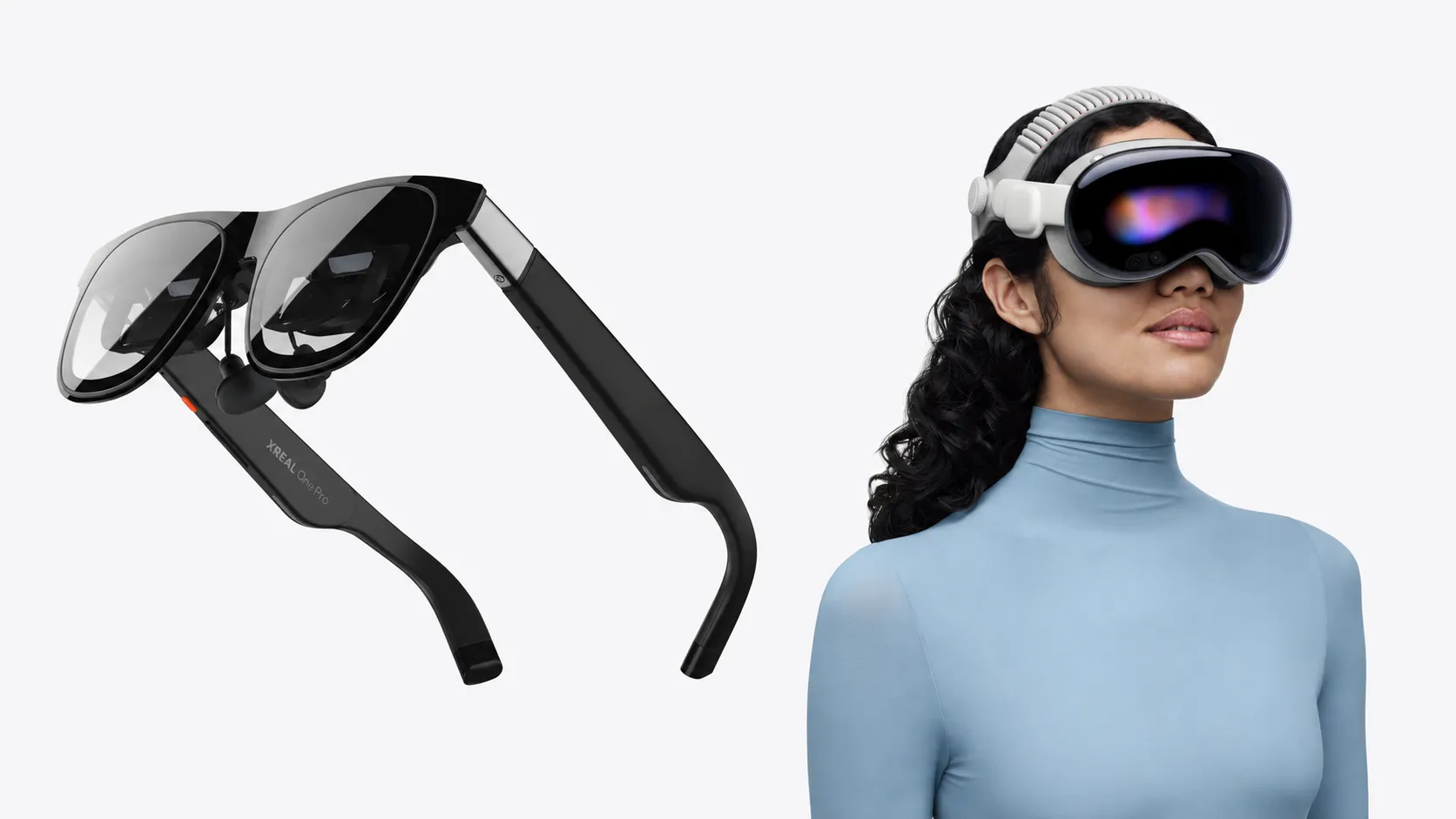
- Forthcoming Android XR smartglasses lack the processing power and sensors needed to render or animate a photorealistic face scan
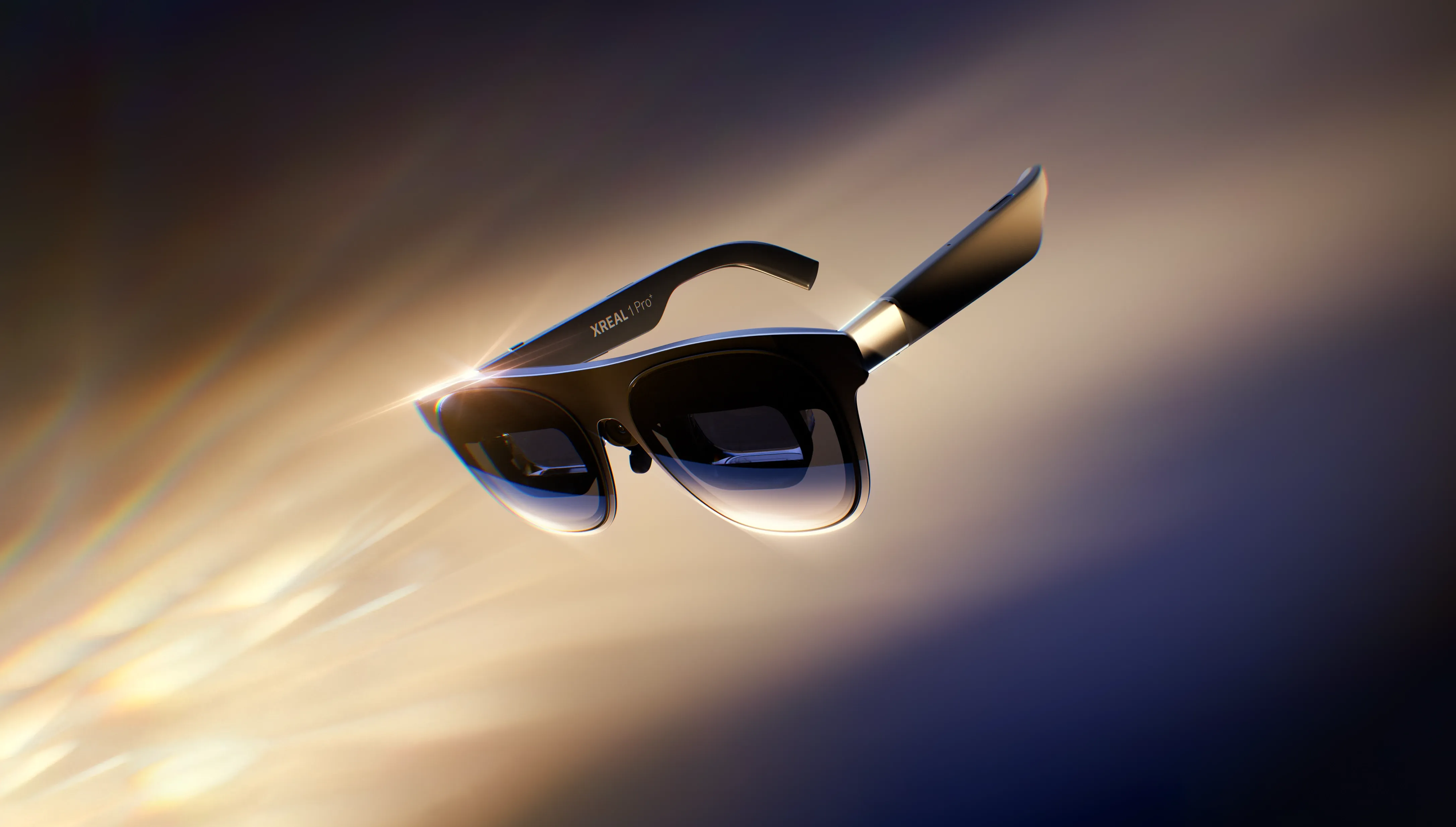
- Devices like the XREAL Aura, which runs the full Android XR stack, have the processing muscle but lack the eye- and mouth-tracking cameras required for real-time facial animation
- Simulated eye movement and audio-based lip-sync are technically possible workarounds, but those techniques are likely to fall deep into uncanny valley territory when applied to photorealistic scans rather than stylized avatars, Road to VR noted
Road to VR's reporting indicates doubt that Google will pursue the lip-sync workaround path. A photorealistic scan animated by audio-inferred mouth movements would look worse than a stylized avatar, which defeats the purpose of building Likeness in the first place.
The simpler scan does not mean simpler access overall. For now, Likeness is a feature for a specific slice of the Android ecosystem, and the device story is worth keeping front of mind when evaluating how quickly this reaches mainstream adoption.
How Google's Likeness compares to Apple's Personas
| | Google Likeness | Apple Personas | |---|---|---| | Scan method | Phone app (Pixel 8+, Galaxy S23+) | Headset scan (any phone) | | Output today | 2D avatar | 3D spatial avatar | | App compatibility | Virtual webcam for any video app | Virtual webcam; spatial FaceTime | | Device restrictions | Limited phones; not all XR hardware | Vision Pro only |
Apple's head start is measurable. This isn't Apple versus Google on equal terms; it's a mature 3D implementation versus an earlier-stage 2D one.
The visionOS 26 overhaul, detailed by 9to5Mac last June, substantially upgraded Persona quality: higher polygon counts, improved hair, eyelash, and skin texture rendering, and a full side-profile view generated for the first time. All of that happens on-device, in seconds.
The technical depth behind it is easy to underestimate. "There's machine learning involved, but not many people really realize that it's a concert of networks that come together," Apple's Norris told CNET in October 2025. Enrollment requires only a handful of images plus a few facial expressions, which the system uses to learn how an individual's face moves during speech and emotion. The live animation then runs entirely from headset sensors.
On compatibility, both platforms have landed on the same near-term answer. Virtual webcam output that slots into any video call app means cross-ecosystem communication is possible today, even without spatial interoperability between Likeness and Personas anywhere on the near horizon, Road to VR reported.
For users choosing an XR platform for work calls right now: Apple delivers more realistic 3D output with no phone-model dependency. Google offers a simpler enrollment flow but a 2D avatar and a narrower device footprint. The quality gap is real. For ordinary video calls, the compatibility gap is not.
When your face becomes data: the consent and liability gap
Photorealistic likenesses built from face scans are shipping products now. The legal frameworks governing what happens to that biometric data have not caught up.
Some platforms marketing AI avatar tools are already using language like "instantly clone yourself and generate hyper-realistic content," with minimal visible disclosure about what the scanning process captures or retains, Sozee noted earlier this month. The promotional framing implies few friction points between scan and deployment.
Analysts treating legal exposure as a design constraint from the start, rather than a compliance step at the end, will be better positioned as platform realism increases and regulatory attention follows, AI Daily Shot reported two weeks ago.
Apple's Personas are built from a face-and-shoulder volumetric scan generated on-device, according to 9to5Mac. What remains less clear, based on available reporting, is how either platform handles scan retention, what deletion rights users hold over the underlying biometric model, and whether that data can be used for anything beyond avatar generation. Neither Google nor Apple has detailed those policies in the sources available here.
Two questions have moved from theoretical to practical as these systems reach beta: at what level of realism does a photorealistic digital clone avatar become a plausible impersonation risk, and what happens to the face scan after a user stops using the product? Both platforms are approaching the point where those questions carry legal weight.
The ordinary video call is the real frontier
The competition between Google's Likeness and Apple's Personas is not really an XR story. It is a story about who establishes the default layer for video presence, and virtual webcam compatibility means that contest is playing out on Zoom and Meet, not inside immersive conference rooms.
Apple leads on current 3D quality and enrollment that works regardless of phone model. Google leads on onboarding simplicity but trails on avatar dimensionality and has a more fragmented device picture. The metric that will determine mainstream adoption is ease of getting a first usable avatar, and that remains genuinely contested, per Road to VR and 9to5Mac.
As realism increases, the consent and regulatory questions move from background concerns to active product risk. Platforms that build scan handling and consent flows into the core experience now will be better positioned than those that address them later under pressure, AI Daily Shot forecast.
The fully spatial, cross-platform AI double implied by the category's marketing language is not the product available today. The infrastructure is being built, competitive pressure between two major platforms is accelerating the timeline, and the ordinary video call is where it arrives first. Right now, on a Pixel 8 and a supported Android XR headset, a 2D photorealistic avatar is what you get. That is less than the category suggests, and more than most people realize is already here.


Comments
Be the first, drop a comment!