


Walking into MWC 2026, I wasn't expecting to have my assumptions about smart glasses completely flipped. The conventional wisdom says that for AR glasses to be truly useful, they need cameras—after all, how else can they understand your world? But after spending time with XGIMI's MemoMind One at the Barcelona show floor, I'm starting to think we've been approaching this whole category backwards.
XGIMI's newly incubated AI hardware brand, MemoMind, made its international debut showcasing three distinct models that prioritize optical engineering and comfort over camera-first functionality, according to Ubergizmo. The flagship MemoMind One combines integrated speakers with a dual-eye air display for seamless visual and audio AI interaction, as reported by XGIMI. Since its CES debut, the device has received significant software improvements including enhanced head-motion controls, real-time transcription capabilities, and upgraded AI voice summaries, according to the company.
What makes camera-free design actually compelling?
Here's what struck me immediately: these glasses feel like glasses. Not tech experiments strapped to your face, but actual eyewear you'd want to wear daily. The MemoMind lineup applies more than a decade of XGIMI's optical engineering expertise to create devices that look and feel like everyday eyewear rather than experimental tech, as the company explains.
This comfort-first philosophy directly reinforces their privacy advantage. When I put them on, people around the booth didn't give me the "what is that thing on your face" look that usually comes with wearable tech. Without bulky camera modules dictating the frame design, XGIMI could focus purely on optical engineering and natural integration—creating glasses that feel familiar rather than foreign.
The privacy implications run deeper than aesthetics, though. Camera-free designs significantly reduce many privacy concerns in offices, schools, and sensitive environments, according to Even Realities' smart glasses guide. In our current climate where AI-powered smart glasses are evolving from novelty to serious enterprise pilot programs, as noted by BLG Legal, this approach suddenly makes a lot of business sense.
Think about it—how many times have you been in a meeting where someone's phone or laptop camera sparked a "wait, is that recording?" moment? Smart glasses with cameras amplify that concern exponentially, requiring complex policies around recording consent, data retention, and workplace surveillance. By removing the camera entirely, MemoMind transforms what could be a compliance nightmare into a productivity tool that HR departments can actually approve.
The MemoMind One runs on a multi-LLM hybrid operating system that automatically selects the most suitable AI model for each task, including OpenAI, Azure, and Qwen, according to company specifications. Features like translation, summarization, note-taking, and contextual guidance operate quietly in the background, keeping interactions brief and unobtrusive, as XGIMI describes.
How the dual-eye display changes everything
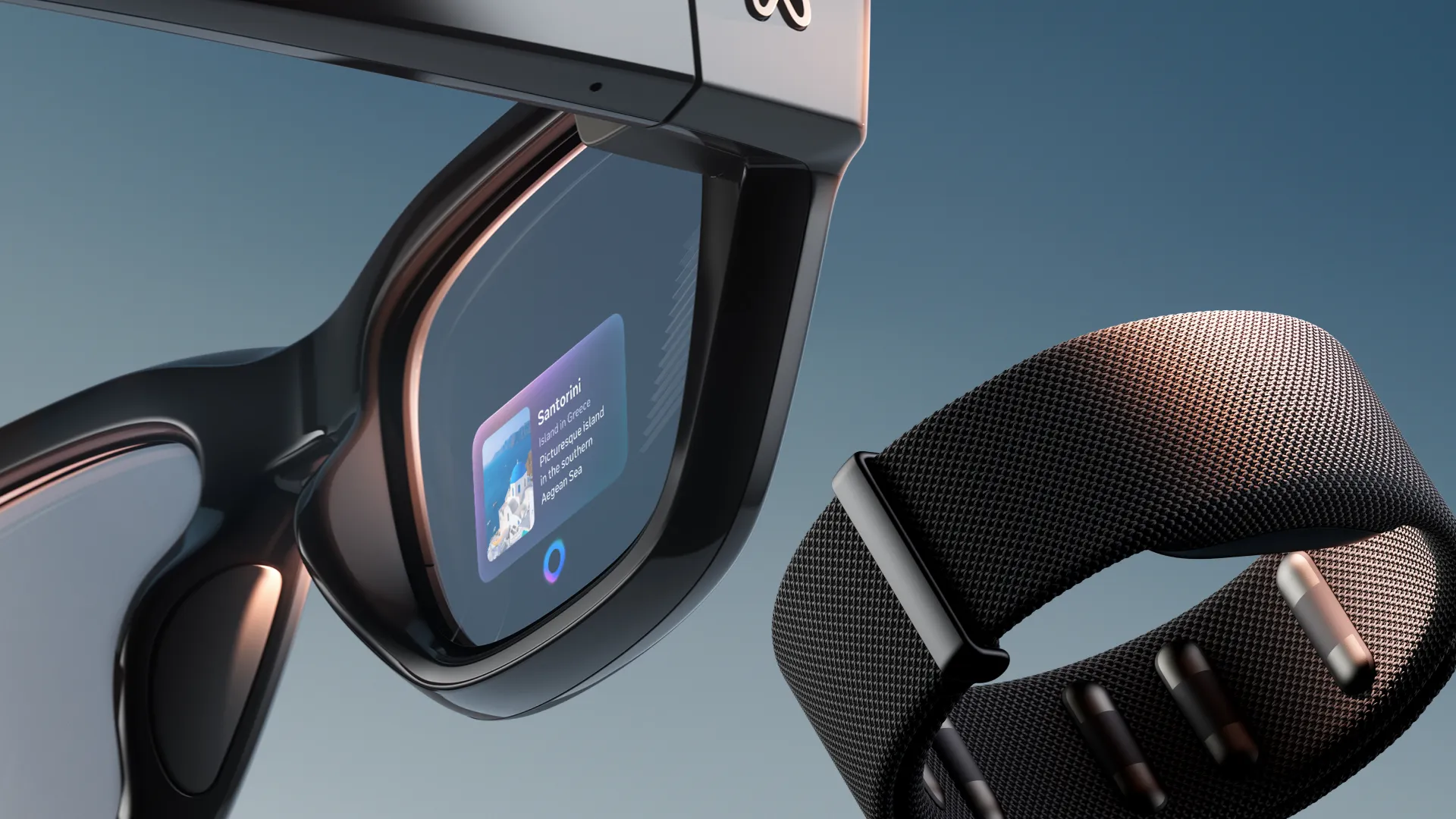
The technical execution here deserves attention. Unlike competitors using single-eye square displays, the MemoMind One features dual-eye screens that make text appear sharper and brighter, ultimately easier to read, according to BGR's hands-on testing. The displays only activate during use—after completing a task, they simply become regular glasses again, as BGR notes.
This on-demand approach drives the impressive battery performance. The company claims up to 16 hours of usage, according to BGR, while the ultralight Memo Air Display model offers full-day battery with a charging case extending use up to a full week, as XGIMI states. The power efficiency makes the dual-eye design possible—instead of choosing between battery life and visual comfort, you get both.
The dual-eye setup isn't just about aesthetics. Having tested plenty of single-eye display glasses that leave you with an odd visual imbalance, the symmetrical approach feels more natural. Your brain doesn't have to work as hard to process information when both eyes are getting coordinated input, reducing the cognitive overhead that makes other smart glasses feel intrusive.
During my testing, the live translation feature impressed most. Translating Mandarin to English in almost real-time, the main challenge becomes balancing useful information delivery without breaking eye contact, according to BGR's testing experience. The glasses also handled navigation, meeting summaries, calendar checks, and teleprompter functions smoothly through simple voice commands and head gestures.
What struck me about the interface is how unobtrusive it feels. The green monochrome display gives you just enough information without being distracting. It's like having a really well-designed notification system that only shows up when you actually need it.
Why personalization matters more than features
What sets MemoMind apart isn't just the tech—it's the approach to wearability. The glasses offer eight frame styles and five interchangeable temple designs, along with full prescription-lens support, according to XGIMI. This modular approach allows users to tailor their glasses to personal style and daily routines, making them as personal as regular eyewear, as the company emphasizes.
This personalization strategy addresses a critical barrier to smart glasses adoption that most companies ignore. Glasses are deeply personal—they're on your face all day, they affect how people see you, and they need to work with your existing vision needs. Most smart glasses treat customization as an afterthought, forcing users to compromise their appearance for functionality. MemoMind flips that equation, making style and comfort the foundation rather than the footnote.
The lineup includes three models targeting different use cases. The flagship MemoMind One provides the full feature set, while the minimalist Air Display weighs just 28.9 grams—positioning it among the lightest AI glasses available today, according to Ubergizmo. The third model, MemoMind Air, focuses on audio-based AI assistance through a built-in microphone while resembling traditional glasses as closely as possible, as reported by Ubergizmo.
The weight distribution feels well-balanced despite the MemoMind One's 45-gram weight—heavier than some competitors but still comfortable for extended wear, according to Tom's Guide testing. The integrated Harman Kardon-tuned speakers performed well even in the noisy MWC environment, though they do impact battery life compared to display-only models, as Tom's Guide notes.
The speakers use directional audio—you can hear your content clearly without it bleeding out to everyone around you. This isn't just about convenience; it's about social acceptance. When your AI assistant doesn't announce your calendar reminders to the entire coffee shop, you're more likely to actually use the device in public settings where it provides the most value.
What this means for AR adoption
The camera-free approach addresses real compliance challenges that HR and legal teams face with traditional smart glasses. Organizations must navigate complex privacy requirements under federal and provincial laws when employees use recording-capable devices, according to BLG Legal analysis. Smart glasses amplify both the productivity upside and privacy risks, requiring balanced policies that protect confidentiality and safety, as BLG notes.
From what I can tell after talking to enterprise folks at MWC, this is a bigger deal than most tech reviewers realize. Companies want the productivity benefits of hands-free computing, but they're terrified of the legal implications. Camera-equipped smart glasses create a perfect storm of compliance challenges: recording consent requirements, biometric data handling, workplace surveillance regulations, and the constant risk of capturing sensitive information accidentally.
MemoMind's camera-free design transforms enterprise adoption from a legal minefield into a straightforward productivity decision. By eliminating cameras entirely, MemoMind sidesteps these concerns while still delivering hands-free navigation, translation, and professional task management capabilities, according to Ubergizmo. The approach suggests that useful AR doesn't require comprehensive environmental sensing—sometimes focused functionality with thoughtful design delivers better real-world value.
The enterprise implications extend beyond compliance. Organizations can deploy camera-free smart glasses in sensitive environments like healthcare facilities, financial services, or government offices where traditional smart glasses would be prohibited entirely. This opens up market segments that camera-equipped devices simply can't access.
Pre-orders begin in April 2026 with the MemoMind One priced at approximately $599, according to XGIMI. The Air Display and Air models will follow later in the year, as the company confirms. The pricing positions it competitively against other premium smart glasses while potentially capturing enterprise buyers who've been waiting for compliant solutions.
Where privacy-first wearables are heading
Testing the MemoMind One reinforced something important: the best technology often isn't about cramming in every possible feature, but thoughtfully solving specific problems. By focusing on display clarity, AI assistance, and wearable comfort while deliberately avoiding cameras, XGIMI has created something genuinely different in the smart glasses space.
The multi-LLM approach demonstrates how contextual intelligence can work without visual input, according to company specifications. Instead of trying to understand your environment through computer vision, the system leverages voice commands, connected services, and user intent to provide relevant assistance. This focused approach may actually prove more reliable than systems that attempt to interpret complex visual scenes but often misunderstand context.
As organizations increasingly pilot smart glasses for productivity gains while navigating privacy compliance, according to BLG Legal, camera-free designs like MemoMind's could represent the practical path forward for widespread adoption. The technology industry has a tendency to assume that more sensors equal better products, but MemoMind's approach suggests that strategic limitation might be the key to broader acceptance.
The real test will be whether users find voice and gesture-based AI assistance compelling enough without visual context awareness. Based on my MWC experience, the answer might surprise the camera-first crowd—sometimes less really is more.
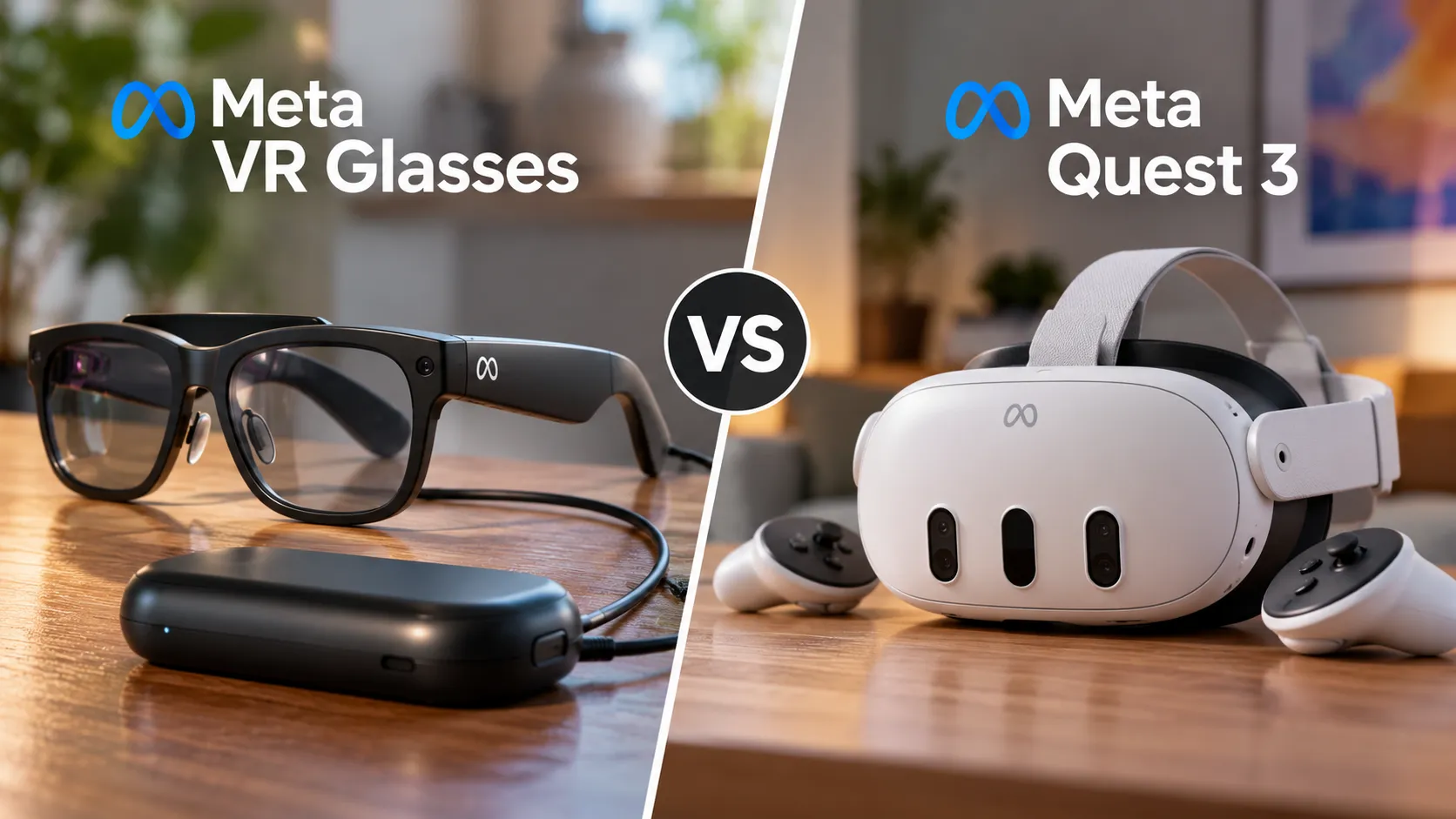
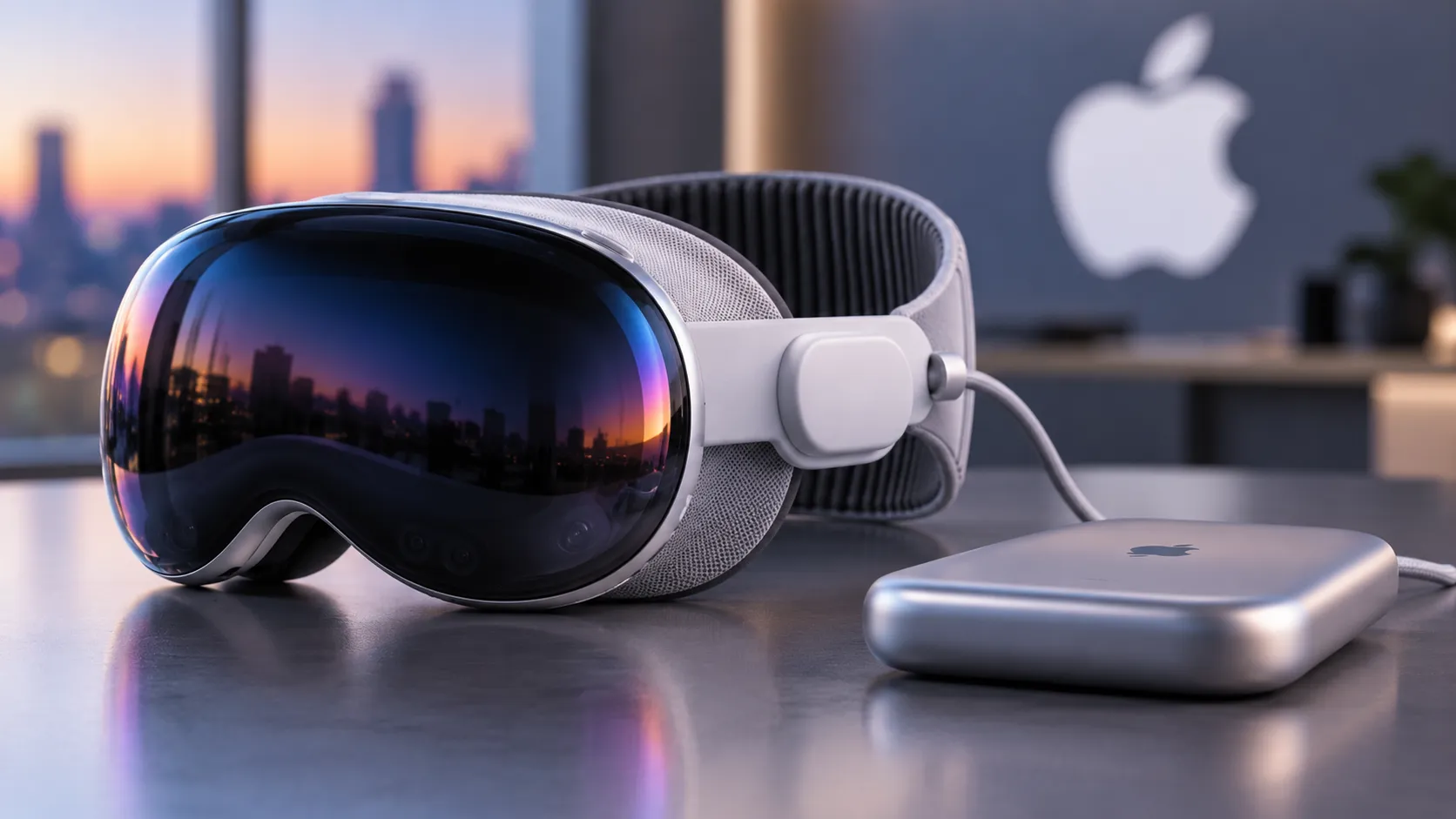
What's particularly interesting is how this positions against the broader AR industry trend. While companies like Meta and Apple push toward comprehensive mixed reality with advanced computer vision, MemoMind is betting that most people just want better access to information and communication tools without surrendering their privacy or comfort. It's a fundamentally different vision for what smart glasses should be—not a replacement for smartphones or a gateway to virtual worlds, but a refined interface for the digital services we already use.
The success of this approach will depend on execution and user acceptance, but there's something refreshing about a company that's willing to make deliberate trade-offs rather than trying to be everything to everyone. In a world where privacy concerns are only growing, that focus might be exactly what the smart glasses market needs to finally move beyond early adopters and tech enthusiasts.



Comments
Be the first, drop a comment!