


Meta's dramatic retreat from virtual reality represents one of the most significant strategic pivots in tech history. The company that once bet its entire future on immersive virtual worlds is now systematically dismantling that vision, leaving developers, users, and industry observers questioning what went so catastrophically wrong.
The numbers tell a stark story of ambition colliding with reality. Meta is implementing substantial workforce reductions, eliminating over 1,000 positions from its Reality Labs division. These cuts represent roughly 10% of the hardware unit responsible for Quest headsets and virtual experiences. The financial toll has been staggering, with Reality Labs accumulating more than $70 billion in losses since late 2020. To put this in perspective, this exceeds the GDP of most countries and represents one of the largest corporate bet failures in tech history.
The brutal mathematics of VR failure
Let's break down exactly how expensive Meta's VR gamble has become. The division posted a $4.4 billion loss on just $470 million in revenue in its most recent quarterly report—a devastating 9:1 ratio that would sink most companies. This ratio reveals a fundamental market mismatch—for every dollar consumers were willing to spend on VR, Meta had to invest nine dollars in infrastructure, content, and hardware subsidies, indicating the technology was premature for mass adoption.
In 2024 alone, Reality Labs reportedly lost about $17.7 billion, highlighting just how unsustainable this venture had become. This hemorrhaging of cash signals more than accounting losses—it demonstrates that VR lacked the fundamental value proposition needed to justify continued investment at this scale.
The human cost directly reflects these financial pressures. Layoffs affecting nearly 10% of the unit started on January 13, 2026, marking what many consider the first major Bay Area tech cuts of the year. Meta's chief technology officer Andrew Bosworth called an urgent in-person meeting, describing it as the "most important" meeting of the year—corporate speak for delivering news that would reshape the division's future.
The strategic shift reflects broader industry realities where VR hardware adoption has lagged while mobile and AI-driven products continue growing exponentially. The disconnect between Meta's vision and market readiness has become impossible to ignore.
Where the money's actually flowing: AI and wearables
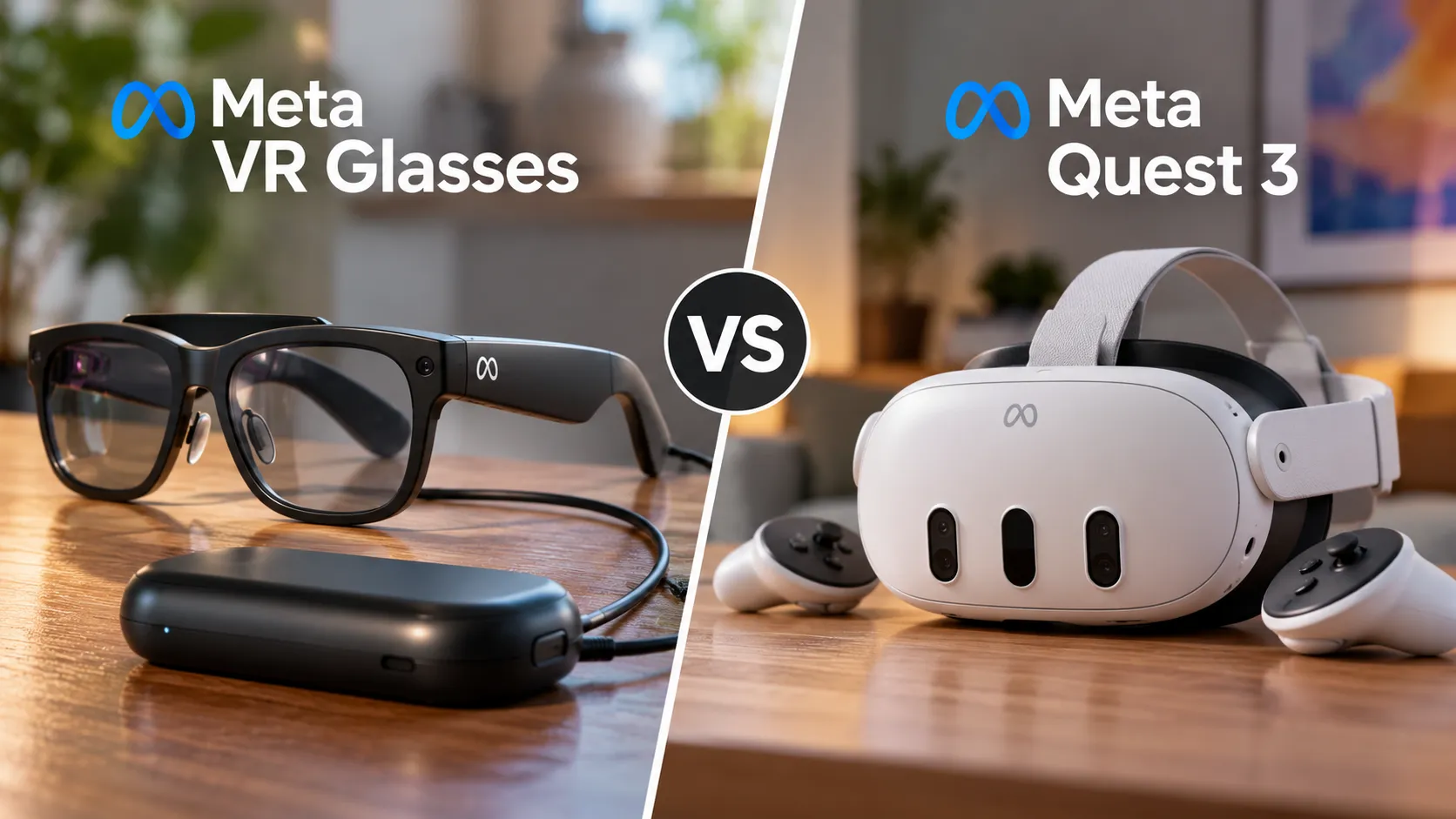
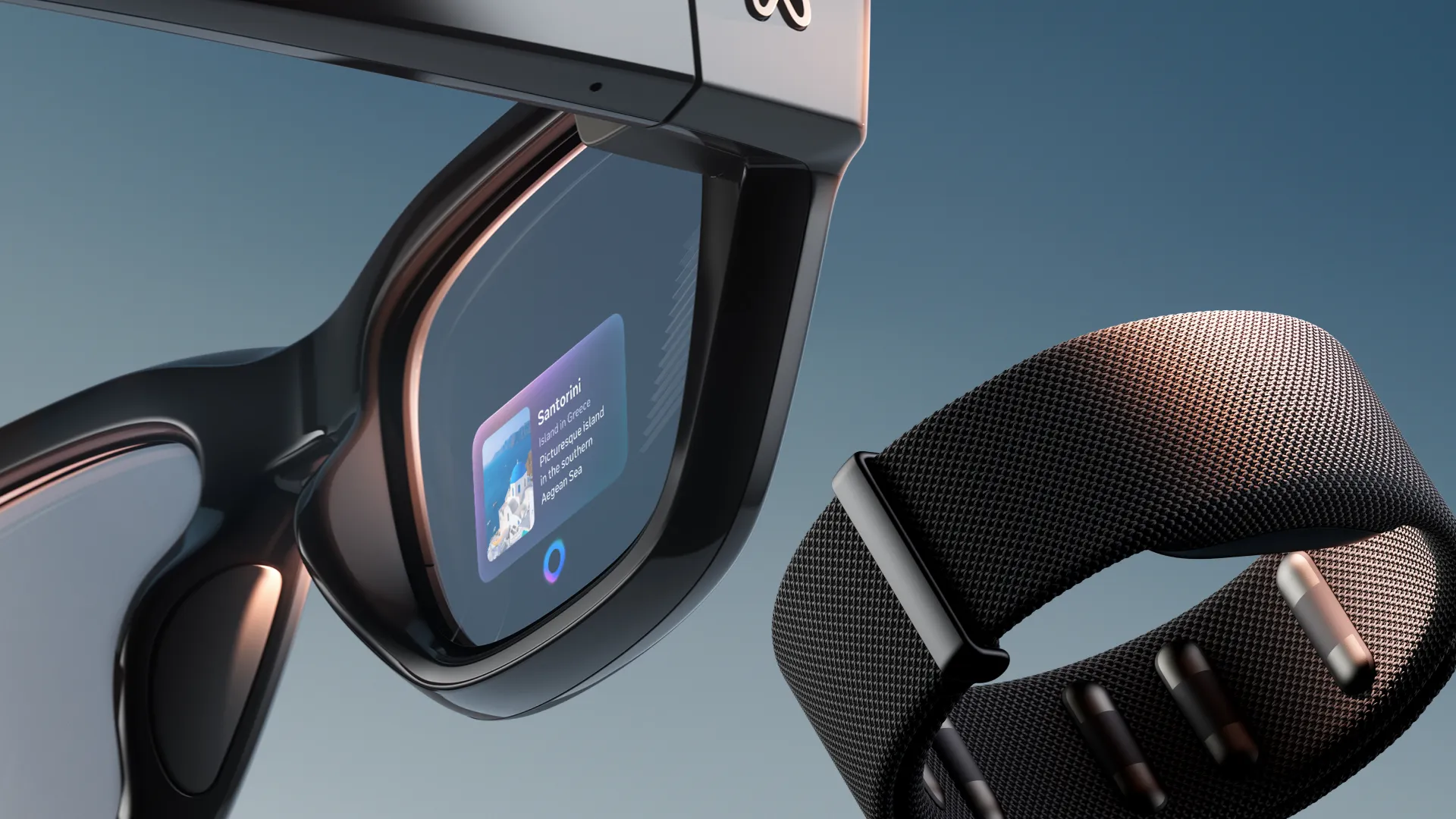
Meta's pivot reveals where genuine consumer demand actually exists. The company has found significantly more success with AI-powered wearables, particularly through their Ray-Ban partnership. Ray-Ban Meta glasses have seen stronger consumer demand than VR headsets, with more than two million units reportedly sold.
The difference in market reception is dramatic. Meta recently delayed a wider global rollout of Ray Ban Meta smart glasses due to limited supply and high US demand—a problem most companies would love to have. Meanwhile, Reality Labs revenue declined 6% year-over-year in Q1 2025 (to $412M), which Meta said was due to lower Quest sales, showing the market simply isn't expanding as projected.
This behavioral insight reveals a fundamental UX principle—successful consumer technology integrates seamlessly into existing habits rather than demanding new behaviors. Smart glasses enhance your real-world experience without isolation, while VR headsets require users to completely disconnect from their physical environment.
Meta plans to double its production capacity for smart glasses by the end of 2026, while simultaneously slashing VR budgets. The company is reallocating resources into 'Wearables,' a department focused on AI-powered eyewear, signaling where they believe sustainable growth actually lies.
Meta spent $14.3 billion in June to bring in Scale AI founder Alexandr Wang to lead AI strategy. This single hire cost more than many companies' entire R&D budgets, signaling Meta's recognition that AI talent, not VR hardware, represents the critical bottleneck in next-generation computing platforms.
The Horizon Worlds reality check
Perhaps nowhere is Meta's VR failure more apparent than in Horizon Worlds, their flagship social VR platform. Horizon Worlds' monthly active users have remained in the low-hundreds of thousands (latest public / industry estimates through 2025), a number that pales in comparison to Roblox, which reports more than 150 million daily users.
This disparity reveals VR's fundamental adoption barrier—while Roblox succeeds through accessibility across devices and age groups, Horizon Worlds remained trapped behind expensive hardware barriers that limited its potential audience to early adopters. The platform couldn't achieve the network effects needed for social success.
The strategic retreat is evident in Meta's desperate pivots. Meta is reshaping Horizon Worlds to resemble platforms like Roblox and Minecraft, essentially admitting their original vision failed. The company has encouraged developers to build simpler, kid-friendly games and has shifted Horizon Worlds toward mobile access—abandoning the VR-first approach entirely.
Meta is courting developers who build games for Roblox to build experiences for Horizon Worlds, essentially begging successful creators to salvage their failing platform. Meta directed the company to turn Horizon Worlds into a hit smartphone app after beginning a test of a mobile version in 2023, completely abandoning their immersive metaverse vision.
The most telling indicator came when during the company's most recent earnings call, the word 'metaverse' wasn't mentioned even once—a stunning omission for a company that literally renamed itself around this concept.
What this means for the VR industry
Meta's retreat sends chilling implications throughout an industry that had looked to the tech giant as VR's primary champion. Meta's decision to scale back its VR efforts comes 12 years after Facebook entered the market with the $2 billion purchase of Oculus VR, marking the end of an era that many believed would revolutionize computing. If the industry's best-funded champion can't make it work after 12 years and $70 billion, what hope do smaller players have?
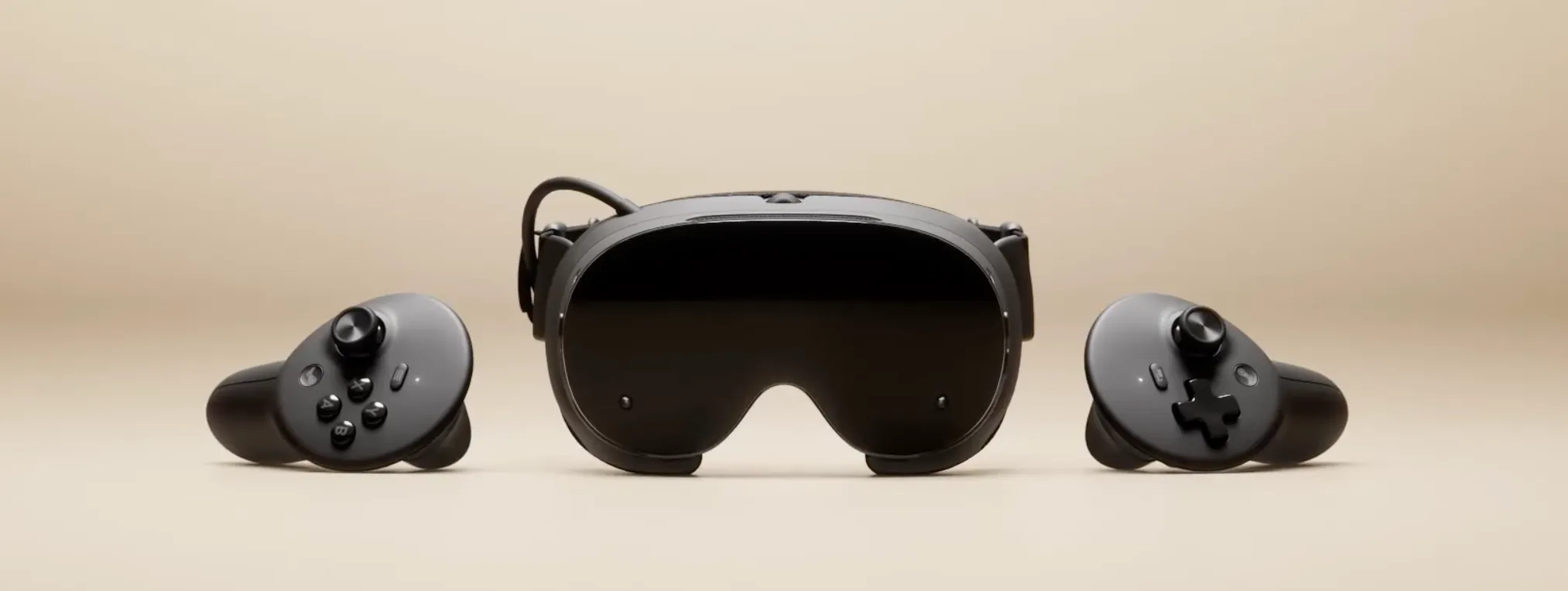
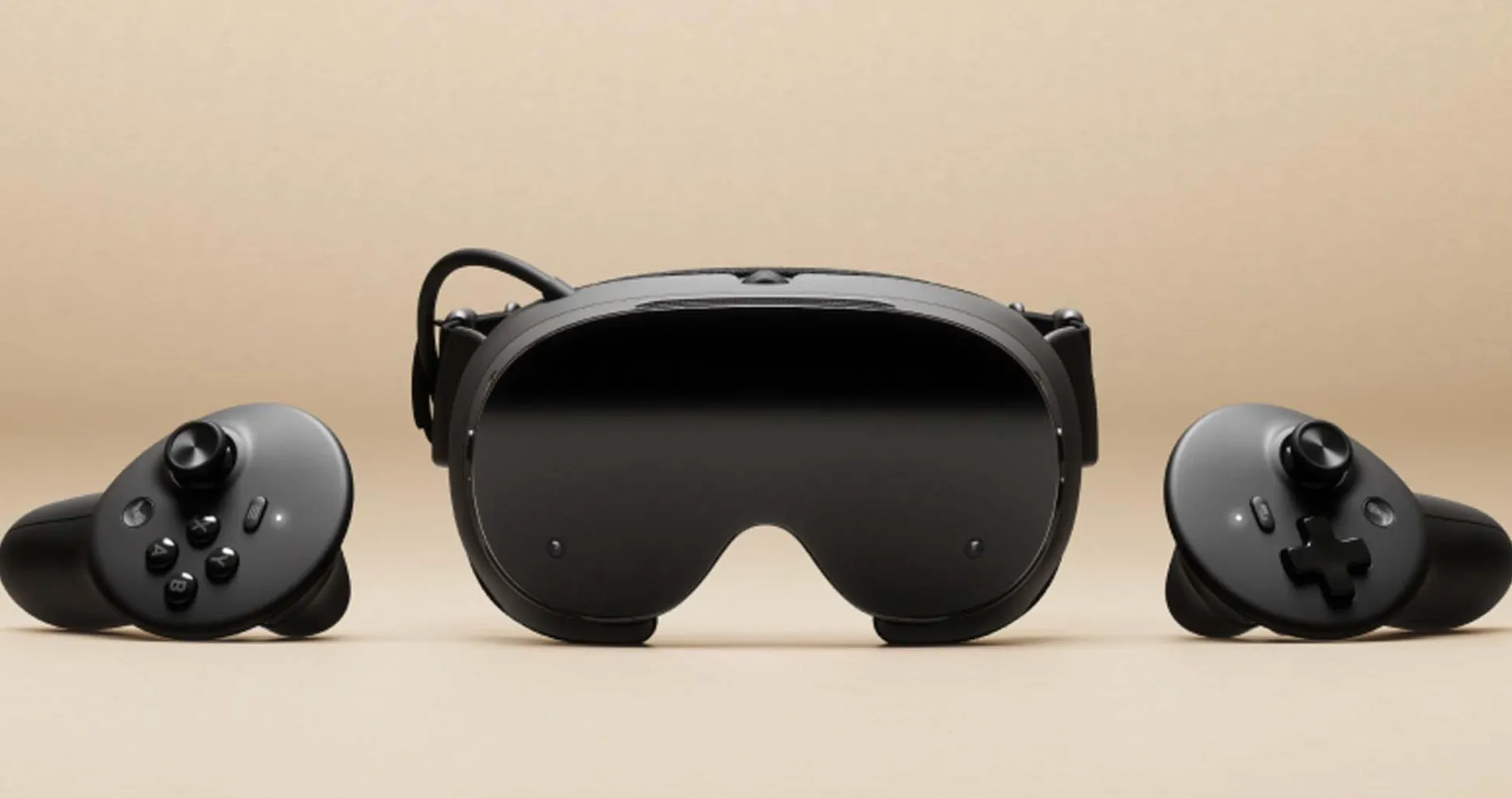
Meta has not decided to stop spending on the metaverse, just to cut back there more than elsewhere, but the message is clear: VR as we know it isn't the future Meta once envisioned. Reality Labs will continue to develop Quest VR headsets and mixed reality technology, but with tighter budgets and clearer commercial goals.
Experimental projects without defined user demand are being deprioritized, signaling a return to practical, market-driven development rather than moonshot ambitions.
The developer ecosystem is experiencing cascading effects that threaten VR's long-term viability. Meta has reportedly cut funds to some outside VR game developers amid a wider shift to fund apps that have seen comparatively better traction, forcing studios to adapt or face closure. Netherlands-based studio Monks halved its team of 100 people creating content for Horizon Worlds, while France-based Atlas V cut half of its team.
These studio closures create a vicious cycle—fewer developers mean less content, which reduces user engagement, which justifies further budget cuts, ultimately starving the ecosystem of the diverse content needed for mainstream adoption.
The AI gold rush begins
While VR burns, AI infrastructure receives unprecedented investment. Meta raised its projected 2025 capital spending to between $70 billion and $72 billion, with even larger increases expected in 2026—money that's flowing almost entirely toward AI infrastructure rather than VR development.
Meta has committed over $70 billion in capital expenditures for 2025, with expectations of exceeding $100 billion in 2026, almost entirely directed toward AI infrastructure. This $100 billion commitment represents more than just internal investment—it's an arms race declaration, forcing competitors like Google and Apple to match this scale or risk falling behind in the AI platform wars.
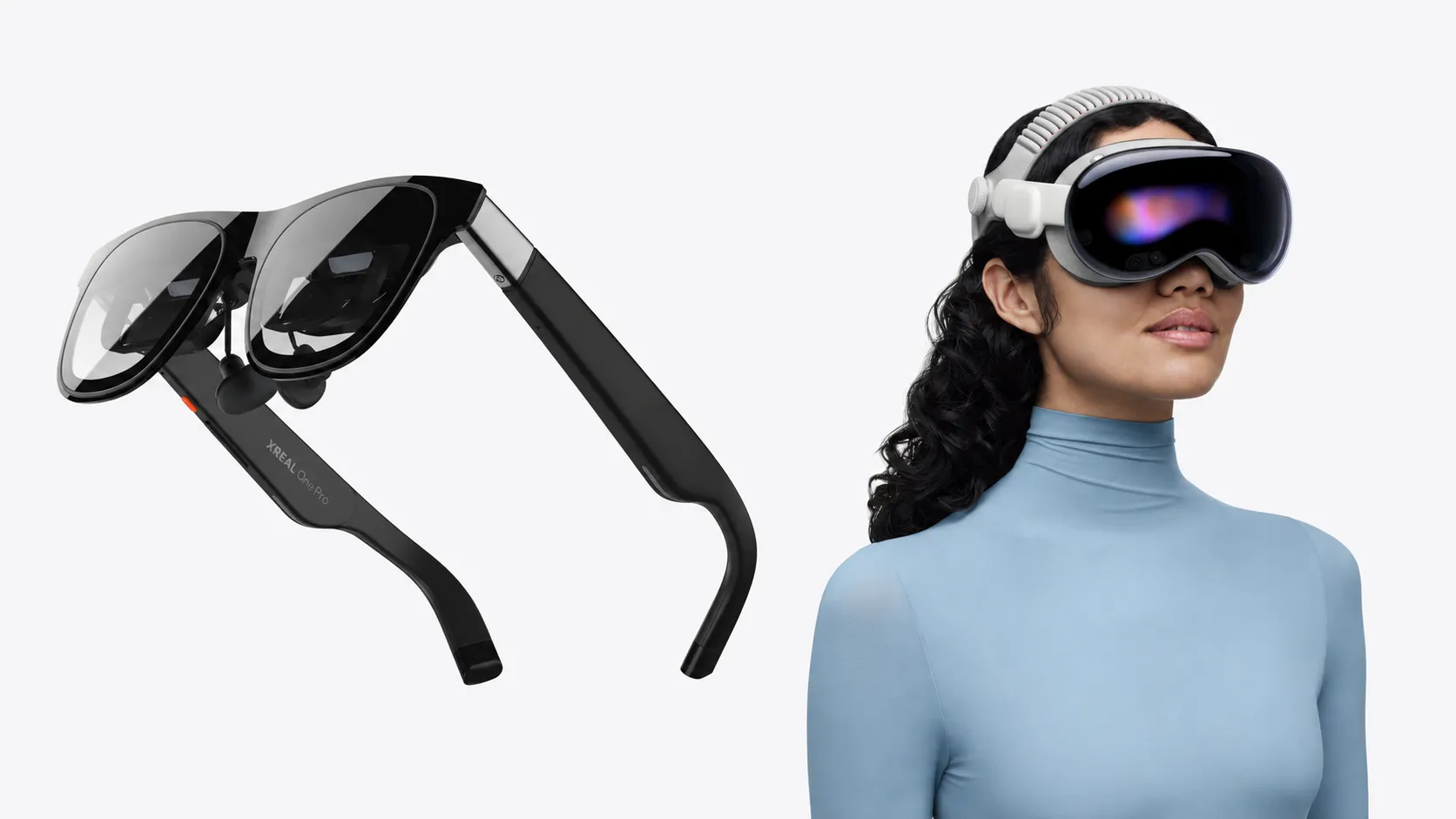
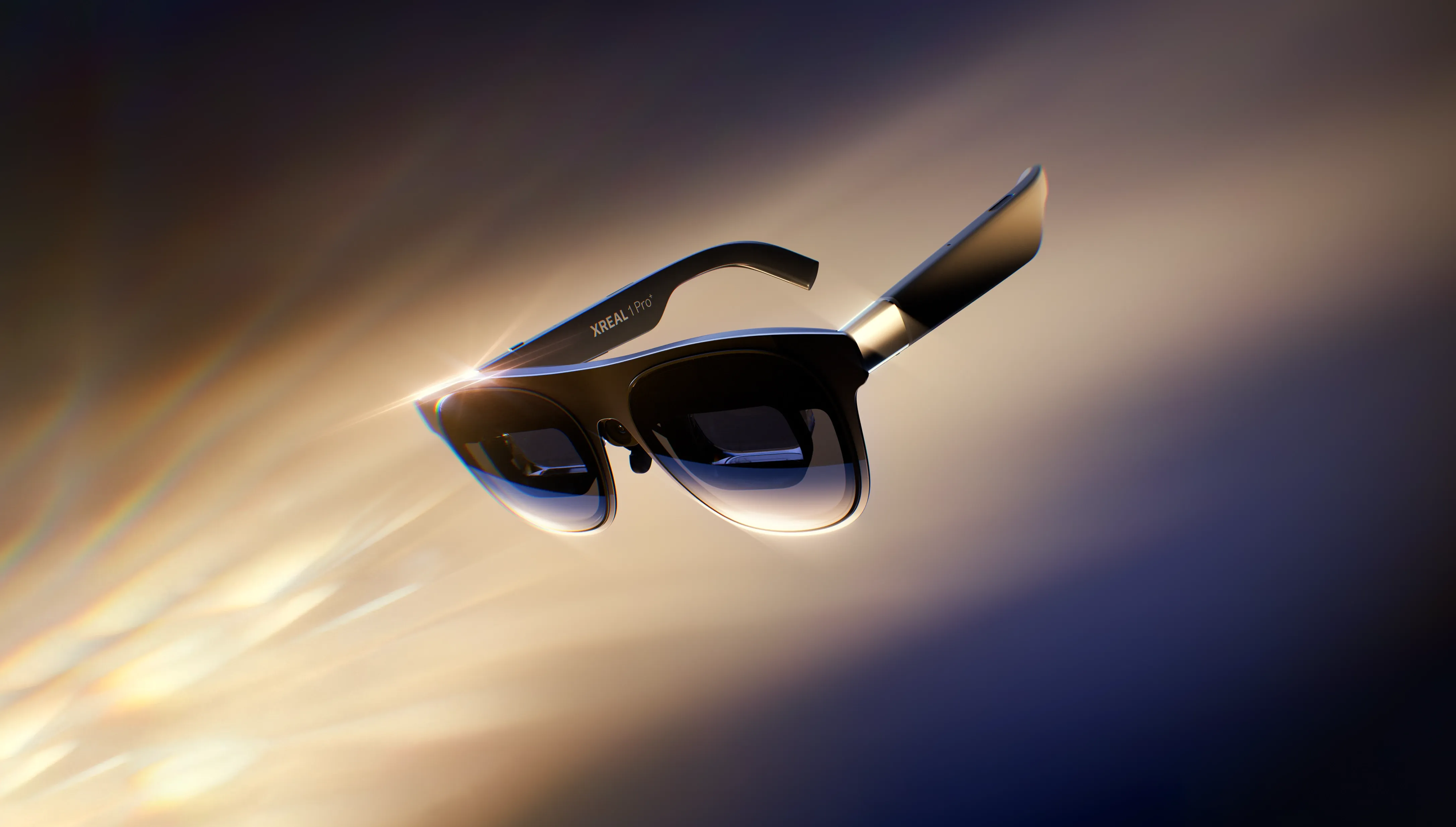
The strategic reasoning demonstrates clearer market alignment. AI-powered glasses allow Meta to combine its strengths in artificial intelligence, computer vision, and social platforms into a single consumer product. Voice-based assistants, real-time translation, object recognition, and contextual recommendations all become possible without asking users to put on a headset.
This approach addresses real user needs—people need translation help, navigation assistance, and information overlay in their daily lives. They don't necessarily need to escape to virtual worlds for extended periods.
The reckoning: what went wrong and what's next
Meta's VR collapse offers crucial lessons about the intersection of vision and market timing. Meta's stock surged nearly 3.5% following the budget reduction announcement, showing investors have been waiting for this reality check for years. The market has spoken: VR as currently conceived simply isn't viable at scale.
Meta's fundamental mistake was assuming that immersive virtual worlds would naturally become the next computing platform without first solving basic usability and adoption challenges. VR headsets remain bulky, expensive, and isolating. Most people don't want to strap computers to their faces for extended periods, especially when smartphones already meet most of their digital needs and social connection happens more naturally through less intrusive interfaces.
Meta's strategic pivot is less about abandoning virtual reality and more about redefining how immersive technology reaches users. The future isn't about escaping to virtual worlds—it's about augmenting the real world with intelligence and information, making AI feel natural and helpful rather than isolating and cumbersome.
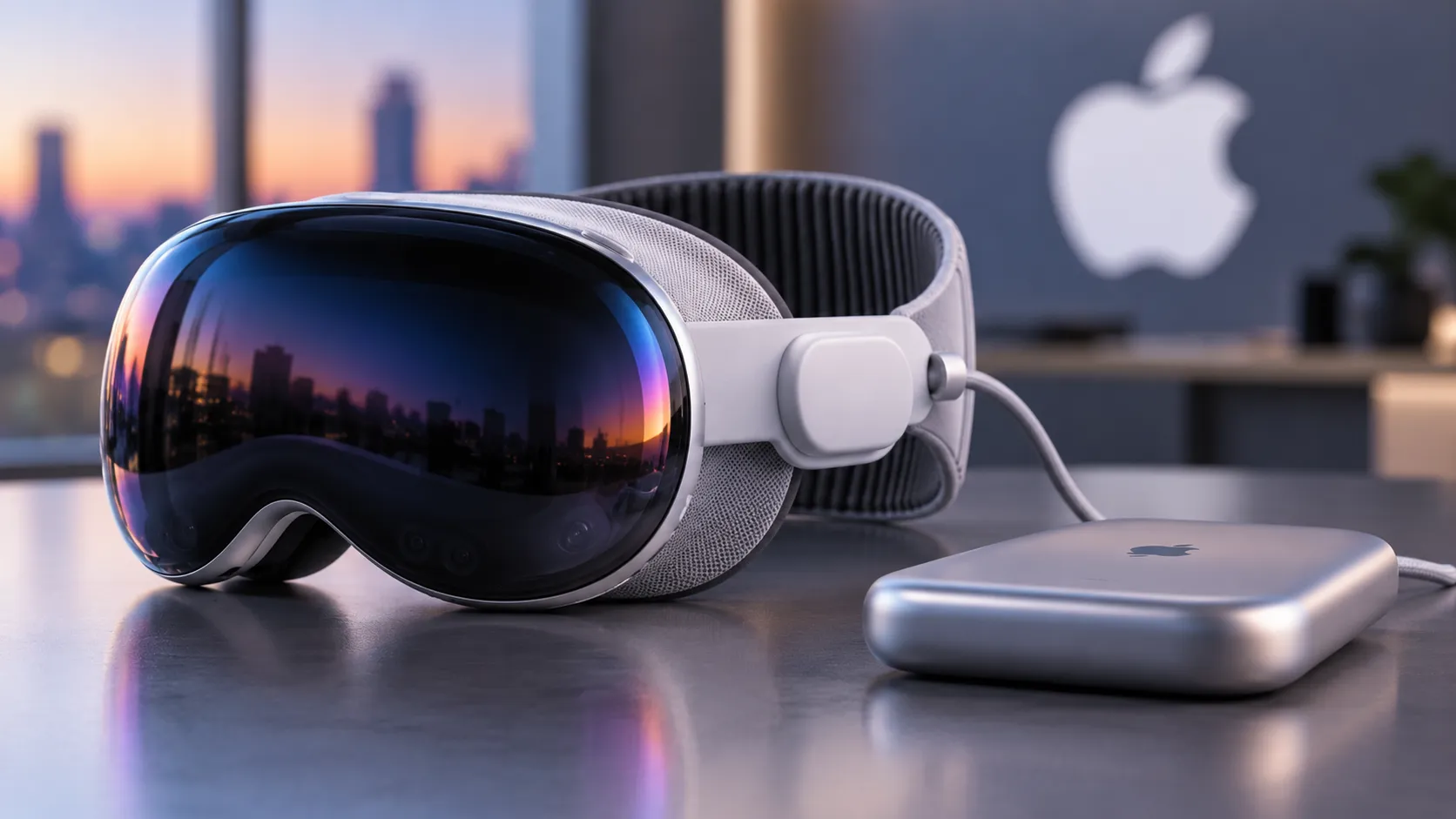
Meta's pivot comes as competition in AI wearables intensifies, with Apple, Google, and others racing to define this new category. The companies that win will be those that understand the difference between revolutionary technology and technology that fits revolutionary seamlessly into human behavior patterns.
For Meta, this represents both an admission of failure and a potential path to redemption. They've burned through $70 billion learning what doesn't work—a costly but comprehensive education in market realities. Now they're betting that lesson was worth the price, and that AI-powered wearables represent the computing platform that VR never could become.
Meta's pivot from VR to AI wearables reflects a broader industry realization—the next computing platform won't replace reality but will enhance it, making information and intelligence ambient rather than immersive. Whether they're right will determine not just Meta's future, but the next chapter of human-computer interaction itself. The era of trying to escape reality may be ending, but the age of intelligently augmenting it is just beginning.




Comments
Be the first, drop a comment!