


Meta's display glasses were supposed to mark the company's bold expansion into international markets, but things haven't gone according to plan. The tech giant announced that unprecedented demand and limited inventory has forced them to pause the rollout to several key regions. Meanwhile, the company has also pushed back its Phoenix mixed-reality headset to 2027, signaling broader challenges in Meta's ambitious wearables strategy. This isn't just about supply chain hiccups—it's a revealing look at how even tech giants struggle when reality meets ambitious timelines, and more importantly, how strategic patience might actually be the smartest approach in a market that's been burned by rushed, half-baked products.
When high demand becomes a problem
Here's where things get interesting (and a bit ironic). Meta's Ray-Ban Display glasses have encountered an unexpected challenge: they're simply too popular for the company's production capacity. The international expansion to the UK, France, Italy, and Canada has been indefinitely postponed, with no new timeline provided for the rollout that was originally scheduled for early 2026.
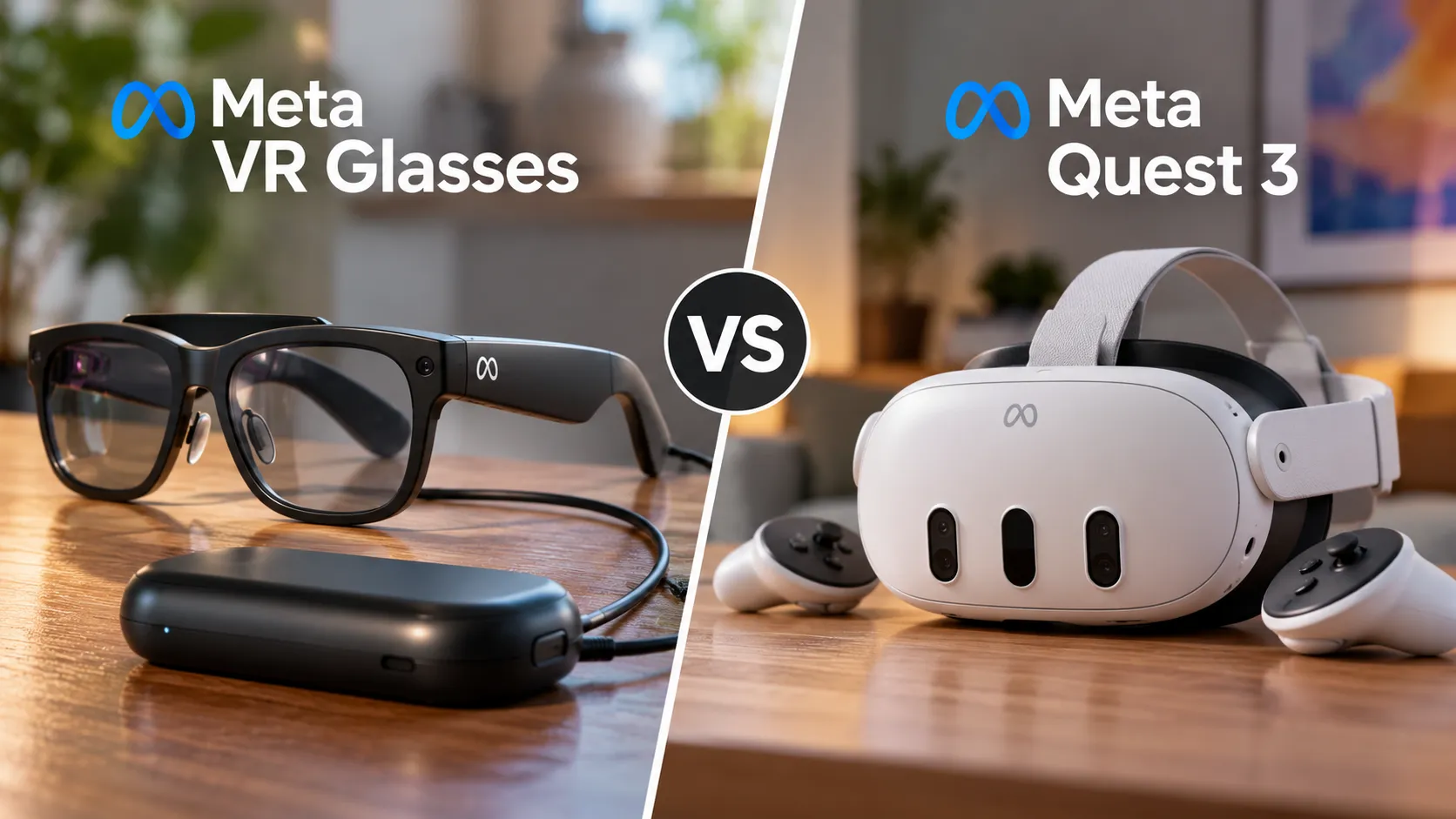
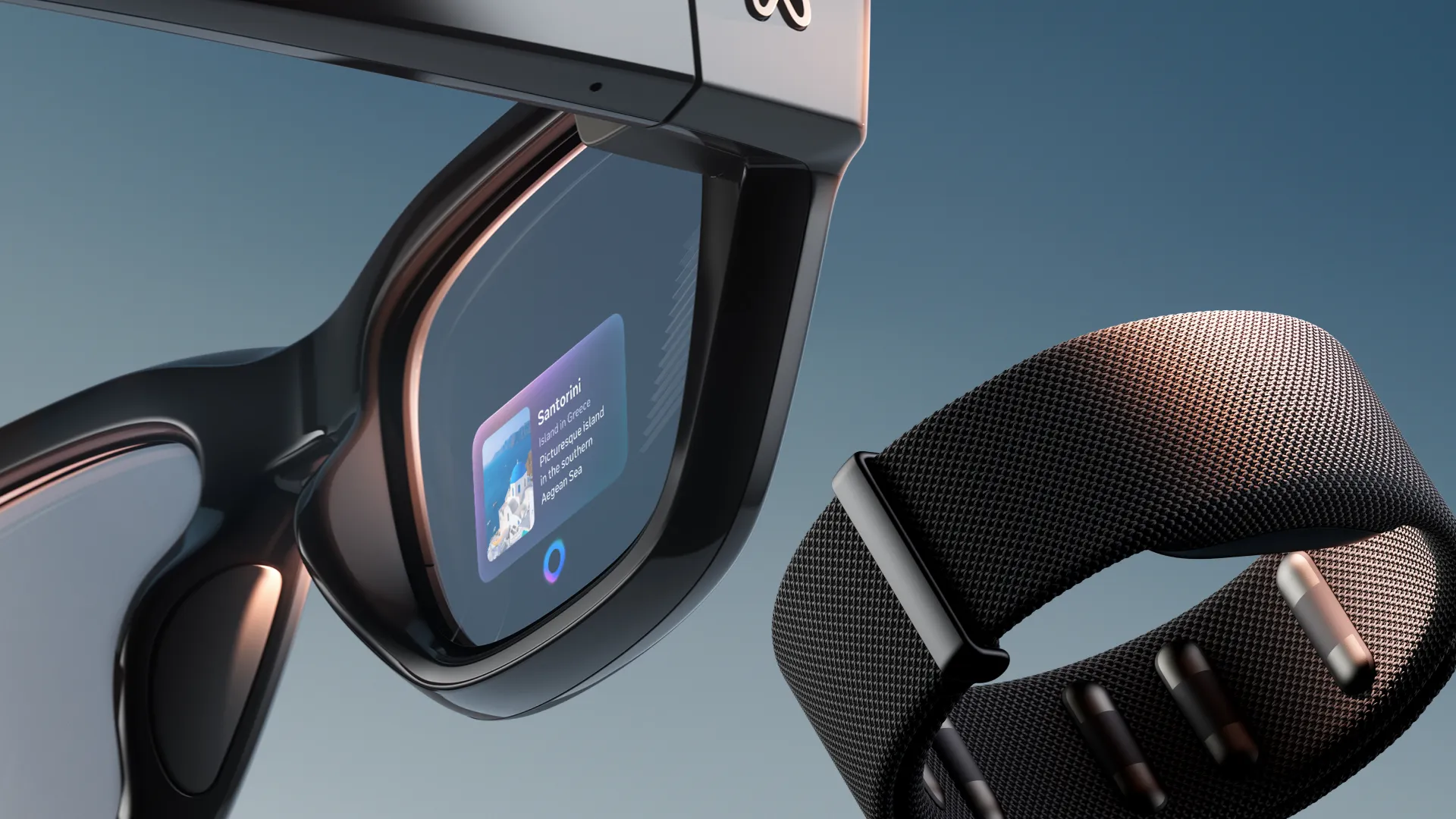
Now, you might be wondering what makes these glasses so special that they've created their own supply crisis. The $799 device represents a legitimate step forward in wearable tech, featuring a heads-up display, camera, stereo speakers, six microphones, WiFi 6, and a Neural Band controller. That's a lot of technology packed into something that's supposed to look and feel like regular eyewear.
But here's where Meta's approach reveals both strategic thinking and manufacturing constraints. They're not available through standard e-commerce channels and can only be found at select Ray-Ban, Sunglass Hut, LensCrafters, and Best Buy locations. Even then, prospective buyers must book an appointment through Meta's website for an in-store demonstration before making a purchase.
This controlled distribution approach isn't just about creating exclusivity—it's likely driven by manufacturing realities and quality control needs that Meta learned from previous hardware launches. When you're dealing with complex optics, precise display alignment, and custom Neural Band fitting, the appointment-only system allows for proper calibration and user education. The bottleneck isn't just about production volume; it's about maintaining the user experience standards that determine whether this technology succeeds or joins the graveyard of ambitious wearables that launched too early.
Phoenix rising—but not until 2027
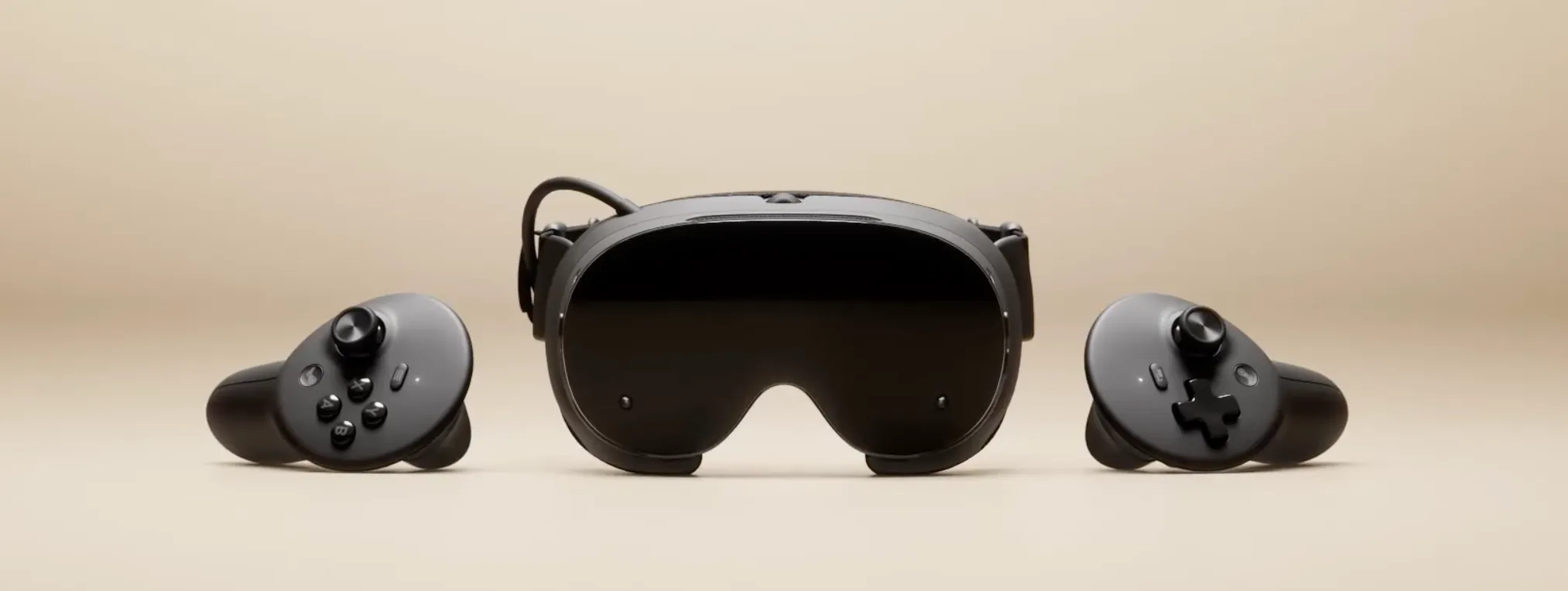
The delay extends beyond just the Ray-Ban collaboration, and this is where Meta's broader strategic recalibration becomes clear. The company's more ambitious Phoenix mixed-reality project has been pushed from late 2026 to early 2027, representing a fundamental shift from Meta's historically aggressive hardware timelines.
What's particularly noteworthy is that this postponement reflects CEO Mark Zuckerberg's directive to prioritize product quality and business sustainability over rushing to market. This represents a dramatic departure from the typical Silicon Valley "move fast and break things" mentality—especially significant given that Reality Labs is burning through billions while competitors like Apple set new standards for mixed-reality experiences.
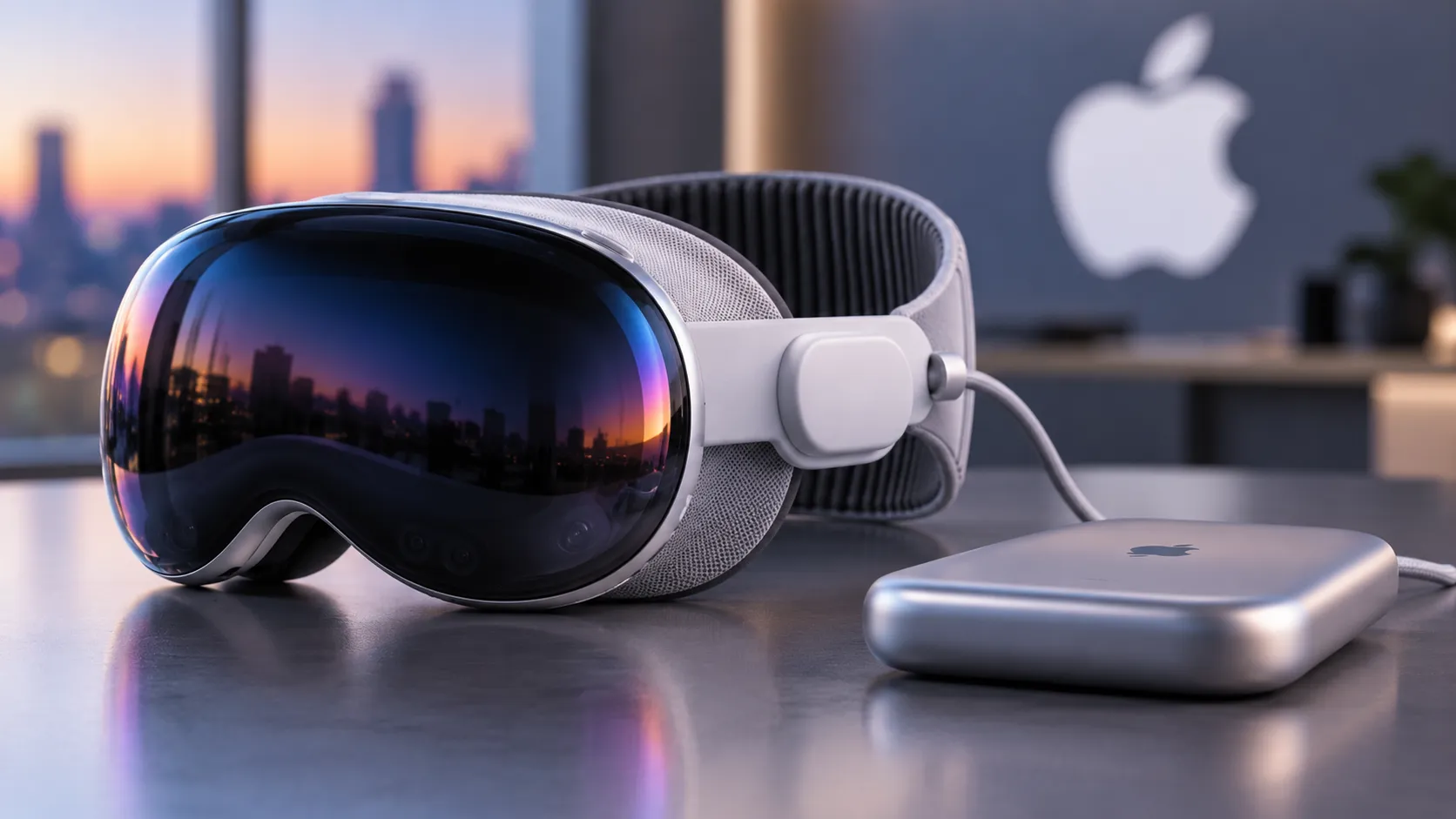
The Phoenix device promises some genuinely impressive technical specifications that explain why Meta is willing to wait. We're talking about a lightweight design at approximately 110 grams and an external power module similar to Apple's Vision Pro. That weight target is crucial—it's substantially lighter than high-end competitors while maintaining the processing power needed for convincing mixed reality.
Meta executives Gabriel Aul and Ryan Cairns have communicated to employees that the extended timeline provides significantly more development time to perfect critical details, focusing on refinement rather than feature expansion. The company is betting on distributed processing architecture with lower-resolution displays and more modest computing performance than premium headsets, prioritizing all-day wearability over raw technical specifications.
This design philosophy directly addresses the fundamental failure point of most mixed-reality devices: they're impressive for demos but impractical for daily use. By accepting lower resolution in exchange for comfort and battery life, Meta is essentially betting that user adoption depends more on wearing something for hours without discomfort than on pixel density that looks great in reviews but causes headaches after thirty minutes.
The reality behind the delays
Now here's where the story reveals the interconnected challenges facing not just Meta, but the entire wearables industry. These setbacks occur against a backdrop of significant financial pressure and strategic recalibration. Reality Labs posted $4.4 billion in losses last quarter, with Reality Labs' cumulative operating losses estimated at roughly $45–50 billion since 2021. The company is now facing potential budget reductions of up to 30% for its Reality Labs division.
Beyond financial pressures, the technical challenges reveal why this industry has struggled for decades to deliver on its promises. Supply chain shortages of specialized chips and displays have contributed to delays, while engineering complexities around battery life, heat management, and optical clarity require breakthroughs in materials science and manufacturing processes that can't be rushed.
What's particularly revealing is that even Meta's successful products expose the fundamental limitations that persist across the industry. Take the Ray-Ban Display glasses: battery life of six hours for active use won't support twelve-hour work shifts, and the devices aren't built for easy repair, meaning damaged units likely need full replacement.
These aren't minor inconveniences—they're systemic design constraints that highlight why the industry needs fundamental advances in battery chemistry, micro-manufacturing, and thermal management before smart glasses can truly replace smartphones. Six hours of battery life sounds reasonable until you factor in charging infrastructure, backup devices for critical work applications, and the simple reality that people forget to charge yet another device overnight. The repair issue compounds total cost of ownership in enterprise environments where hundreds of units might need maintenance or replacement annually.
What this means for the wearables landscape
Despite these setbacks, Meta maintains a commanding position in the emerging smart glasses market, and understanding why reveals the strategic logic behind their patience. Global smart-glasses shipments jumped 110 percent in the first half of 2025, with Meta capturing about 70 percent of the market. The company also dominates the VR market with 73% global market share and shipped approximately 9.6 million VR/MR units in 2024.
This market dominance provides Meta with a luxury that competitors don't have: the ability to delay without losing ground. When you control 70% of smart glasses and 73% of VR, you can afford to perfect products rather than rush them to market to compete for attention. This positioning allows Meta to learn from competitors' mistakes—like Apple's Vision Pro, which launched to positive reviews but lukewarm consumer adoption due to high price and limited practical applications—while refining their own approach.
The extended timeline allows Meta to address systematic user experience challenges that have plagued the industry. The extended timeline enables Meta to address technical challenges and incorporate lessons from Quest 3S adoption patterns, building on real-world usage data rather than lab testing and focus groups.
Meanwhile, Meta isn't sitting idle during these delays. The company is evaluating a more affordable Micro LCD-based AR model for 2026 and has planned a 'limited edition' wearable device codenamed 'Malibu 2' for 2026 to bridge the gap until Phoenix arrives. This suggests a more sophisticated product roadmap that segments markets by use case and price point, rather than betting everything on a single breakthrough device.
The broader implications here signal a maturation of the wearables industry. These strategic delays demonstrate Meta's philosophical transformation from rapid deployment to sustainable, market-ready products, suggesting the company has learned valuable lessons about balancing innovation speed with product maturity and business sustainability.
For consumers and businesses eagerly awaiting these technologies, Meta's cautious approach might actually deliver superior outcomes. Rather than rushing half-baked products to market—something the tech industry has done repeatedly with wearables—Meta is taking the approach that sustainable success requires solving fundamental user experience problems before scaling globally. The real test will be whether this measured timeline pays off with genuinely transformative devices in 2027, or whether competitors use Meta's patient development cycle to capture market share with more aggressive launch strategies.
Either way, we're watching a critical inflection point in wearables development, where the decisions made today about product maturity versus market timing will likely determine which companies dominate the smart glasses market for the next decade.



Comments
Be the first, drop a comment!