


Meta's latest accelerator program represents a significant shift in how the company views VR's potential beyond gaming. While Quest headsets have dominated the gaming market, developers are now pushing boundaries into lifestyle categories that could redefine why people reach for their headsets. The Meta Quest Lifestyle App Accelerator specifically targets emerging applications in fashion, beauty, cooking, and DIY projects that leverage mixed reality, AI, and hand-tracking capabilities. This initiative arrives at a crucial moment when hand interactions have evolved from experimental features into functional input systems, opening doors for more intuitive consumer experiences.
What makes this accelerator different from traditional VR funding?
Here's what's genuinely interesting about this program: it's not your typical VR accelerator. Unlike conventional VR development programs that focus heavily on gaming, this accelerator specifically excludes games, fitness apps, and B2B applications. The program targets fun, delightful consumer experiences with novel mechanics that tap into Quest's unique capabilities.
Selected participants receive seed-stage grant funding distributed across three paid milestones during a six-month development period, along with mentorship from both Meta and prominent venture capital partners including a16z, Anorak Ventures, and Lightspeed. The financial structure breaks new ground in the VR ecosystem through its developer-friendly approach.
Most notably, developers retain full ownership of their IP, code, assets, design, and distribution rights. This represents a strategic shift from traditional platform exclusivity models toward ecosystem growth through quality experiences. Meta's bet is that compelling lifestyle applications will drive headset adoption organically, creating sustainable value without restrictive partnerships. It's essentially Meta investing in the platform's long-term viability rather than short-term content control.
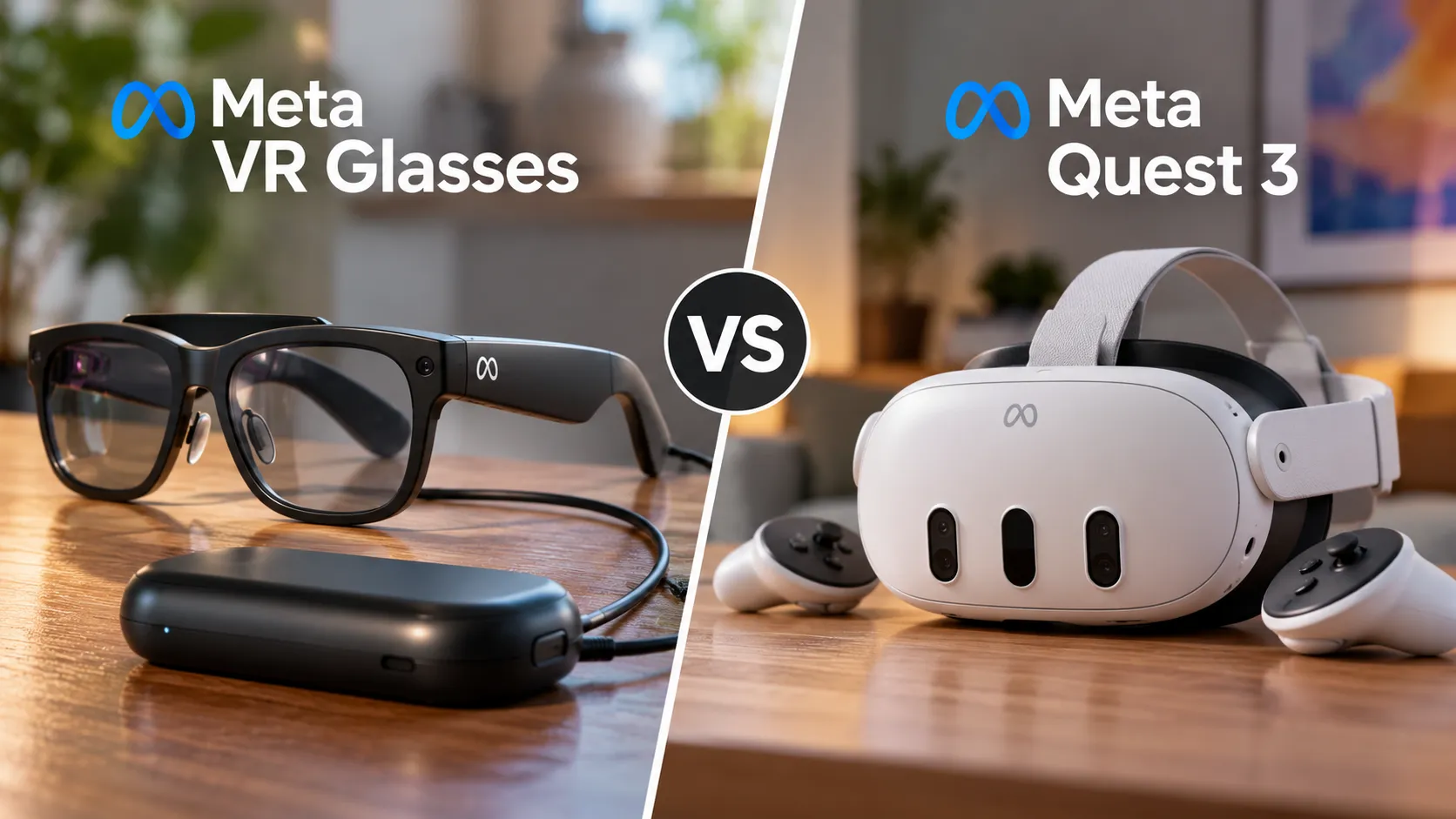
Teams in supported countries also receive up to three Quest 3 development kits, removing hardware barriers that often limit indie development—a practical acknowledgment that bleeding-edge VR development requires access to the latest hardware iterations.
How hand-tracking is revolutionizing lifestyle applications
Hand-tracking technology has matured significantly since its initial launch in 2019, evolving from experimental feature to core interaction paradigm. This progression creates opportunities for naturally intuitive interactions that eliminate VR's biggest adoption barrier: learning complex controller schemes. Modern applications allow users to perform reaching, pinching, and waving gestures without tutorials or complex button mappings, making VR accessible to newcomers while enhancing immersion for experienced users.
The technology enables direct interactions like snapping fingers to make objects vanish or using hand gestures to cast spells in virtual environments. But the real breakthrough lies in how this transforms the user onboarding experience—when someone new to VR can immediately interact with virtual objects using familiar real-world movements, you've eliminated the learning curve that traditionally gates VR adoption.
Real-world success stories demonstrate the transformative power of hand-first design. Waltz of the Wizard featured finger snapping as its signature interaction, creating natural experiences that required no explanations. Similarly, the VR conducting game Maestro discovered that early controller-based prototypes broke immersion due to weight and grip issues, but implementing hands made motions lighter and more expressive, closer to real conducting.
The unexpected viral moment came when players began conducting with everyday objects like cucumbers in Maestro, transforming mundane household items into digital tools. This exemplifies hand-tracking's potential for lifestyle applications—the ability to seamlessly integrate physical and digital interactions.
The latest Hand Tracking 2.3 update has reduced jitter and fingertip drift, while improved SDKs in Unity and Unreal simplify making objects interactable. Meta's roadmap promises even faster acquisition, lower latency, and expanded interaction libraries, positioning current hand-focused development for future technological advances.
Why mixed reality and AI integration matters for lifestyle apps
The accelerator's emphasis on mixed reality capabilities reflects the technology's potential to blend digital experiences with real-world environments in ways that could fundamentally transform daily activities. However, current AI integration faces significant technical constraints that developers must navigate creatively.
The primary limitation is access: Meta doesn't allow access to live camera feeds, which would enable computer vision models to classify real-world content. This restriction prevents many intuitive AI applications—you can't build an AI-powered cooking app that recognizes ingredients on your counter, or a fashion app that analyzes your existing wardrobe for styling suggestions.
Despite these constraints, innovative developers are working within the available framework. Meta provides hooks into the Horizon OS room model for placing virtual objects in proper locations, even without knowing specific room details. Privacy concerns around camera access are being addressed through enterprise-only features, explicit user permissions, and QR code or fiducial marker recognition systems.
These workarounds reveal the creative challenge driving current development: building meaningful AI-enhanced mixed reality experiences without direct environmental analysis. Instead of recognizing your kitchen ingredients, an app might use spatial anchors to create persistent recipe overlays that respond to hand gestures. Fashion applications could focus on virtual try-on experiences using body tracking rather than wardrobe analysis.
The combination of available technologies still opens significant possibilities for lifestyle applications. Imagine cooking applications that overlay step-by-step visual instructions anchored to your workspace, or DIY apps that use hand tracking to guide assembly processes with spatial precision—all achievable within current technical boundaries while positioning for expanded capabilities as privacy solutions evolve.
What categories show the most promise?
Meta specifically highlights fashion, beauty, home design, shopping, cooking, DIY, and arts & crafts as emerging categories ripe for innovation. These areas benefit from VR's spatial capabilities and tactile hand interactions in ways that traditional gaming experiences don't fully exploit.
What makes these categories particularly compelling is how they align with VR's core strengths: spatial visualization, gesture-based interaction, and immersive learning. Take DIY applications—instead of following flat assembly diagrams, users could interact with 3D models that demonstrate proper technique, show exploded views of complex assemblies, or guide tool usage through hand tracking. Fashion and beauty apps could leverage spatial awareness for virtual fitting rooms that respond to natural gestures, creating try-on experiences that feel intuitive rather than clunky.
Early validation comes from applications like PianoVision, which uses mixed reality to teach piano playing, demonstrating how educational lifestyle content can leverage Quest's unique capabilities. This represents a shift from entertainment-focused VR toward skill development and practical utility—areas where regular, repeated usage becomes valuable rather than novelty-driven.
The program's exclusions are equally telling: no marketing activations, B2B applications targeting schools or professionals, and no traditional entertainment categories like media consumption or fitness. This focused approach recognizes that lifestyle applications require different engagement models than existing VR content categories. Applications must demonstrate novel, engaging, and retentive mechanics that justify regular headset usage beyond entertainment sessions.
Success in these categories depends on solving genuine problems or enhancing existing activities in meaningful ways. The most promising applications will likely be those that make complex activities more accessible, provide new creative possibilities, or offer learning experiences that leverage VR's unique affordances for spatial understanding and hands-on interaction.
Where does this leave developers today?
The application window has closed, with submissions having ended on October 15, 2024, and Meta will notify selected participants by December 2024. The six-month development period runs from December 2024 through May 2025, with selected teams working through structured milestones while receiving mentorship from both Meta's developer relations team and participating venture capital partners.
For developers who missed this opportunity, the accelerator signals broader market dynamics worth tracking. Meta's roadmap continues improving hand tracking with faster acquisition and lower latency, while expanded interaction libraries will simplify development. The company's systematic investment in lifestyle categories indicates a strategic pivot toward making VR relevant for daily activities rather than just entertainment sessions.
This represents a fundamental platform evolution: Meta is building the technical foundation for VR to transition from special-occasion entertainment to regular-use utility. The accelerator participants will likely become case studies that inform future funding opportunities and platform development priorities.
The strategic insight for independent developers is that designing with hands today positions developers for future advances in hand-tracking technology. As Meta continues investing in lifestyle categories and improving core technologies, developers who understand these interaction paradigms and category-specific design challenges will be best positioned for the next wave of opportunities.
Current developers can begin experimenting with hand-tracking SDKs, mixed reality placement systems, and lifestyle-focused design patterns. The technology stack is mature enough for meaningful development, and the market opportunity is crystallizing as Meta demonstrates commitment to diversifying Quest content. The central question isn't whether lifestyle apps will find sustainable audiences—it's which developers will master the unique design challenges of creating VR experiences compelling enough to become daily tools rather than occasional diversions.



Comments
Be the first, drop a comment!