


Meta Smart Glasses Subscription Pause Explained: Paywall Plans Remain
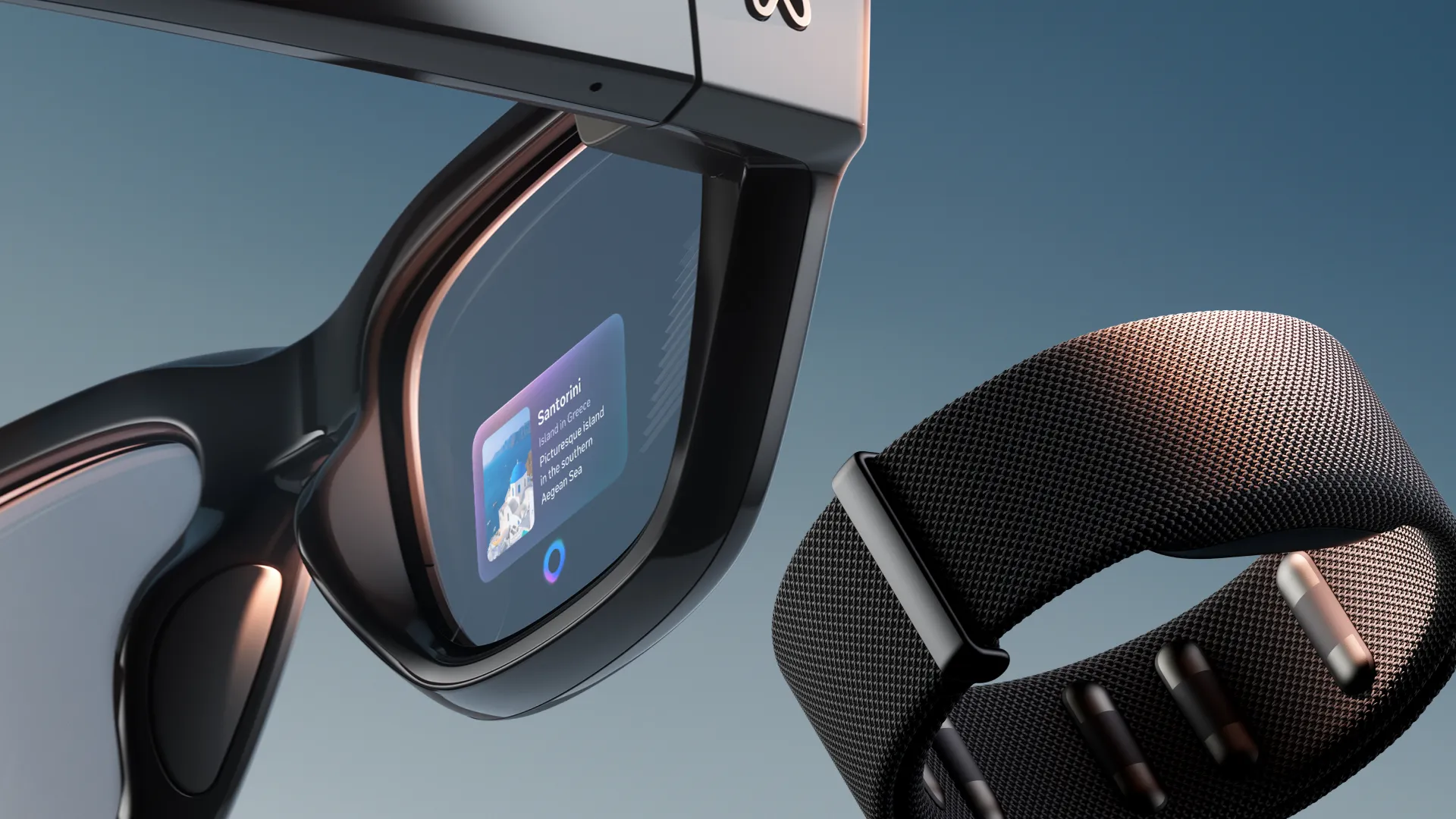
Meta has paused its plan to rate-limit Conversation Focus, a noise-reduction feature built into its AI glasses, after listening to user feedback. The Meta smart glasses subscription pause is tactical, not permanent. The company confirmed it is "still exploring all our options" for the feature, and its spokesperson made clear that subscription-gated premium features are still coming.
The proposed limits would have capped free users at three hours of Conversation Focus per month, roughly six minutes per day, while a $19.99/month Meta One subscription would have unlocked 15 hours, with unused time not rolling over, Android Authority and VR.org reported this week. Conversation Focus will remain free through the Early Access Program while Meta works on "a better approach," The Verge reported.
The broader monetization strategy is intact. Spokesperson Tyler Yee confirmed to The Verge that "some premium features will be subscription-based over time," though not all of them will require a subscription.
Why Meta pauses smart glasses subscription test matters: what Conversation Focus actually does
Conversation Focus uses the glasses' built-in microphone array to lift the voice of whoever is standing directly in front of the wearer above ambient room noise, Android Authority explained this week. The feature launched in December 2025 and had been available without restriction until Meta introduced the rate-limit test this month, VR.org reported two days ago.
The technical detail that sharpened the backlash: The Verge tested the glasses with the internet connection cut entirely, and Conversation Focus continued to work. That finding, reported by VR.org, suggests the feature runs on the device itself rather than through cloud processing, though Meta has not publicly explained the full cost rationale behind the proposed limits, which could include software development, updates, or support rather than per-use server costs.
The Verge described Conversation Focus as "the accessibility feature" in its coverage of the pause. That framing matters. Critics argued Meta was not metering a cloud resource, but restricting a locally running capability that some users may rely on for hearing assistance, one they reasonably considered part of the hardware they already bought. Three hours a month is six minutes a day, VR.org noted. That math did not go unnoticed.
Meta's business logic, and where it broke down
Meta's case for a subscription tier is not unreasonable on its face. Yee's statement to The Verge laid it out plainly: "We sell hardware at accessible prices to get AI glasses into the hands of as many people as possible and they pack a lot of value for free, so some premium features will be subscription-based over time. Charging power users for expanded use of premium features is how we sustain this strategy and keep investing in breakthrough capabilities."
That playbook has a long track record. Games consoles have sold hardware at slim margins and recouped revenue through software for decades. The model works when users trust that the line between free core functionality and paid premium features is being drawn in good faith.
Conversation Focus was a difficult feature to test that line on. It resembles an accessibility tool, it functions without a network connection, and it had been free since launch with no prior signal that metering was coming. Meta has clarified that not all premium features will require subscriptions, suggesting the company is still mapping which capabilities users will accept paying for, The Verge reported. Conversation Focus, it turns out, is not on that list yet.
A harder sell when trust is already thin
The subscription dispute does not exist in isolation. Meta is simultaneously managing a separate set of problems around how its AI glasses handle privacy and content moderation, and the timing makes each issue harder to separate from the others.
This week, Instagram head Adam Mosseri confirmed that content filmed with the glasses that involves harassment or covert recording would be removed from Instagram, after Business Insider reported on the policy, The Verge reported. "We don't want people to be surreptitiously taking videos of other people and harassing them and then posting them on our platform," Mosseri said, according to Business Insider. Meta did not provide The Verge with the actual policy text.
The moderation announcement follows a software update Meta rolled out three weeks ago. Beginning with its second-generation glasses, the camera is automatically disabled if the device detects the recording LED has been physically tampered with or destroyed, the Meta newsroom confirmed. The update came after documented cases in which users covered or removed the indicator light to record covertly, forcing Meta to first block recording when the LED was obstructed, then extend that block to cases where the LED was physically destroyed, according to TechCrunch earlier this month.
The company is also facing multiple privacy investigations and lawsuits tied to its AI glasses, TechCrunch reported. Its privacy policy allows images shared with Meta AI to be used for AI training, a detail that TechCrunch noted sits in tension with Meta's public assurances about user control.
The subscription test landed in that environment. Asking users to accept a new payment model while the device category is actively associated with covert recording, while platform moderation policies are still being written in public, and while privacy litigation is ongoing, is a harder sell than the business logic alone would suggest.
A pause, not a retreat
Meta has stepped back, but the destination has not changed. The company confirmed it is "still exploring all our options" for Conversation Focus specifically, and Yee's statement left no ambiguity about the direction: premium features, subscriptions, over time, The Verge reported.
The episode does sketch a rough outline of where resistance is likely to concentrate: features that run locally on the device, features that carry accessibility associations, and features that were previously free without a clear explanation of what changed, VR.org and Android Authority reported this week.
The commercial viability of Meta's glasses depends on building a software revenue layer on top of hardware sales. That is not a controversial observation; it is the stated strategy. But executing it requires users to accept a shared understanding of what they paid for. The question Meta has to answer before its next subscription test is a simple one: which features did users think they were buying, and which ones did Meta think it was only lending them? The gap between those two answers is where the next controversy is already waiting.




Comments
Be the first, drop a comment!