


Pixi iOS AR Messaging App Launches: How It Works in iMessage
A startup founded by a former Apple Vision Pro team lead launched its Pixi iOS AR messaging app on the App Store today, letting users send AI-powered augmented reality characters through iMessage. The characters appear through the recipient's iPhone camera, react to their surroundings, interpret facial expressions, and respond to objects in the room, TechCrunch reported. The app is called Pixi Garden, and no installation is required to receive a message only the sender needs the app, according to the company's launch announcement.
The closest frame for what Pixi sends is the AR greeting card. The Verge described it in a preview about seven weeks ago as the AR version of the email greeting card closer to an e-card than an emoji, but animated, context-aware, and interactive rather than passive.
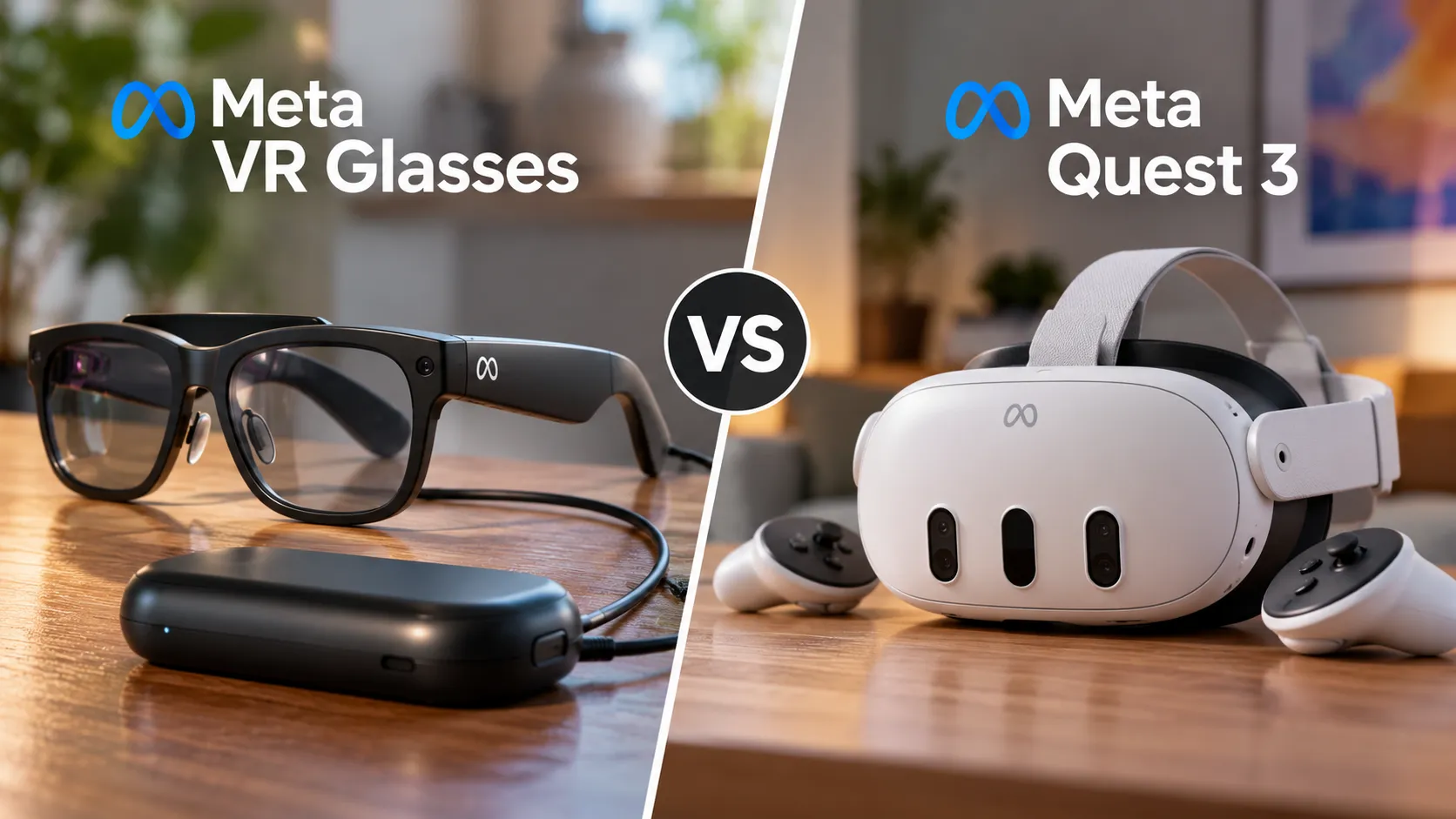
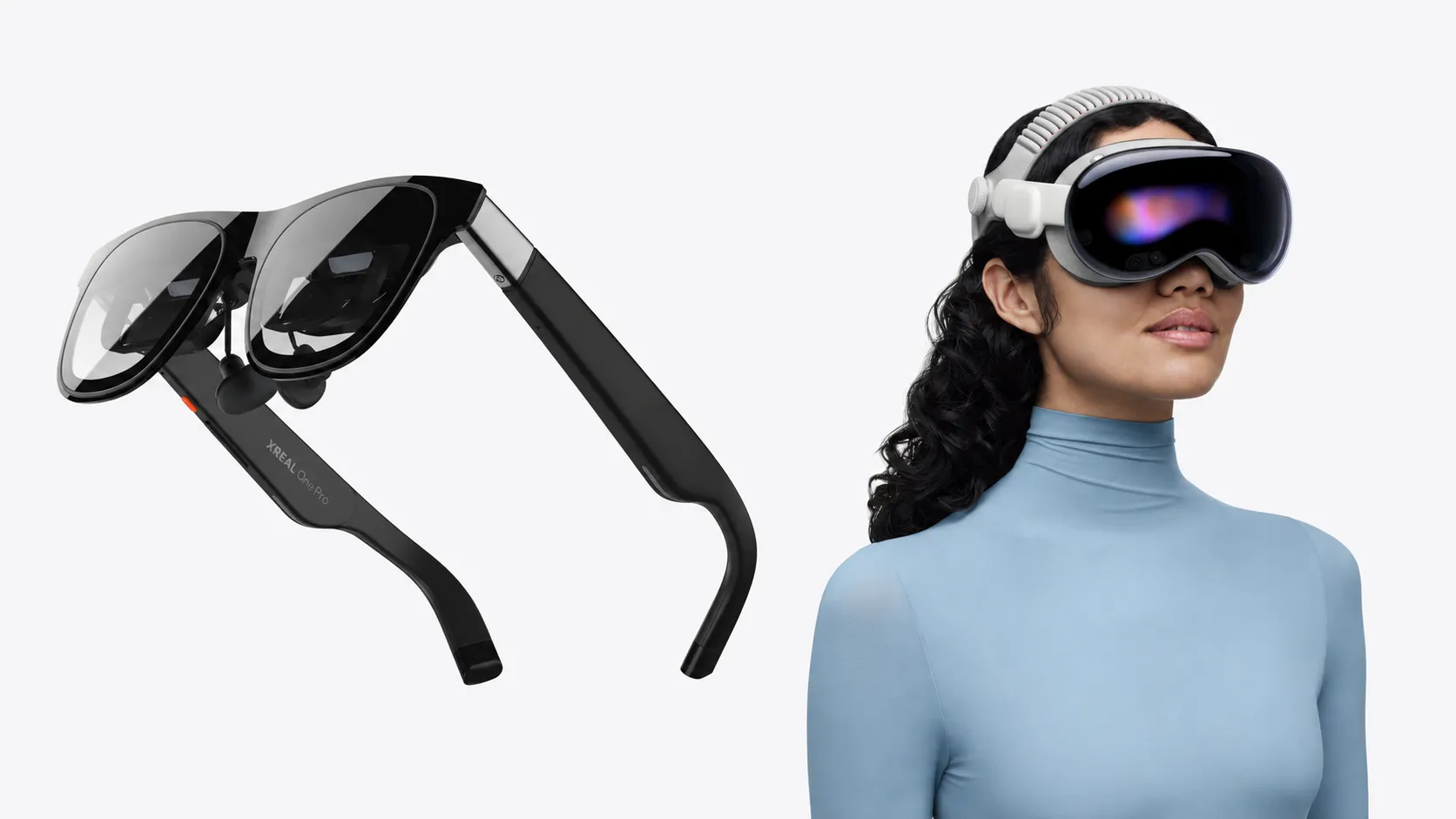
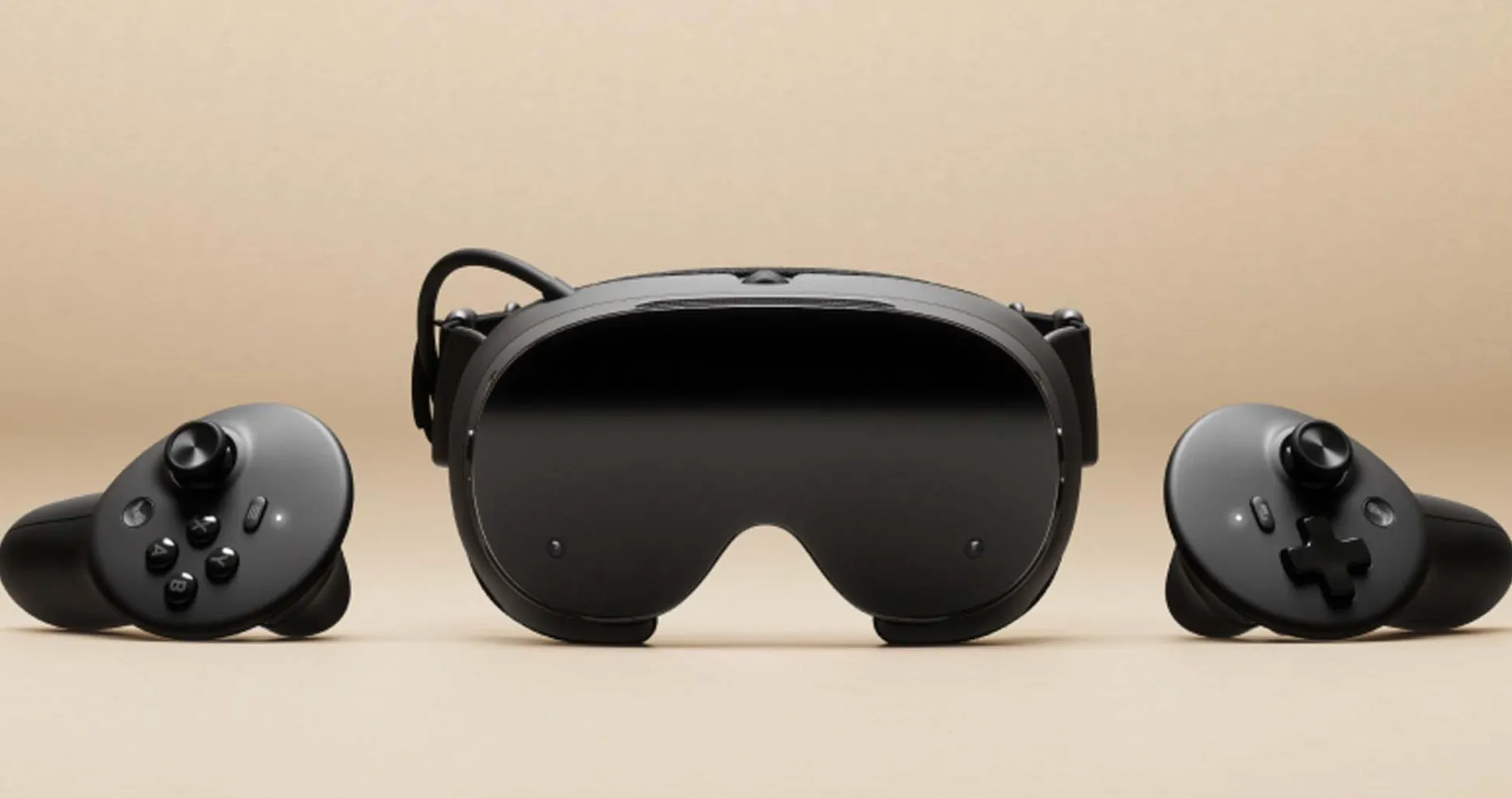
The launch is a direct bet against the prevailing direction of AR investment. While most of the industry's attention and capital sits behind dedicated headsets, Pixi is building for the phone already in everyone's pocket. That distinction matters because messaging is a daily behavior and headsets aren't, and it puts Pixi in a different competitive conversation entirely one about whether interactive AR can become as routine as sending a GIF, rather than whether it can justify a thousand-dollar device.
At launch: three characters, iMessage-only, iPhone 11 and newer. The question the product is testing is bigger than the roster: can AR become a normal messaging behavior, or does it stay a demo people try once and set down?
What Pixi is positioning itself against
Founder Mark Drummond frames Pixi not as a headset alternative, but as a digitally native successor to e-cards and creative gifting. "Sometimes the psychology is called pebbling or creative gifting. You're sharing tokens of affection, basically cards, e-cards, and gifts. That's your dad, or, in some cases, your granddad's media. We can do better," Drummond told TechCrunch. The benchmark he's staking out, in other words, is the expressive occasion birthdays, congratulations, the kind of message that currently gets a balloon emoji.
What stickers, GIFs, and short video clips share is passivity: a GIF plays, a sticker sits, a short video runs. Pixi's proposition is that a character responding to your specific room, your face, and your voice is a different category of thing, not a refinement of existing formats, according to the company.
Apple has been moving incrementally in the same direction. Live Stickers, introduced in iOS 17, let users lift subjects from their own photos and send animated stickers through iMessage, TechCrunch reported about three years ago. That progression shows mainstream messaging platforms will absorb richer expressive formats when users want them. Pixi's argument is that context-aware characters in your actual physical space are something different from a more personalized sticker and that Apple's own trajectory creates an opening rather than a ceiling.
How the Pixi iOS AR messaging app works in iMessage
The sender picks a character and scenario inside the Pixi Garden app, adds a personal message, and sends it through iMessage. The recipient taps a link, points their iPhone camera at a surface, and the character appears in their environment. Recipients need no account and no installation the friction sits entirely on the sending side, though recipients do need to tap the link and grant camera access, TechCrunch and the company confirmed.
Three characters are available at launch. The animated envelope chases recipients if they move. The robot responds to voice commands. The cat can tell a joke, land on a flat surface, and challenge the recipient to tic-tac-toe or whack-a-mole on their desk, according to demos covered by The Verge and reported by TechCrunch.
The reason these behave differently from a sophisticated GIF is on-device AI. Pixi uses machine learning to interpret facial expressions detecting a smile, for example, to know when a bit has landed and downloads custom models to recognize objects in the environment, letting characters incorporate whatever is actually present into their behavior, The Verge and MWM reported about seven weeks ago. According to the company, all visual and audio processing stays on the device and no data is used to train AI models. That claim has not been verified by any independent audit, which is worth keeping in mind given that the app accesses the camera and microphone and interprets facial expressions.
Why Pixi AR text messages are launching on iPhone first
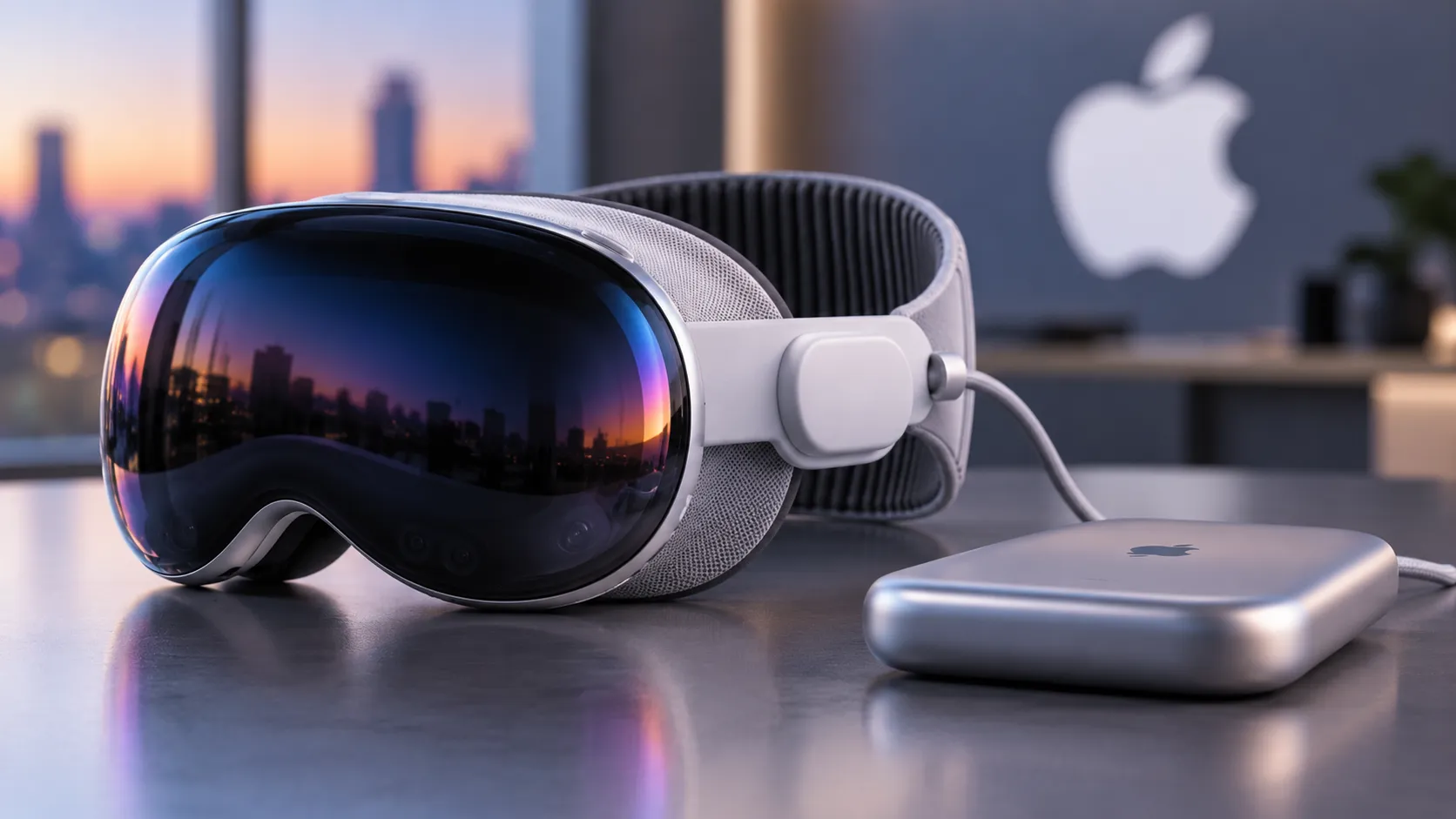
Drummond spent two and a half years building Pixi after managing the Apple team responsible for the Vision Pro's "Encounter Dinosaurs" demo, The Verge reported. His argument, drawn from that experience, is that upcoming AR glasses will face power constraints similar to smartwatches suited to notifications, not to the kind of reactive, context-aware entertainment Pixi is building, MWM reported. Smartphone compute, in Drummond's view, will remain essential to rich interactive AR for years. Pixi's design choices on-device processing, messaging-native distribution, no-install receiving follow directly from that hardware read.
That logic only compounds at scale. Right now, Pixi reaches only iPhone 11 and newer through iMessage. The company has stated plans to expand to Android and to WhatsApp and Instagram, which would substantially widen the number of people who could actually use it, TechCrunch reported. Getting there is the most consequential thing on the roadmap, because without cross-platform reach, Pixi runs into the same constraints that limit every iMessage-first product.
Further out, the company envisions a marketplace where studios, brands, and independent creators offer their own characters, with an eventual generative layer letting users prompt custom ones into existence. "I want a blue blob that threatens my friend and growls at them and keeps chasing them on the phone," Drummond described as one possible prompt, per TechCrunch. None of that exists yet. No brand deals have been announced. User-generated characters raise moderation questions the company hasn't addressed publicly. The vision is coherent on paper; the hard work is still ahead.
Can interactive AR experiences in iMessage become a habit?
Pixi Garden is available on the App Store today, the app is free, and receiving a character requires no installation. For a birthday, a celebration, or a friend who appreciates a small playful absurdity, there's already a clear use case.
The design philosophy build for the phone in everyone's pocket rather than the headset on no one's shelf is a considered counter to where most AR investment attention currently sits, and it comes from someone who helped build that hardware before concluding the phone is the better bet, MWM reported.
What today's launch can't answer is the only question that ultimately matters. Whether people send a second message will be a better measure of traction than launch-day novelty.




Comments
Be the first, drop a comment!