


When I first unboxed RayNeo's X3 Pro smart glasses, I'll admit I was skeptical. After years of disappointing wearable tech promises, I've learned to temper my expectations. But after spending a solid month putting these glasses through their paces—from navigating busy city streets to binge-watching content in bright sunlight—I can confidently say we're witnessing a genuine glimpse into the future of augmented reality. The question isn't whether the technology works (it absolutely does), but whether you're ready to pay premium prices for what's essentially a very expensive tech preview with some serious limitations.
These aren't your typical notification-displaying smart glasses. The X3 Pro delivers dual full-color MicroLED displays reaching 6,000 nits of peak brightness, making them genuinely usable even in direct desert sunlight. Running on Android-based RayNeo AIOS with Google Gemini AI integration, they represent the most ambitious consumer AR device I've tested. However, there's one critical flaw that fundamentally undermines their practicality: battery life that drains in around 30 minutes with continuous camera use.
The tech specs that actually matter
Let's dive into what makes the X3 Pro genuinely impressive from a hardware perspective, because the engineering here is legitimately remarkable. The glasses pack Qualcomm's Snapdragon AR1 Gen 1 processor with 4GB RAM and 32GB storage—more computing power than my first laptop had. This isn't marketing fluff; you can genuinely feel the processing capability when running complex AR applications or multitasking between navigation, translation, and media playback.
The display technology deserves special attention here. We're talking about 640 x 480 resolution displays offering a 30-degree field of view with 60Hz refresh rate, which creates surprisingly smooth visual experiences that don't induce the eye strain I've experienced with other AR devices. The typical brightness sits at 3,500 nits with peak brightness hitting 6,000 nits, transforming the fundamental challenge of outdoor AR visibility. This brightness superiority represents a crucial breakthrough—finally, AR glasses that work in real-world lighting conditions rather than requiring optimal indoor environments.
At 76 grams, these are definitely heavier than Meta's Ray-Ban glasses, but the weight distribution is well-engineered. I found them genuinely comfortable for extended wear—ironically, more comfortable than the battery life would allow for practical use. The frame geometry, weight distribution, and adjustable nose-pads create a surprisingly ergonomic experience that hints at how mature AR wearables might feel once power management catches up with hardware ambitions.
The camera system represents another highlight. The 12MP Sony IMX681 sensor with spatial camera capabilities captures 4K photos and 1440p video with surprisingly good quality for casual content creation. You can record up to 50 minutes of video in sessions up to 9 minutes each, making these genuinely useful for documentation and sharing experiences from your exact perspective.
Why the battery problem is actually devastating
Now here's where we need to talk about the elephant in the room, and it's a massive elephant. RayNeo's marketing lists multiple battery figures (e.g., up to 5 hours for light recording, 3 hours music, and much shorter continuous video times); real-world tests show far less for continuous camera use, but this is where marketing meets brutal reality. In my extensive testing, those optimistic numbers reflect standby time rather than actual usage scenarios that make smart glasses compelling.
The reality is far more limiting. Continuous camera use drains the battery in around 30 minutes, while general active use rarely exceeds one hour. What's particularly frustrating is that Google Maps navigation proved to be the worst offender for battery drain—exactly the killer app that makes smart glasses compelling in the first place. Imagine buying a sports car that can only drive for 20 minutes before needing a fill-up.
This limitation reveals the broader challenge facing AR hardware today: the computational demands of real-time display processing, computer vision, and AI inference create power requirements that current battery technology simply can't sustain in a wearable form factor. While charging takes about 45 minutes via USB-C, you'll spend nearly as much time tethered to a cable as actually using the device. This creates a fundamentally broken user experience where you're constantly managing power rather than enjoying the technology.
During one particularly realistic test scenario, the battery ran out in about 40 minutes during normal activities involving finding a place to eat, taking photos, and listening to music. That's not edge-case stress testing—that's typical use that any consumer would expect from a $1,300 device.
The software experience: impressive but incomplete
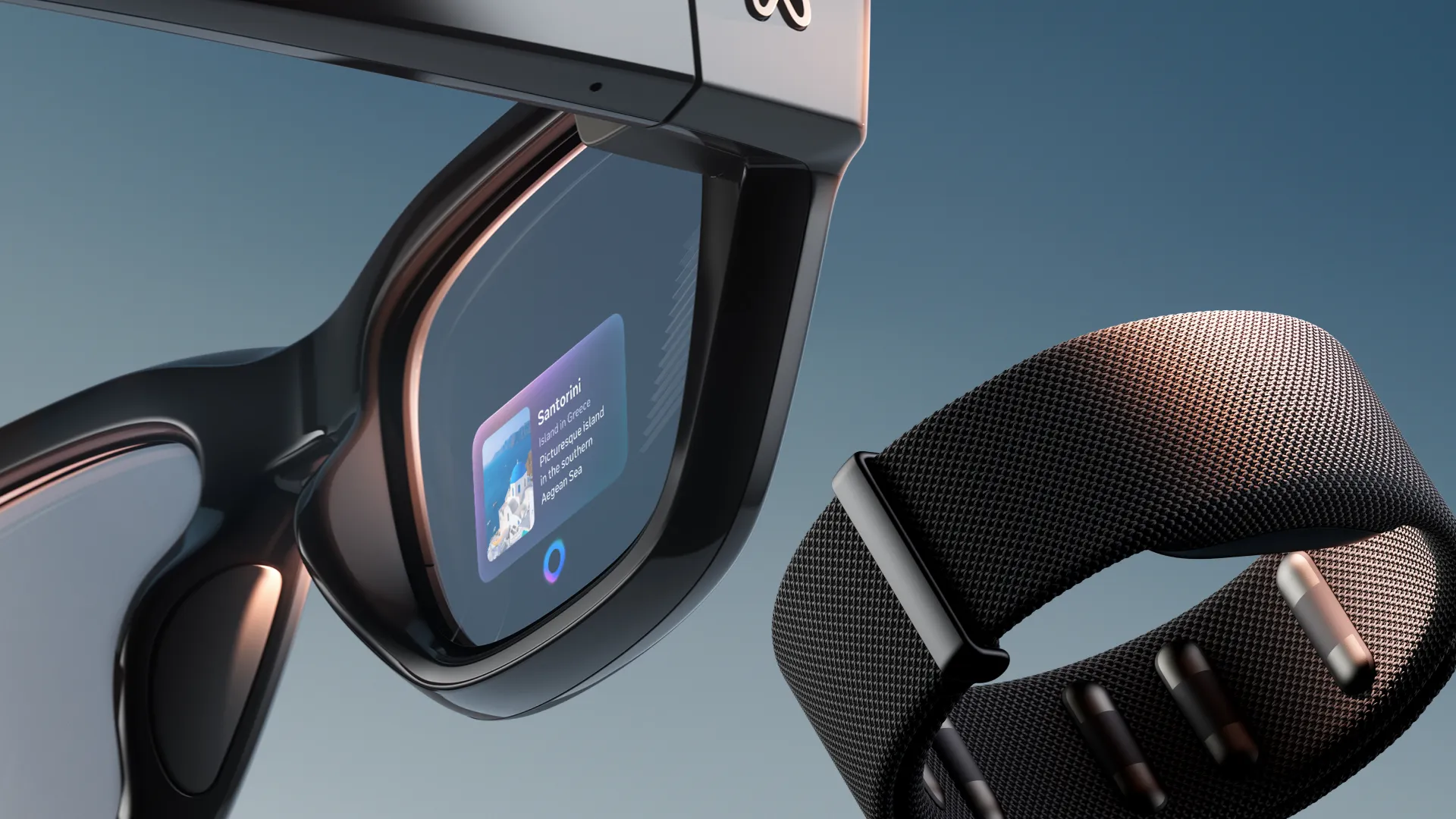
Despite the power limitations, I have to acknowledge that the software capabilities genuinely deliver on the AR promise when they work. The glasses support real-time translation across 14 languages with impressive accuracy, and the heads-up navigation overlays for walking and biking create exactly the sci-fi experience we've all been waiting for. The Google Gemini integration responds to "Hey RayNeo" voice commands and provides genuinely helpful contextual information about your surroundings.
The interface design deserves credit for being surprisingly intuitive. Navigation uses touch panels in both arms, with the right side controlling menus and features, and the left for volume and media playback. While the touch controls can be overly sensitive, often registering inputs before your finger makes contact, you adapt to this quirk relatively quickly.
However, the software ecosystem reveals significant maturity gaps. While the glasses run on an open Android system supporting apps like TikTok, YouTube, and Instagram, installing third-party applications requires complex sideloading through Android Debug Bridge. This technical barrier effectively locks most users into the pre-installed applications, which, while functional, feel limited compared to the rich ecosystems we expect from modern devices.
Even more concerning, smartphone integration remains inconsistent. There's little integration with your phone; you can't download pictures directly to your gallery or fire up the music player from your glasses. Additionally, syncing AI recordings, images, or videos over to an iPhone has been unsuccessful, though it works flawlessly on Samsung Galaxy devices. This suggests fundamental compatibility challenges that undermine the seamless integration users expect from premium wearables.
Design challenges that can't be ignored
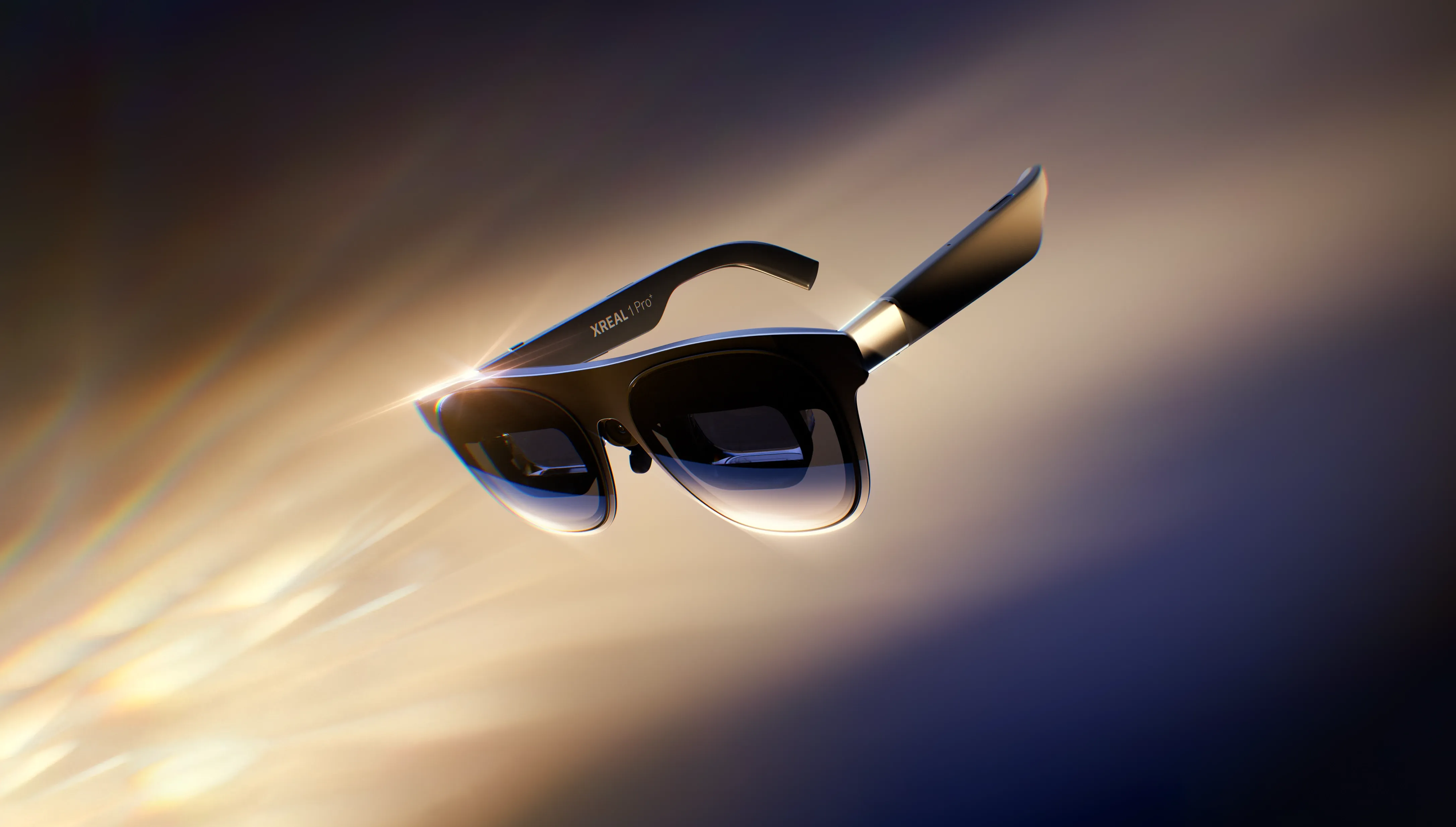
Let's address the aesthetic elephant in the room: these glasses look unmistakably like prototype hardware. The frames are almost entirely plastic with visible cameras centered on the bridge and noticeable protrusions near the temple hinges housing the projectors. While they're engineered for comfort, the aesthetic screams "early adopter tech gear" rather than fashionable eyewear that could achieve mainstream acceptance.
The functional design challenges extend beyond appearance. The display positioning sits quite low in your field of vision with no adjustment options available in settings, requiring you to adapt your posture rather than customizing the display to your preferences. This creates an awkward viewing experience that highlights how much refinement is needed for truly consumer-ready AR glasses.
The build quality presents mixed signals. While the overall construction feels solid, the buttons have a cheap feel and rattle, which is particularly frustrating at this price point since you hear it every time you tap the frame to navigate. The plastic construction is prone to fingerprints, requiring constant cleaning to maintain a professional appearance.
Where do we go from here?
The RayNeo X3 Pro represents both the remarkable potential and current limitations of consumer AR technology. At $1,299 (or $1,099 with early-bird pricing), these glasses cost significantly more than Meta's Ray-Ban Display at $799, positioning them firmly in premium territory where expectations run high and compromises feel particularly frustrating.
The hardware genuinely delivers breakthrough capabilities that justify excitement about AR's future. The display technology offers superior brightness compared to competitors, the AI capabilities genuinely enhance daily tasks, and the overall computing experience provides a legitimate preview of our AR-enhanced future. When everything works together seamlessly, you experience genuine moments of "this is the future" that make all the compromises feel worthwhile.
However, the combination of limited battery life, complex app installation requirements, and premium pricing creates a product experience that targets a very specific audience. These glasses succeed brilliantly as a technology demonstration for enthusiasts willing to accept significant trade-offs in exchange for early access to advanced AR capabilities.
The reality is that until fundamental advances in battery technology, miniaturization, and software ecosystem maturity occur, devices like the X3 Pro will remain fascinating glimpses into the future rather than practical daily tools. For technology enthusiasts with $1,100 to spare on bleeding-edge experiences, the X3 Pro offers genuine value as an early look at where smart glasses are headed. For mainstream consumers, this serves as an encouraging sign that the AR future is closer than we might have thought—we just need to be a bit more patient for the technology to fully mature.
These glasses prove that the technical challenges of creating compelling AR experiences are largely solved; what remains is refining power management, software ecosystems, and industrial design to meet mainstream consumer expectations. That's actually encouraging news for the future of augmented reality wearables.


Comments
Be the first, drop a comment!