


Unreal Engine 6 Announcement: Big Reveal, Few Technical Details
Epic unveiled Unreal Engine 6 this weekend not at GDC, not at a developer summit, but during the semi-finals of an esports tournament. The Rocket League Championship Series Paris Major was the venue. A brief clip of shinier cars, cinematic camera angles, the phrase "new era," and a first look at the UE6 logo was the substance, per PC Gamer. TheGamer noted there was no hint at when the Rocket League migration is actually coming.
That absence is the story. The Unreal Engine 6 announcement is real, the footage is striking, and Epic's platform ambitions are coherent. But branding and footage are not technical documentation, and the questions that actually matter for engine decisions especially for XR teams, where frame consistency is a functional threshold, not a quality preference remain entirely unanswered. Ambition announced without evidence deserves a measured response, not adoption momentum.
What the Unreal Engine 6 announcement actually showed
Epic chose Rocket League as its UE6 debut for an obvious reason: Rocket League has been running on Unreal Engine 3 since its 2015 launch, the same technology that powered much of the Xbox 360 generation, as PC Gamer put it, "truly ancient" by current standards. That aging foundation has undoubtedly hampered Psyonix's ability to update the game as regularly as they'd have liked, according to TheGamer. The player base has been anticipating this migration for years.
So when the trailer dropped during the semi-finals, the crowd was already primed. The footage described as near-photorealistic by TheGamer and featuring cinematic angles of in-engine gameplay per PC Gamer is visually striking. But the comparison doing the heavy lifting is UE3 versus UE6, not UE5 versus UE6. Jumping across three major engine versions guarantees visual improvement. It tells you very little about what UE6 specifically offers over the engine most developers are actually working in today.
There's also a basic representativeness question the coverage doesn't resolve. The available reporting describes the footage as "in-engine gameplay," but neither outlet clarifies whether this is interactive real-time output, a curated demo running under controlled conditions, or something between. That distinction matters enormously to anyone using the trailer as a data point.
The showcase was optimized for audience response, and it succeeded. That's a different goal than developer evaluation, and the announcement makes more sense once you recognize which one Epic was solving for.
The technical debt UE6 needs to answer for
Unreal Engine 5 has a stutter problem. The reputation is widespread enough that 80.lv reported on Epic's own engineers publishing a detailed blog post about it early last year, explaining the mechanics of shader compilation stutter and their mitigation efforts.
The short version: when a game engine encounters a shader it hasn't compiled yet, it compiles it on the spot, stalling the GPU mid-frame. The fix Epic developed PSO precaching, introduced in UE5.2 for dynamic worlds and user-generated content pre-compiles shaders before they're needed. But the system is partial by design. Global shaders used in effects like motion blur can't be fully precached the same way compute shaders can. Graphics shaders face similar constraints. And the PSO cache itself can grow large enough to become a memory concern on machines without sufficient RAM, per the same 80.lv report. As of that disclosure, tools to manage memory impact and automate cache retention decisions were still described as in development.
The engineers were transparent. Epic recognized the problem, built a partial fix, and acknowledged the remaining gaps. That's fine as far as it goes. The issue is that nothing in the UE6 announcement, and nothing in either outlet's coverage of it, addresses whether these problems have been resolved, deprioritized, or simply inherited. A new version number doesn't carry patch notes by default.
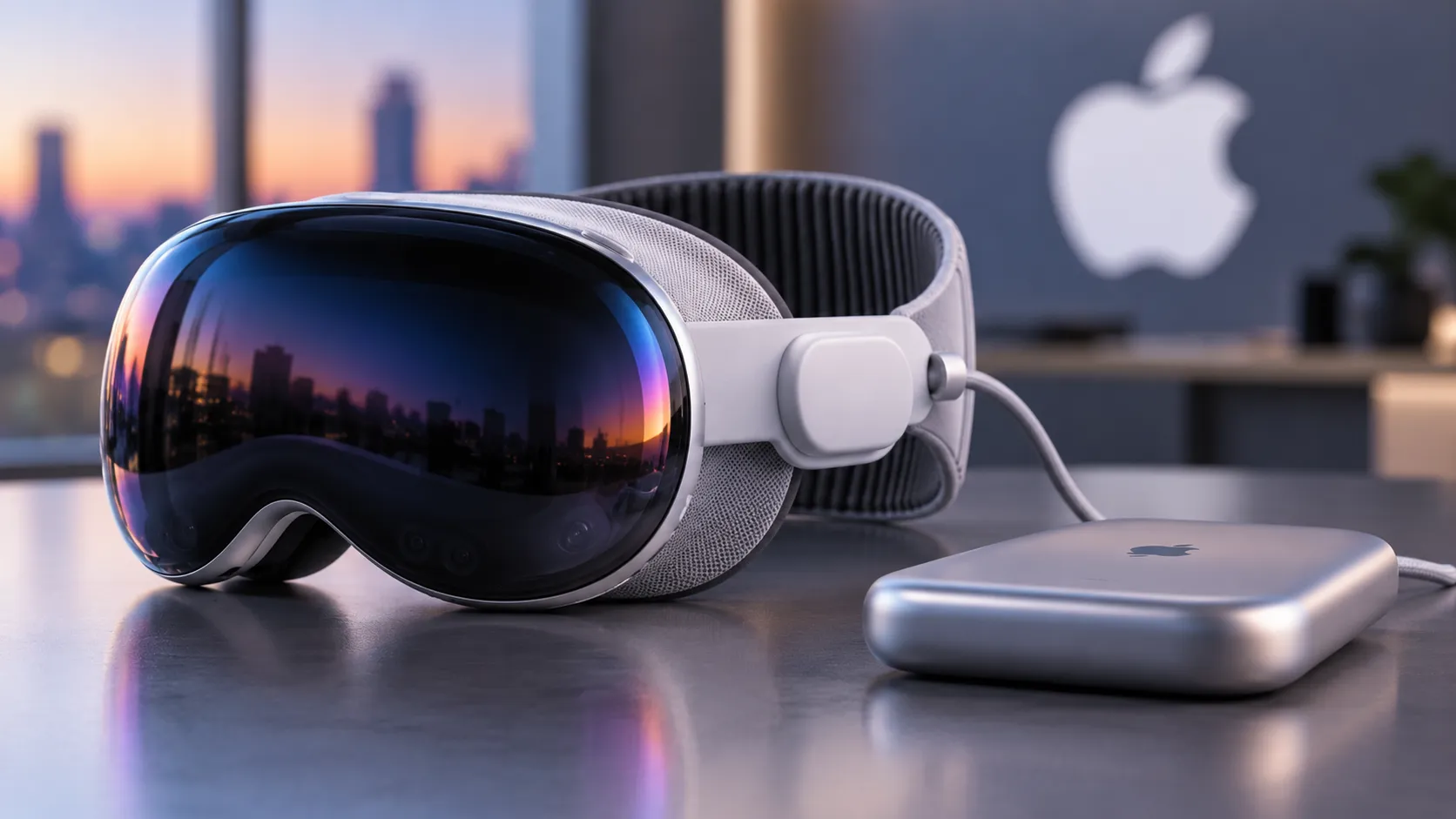
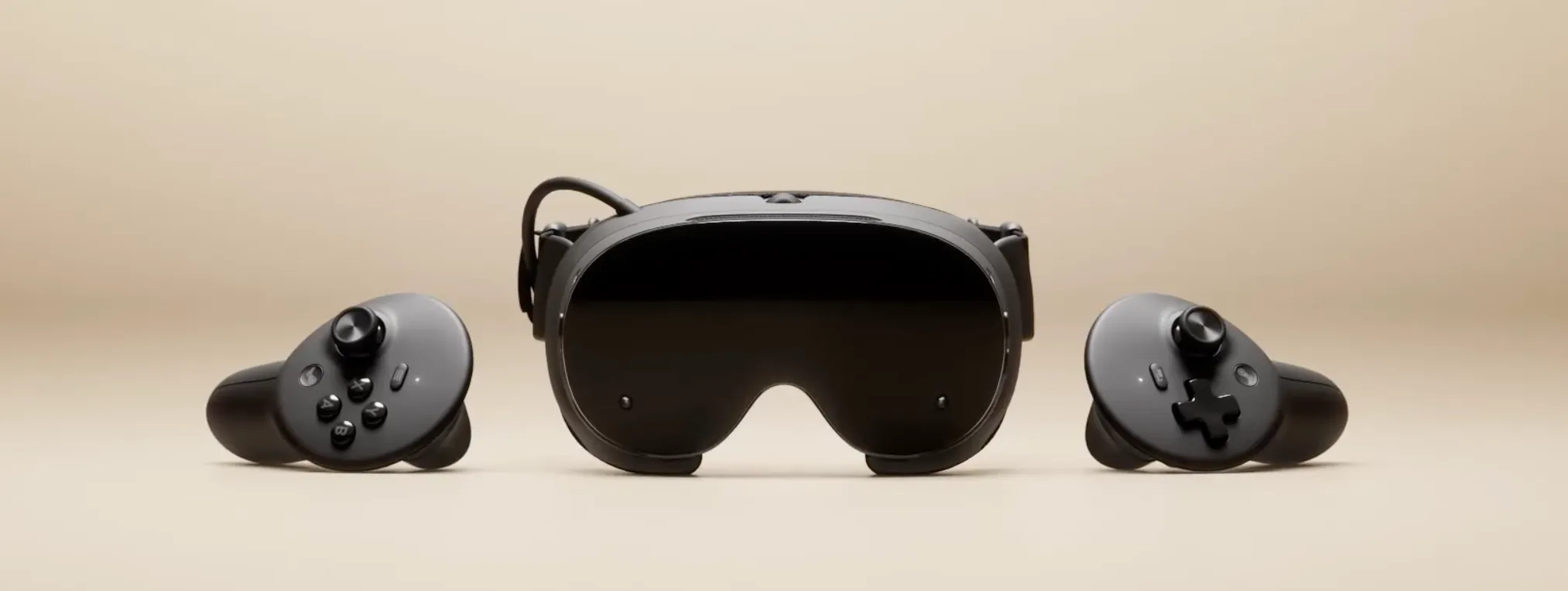
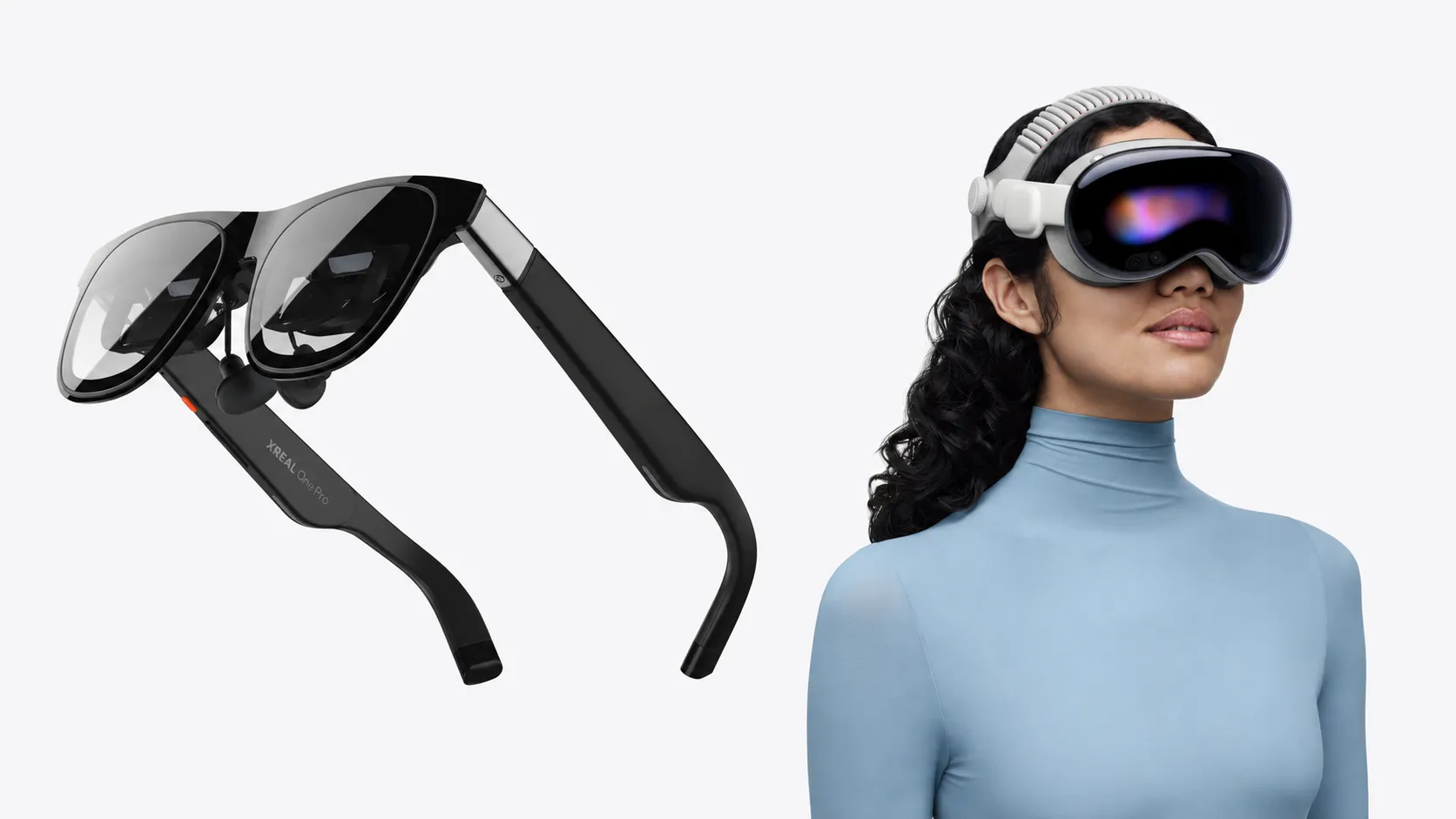
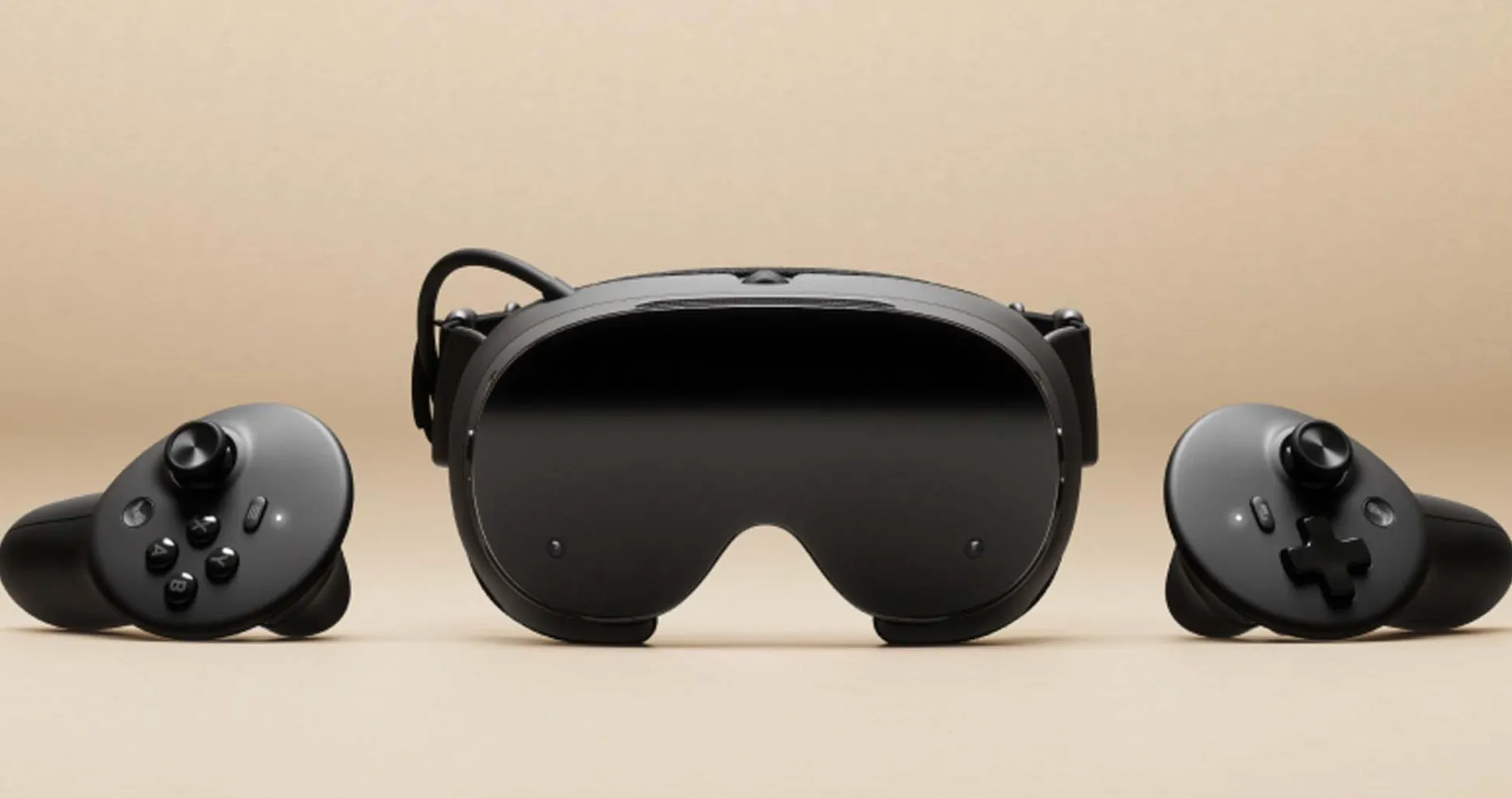
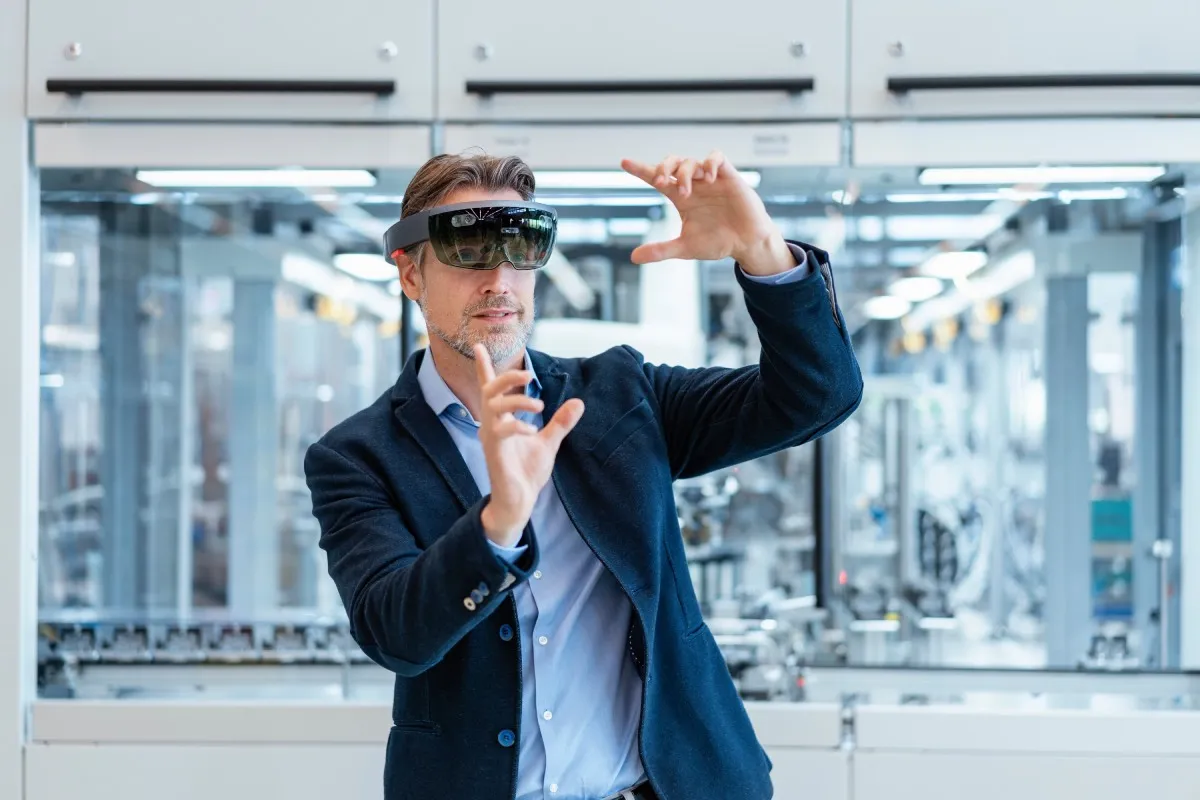
For XR developers, this is where the stakes stop being theoretical. In a flat-screen game, a frame hitch is an annoyance. In VR or mixed reality, it breaks immersion and, depending on severity, causes physical discomfort. Frame pacing in headset-targeted development isn't a polish concern it's a pass/fail condition. Any serious engine evaluation for XR needs frame pacing benchmarks, latency targets, and memory efficiency data under representative load. None of that exists publicly for UE6 yet.
What Epic is actually pitching
The Rocket League trailer is the surface layer. The deeper argument Epic is making with UE6 goes back to 2024, when Tim Sweeney described Fortnite's status as a platform for independent developers and interoperable games as the model for what UE6 should enable at larger scale, per PC Gamer. This is an infrastructure pitch as much as a rendering one.
The supporting evidence Epic offers is Fortnite's own migration from UE4 to UE5, which PC Gamer notes happened without disrupting its digital economy. That's a real data point. It's also a best-case scenario: Epic migrating its own flagship title, with complete access to the engine source, no external stakeholder pressure, and a long preparation timeline. It's not a template that transfers cleanly to a third-party studio mid-production.
For XR teams building persistent, multi-user environments, the platform vision is legitimately interesting. Cross-experience identity, creator economies, and interoperability handled at the infrastructure level could matter more than any specific rendering feature. But interesting vision and working implementation are different categories, and the current public record sits entirely in the first one.
The counterargument worth sitting with: engine generations do produce real, discontinuous capability jumps. If UE6 delivers concrete improvements on memory efficiency, frame pacing, and XR-specific performance, skepticism like this will age badly. That's a genuine possibility. It's also not evidence, and the XR industry has a long memory for platform promises that took years to deliver, or didn't.
What should actually change your assessment
The UE6 announcement is real. Rocket League's future will be on the new engine, as TheGamer reported. Sweeney's platform ambition has been stated consistently. These are legitimate starting points, not nothing.
But the threshold for changing an engine evaluation posture is higher than a logo reveal at an esports broadcast. Specifically, what should move the needle:
- Technical documentation, not marketing copy
- A developer preview program with access timelines
- Supported platform and hardware target lists
- Frame pacing and memory benchmarks under realistic load conditions
- Explicit XR hardware targets, if Epic is positioning UE6 for headset development
- A concrete answer to whether UE5's acknowledged shader stutter and memory overhead issues have solutions in UE6, not continued workarounds (80.lv laid out what "not fully solved" looked like in early 2025; that's the baseline to beat)
One signal worth watching: if the next major UE6 update is another cinematic trailer rather than developer documentation, that tells you something real about where the engine is in its readiness cycle. TheGamer noted no timing information was attached to this announcement. What follows it matters more than the announcement itself.
Epic Games Unreal Engine 6 deserves attention. A version number reveal with no specs, no timeline, and no acknowledgment of inherited performance problems is a marketing event. Follow it with interest. Evaluate it when the evidence arrives. Don't let a well-produced trailer substitute for the technical due diligence that Epic hasn't done publicly yet.


Comments
Be the first, drop a comment!