


Virtual Taekwondo at the Asian Games: Access, Risks, and Limits
Last week, the Olympic Council of Asia granted virtual taekwondo full medal status at the Aichi-Nagoya Asian Games, making it the first VR-based martial art to earn that recognition, The Korea Herald reported. The announcement landed with the usual institutional fanfare. But the medal status is almost a distraction from the more interesting question: what problem does virtual taekwondo actually solve, and for whom?
The answer matters because the sport is navigating two real pressures at once. A peer-reviewed analysis of more than 40 studies published in Quality in Sport earlier this year confirmed that combat sport injury rates are rising and affect practitioners at every level, not just elite competitors. In taekwondo specifically, the characteristic pattern is lower-limb injuries, mainly to the knees, with joint sprains and dislocations the most common type. Those are the injuries that end competitive careers and make cautious parents reluctant to sign up their children. Simultaneously, The Korea Herald noted that falling birth rates are threatening the viability of taekwondo dojos, shrinking the traditional membership base from both ends.
Virtual taekwondo addresses both pressures at least in theory. It removes physical contact from competition, which eliminates one meaningful barrier to participation. Whether that's enough to sustain a sport, and who it actually serves, is a harder question than the institutional announcements tend to acknowledge.
How virtual taekwondo works at the Asian Games
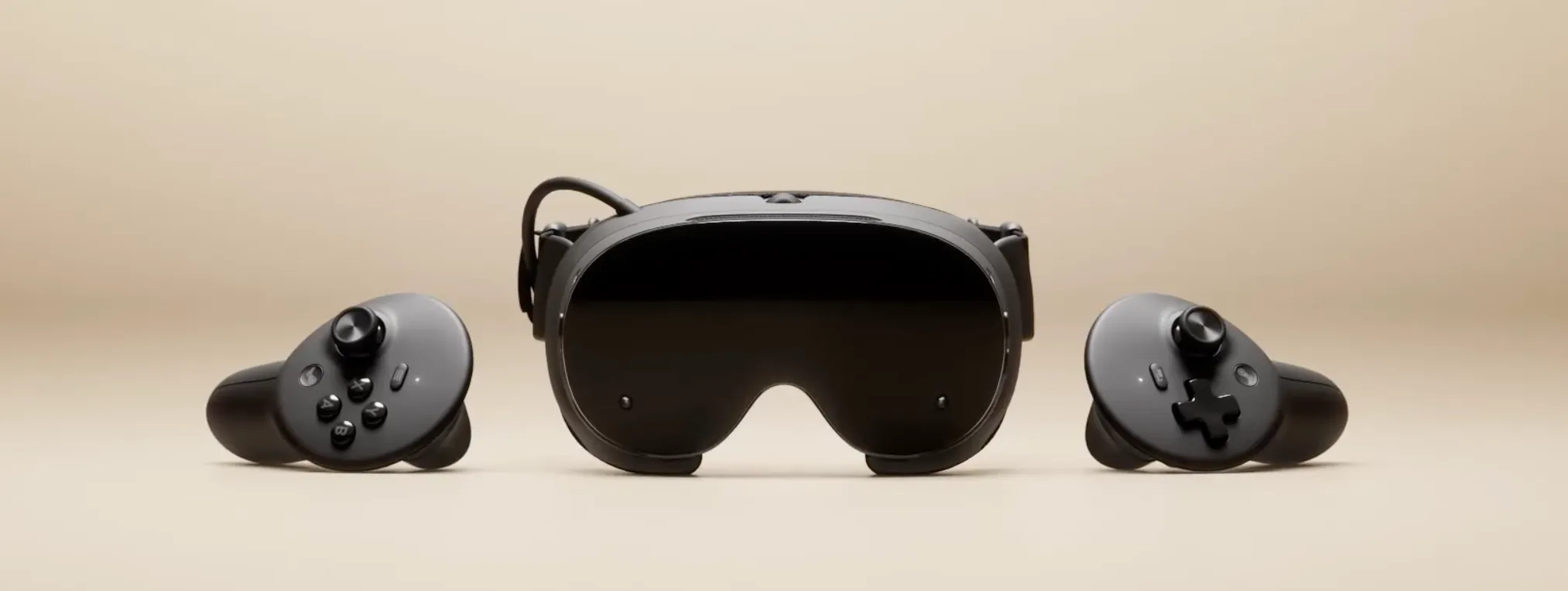
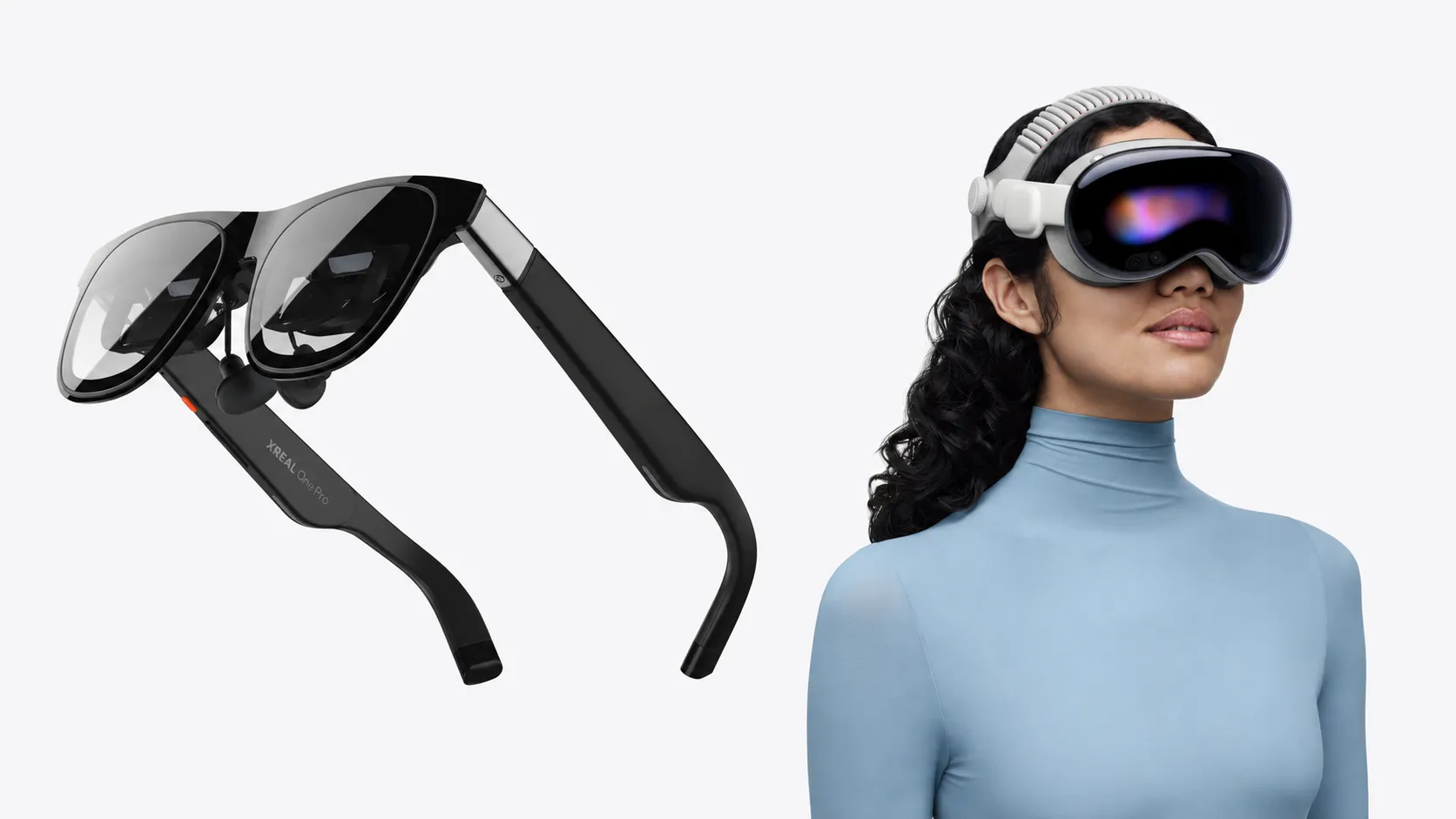
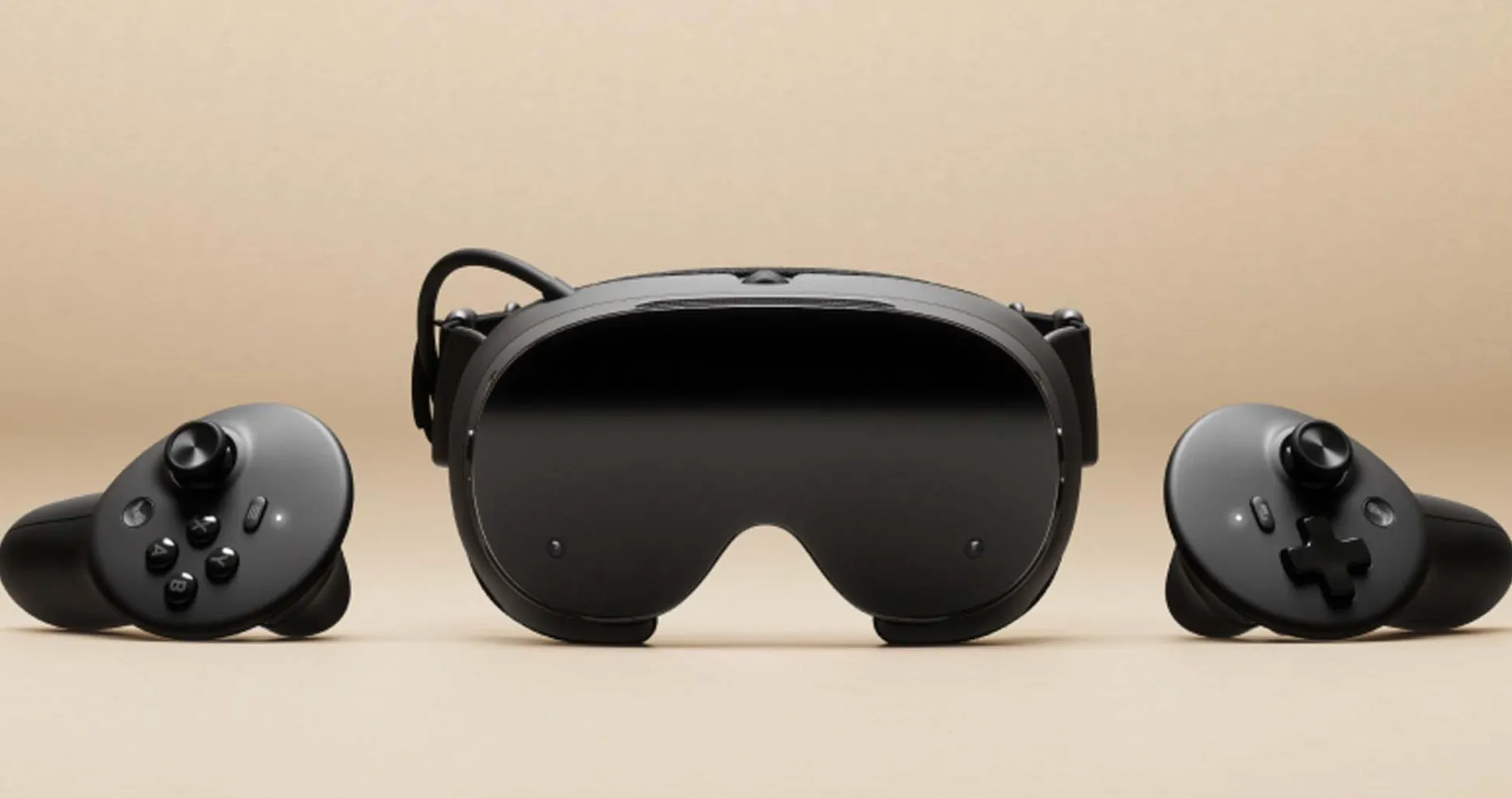
The setup is more hardware-intensive than most people expect. Each competitor wears a VR headset and five body-mounted motion-tracking nodes: one on the back for upper-body movements, two on each leg to register kicks. They hold joysticks for blocking. Bouts run as three 60-second rounds in a shared 4x4 meter physical space, with outcomes determined by accumulated virtual strike data. A display screen shows competitors' avatars in a digital arena, health bars and all, as The Korea Herald described. The underlying platform, VTKD, was built by Singapore-based Refract Technologies in partnership with World Taekwondo, per The Straits Times, with every movement tracked and replicated in real time, CNBC reported.
The physical demand is genuine. Refract's founder told CNBC that three rounds leave athletes spent. One Malaysian competitor described the intensity as greater than traditional sparring: without a physical threat to manage, players kick continuously from the opening second rather than reading and waiting. After a showcase bout, The Straits Times noted the same competitor needed recovery time and was visibly sweating throughout. The format removes contact. It does not remove exertion.
Running a competition station is a different matter than strapping on a headset. A full setup headsets, nodes, screens, gaming laptop runs between RM25,000 and RM30,000 in Malaysia, requires WiFi 6 or faster connectivity, and depends on certified technicians who have roughly one minute to calibrate equipment between bouts, according to coaches interviewed by The Straits Times. This is sport infrastructure with real operational dependencies. That distinction becomes important when weighing how broadly accessible the format actually is.
Who virtual taekwondo opens the door for
The clearest case and the most defensible is for competitors who have sustained injuries and cannot risk returning to contact sparring. Because opponents' strikes never physically land, the mechanism behind taekwondo's most common injuries is simply absent from the competition environment. A Malaysian practitioner who had been sidelined by injury returned to competition specifically through VR for this reason, The Straits Times reported. The Quality in Sport analysis confirms these injuries are common across all competitive levels and trending upward, so the population that benefit serves is not a small one.
The case for children is moderately strong, though it rests more on practitioner testimony than enrollment data. A university-level taekwondo coach told The Straits Times that parents who decline to enroll children in contact sparring show considerably more openness to VR competition. An introductory session for children as young as five produced higher kick volumes than traditional drills the game mechanics rewarded repetition in a way that made training feel purposeful rather than rote. That's a real entry-point advantage regardless of whether those children ever go on to compete formally. It offers a low-stakes environment to build technique and confidence before anyone has to decide about physical contact.
The bracket changes are structurally interesting and harder to evaluate. Traditional taekwondo separates athletes by gender and weight because of the physical risks created by contact. Remove contact, and the safety rationale for those divisions weakens considerably. World Taekwondo confirmed that virtual competition at the Asian Games will carry no gender or weight classifications: any male or female competitor aged 17 to 35 can be matched against each other, The Korea Herald reported. Malaysian coaches described mixed-gender bouts as straightforward in practice, with age categories replacing the contact-based brackets, per The Straits Times. A former World Taekwondo champion told CNBC that athletes of entirely different builds could compete in the same category. Whether that's competitively fair in practice not merely physically safer is a question the evidence doesn't yet answer.
Two things the participation case does not yet establish: the 17–35 age cap means the "anyone can compete" framing that some sources use is overstated. It's a wider bracket. It's not universal access. More importantly, no study has measured actual injury rates in VR taekwondo competition or compared them against traditional sparring. The format removes direct impact but introduces its own variables: overuse from high-volume kicking, falls during immersive play, and accidental physical contact between competitors sharing the same four-meter space. The safety argument is logically sound and supported by practitioner testimony both legitimate forms of evidence but not the same as comparative injury data.
VR also functions as a training tool independent of competition. Malaysian coaches were consistent on this: virtual taekwondo supplements traditional training rather than replacing it, The Straits Times reported. Real-time motion tracking lets coaches analyze technique in ways that a traditional mat doesn't easily support. The fastest recorded VR knockout in Malaysian competition a 14-year-old finishing a bout in 10 seconds, per The Straits Times hints at what speed and reflex development in the format might look like, though a single anecdote isn't evidence of broader performance carryover. Academic work from the Journal of World Society of Taekwondo Culture in early 2024 framed VR taekwondo as the foundation of a new digital training culture and a possible model for sport industrialization ambitious framing, but a coherent direction given the motion-data infrastructure already in place.
Real governance, unproven demand
World Taekwondo's push toward virtual competition is not solely about safety or inclusion. It's partly about survival. The sport has faced recurring pressure to demonstrate relevance to younger audiences, and Los Angeles 2028 sharpens that pressure given the IOC's interest in engaging a North American youth market that doesn't organically follow Olympic martial arts, Linea Laterale reported in March. Declining birth rates compound the problem at home: fewer children means fewer dojo memberships, The Korea Herald noted. Virtual taekwondo is, in part, a hedge against both.
The governance investment is substantial and well advanced. Earlier this year, World Taekwondo signed a memorandum of understanding with the Taekwondo Promotion Foundation to designate Taekwondowon in South Korea as the first Virtual Taekwondo Central Training Center, offering certification programs for competition operators, officiating development pathways, an amateur league, and structured global training, Linea Laterale reported. The format's competition history confirms it's past the pilot phase: the first World Taekwondo Virtual Championships ran in Singapore in 2024, a Malaysian inter-university tournament in 2025 drew 19 competing teams, and virtual taekwondo appeared as an invitational event at the Olympic Esports Series 2023, per The Straits Times and Linea Laterale.
The audience side of the equation is a different story. Virtual taekwondo has operated in various forms since at least 2020 and has not generated a meaningful esports audience in that time, Linea Laterale noted. No independently audited viewership figures, sponsorship data, or audience demographics have been published for any of its events. The certification structure, the training center, the Asian Games medal status these create legitimate competitive pathways. They do not automatically fill a broadcast audience. Governance solves the competition architecture problem. Spectator demand is a separate problem, and treating them as the same thing is how a promising format becomes an overhyped one.
What the evidence supports, and what it doesn't
Virtual taekwondo's most defensible value is as a lower-barrier entry point for people contact sparring currently excludes or discourages: injured athletes who cannot risk reinjury, children whose parents won't approve physical sparring, and competitors who would never qualify under traditional weight and gender brackets. These are not hypothetical groups. The injury data is real and worsening. Early institutional and practitioner uptake in Malaysia, combined with organized competition dating to at least 2020, confirm the appetite exists. The format has moved from experiment to recognized sport.
Two limits deserve more scrutiny than the institutional announcements tend to give them. The safety case is logically solid but empirically unmeasured and the format introduces physical risks of its own that haven't been studied. The access promise is structurally constrained by hardware costs between RM25,000 and RM30,000, connectivity requirements, and certified technicians, per The Straits Times. The barrier shifts from injury risk to equipment cost. For a format promoted as broadening access, that tradeoff warrants honest accounting.
The Aichi-Nagoya Asian Games will be virtual taekwondo's most visible test. But the more important signals will be quieter: whether enrollment holds after the novelty fades, whether dojo adoption spreads beyond early-adopter coaches, and whether any comparative injury data eventually emerges. Those figures, not the medal count, will determine whether virtual taekwondo becomes a durable on-ramp to combat sports or a well-governed experiment that never quite reached the people it was designed for. The case for it is real. The verdict isn't.




Comments
Be the first, drop a comment!