


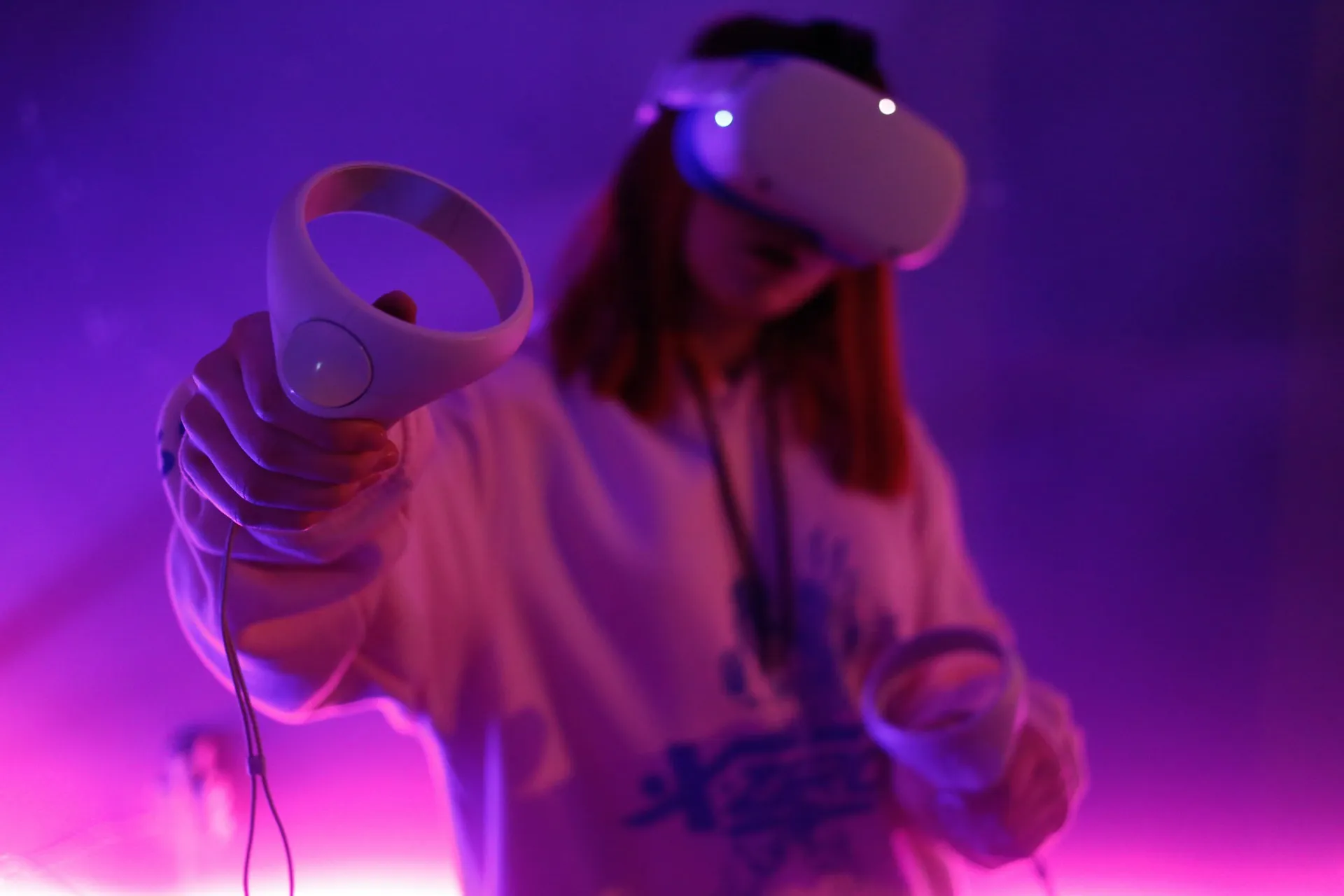
A structured VR mindfulness program tested in school and community settings produced clinically meaningful anxiety reductions in more than four out of five adolescent participants, according to peer-reviewed findings published last December. The result is specific, the methodology is real-world, and the effect size is large. It is also, at this point, one study.
That distinction matters for any school weighing a headset purchase. The evidence that VR can reduce student anxiety is peer-reviewed and meaningful. The evidence that VR addresses attention problems in classroom settings is early, narrower, and rests on a different foundation entirely. Those are two separate claims, and treating them as equivalent is where the trouble starts.
Educational VR has expanded since COVID-19, with research published earlier this year noting a growing focus on mitigating the psychological effects of isolation alongside academic outcomes. But the evidence base for using VR headsets in schools for student stress remains thin: one well-tested school and community study, and early clinical guidance from the American Academy of Pediatrics.
What a school VR mindfulness program actually showed
The study evaluated SpiritVR Journey, a self-guided, six-session program built to develop relaxation, present-moment awareness, and emotional regulation in young people. It ran in real-world school and community environments, not a controlled lab, which makes the findings more directly relevant to practitioners. The 53-participant sample was drawn from both settings; however, not exclusively from classrooms, a distinction worth keeping in mind when extrapolating to K-12 adoption, according to the study.
The numbers are hard to dismiss. Anxiety scores on the GAD-7 dropped between 4.56 and 5.39 points per session, with an overall mean improvement of 4.88 points, the study found. At the individual level, 82.1% of participants achieved what researchers defined as clinically meaningful improvement: a reduction of four or more points from baseline to final session. The overall effect size was Cohen's d = 2.06, which the researchers described as very large.
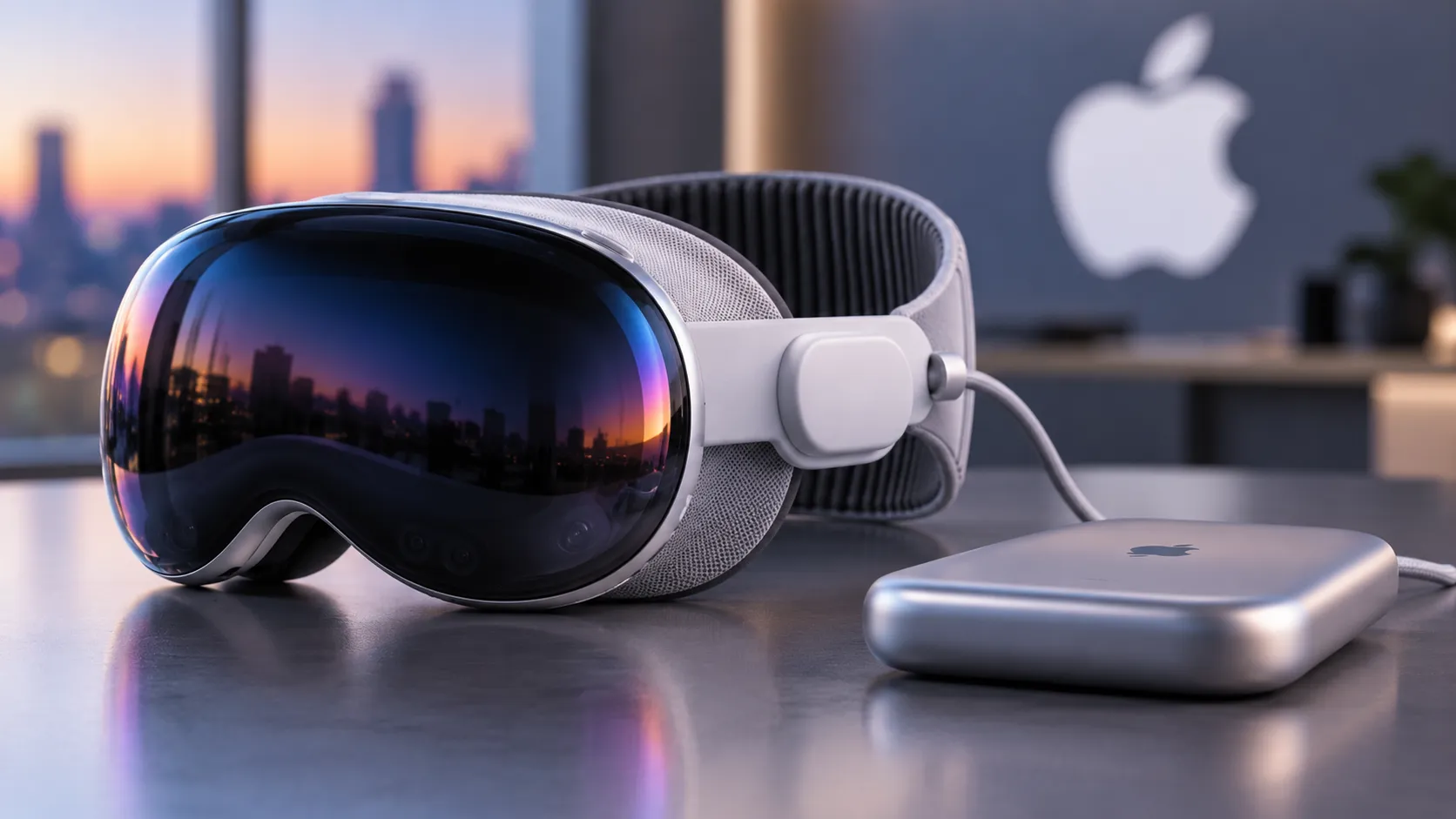
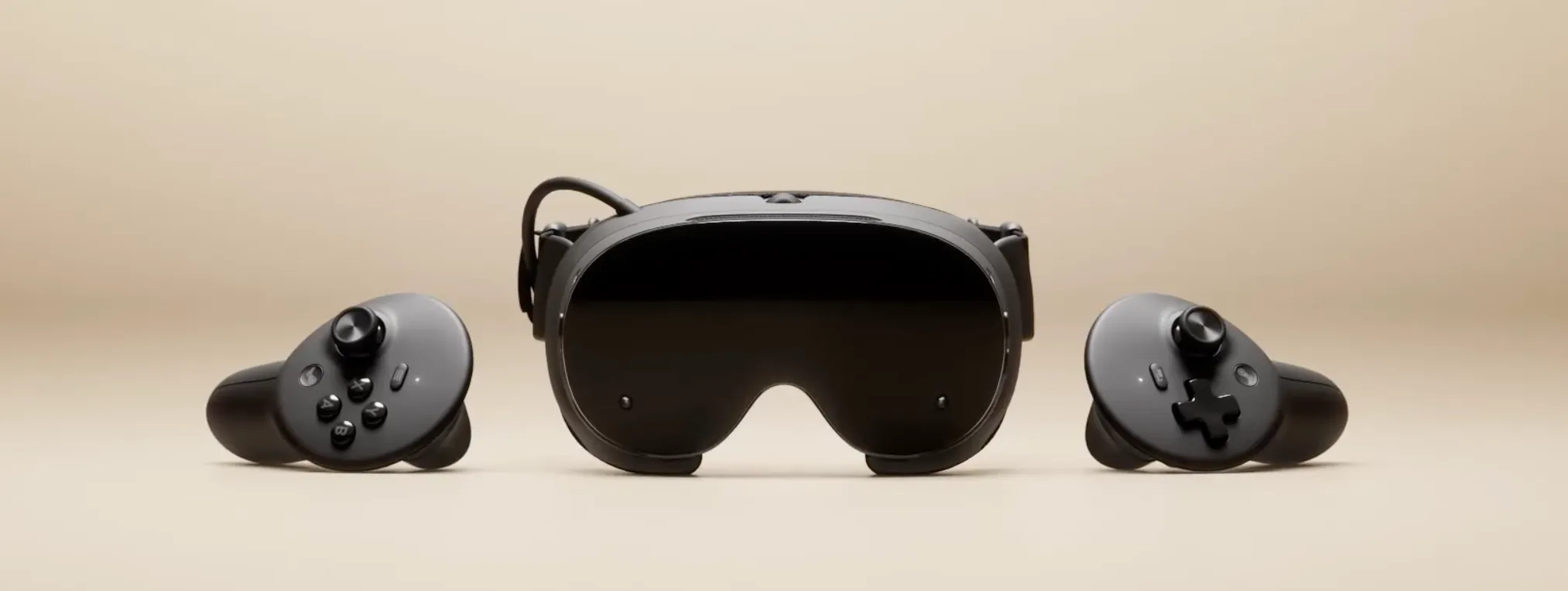
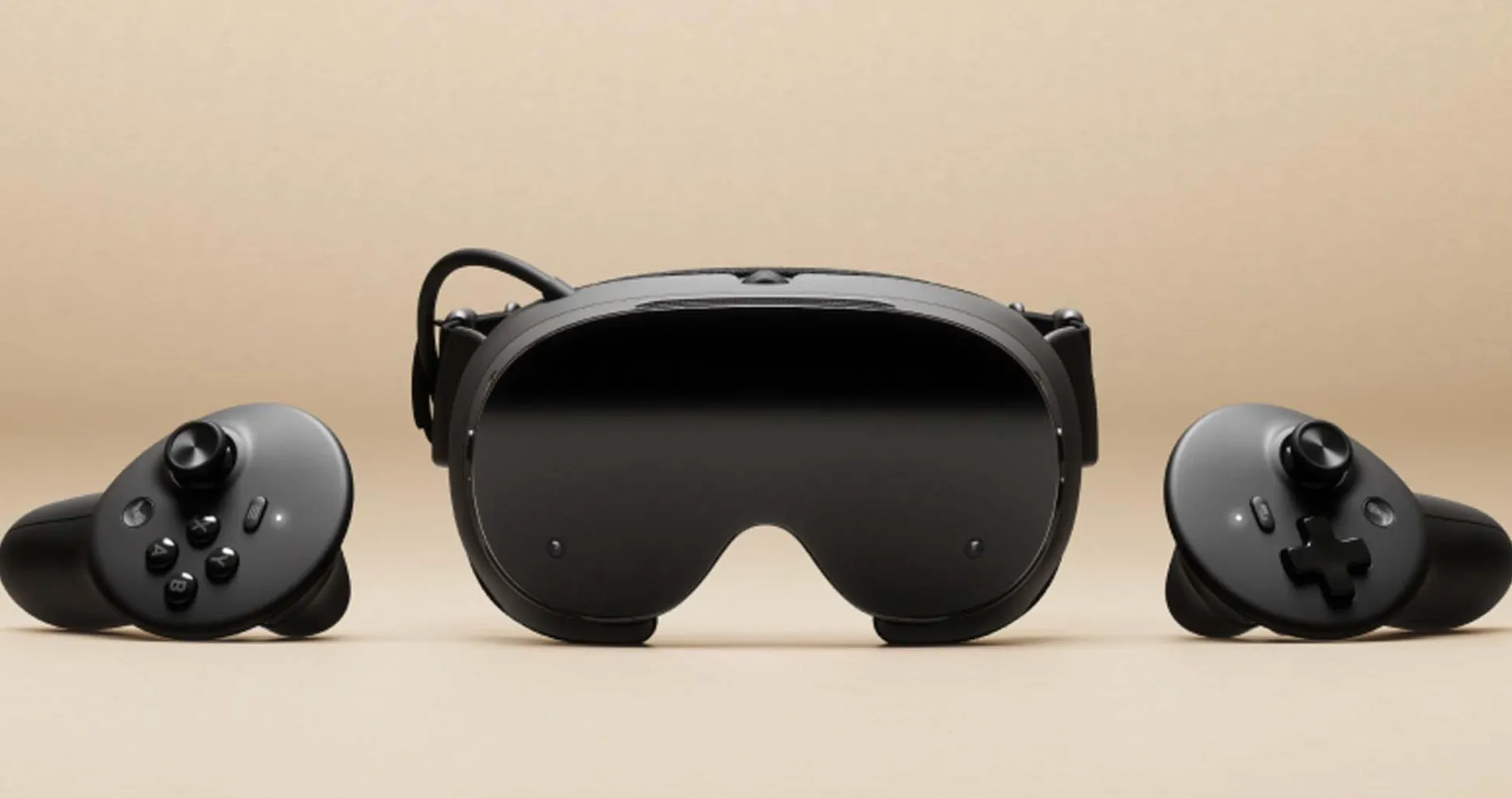
The program ran on Meta Quest 2 headsets using software built in Unreal Engine, consumer hardware on a commercial development platform. That makes the delivery model replicable in principle, without requiring custom infrastructure. Researchers concluded the intervention was feasible, acceptable, and impactful for reducing adolescent anxiety in real-world settings, per the study. The sample skewed roughly two-to-one male, 68% to 32% female, which limits how confidently those results transfer across populations.
The study examined short- to medium-term effects. Whether the anxiety reductions hold weeks or months after the program ends remains an open question, and it is a consequential one for any school framing this as a therapeutic rather than a one-off intervention.
The attention argument: what the evidence supports and where it runs out
The case for VR addressing student attention problems draws on a different and weaker evidence base. In guidance published earlier this year, the American Academy of Pediatrics said there is some evidence that VR-based therapies may help improve cognitive functioning, attention, and memory in children with ADHD. The AAP also noted that rehearsing skills in VR may reduce the sense of overwhelm when applying those skills in real situations. That guidance is specific to ADHD therapeutic contexts. It does not extend to general classroom focus or attention management across student populations.
The SpiritVR Journey researchers noted that the program's structured, immersive format may benefit young people with attentional difficulties or those who struggle with abstract therapeutic conversations, per the study. That observation was qualitative. Classroom attention was not a measured outcome.
The gap between "some evidence for ADHD-specific therapy" and "VR improves student concentration" is real, and it is where procurement decisions tend to go sideways. A school purchasing headsets on the strength of attention-related claims will find the current research does not support that use case.
What schools need before this becomes a real intervention
The researchers identified three conditions for broader feasibility: access to VR hardware, trained facilitators, and setting-specific implementation support, according to the study. Each carries a real cost. None is priced out in the current evidence.
The evidence base also lacks cost comparisons. There is no data measuring VR mindfulness against lower-cost alternatives such as app-based programs or school counseling, and no measures of academic or behavioral outcomes beyond anxiety reduction itself. That is not a flaw in the study, which was designed to test feasibility and anxiety outcomes. But it is a gap that matters for schools trying to justify a hardware budget.
Post-COVID demand for tools addressing student psychological well-being has grown, with research from earlier this year documenting VR's expanded role in socio-emotional education. The infrastructure to support that demand, trained staff, hardware, and equitable access, has not automatically followed.
A school with existing mental health infrastructure, staff capacity to train facilitators, and a population of students with elevated anxiety symptoms is a plausible early adopter. A school looking for a low-overhead attention fix is working beyond what the data currently supports.
Where the research goes from here
The anxiety signal from SpiritVR Journey is real: 82.1% of participants showed clinically meaningful improvement across six sessions, using consumer hardware and a self-guided protocol, according to the study. That is a meaningful result. It is also a starting point, not a settled case.
The AAP's acknowledgment of VR's potential for ADHD-related cognitive support is real but narrow. It reflects early clinical thinking about therapeutic contexts, not a recommendation for school deployment.
What the next wave of research needs to establish is straightforward: larger and more demographically balanced samples, longer follow-up windows, comparison conditions, and cost data that can actually inform a procurement decision. Schools already running structured mental health programs have the infrastructure to pilot this carefully and contribute to that evidence base. For everyone else, the honest read of the current data is: watch this closely, and wait for the trials with comparison conditions before ordering headsets.

Comments
Be the first, drop a comment!