


Apple smart glasses late 2026: entering a real market, with a fragile leader and hard physics
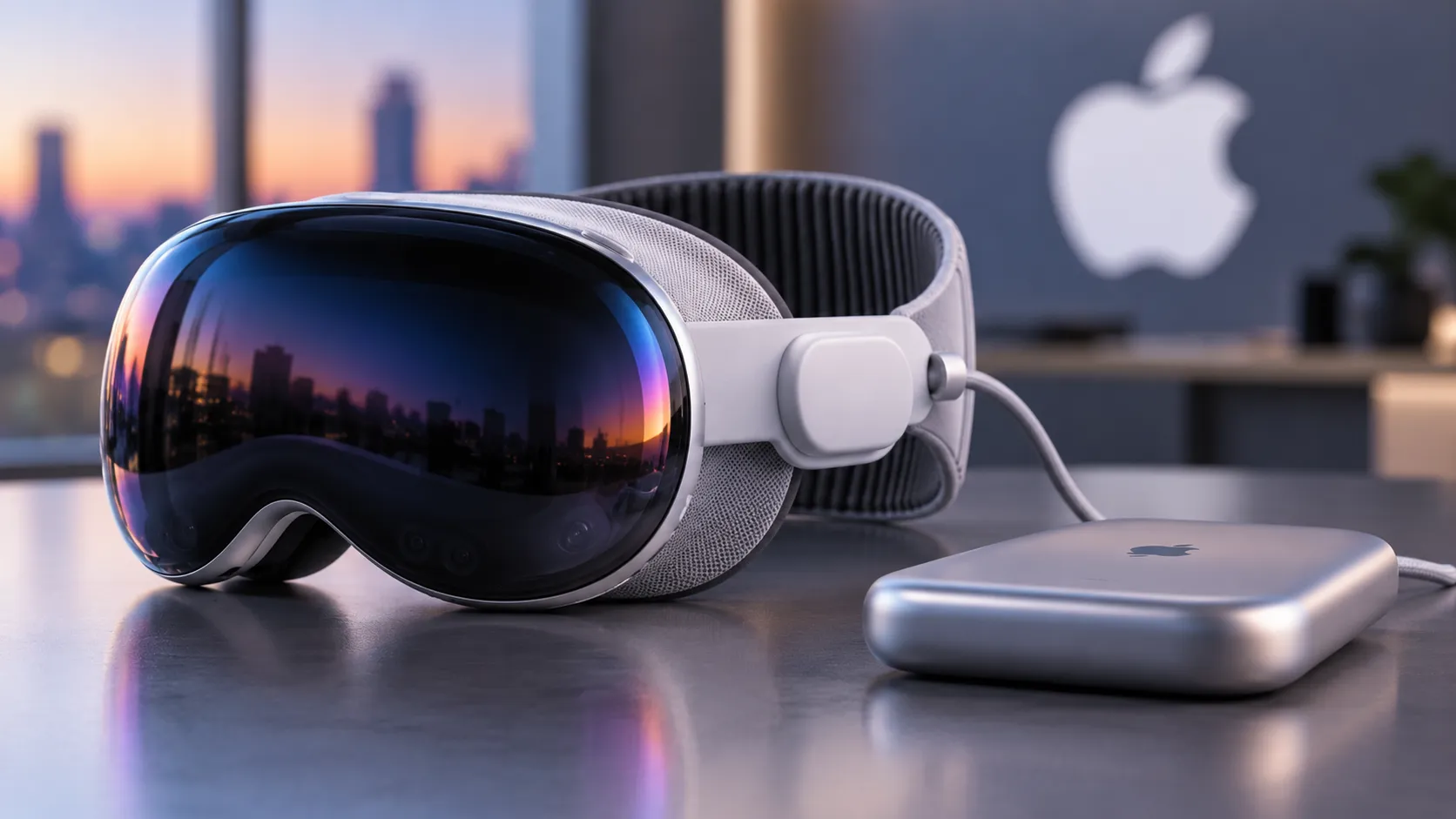
Apple has signaled its intent to enter the smart glasses market by late 2026, though no product has shipped and no launch date has been confirmed. The category it would be entering is already moving fast: global XR shipments grew 44.4% year-over-year in 2025, driven almost entirely by smart glasses rather than VR headsets, with non-display AI glasses already representing the majority of all units shipped, IDC reported last month. Meta holds 72.2% of that market and is simultaneously facing pressure from civil society groups, federal regulators, and senators over its reported facial recognition plans. That combination a category with real traction, a dominant player with structural vulnerabilities, and a product form still deciding what it wants to be is precisely the kind of opening Apple tends to find useful.
This piece covers what the market looks like now, what any smart glasses product shipping in 2026 can realistically do given hard engineering constraints, and where Meta's commanding lead is most exposed.
The market Apple would be entering: real traction, one dominant player, and a fragile lead
Smart glasses are no longer speculative. VR and MR headset shipments fell 42.8% in 2025 while the rest of the XR market grew 211.2%, as consumers chose lighter, AI-enabled wearables over bulky immersive hardware, according to IDC. The broader XR category is projected to compound at 26.5% annually through 2030, with glasses driving the majority of volume.
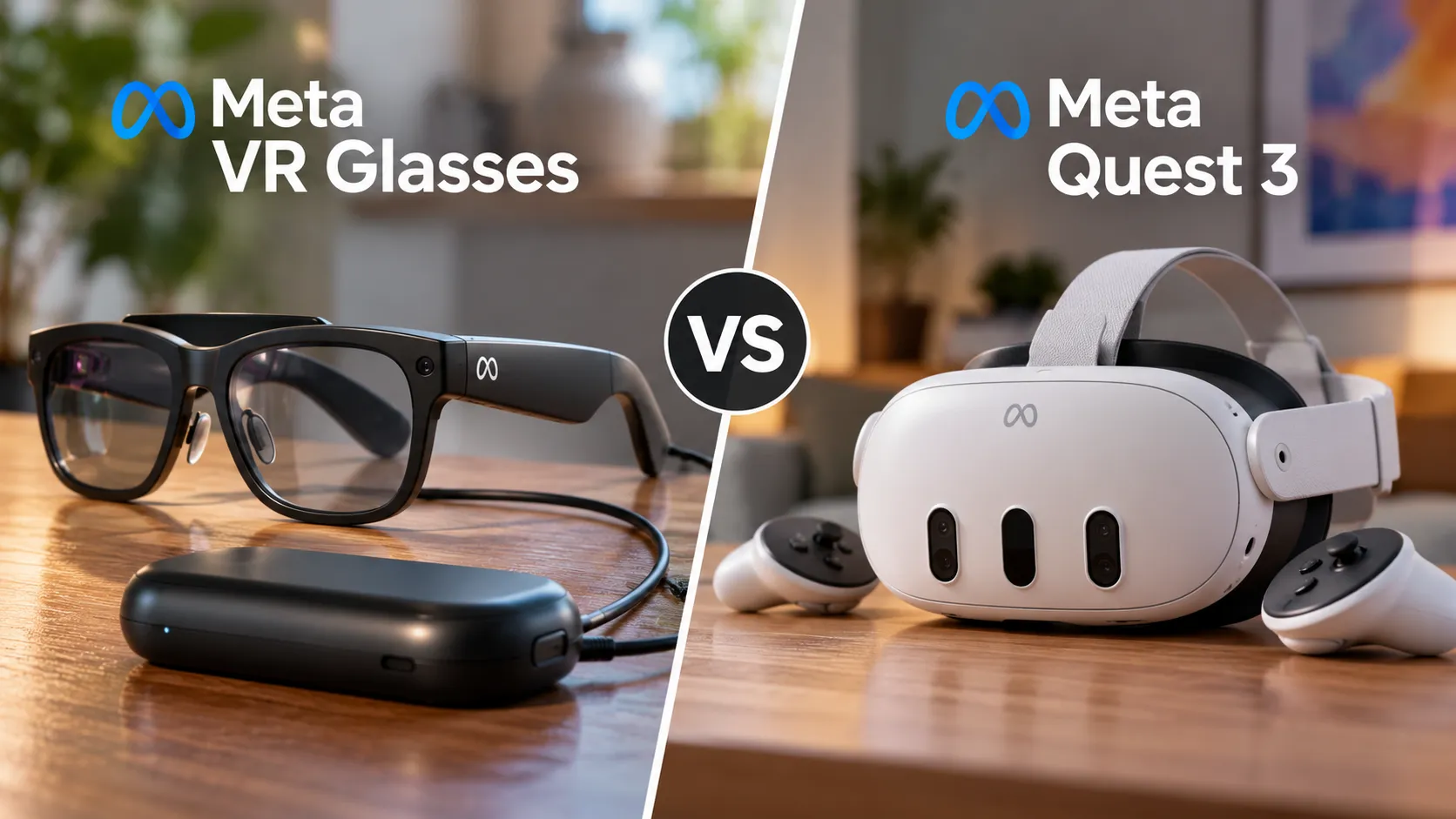
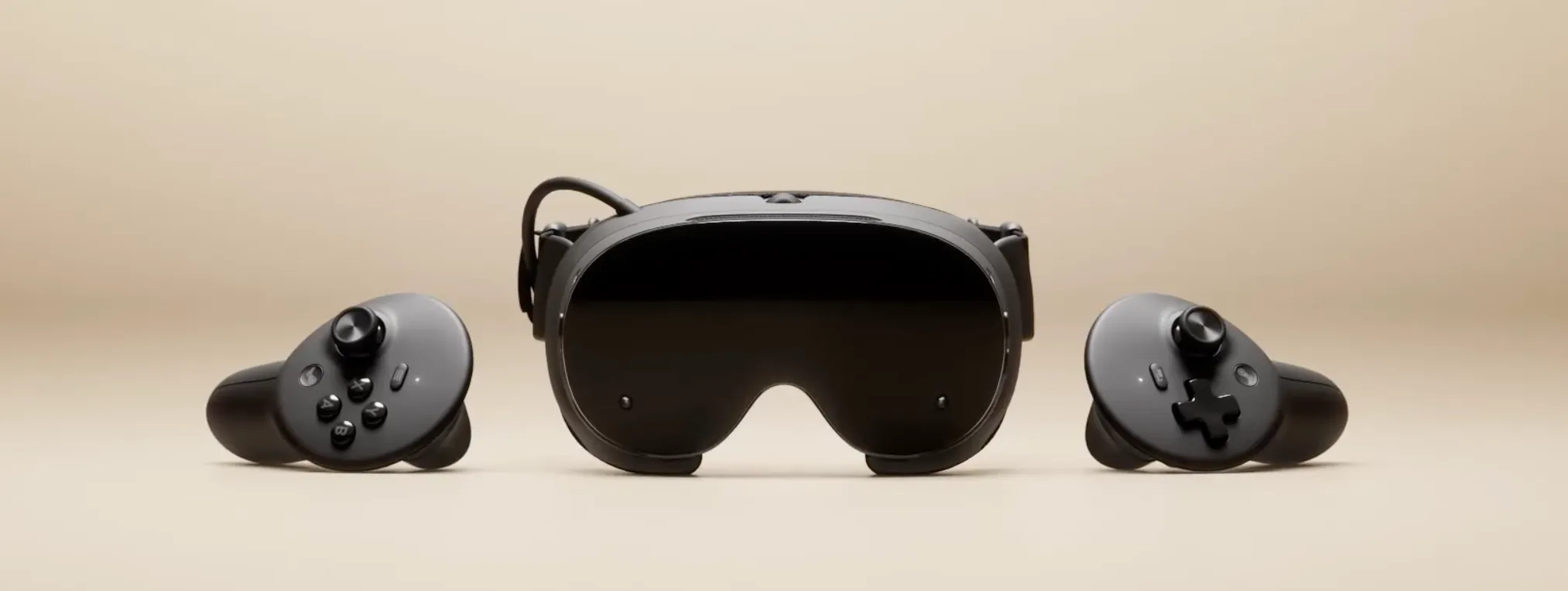
Meta's lead is not an illusion. Its EssilorLuxottica partnership, a portfolio that now includes Oakley-branded performance frames, and years of consumer conditioning have produced a 72.2% market share that no competitor is close to matching. Xiaomi sits at 4.2%, XREAL at 2.3%, Viture at 1.5%, per IDC's March 2026 tracker. The gap between first and second place is not a rounding error.
Early market share in a nascent category is a different thing from durable platform dominance. IDC research director Ramon T. Llamas framed the longer trajectory plainly last December: "Meta has a strong start, but both Apple and Google bring expertise, applications, and an installed base of users. This could end up like what we saw in the late 2000s/early 2010s when the different smartphone platforms attempted to one-up each other" (IDC, December 2025). The company that ships first rarely defines the category permanently.
As XR supply chains mature and key components remain IP-intensive, hardware differentiation will slow, leaving software, services, and onboard AI as the primary competitive levers, IDC notes. That structural forecast favors platform companies over pure hardware manufacturers and it shapes what Apple's entry would actually mean.
What Apple smart glasses late 2026 could realistically look like
Before analyzing strategy, it helps to understand what any smart glasses product shipping in 2026 can actually be. The physics constrain the choices more than any company preference does.
AR glasses carry battery capacity that is a small fraction of a smartphone's, while the display module and system-on-chip together account for the majority of power consumption, according to Laser Focus World's April 2026 analysis of AR waveguide design. Every increase in display brightness required for outdoor visibility directly drains battery and forces a heavier frame. The tradeoff chain runs in one direction: use case determines brightness requirements, brightness determines power draw, power determines battery size, battery size determines form factor. There is no way around it.
For full-color AR displays readable in daylight, the waveguide assembly alone—the optical component that routes display light to the eye—can account for roughly 40% of total device weight. Achieving manufacturing consistency at scale via injection molding and nanoimprint lithography remains an unsolved production challenge, the same analysis notes.
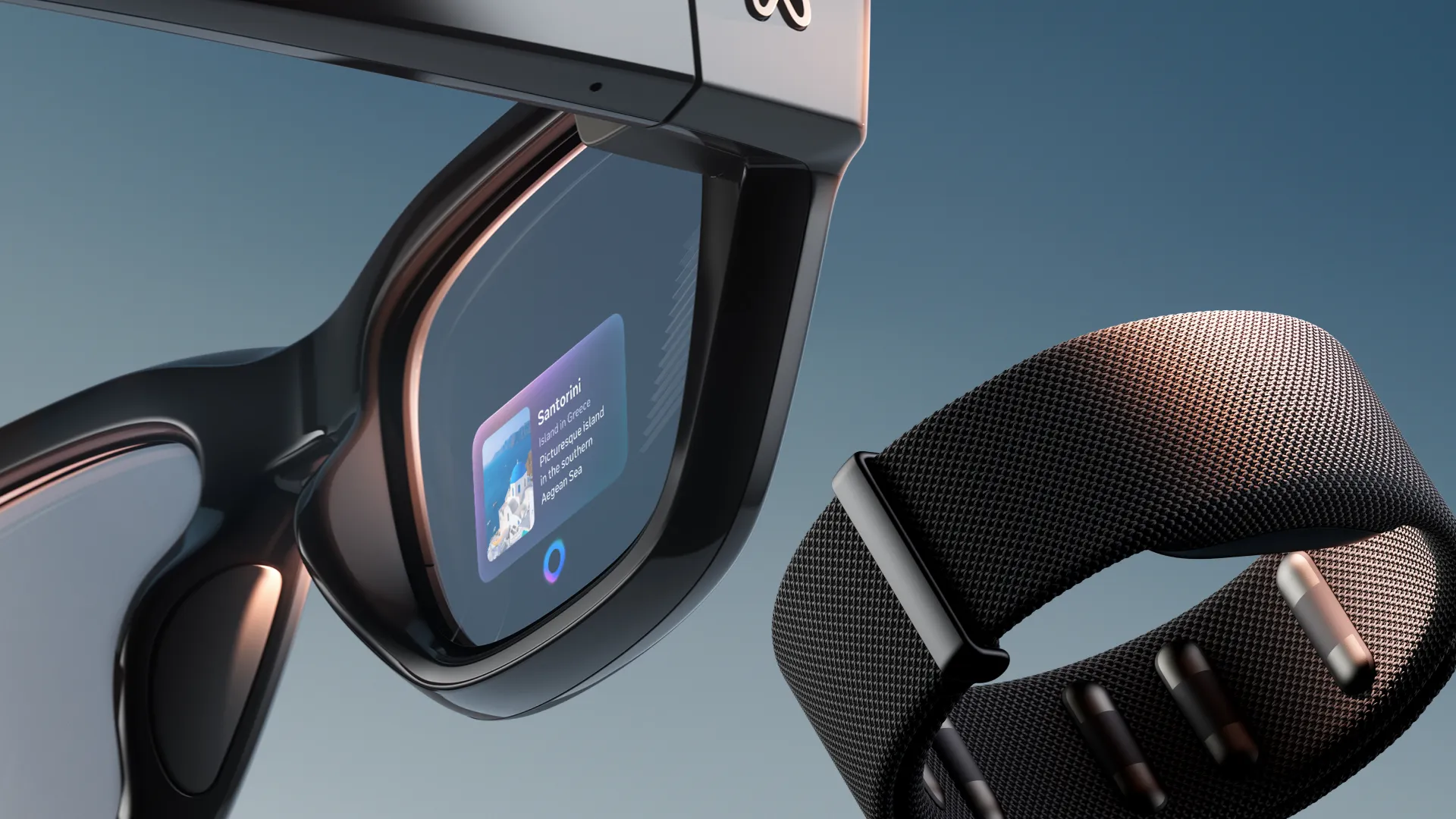
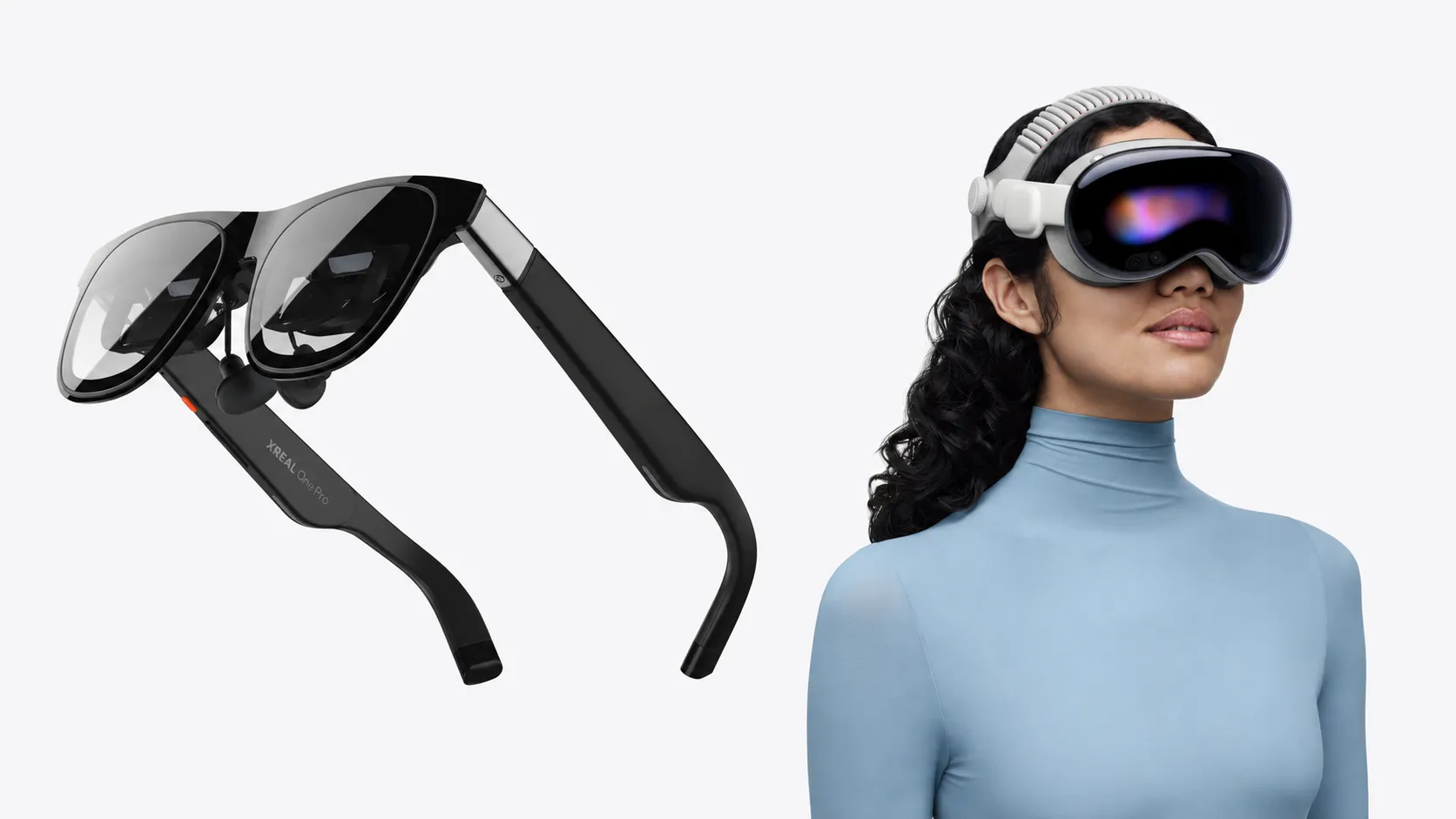
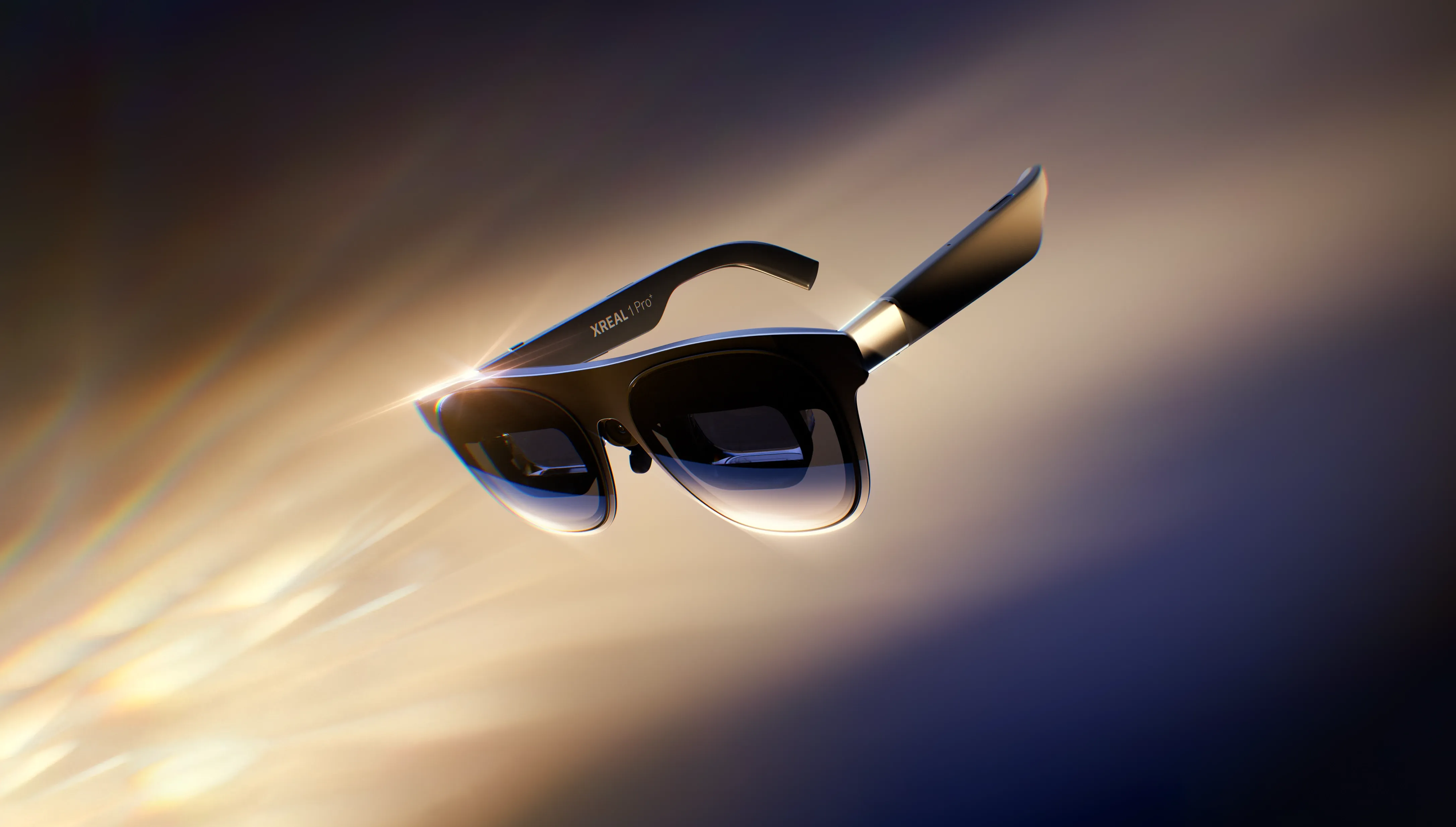
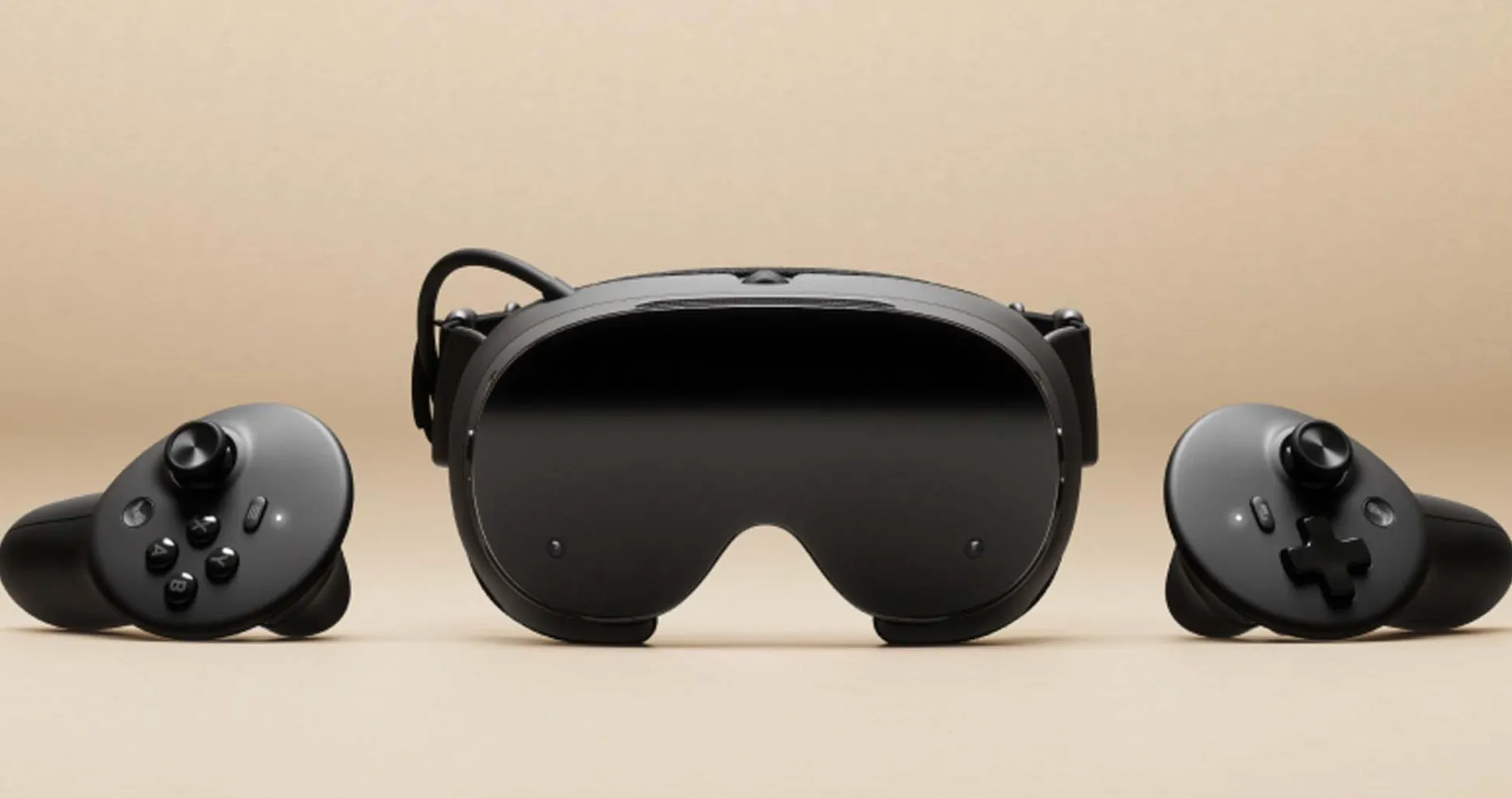
The consumer market already illustrates what these tradeoffs produce. The Halliday glasses weigh 35 grams, offer up to 12 hours of battery life, and project a text-focused display in a small corner of the user's field of view. The Xreal One Pro delivers full-color 1080p per eye across a 57-degree field of view, at 87 grams (IEEE Spectrum, November 2025). One is wearable all day. The other asks significantly more of the user.
Early AI-driven applications—navigation, message notifications, real-time translation—work adequately at moderate brightness levels. Richer media experiences require substantially more power and larger batteries, which is why IDC expects non-display glasses to drive near-term growth while display-equipped devices gain momentum closer to 2027. Any Apple product shipping in the same window faces identical constraints. The realistic first-gen profile: lighter frames with limited or no display, tight iPhone integration, and a feature set built around practical everyday use rather than immersive AR.
Google and Apple have both announced their intent to enter the market but have yet to ship a product, IEEE Spectrum reported last November. What an Apple AR glasses launch in 2026 would look like in practice depends on which constraints Apple is willing to accept publicly on a first-generation device.
The smart glasses race: where Meta's lead shows cracks
Meta's position carries liabilities that any privacy-focused competitor would find difficult to ignore. A Swedish media investigation found that Meta subcontractors in Kenya were data-labeling videos captured through the Ray-Ban glasses, including footage of bathroom visits, sex, and personal financial details. A separate report confirmed that the recording indicator LED can be easily disabled, according to Biometric Update.
Meta's reported "Name Tag" feature, which would use its AI assistant to identify people in the glasses' camera view and surface personal information about them has drawn a formal investigation request to the FTC and state enforcers from the Electronic Privacy Information Center. More than 60 civil society groups, led by the Consumer Federation of America and UltraViolet Action, have written to Congress opposing the plan, Biometric Update reported earlier this month. A group of senators separately sent a letter to Mark Zuckerberg asking Meta to explain how it would obtain consent, handle biometric data, and prevent misuse, per the same report.
The EFF's senior staff attorney Mario Trujillo identified the structural problem two months ago: "This kind of face recognition feature would require the company to collect a faceprint from every person who steps into view of the camera-equipped glasses to find a match. Meta cannot possibly obtain consent from everyone—especially bystanders who are not Meta users, Biometric Update reported. That is not a consent design problem. It is an architectural one with no clean fix.
IDC research manager Jitesh Ubrani put the competitive stakes plainly last December: "Convincing someone who doesn't need prescription eyewear to wear glasses all day is far more challenging than getting them to wear a watch or carry a phone. Brands that fail to address design, along with battery life and app ecosystems will struggle to gain traction" (IDC, December 2025). That bar requires design credibility and a product people are willing to put on their face without second-guessing what it's recording. Meta is currently making both harder to deliver.
Apple's structural advantages map directly onto what the market's next phase requires: deep iPhone integration, a healthcare and privacy brand built over years, and a developer ecosystem no pure-hardware competitor can replicate. None of that closes Meta's current shipment gap. In a market defined by platform competition rather than unit economics, it is a meaningful place to start.
What Apple's entry would change, and when it matters
The real inflection point arrives in 2027, when IDC forecasts that display-enabled glasses will surpass VR and MR headsets in overall volume and the category moves from audio-first AI companions toward something closer to a visual computing platform (IDC, March 2026). Apple's first product, whenever it ships, opens a competitive question rather than settles one.
The concrete signal worth watching between now and that inflection is developer commitment. "New products from Google's Android XR ecosystem, Snap, and a growing number of Chinese vendors will accelerate adoption by expanding smart glasses availability and familiarizing consumers with AI-first experiences," IDC's Ubrani said last month. If Apple's entry pulls meaningful third-party development onto a competing platform health integrations, enterprise tools, consumer apps that indicates a platform transition is underway. If developers sit on Meta's ecosystem while Apple's accrues slowly, Meta's early lead hardens into something more difficult to displace.
That is the specific question 2026 will begin to answer. Meta has the installed base. What it is accumulating alongside that lead is legal and reputational exposure in a product category where trust is the thing most people decide before they put a camera on their face.




Comments
Be the first, drop a comment!