


Apple Vision Pro 2 Release Date Pushed to 2028–2029: What We Know
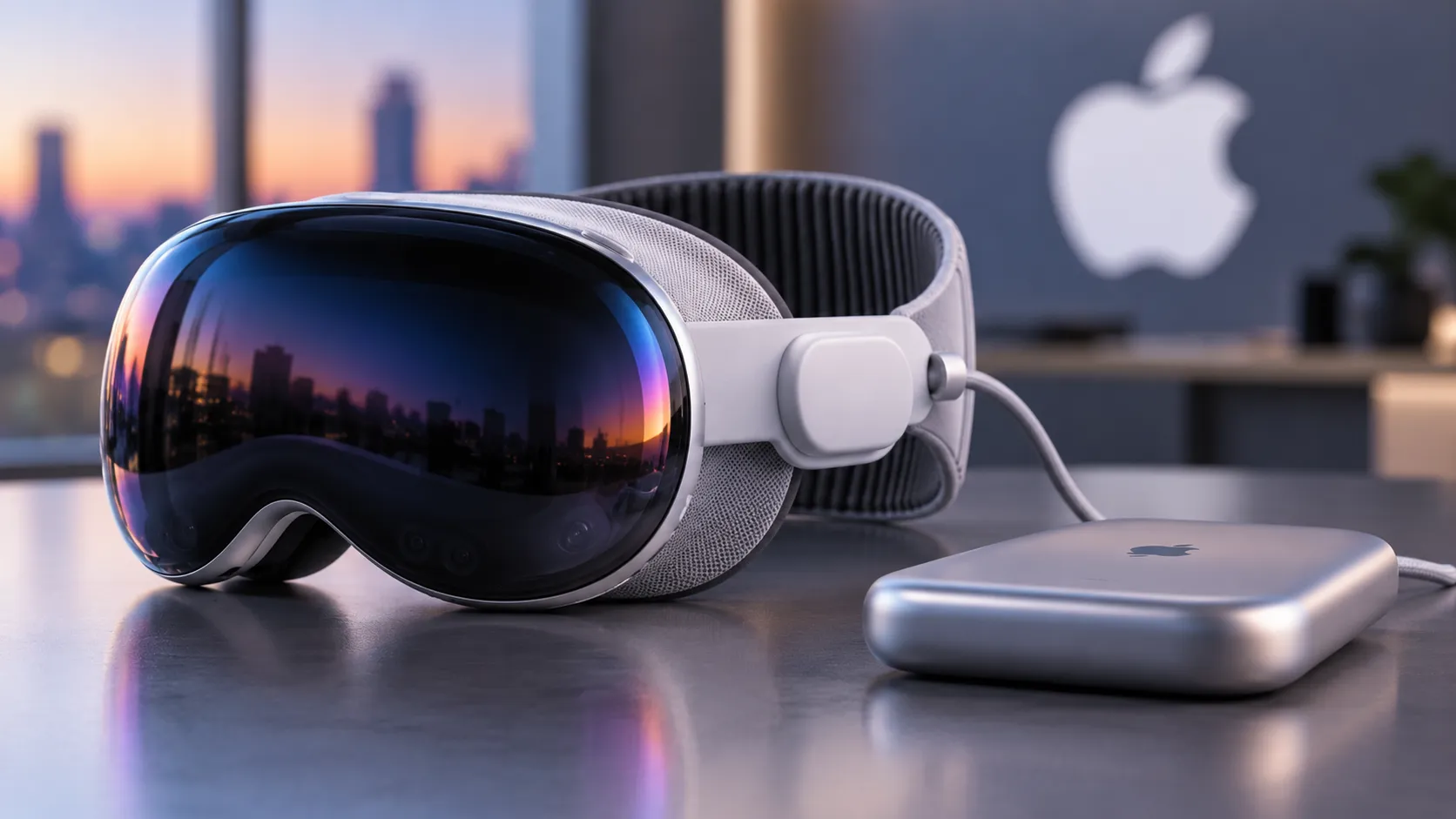
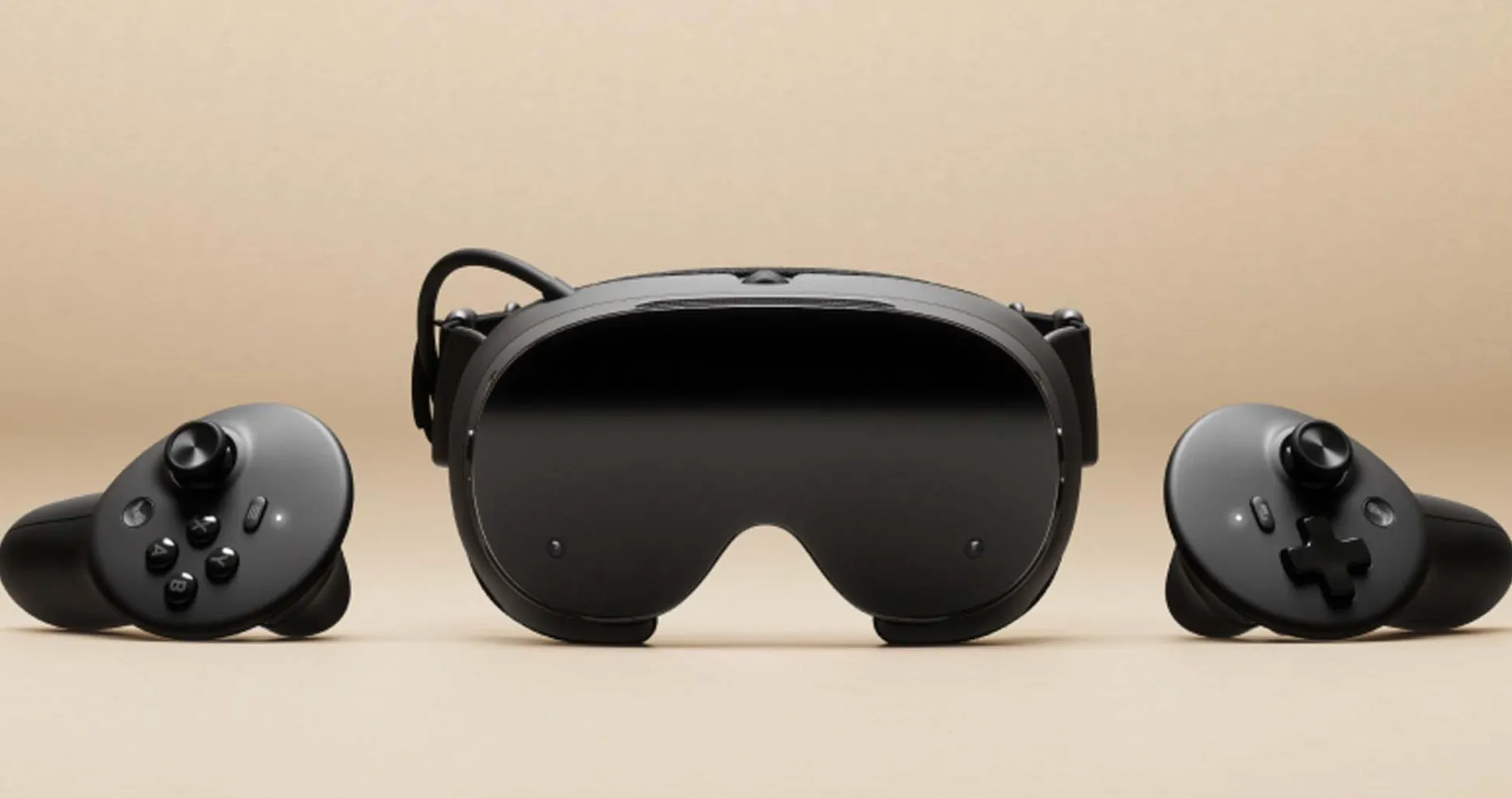
Apple's Vision Pro successor is on hold. The company won't return to the headset category until it can build something substantially lighter and cheaper than the current $3,499 device, and that threshold hasn't been reached. Bloomberg's Mark Gurman reported this week that a cheaper, lighter Apple Vision Pro successor is unlikely before late 2028 or 2029, with the category sitting "on ice" until both conditions are met, according to MacRumors.
The product under discussion isn't a straightforward Vision Pro 2 in the way Apple typically refreshes a product line. Gurman explicitly separates it from the cancelled "Vision Air" concept and describes a cheaper, lighter successor whose final form remains undefined, MacRumors reported. Gurman's distinction rules out one path, but what the successor actually becomes is still an open question.
What follows covers the two specific blockers stalling that device, how the projected timeline has slipped repeatedly over three years, and what Apple is pursuing in the meantime.
"On ice": why weight and cost are the blockers that actually matter
Gurman's framing is direct: Apple needs a slimmer design and a lower price point before it can meaningfully return to the headset category. Both conditions must be met, MacRumors and AppleInsider reported this week and last week, respectively.
That's a harder engineering problem than swapping in a new chip. Cutting weight typically means smaller batteries, reduced optics, or thinner structural materials, each of which risks degrading the display quality and compute performance that define the Vision Pro as a premium product. Bringing down cost compounds the difficulty, because the components responsible for the price are often the same ones responsible for the experience. The research doesn't specify exactly which trade-offs Apple hasn't resolved, but neither problem has an obvious shortcut. That structural tension between lighter, cheaper, and still compelling is what makes this a multi-year challenge rather than an incremental update.
Apple did refresh the Vision Pro with an M5 chip in October 2025, MacRumors reported. Size, weight, and price remained unchanged. It was a hardware maintenance move, not a rethink of the form factor.
The resource picture reinforces the timeline. Three weeks ago, Gurman reported that the bulk of Apple's mixed-reality hardware talent has been pulled onto other projects, specifically lightweight smart glasses, with MacRumors noting Gurman wouldn't expect a new Vision Pro-style device "for around two more years at least" given that reallocation. Engineering attention has a finite supply, and where it flows signals where Apple thinks near-term progress is achievable.
The "on ice" language is worth taking seriously. It doesn't mean the program is cancelled, but it does mean Apple isn't actively driving toward a ship date. Development is waiting on a design breakthrough, not a calendar milestone.
Apple Vision Pro 2 release date: how the timeline kept slipping
The current 2028-to-2029 window is considerably later than where expectations started. In 2023, Gurman was anticipating a lower-cost "Apple Vision," without the Pro designation, arriving by late 2025. By November 2024, analyst Ming-Chi Kuo had already pushed his estimate to beyond 2027, AppleInsider reported last week. As recently as the start of this year, speculation was still circling a possible 2027 introduction, with Computerworld flagging that possibility five months ago. The working estimate has since moved to late 2028 or 2029.
Each shift reflects revised reporter and analyst expectations, not a formal announcement from Apple. That distinction matters. The consistent directional movement tells you something real about how the engineering challenges have resisted resolution, but any specific year should be read as a working estimate from reporters with strong Apple track records, not a commitment from Cupertino.
A MacRumors roadmap report from roughly a year ago flagged that a slimmer, lighter Vision Pro was at least two years out. That forecast has held. When multiple reporters and analysts converge on the same rough window across multiple reporting cycles, the pattern carries more weight than any single data point.
What's also consistent across the reporting is what's conspicuously absent: no confirmed specs, no price targets, no internal codename tied to a production schedule. The next-generation Apple Vision Pro exists as a direction, not a program with a committed ship date. That absence tells its own story about where Apple actually is on solving the underlying problems.
The three-year slide from "late 2025" to "late 2028 or 2029" also reframes how to think about any future estimates. The engineers working on lighter optics and lower-cost spatial computing components are dealing with genuinely unsolved problems, and those problems don't yield on schedule. Treating the current window as approximate rather than definitive is the only honest reading of the pattern.
What Apple is doing instead
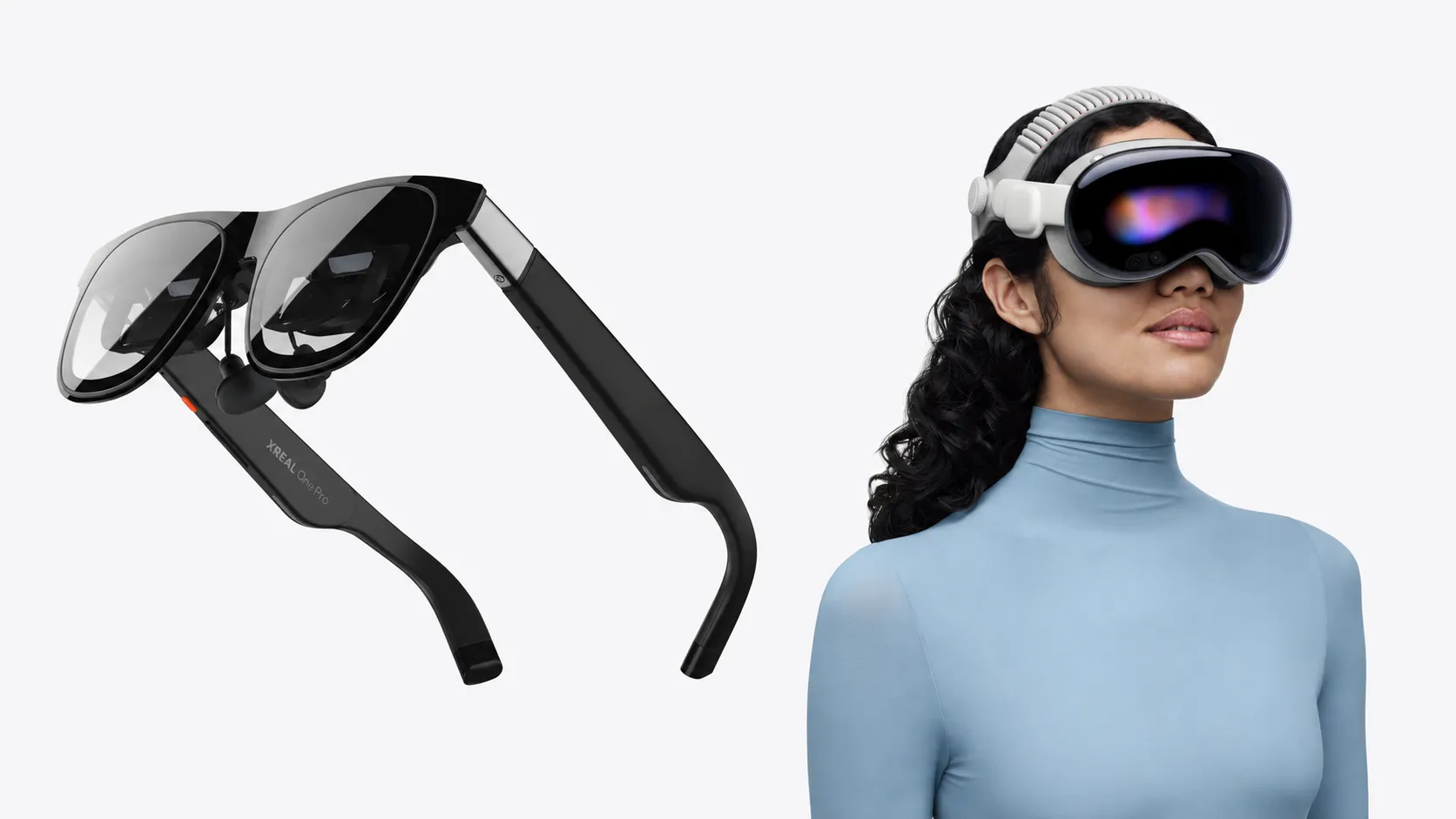
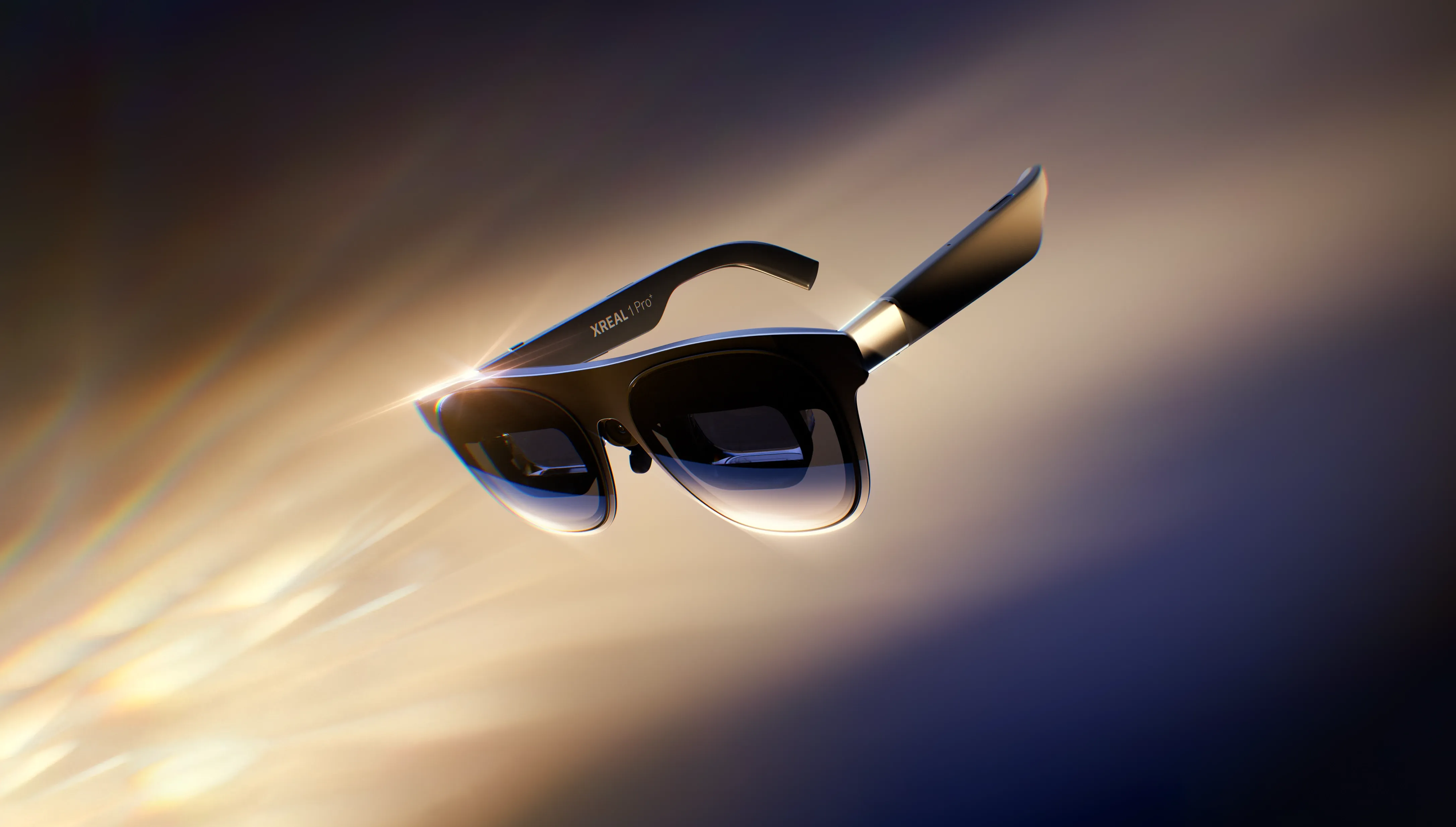
Apple is targeting a smart glasses release in late 2027, which would put wearable computing on Apple's face roughly a year or more before any next-generation headset arrives, MacRumors reported this week. Glasses sidestep the weight problem structurally. Without needing to house the same optical systems, processing hardware, or battery capacity as a full spatial computing headset, the form factor doesn't start from the same engineering disadvantage.
The glasses push and the headset delay are connected, not parallel. Gurman's reporting links them directly: the mixed-reality teams redirected from headset development are working on glasses instead. Apple is placing its near-term spatial computing bet on the product it can actually ship in this window.
The headset program isn't finished. Apple is continuing development on a next-generation Vision Pro in parallel, current reporting indicates, and Kuo has said Apple still "views head-mounted devices as the next major trend in consumer electronics," per AppleInsider and Computerworld. Deprioritized isn't cancelled, though the practical result for anyone waiting on a more accessible Vision Pro looks similar for the next several years.
The glasses-first sequencing also matters for understanding what Apple's spatial computing strategy actually looks like right now. Smart glasses can be mass-market products in a way the Vision Pro cannot, priced and designed for daily use rather than specialized workflows. If Apple can establish a foothold with glasses in 2027, that creates a different kind of runway for the headset category than starting from the current $3,499 baseline.
What the delay actually means for spatial computing
The nature of the 2028-2029 device remains genuinely unclear. Whether it becomes a true second-generation Vision Pro, a lower-cost non-Pro model, or something that doesn't map cleanly to existing product categories hasn't been defined in available reporting. Gurman's distinction from the cancelled Vision Air rules one path out, but considerable ambiguity remains about what the successor actually is, as Computerworld noted five months ago: what Apple actually builds will likely be more nuanced than current speculation suggests.
That ambiguity isn't a minor footnote. "Apple Vision Pro 2 release date" is a useful search query, but it may be framing the wrong question. The successor might not be called Vision Pro at all. It might be a lower-cost, reduced-capability device aimed at a different market segment than the existing hardware. Apple's hardware roadmap doesn't always continue product lines; sometimes it replaces them with something different in category and not just specification.
For developers currently building on visionOS, the implications are practical. The platform will continue running on the M5 hardware released last October, with no new headset hardware to target for at least two to three years. That's a long runway on a single spec, and it shapes what kinds of applications are worth building versus which ones benefit from waiting for new capabilities.
The broader picture for Apple's spatial computing ambitions is that the mainstream moment is farther out than most timelines suggested even a year ago. The current Vision Pro is likely to remain a premium, niche device for the foreseeable future. Apple's more accessible entry point into spatial computing will, by current estimates, arrive on its glasses hardware before it arrives in a next-generation headset.

Comments
Be the first, drop a comment!