


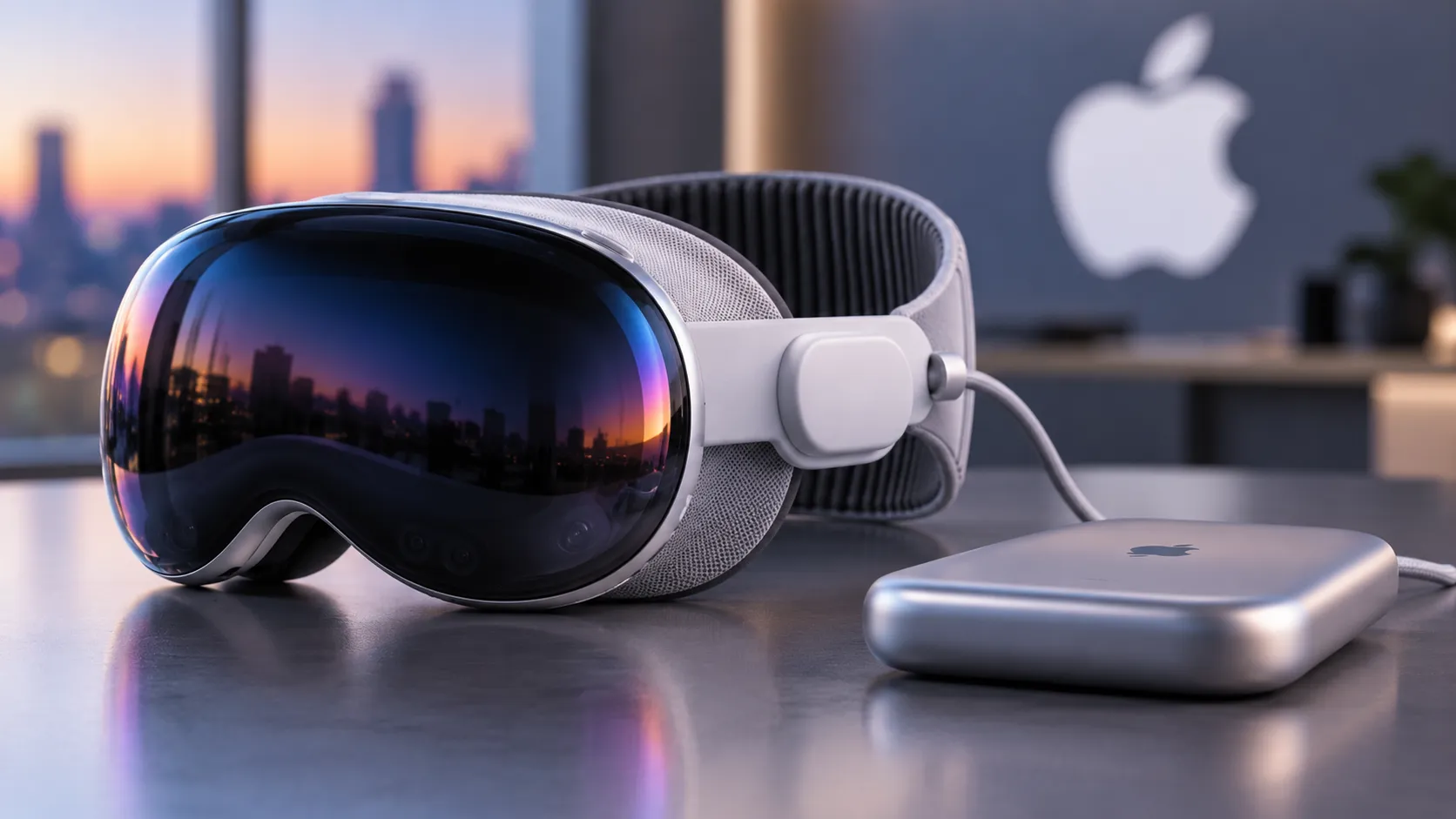
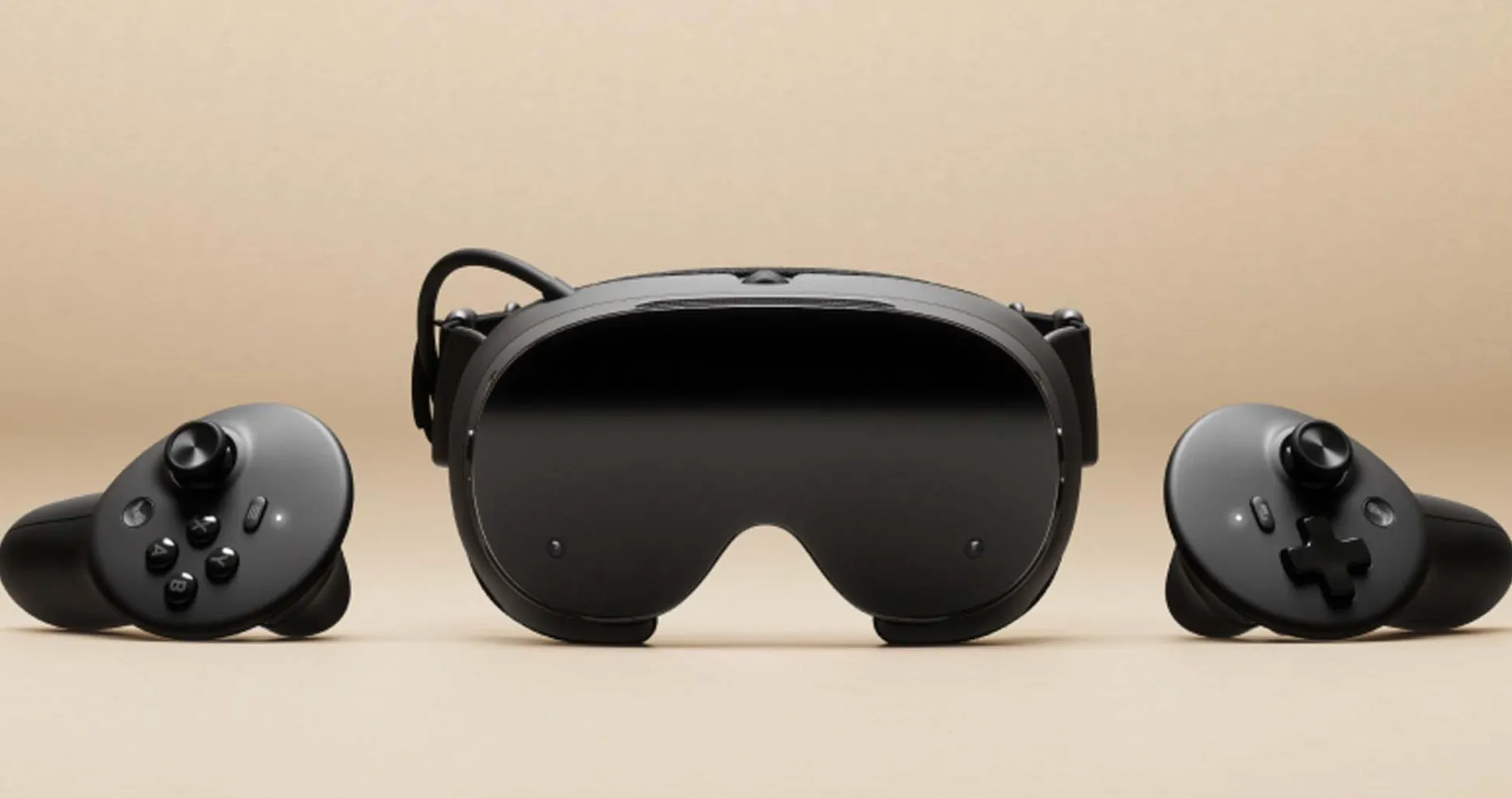
The tech press has been writing Vision Pro's obituary for over a year. The eulogies aren't entirely wrong, but they're missing the more interesting story. Apple dissolved the Vision Products Group, reassigned its founder, slashed marketing spend, and yet keeps shipping major platform updates and hiring into the team. Tom's Hardware reported that only Apple could generate over $2 billion in product revenue and have it called a failure. That framing points at something real about the Apple Vision Pro future: this looks less like an abandoned bet and more like a platform that survived its first hardware generation, waiting on a form factor it can actually sell.
The device has been commercially downgraded from mass-market ambition to a premium niche. The software stack, developer tooling, and hardware pipeline behind it still appear to be active investments. Tracking that distinction requires separating what Apple has actually done from what sources report Apple is considering.
One caveat before going further: Apple discloses no Vision Pro sales figures. Every volume estimate here comes from IDC projections and analyst reports, not confirmed company data.
What changed inside Apple, and what it usually means
About a year ago, reports revealed Apple dissolved the Vision Products Group as a standalone unit, redistributing its people across software engineering and hardware engineering. The reorganization had a specific shape. In March 2025, Tim Cook moved Mike Rockwell, who joined Apple from Dolby Labs in 2015, built the team that became Vision Products Group, and stood on the WWDC stage in 2023 to introduce the headset, from leading that group to overseeing a full rebuild of Siri.
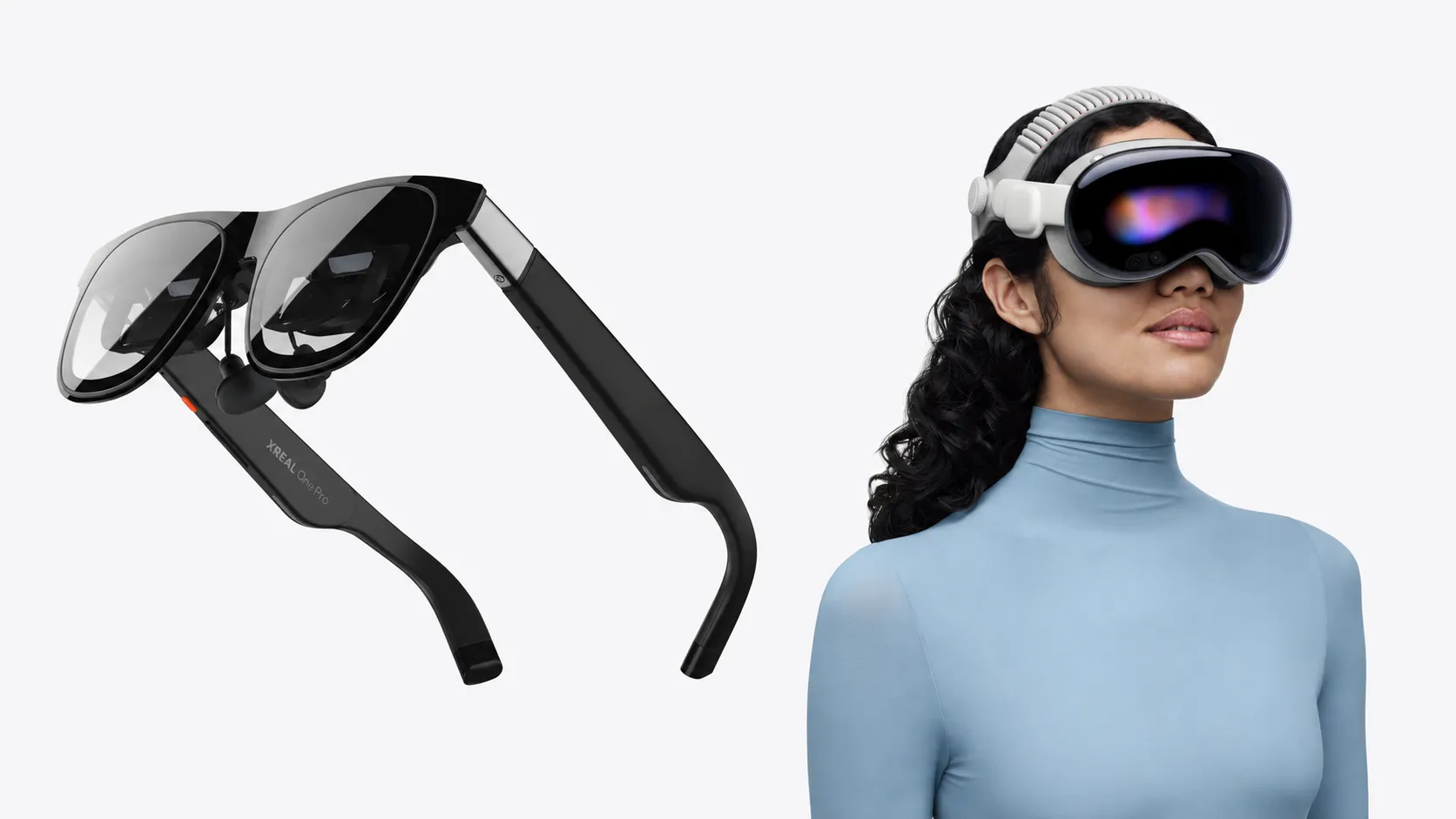
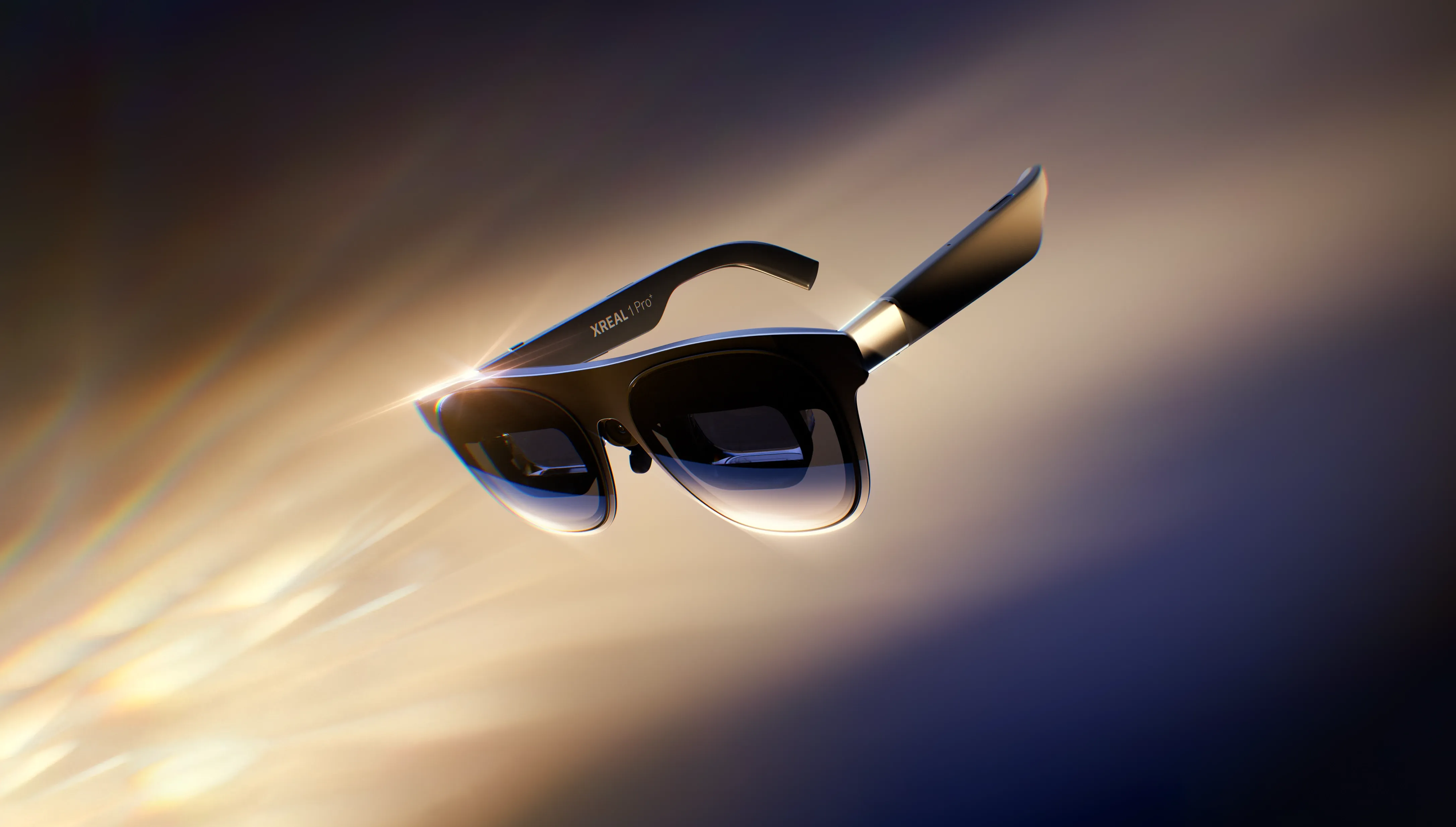
Rockwell took visionOS software team members with him into the Siri organization, now reporting to software chief Craig Federighi. Hardware leadership passed to Paul Meade, the group's former head of hardware engineering, per VR.org. Hardware staff has reportedly shifted toward smart glasses development, though no confirmed timeline, product name, or feature set has surfaced.
Rockwell's reassignment wasn't purely a verdict on Vision Pro's commercial performance. It came after Cook reportedly lost confidence in Apple's AI progress under former AI chief John Giannandrea, making the Siri move at least partly a vote of confidence in Rockwell as a technical leader, VR.org reported. Bloomberg's Mark Gurman has reported that Rockwell has reservations about reporting to Federighi and wants a broader role than his current position offers; he may consider leaving or moving to an advisory capacity, though he is unlikely to depart before the Siri overhaul ships, which is expected as part of iOS 27. That remains a reported expectation, not a confirmed schedule.
Two readings of all this hold up under scrutiny. The retreat case: the Vision Products Group no longer exists as a unified entity, its founder is off the hardware side and possibly leaving, and Sensor Tower data shows Apple cut its Vision Pro digital marketing spend by over 95% in the US and UK. Apple does not treat products it's actively championing this way. The pivot case: the spatial computing expertise wasn't shut down; it was absorbed into two of Apple's most active development tracks simultaneously. A company genuinely abandoning a category doesn't keep hiring into its Vision Production Group or keep shipping major platform updates, as Tom's Hardware noted.
Both readings have evidence behind them. The cleaner signal isn't the organizational chart. It's what Apple keeps shipping.
The commercial reality: a $3,499 device without a daily job
Vision Pro never cleared 100,000 units in a single quarter after its February 2024 launch. Numbers from IDC reported by Spyglass showed US sales would fall roughly 75% in a single quarter during mid-2024, with the full-year global total projected at around 400,000 units, a meaningful volume for a device at that price, but negligible against Apple's scale.
IDC projected Vision Pro would close its first full year as a sub-$1.5 billion business, a rounding error against iPhone's $201 billion and Mac's $29 billion in 2023. The M5 refresh, which accompanied IDC's estimated 45,000 units shipped in the 2025 holiday quarter, delivered roughly a 35% single-core performance gain and extended battery life to approximately 2.5 hours. Real improvements. They didn't move the needle on the core problem.
A $3,499 device needs to solve something you do every day: communication, work, and entertainment, and Vision Pro sits at the edge of all three without fully owning any. You can use it as a giant screen for work, but you can't wear it in a meeting. You can watch 3D films in it, but most people don't own a library of them. The use case exists in theory; the daily justification for keeping it on your face does not.
Content compounds the problem. IDC's own assessment from mid-2024 named content as the category's central missing ingredient, and Apple's sporadic spatial releases hadn't resolved that gap by the time the M5 model arrived. Cutting the price helps, but not much if there's still nothing compelling to do with it every morning.
None of this is a technology failure. Vision Pro failed as a mass-market product, not as a piece of engineering. That distinction matters precisely because the platform can outlive the hardware it currently runs on.
The software roadmap: the affirmative case for the Apple Vision Pro platform
By WWDC 2024, visionOS already supported more than 2,000 purpose-built spatial apps alongside compatibility with over 1.5 million iOS and iPadOS titles. That same update added Mac Virtual Display improvements equivalent to two 4K monitors side by side, mouse support for Mac workflows, and guest user functionality, professional daily-use features, not demo scenarios. The developer surface area built over the years doesn't get quietly abandoned.
visionOS 26, previewed at WWDC 2025, extended the platform further: persistent spatial widgets that anchor to a user's physical environment, a rebuilt Personas system using volumetric rendering and machine learning, native playback of 180- and 360-degree footage from Insta360, GoPro, and Canon cameras, and support for PlayStation VR2 Sense controllers with six-degrees-of-freedom motion tracking and haptic feedback, all per Apple Newsroom. Platforms being quietly wound down don't get rebuilt avatar systems and third-party camera partnerships.
The enterprise additions deserve their own attention. Team device sharing lets organizations pool headsets and have users transfer their biometric calibration, vision prescription, and accessibility settings via iPhone. A Protected Content API restricts access to sensitive materials, medical records, and financial forecasts by role, while blocking screenshots and screen sharing. Logitech's Muse spatial accessory adds precision input for collaboration workflows.
These are not consumer features chasing App Store downloads. They are the infrastructure of a device sold in bulk to institutions, and they suggest Apple may be positioning Vision Pro's most defensible near-term market in enterprise though independent data on actual adoption at scale remains thin, and Apple's Newsroom is promotional by design.
Apple's broader developer toolchain, the Foundation Models framework, Apple Intelligence integration, and Xcode 26 enhancements apply across all Apple platforms, including visionOS. The AI investment being built for iPhone and Mac strengthens the Vision developer ecosystem as a side effect, without requiring a separate budget line. When you're trying to sustain a platform through a commercially difficult period, that's not a trivial benefit.
Apple smart glasses vs Vision Pro: what the roadmap suggests
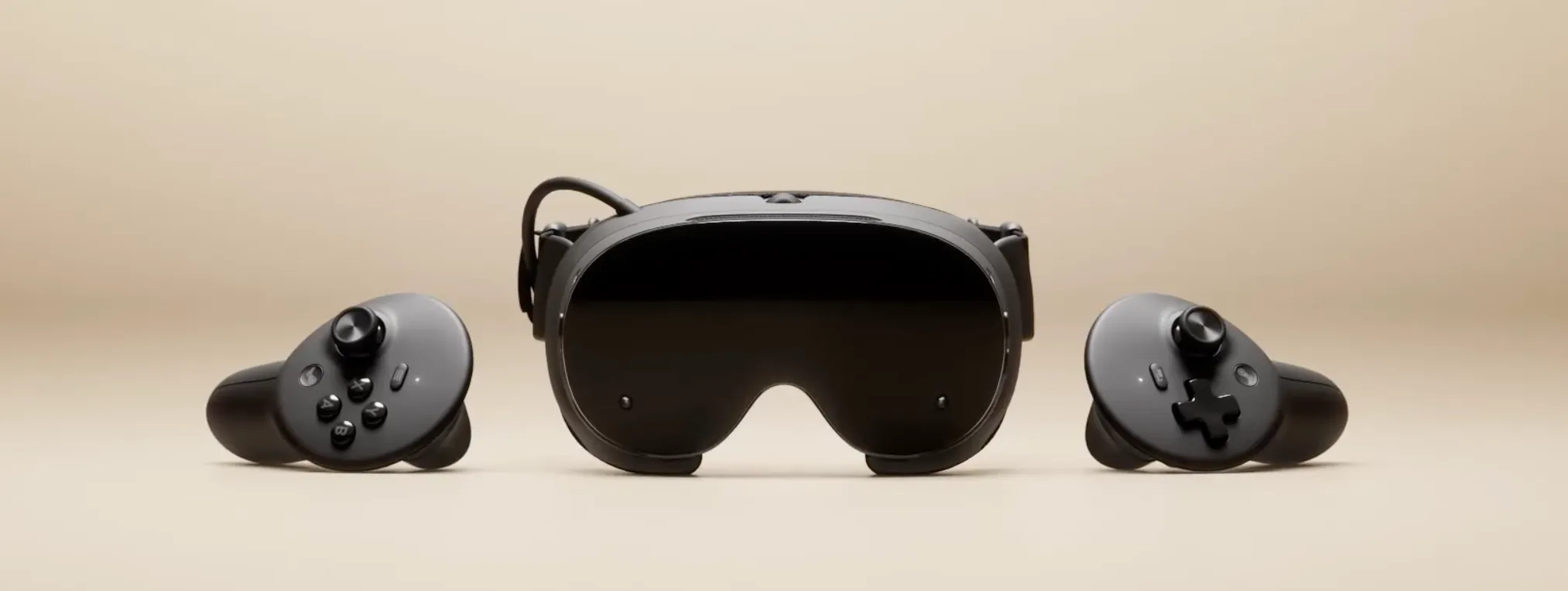
IDC's mid-2024 analysis projected that only a lower-cost model estimated at roughly half the current price, around $1,750, would meaningfully shift sales momentum. That forecast proved too optimistic on timing. No such device has shipped. Whether it has been delayed, redesigned, or quietly superseded by a glasses-first approach is the central unanswered question about Apple's spatial computing roadmap.
The hardware talent movement toward smart glasses is suggestive but short on specifics. No confirmed timeline, product name, or feature set has been reported, Tom's Hardware noted last month. Worth noting: the platform layer visionOS, its APIs, and its developer tools could potentially survive a hardware form-factor shift. Apple built it on Apple silicon, and the same underlying software stack could conceivably power lighter or cheaper hardware without starting from scratch. That's an inference, not a confirmed plan.
The near-term picture, based on what the evidence actually supports: Vision Pro likely continues as a premium enterprise and enthusiast device while Apple matures the platform and develops lighter hardware. Not a triumphant path, but a coherent one. The optimistic version a sub-$2,000 headset arrives within 18 months, the enterprise builds a durable installed base, and glasses emerge as a companion product, requires several things to go right simultaneously. The pessimistic version, that cheaper hardware keeps slipping, developer momentum stalls without consumer scale, and content gaps widen, is equally plausible if the structural problems don't get resolved.
Four signals are worth watching: whether annual visionOS updates continue shipping with substantive new features or start thinning out; a lower-cost headset announcement with a real launch timeline; enterprise adoption data from independent sources rather than Apple's Newsroom; and any public signal about the glasses program staffing announcements, regulatory filings, or supply chain reporting that suggests it has moved from research into active development.
A demotion, not a death
Roughly two years after launch, Vision Pro's global installed base sits in the hundreds of thousands, not the millions that would make it a platform anchor. No software update closes a use-case gap at $3,499.
Apple's response has been reorganization, not withdrawal. The software platform keeps shipping major updates, enterprise functionality keeps expanding, and hardware investment has reportedly shifted toward lighter form factors rather than stopped. Vision Pro has been demoted from "bet-the-future flagship" to "long-game platform investment." Different from dead. Also very different from the triumphant march toward spatial computing that the 2023 WWDC reveal implied.
The next meaningful signal won't be another software update. It will be whether a lower-cost headset or Apple's glasses effort gets a real launch window. Until then, Vision Pro occupies a specific and unusual position in Apple's portfolio: a platform the company clearly hasn't abandoned, attached to hardware it hasn't yet figured out how to sell at scale.

Comments
Be the first, drop a comment!