


Apple Vision Pro price stays at $3,499 but feels less worth it
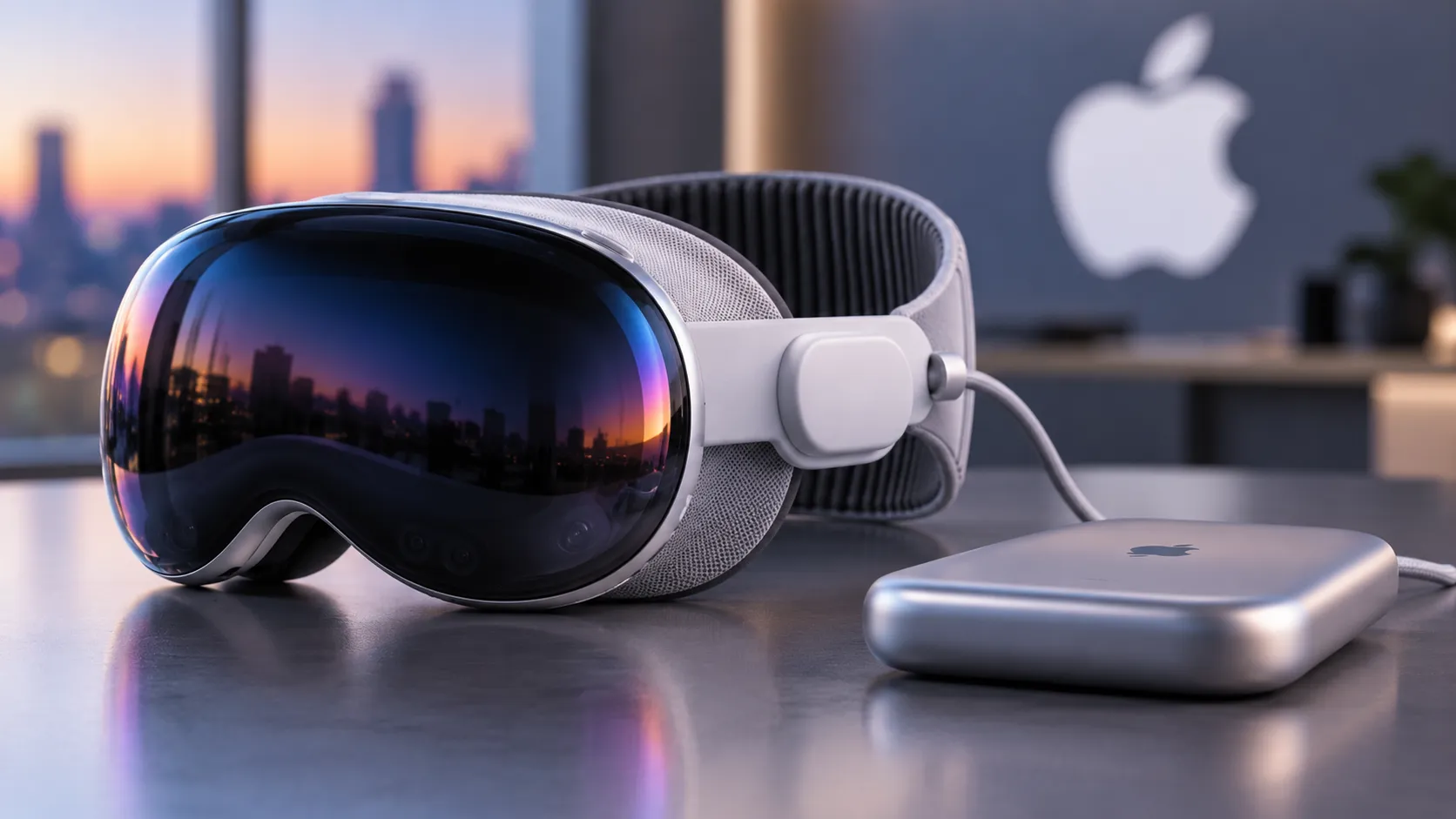
There is no Apple Vision Pro price increase to report. The M5 model still starts at $3,499 in the U.S., identical to what the original cost at launch. What has shifted is everything around that number. The XR market, as tracked by IDC this month, is growing fast and compressing prices simultaneously. Apple's sticker hasn't moved. Its relative value has.
What M5 actually changed
The chip upgrade announced last October is real progress. With M5, Vision Pro renders 10% more pixels on its custom micro-OLED displays than the previous generation, producing sharper text and more detailed visuals throughout the system, per Apple Newsroom. The 16-core Neural Engine runs AI system tasks up to 50% faster and handles third-party AI workloads up to twice as quickly. Battery life is rated at up to 2.5 hours of general use and 3 hours of video playback on a single charge.
The Dual Knit Band now ships included with new units. Users who need vision correction still pay $149 for ZEISS prescription inserts; a travel case runs another $199, per Apple Newsroom.
For buyers whose work demands display fidelity or faster AI processing, the pixel rendering gain and Neural Engine improvements are the meaningful changes here. For someone primarily watching video or doing light spatial browsing, the difference from the previous generation is incremental.
Why the Apple Vision Pro price hike feels real even without one
The M5 addresses what was already Vision Pro's strength. It does not touch what limits daily use.
Despite the dual-strap system, most owners report meaningful discomfort after roughly 90 minutes of continuous wear, per a June Think Different analysis drawing on interviews with more than 20 Vision Pro owners. That ceiling sits well inside the battery's rated capacity. Physical ergonomics, not chip speed, determines how long the device actually gets used in a session.
The software picture is similarly static. Over 1 million apps are available for Vision Pro, including more than 3,000 built natively for visionOS, per Apple Newsroom. visionOS 27 is currently in beta and described by AppleInsider this month as "a comparably complete and rich update," adding spatial browsing improvements and a rethought Control Center. The problem Apple left untouched: according to AppleInsider, Apple did nothing at WWDC 2026 to push developers toward building natively for the platform. Apple gets roughly 1,000 app submissions per hour across its platforms; Vision Pro may be receiving about one native submission per day, the same AppleInsider analysis estimates.
How the market moved while the Vision Pro price stayed put
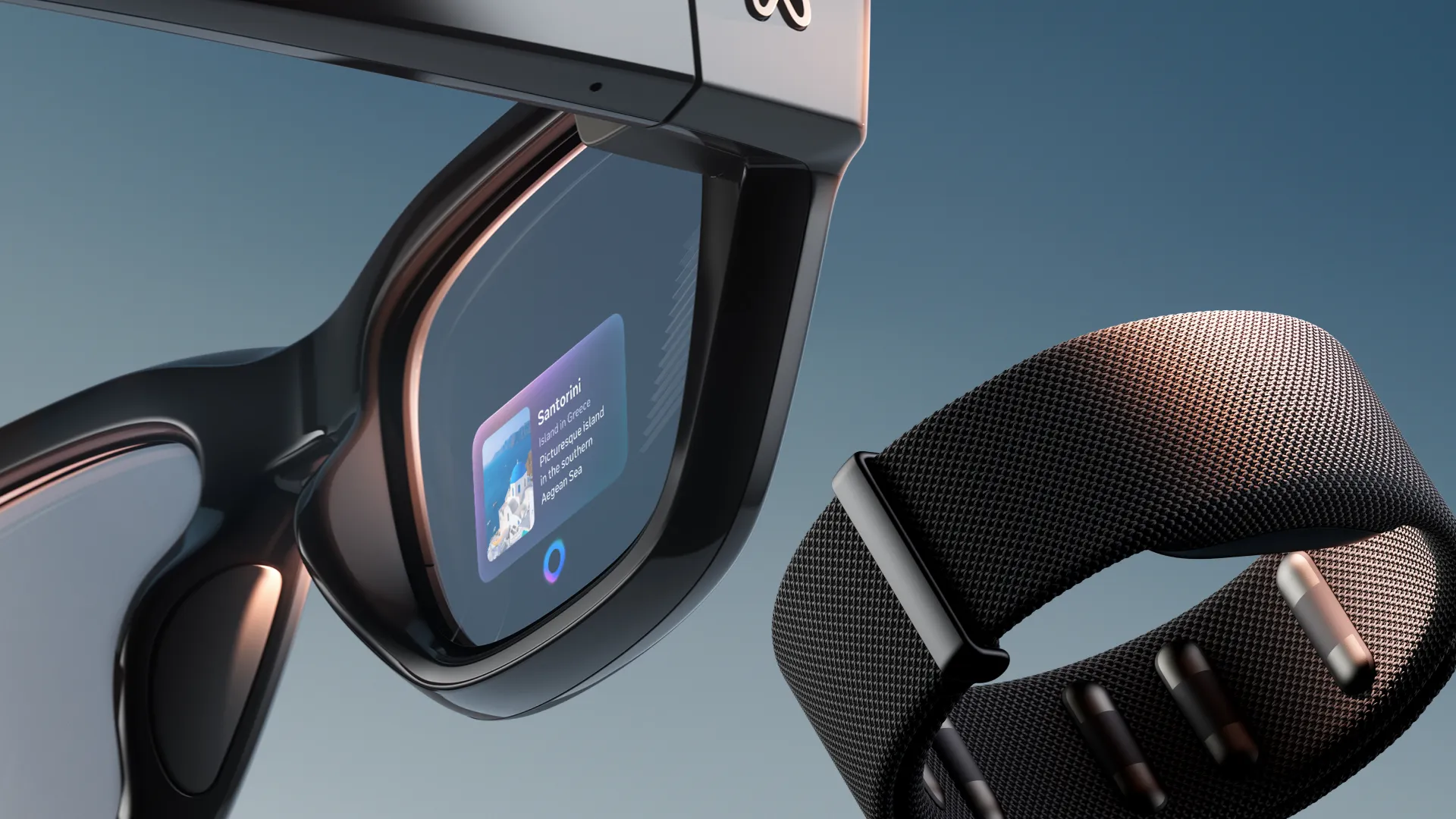
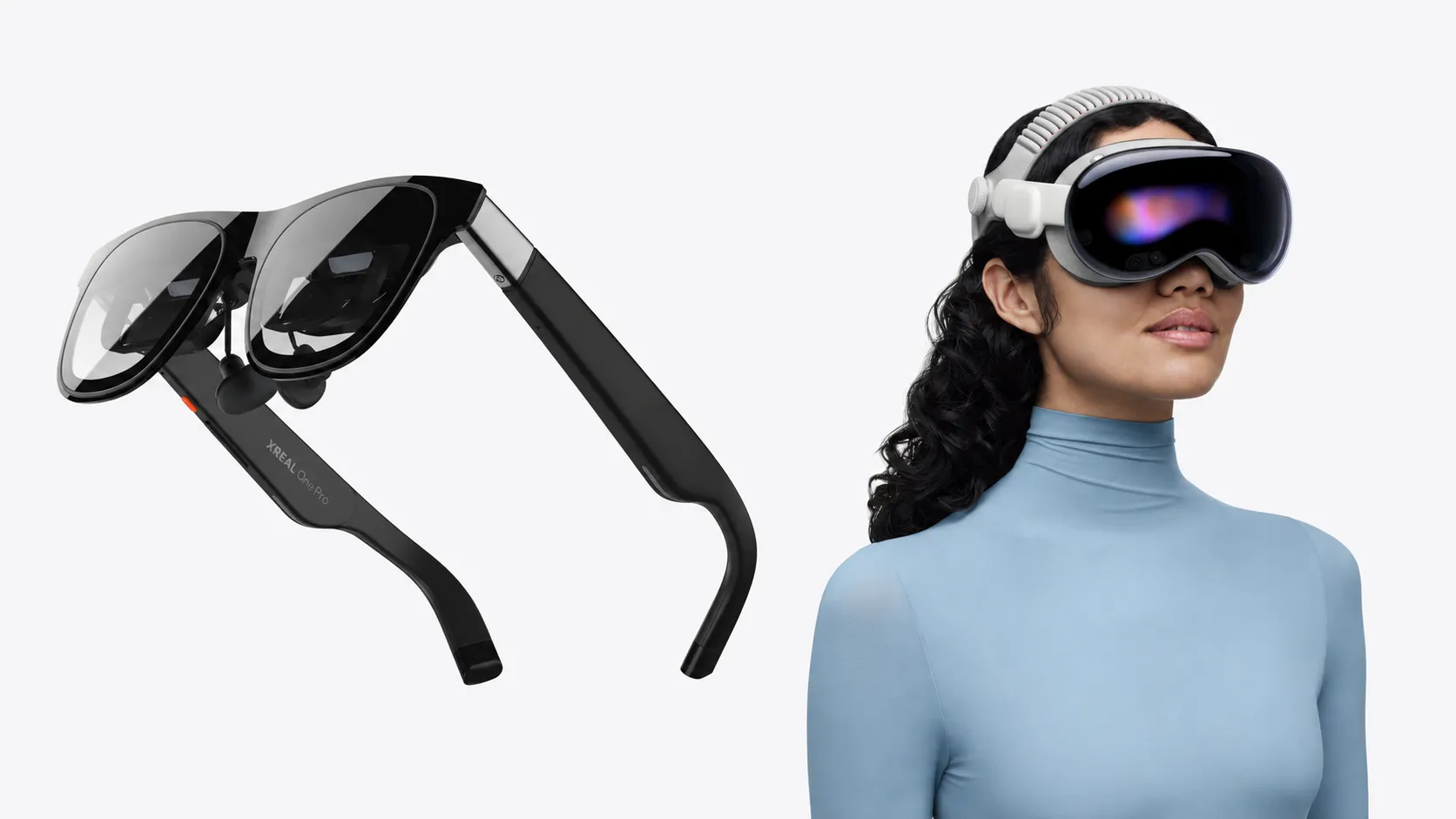
IDC's data, published this month, tells the structural story plainly. Display-less smart glasses surged 167% year-over-year in Q1 2026, shipping approximately 2.25 million units in a single quarter nearly matching the 2.7 million units the entire category shipped across all of 2024. The average selling price for smart glasses sits at $376 in 2026 and is forecast to compress to roughly $229 by 2030, per IDC.
Smart glasses without displays are not a direct substitute for Vision Pro. They serve different use cases at fundamentally different price points. But they reflect where consumer spending and volume are flowing in XR. Meta holds 69.2% of the smart glasses market as of Q1 2026, built on the Ray-Ban partnership and an advertising business that funds aggressive hardware subsidies, per IDC. In the mixed reality segment closer to Vision Pro's category, IDC forecasts growth from 3.2 million units in 2026 to 10.4 million by 2030.
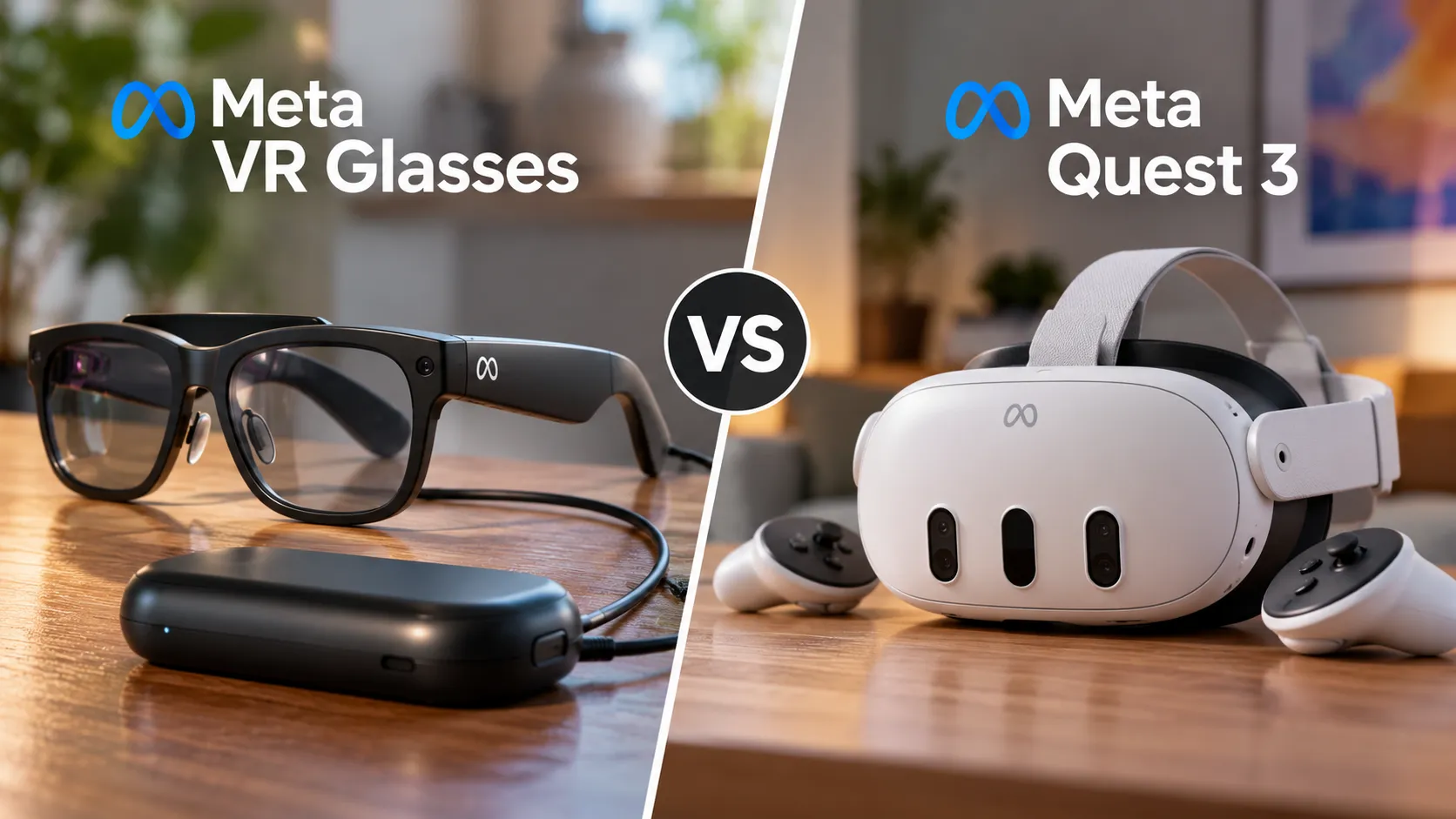
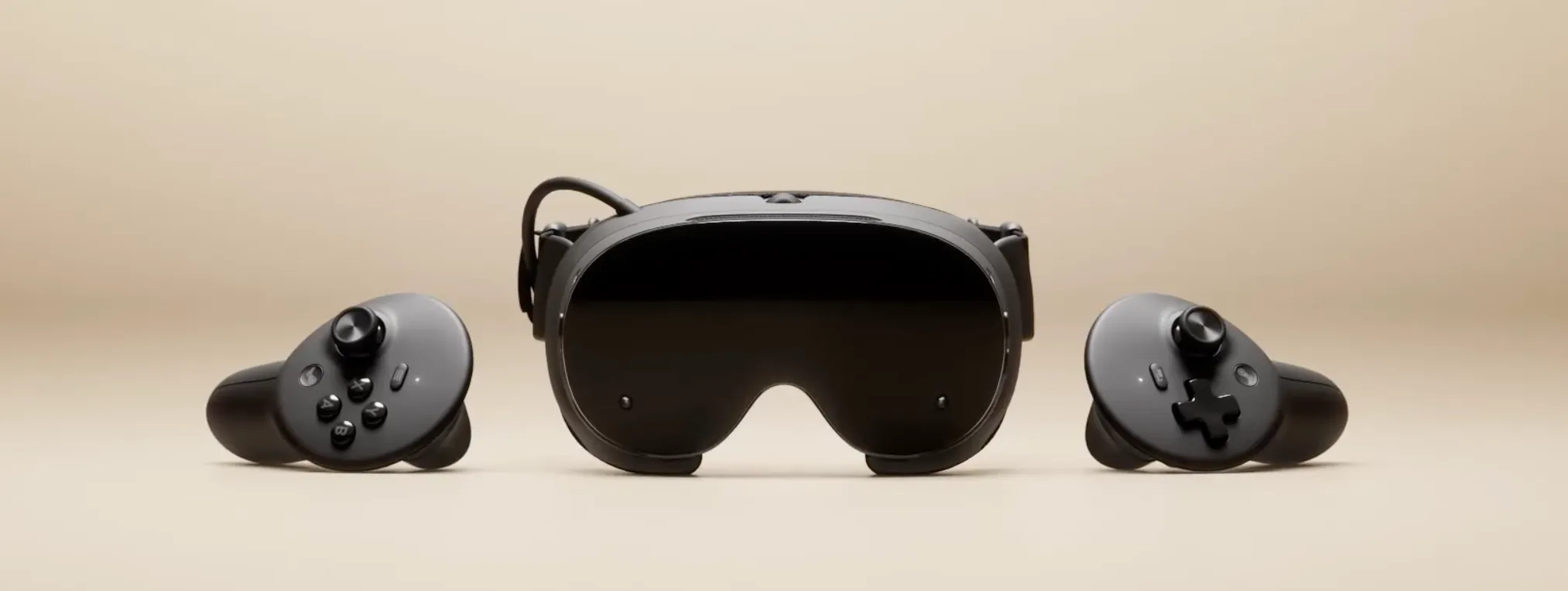
The pressure is more direct in that segment. The Meta Quest 4 arrived at $499 and, according to one reviewer's assessment in Think Different, has closed much of the technology gap with Vision Pro. That's a single reviewer's view, not a settled industry verdict, but it reflects the direction of travel.
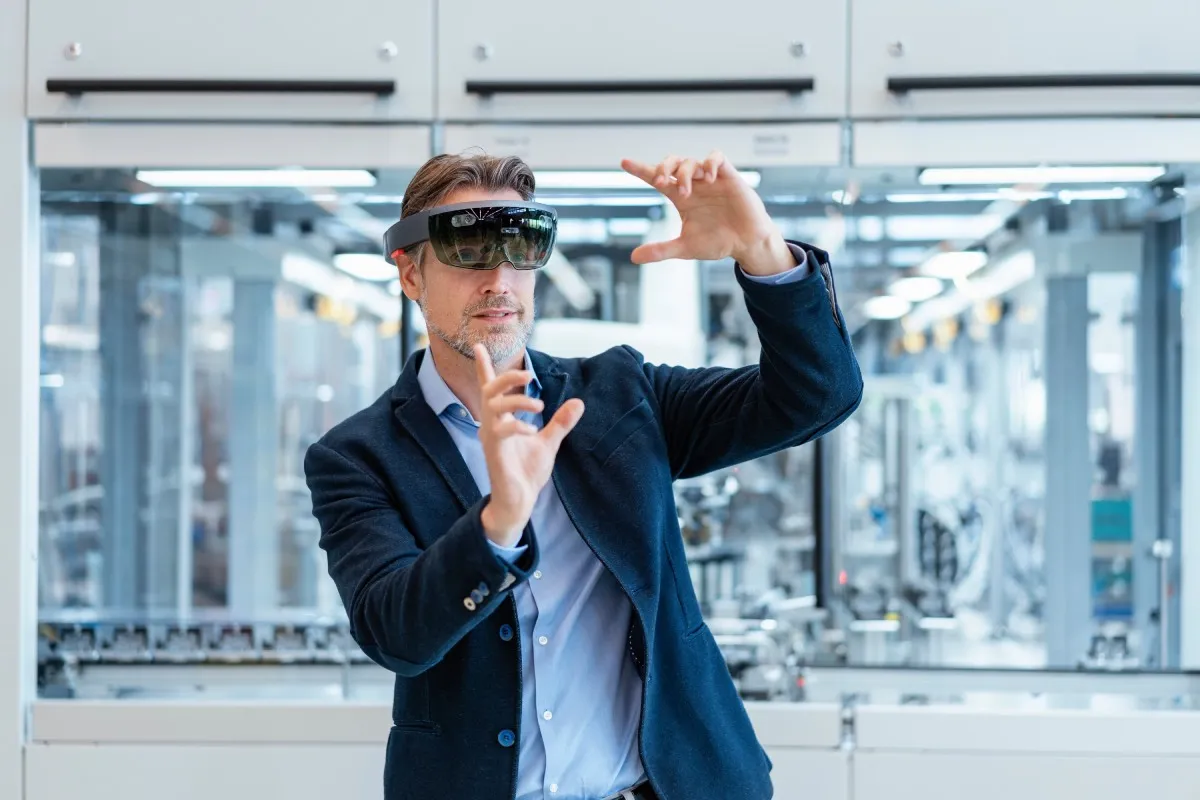
Enterprise buyers face a starker version of the same math. In Australia, where Vision Pro starts at AUD $5,499 and typically exceeds AUD $6,000 with necessary accessories, an enterprise analysis from VRC.org.au earlier this year found that a Quest 3 at roughly AUD $800 delivers adequate capability for fleet deployment. Vision Pro only justified the premium for specialized applications where display fidelity is genuinely required. For most organizations, VR and MR return on investment comes from training and simulation that doesn't demand premium hardware, the same analysis found.
Who the $7/hour ownership math actually works for
A June analysis from Think Different, based on interviews with more than 20 Vision Pro owners, estimated that at 10 hours of use per month over four years of ownership, Vision Pro costs roughly $7 per hour. The author, writing after two years of personal ownership, concluded the device is "probably not" worth $3,499 for most people.
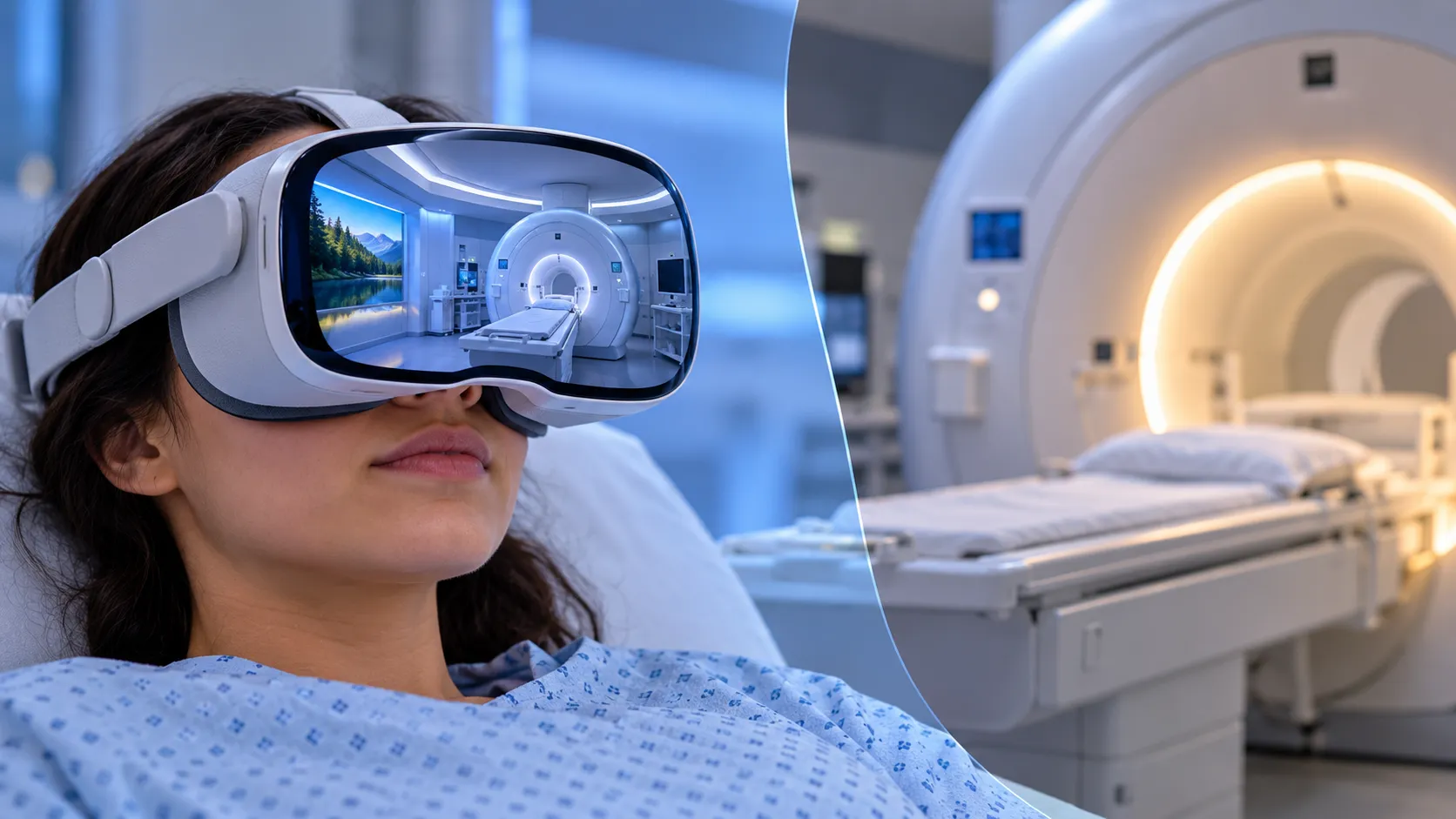
The math only compresses for one type of buyer: daily professional users with high-frequency, display-critical workflows surgical visualization, precision design, high-fidelity spatial simulation. At that usage level, the per-hour cost drops quickly and the 90-minute comfort ceiling becomes something to plan around rather than a dealbreaker.
General consumers are in a different position. The realistic usage pattern among current owners averages closer to twice monthly, per Think Different. At that cadence, capable alternatives at $499 or less change the calculation entirely. The $7/hour figure becomes generous when actual use is half what it assumes.
For first-generation owners weighing an upgrade: the M5's display and AI gains are real, and if sharper visuals or faster processing matter to how the device gets used day-to-day, this is a meaningfully better machine. The comfort ceiling, native app depth, and developer momentum are unchanged. A lighter or cheaper Vision model isn't expected for some time, per AppleInsider, which means existing owners are weighing improved hardware on a platform that hasn't materially expanded its footprint.
What needs to change for the Vision Pro price to make sense
Two headwinds are compounding each other. Smart glasses average selling prices are forecast to fall from $376 today to roughly $229 by 2030, per IDC. Apple doesn't have to raise its price for its relative position to erode. The market just has to keep doing what it's already doing.
The hardware is no longer the constraint. The M5 Vision Pro is fast, sharp, and a genuine step forward from its predecessor. What the platform still lacks and what no chip upgrade can supply is a native app ecosystem dense enough to make that $7 per hour feel like a reasonable trade for a broad population of buyers. Developer investment remains the persistent gap, per AppleInsider, and Apple's silence on the issue at WWDC 2026 suggests it isn't closing soon. Without it, the platform ceiling that limits how often Vision Pro earns its keep stays exactly where it has always been.


Comments
Be the first, drop a comment!