


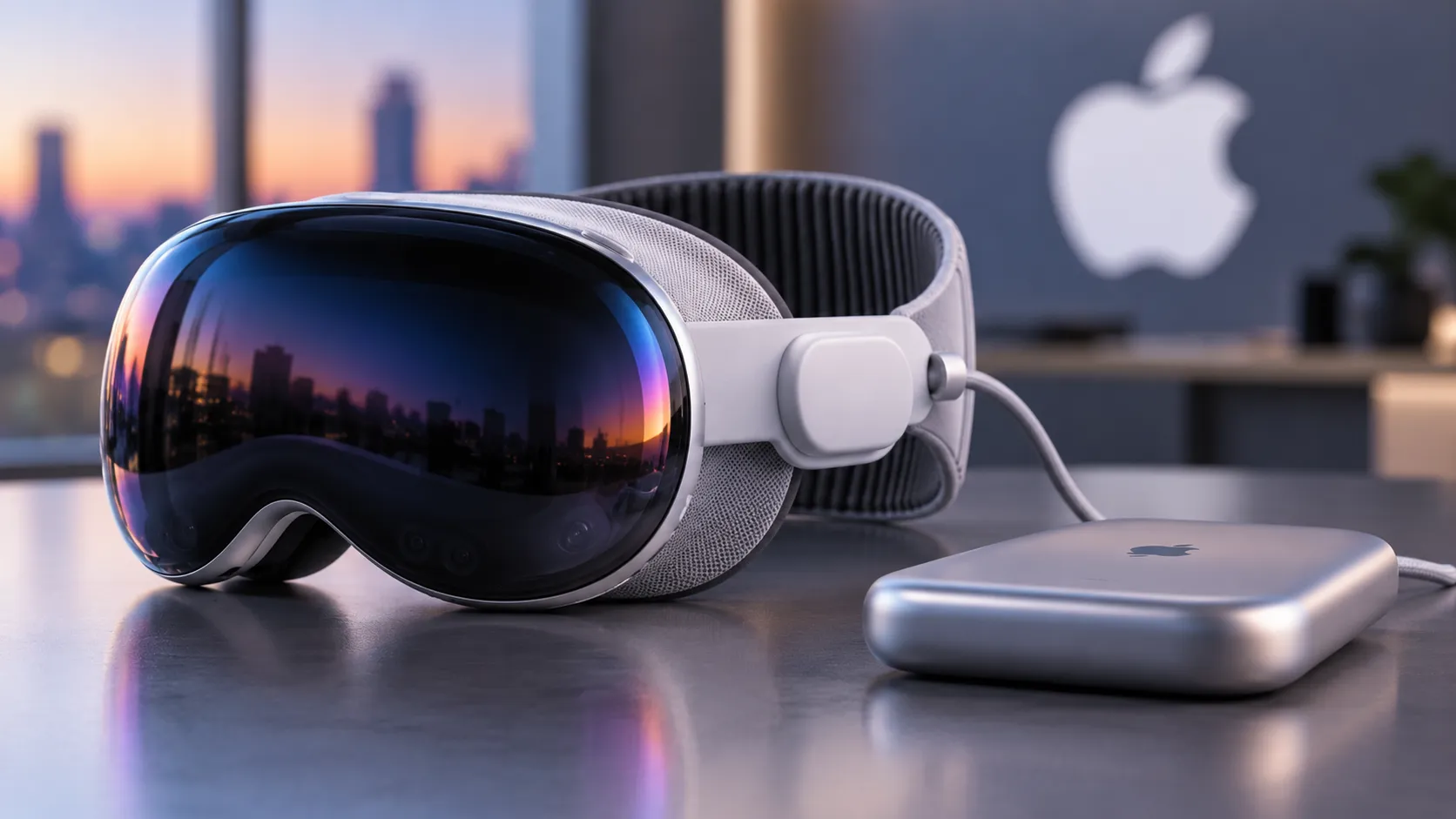
When Apple unveiled the Vision Pro in 2023, the tech world watched with anticipation as the company that revolutionized smartphones attempted to create the future of mixed reality. Fast-forward to today, and the narrative has taken a decidedly different turn. The device that was meant to usher in Apple's next era of innovation has instead become a cautionary tale about market timing, pricing strategy, and the fundamental challenge of creating entirely new product categories.
The numbers paint a stark picture of unmet expectations and dramatic strategic retreat. Apple's Chinese manufacturing partner, Luxshare, halted production early in 2025 after shipping roughly 390,000 units during the 2024 launch period, according to International Data Corporation. The current reality is even more sobering: IDC estimates roughly 45,000 units shipped in Q4 2025. Most telling of all, Apple has slashed its digital advertising spend for the Vision Pro by more than 95% in key markets including the US and UK, data from Sensor Tower reveals.
These figures represent a dramatic departure from Apple's typical product trajectory. That volume pales in comparison to the millions of iPhones, iPads and MacBooks Apple sells every quarter. For a company accustomed to reshaping entire industries through compelling product launches, the Vision Pro stands as something of an anomaly—a rare instance where Apple's innovation engine encountered insurmountable market realities.
Why the premium approach backfired
The Vision Pro's struggles illuminate fundamental barriers that even Apple's legendary product expertise couldn't overcome. The device's $3,499 starting price positioned it far beyond mainstream reach, creating what analysts describe as an insurmountable barrier to adoption. Morgan Stanley analyst Erik Woodring points to the high cost, bulky design and a limited number of native VisionOS applications as key factors behind its failure to gain broad acceptance.
The app ecosystem reveals a particularly revealing contrast with Apple's previous category-defining launches. Apple claims about 3,000 apps have been designed specifically for the headset, but this pales in comparison to the tens of thousands that arrived within a year of the iPhone App Store's launch in 2008. This limited software library creates a classic chicken-and-egg problem: developers hesitate to invest in a platform with such a small user base, while consumers see little compelling content to justify the hefty investment.
Apple's typical product strategy involves launching at premium price points before gradually expanding accessibility through improved technology and economies of scale. The iPhone started at $499-$599, the iPad at $499, and the original Apple Watch at $349. By contrast, the Vision Pro's $3,499 entry point immediately excluded the vast majority of potential users, limiting the device to a narrow slice of early adopters and enterprise customers willing to experiment with cutting-edge technology regardless of practical limitations.
The device's physical constraints compound these challenges significantly. Users frequently cite issues with weight distribution, the external battery tether, and general discomfort during extended use. These aren't minor inconveniences—they're fundamental barriers to the kind of daily adoption that transforms experimental technology into essential tools.
What the broader VR market reveals
Apple's challenges reflect deeper structural issues within the entire mixed reality landscape that extend far beyond any single company's execution. The global virtual reality headset market fell 14% year over year, Counterpoint Research estimates, with Meta's Quest devices maintaining roughly 80% market dominance despite facing similar demand headwinds. This broader market contraction suggests that consumer appetite for VR technology remains fundamentally limited, regardless of which brand delivers the experience.
The gap between initial projections and actual performance tells its own story about market readiness and industry optimism. When the headset first hit the market in early 2024, analysts predicted sales could reach 600,000 units that year. Instead, sources indicate that total shipments for 2025 may have hovered around 80,000 to 90,000 units. This dramatic shortfall between expectation and reality highlights how even sophisticated market analysis struggled to predict consumer behavior in this emerging category.
The contrast with Apple's other product categories is particularly striking. The company routinely moves millions of units across its iPhone, iPad, and Mac lineups each quarter, building massive user bases that attract developer investment and create virtuous cycles of content creation and adoption. The Vision Pro exists in an entirely different universe, where quarterly shipments measured in tens of thousands represent a fundamentally different business proposition.
Apple's strategic pivot and what comes next
Recognizing these market realities, Apple has begun implementing significant strategic changes that signal a more measured approach to mixed reality technology. In October, Apple introduced an upgraded Vision Pro powered by its M5 chip, featuring improved performance, longer battery life and a redesigned headband aimed at improving comfort. More significantly for the long term, the company is expected to release a lower-priced version of the headset this year, potentially addressing the price barrier that has severely limited adoption.
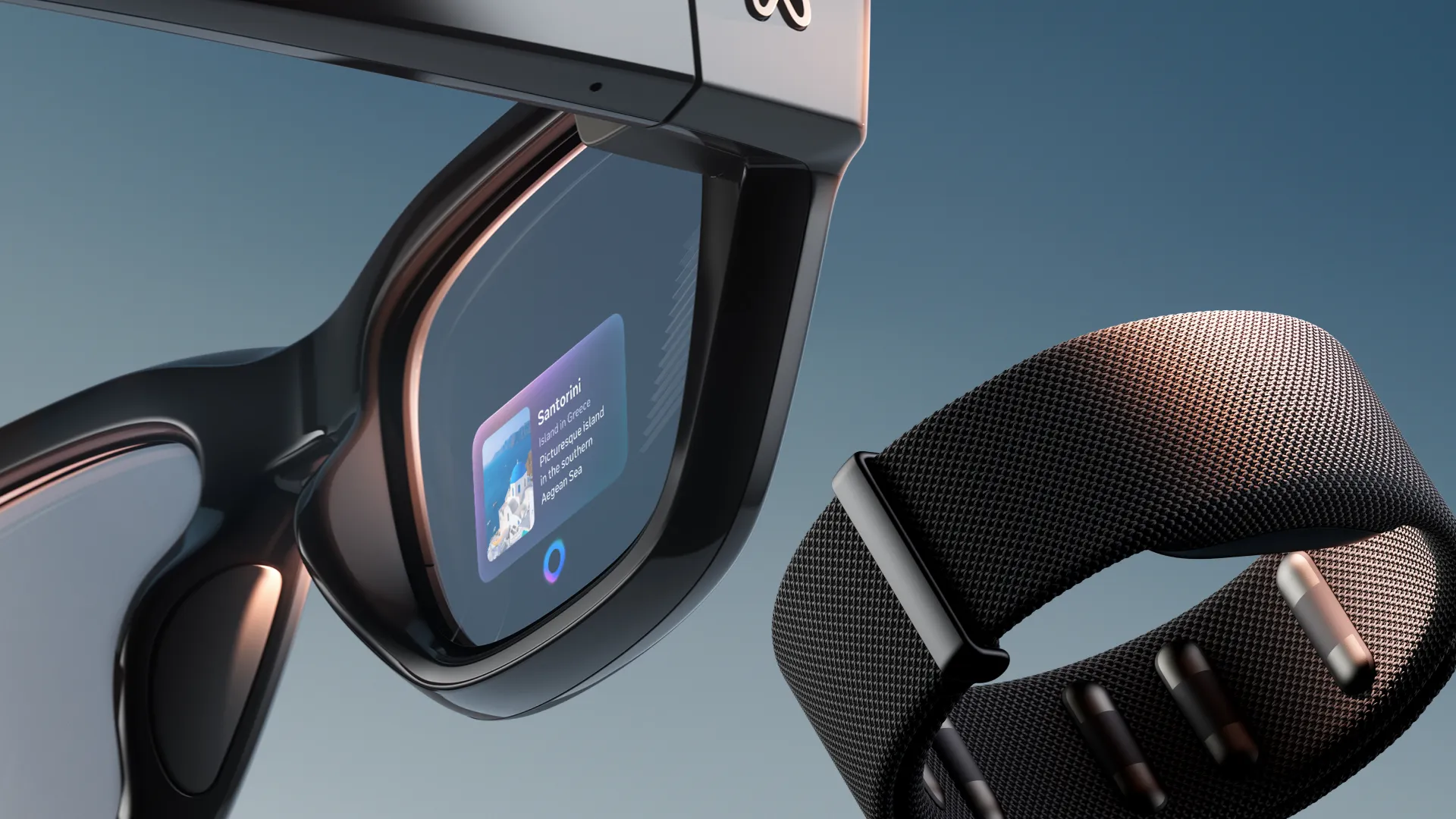
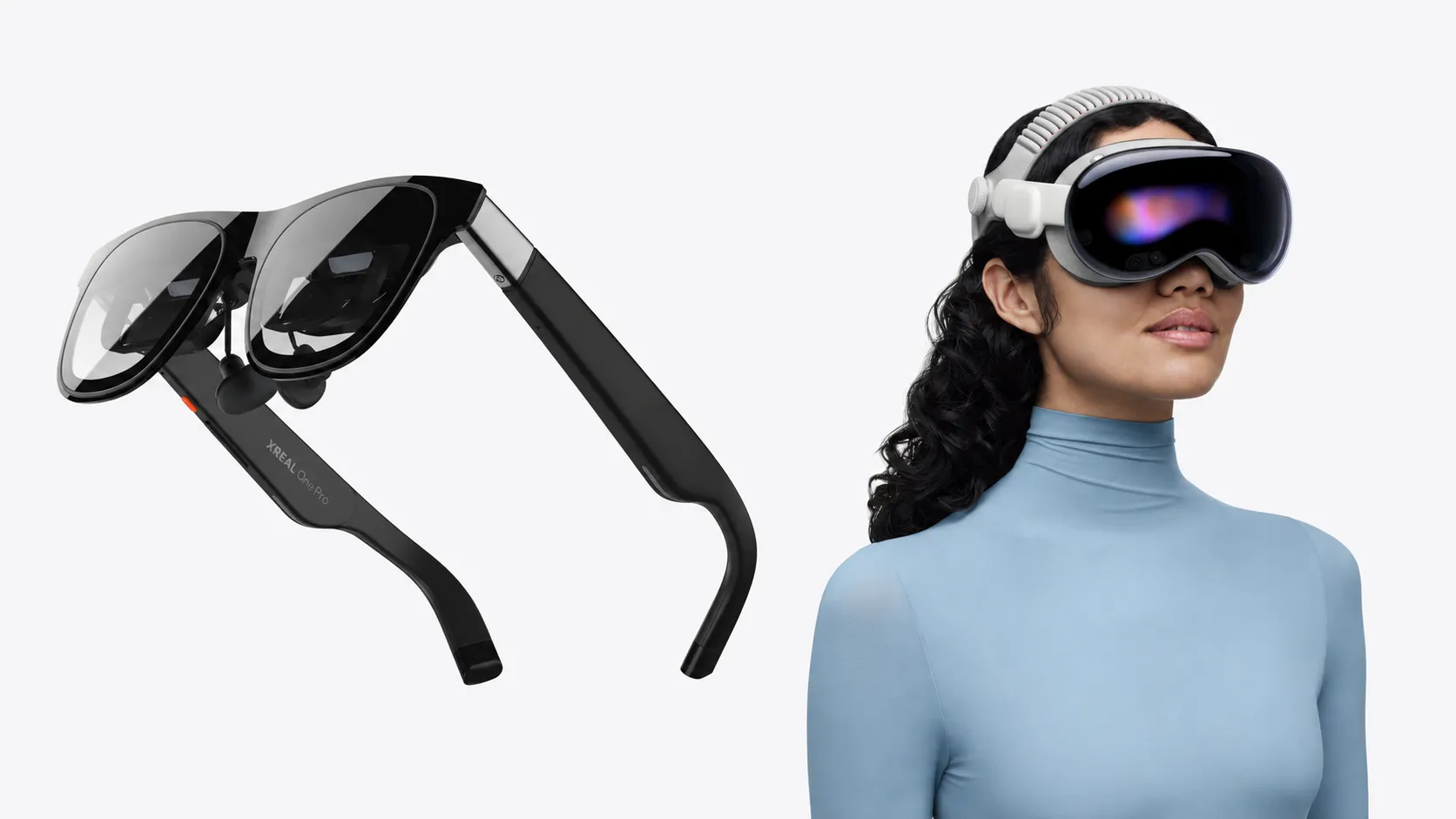
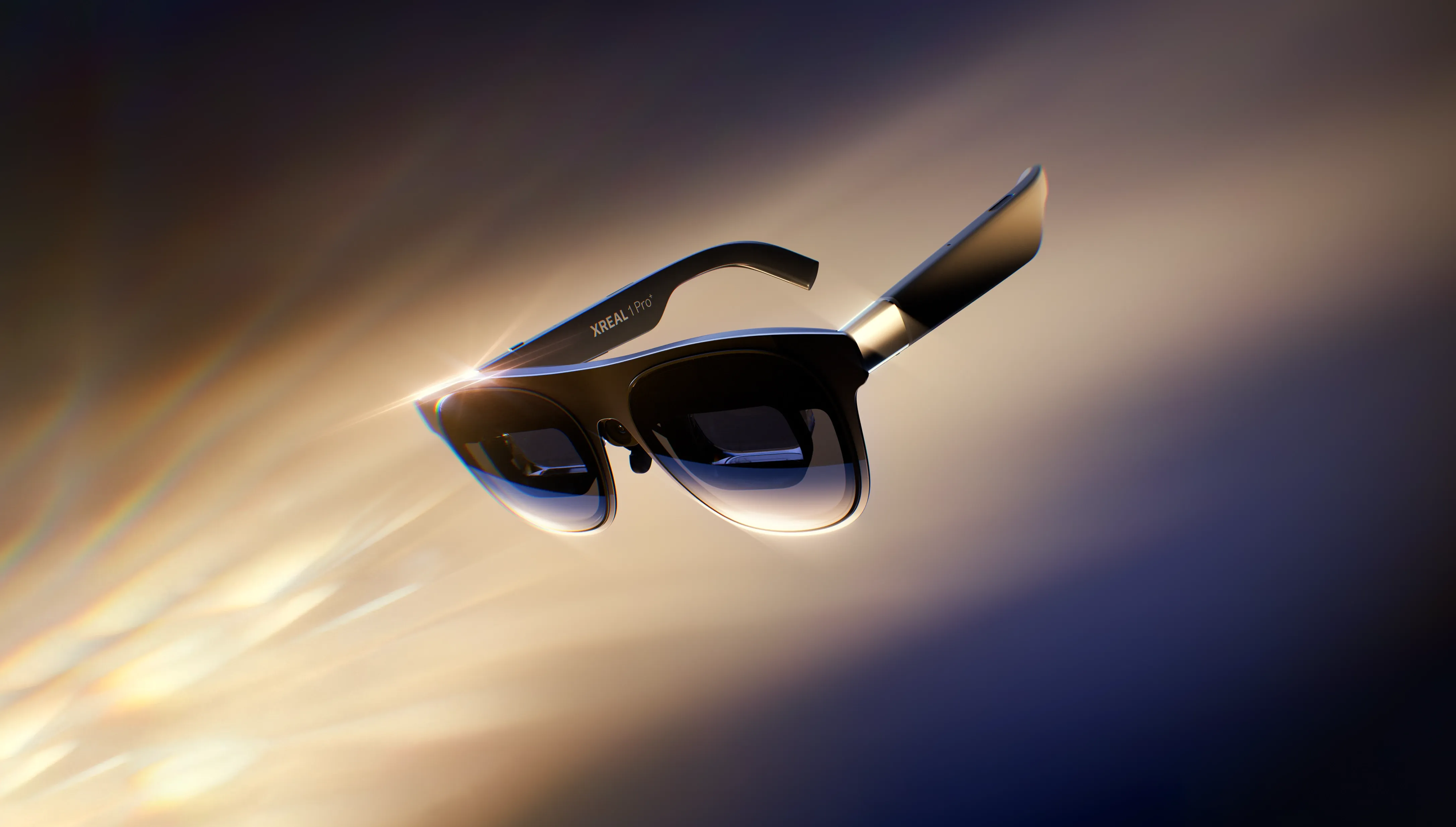
Behind the scenes, even more dramatic strategic shifts are underway that suggest Apple's long-term vision for AR/VR may look quite different from the current Vision Pro approach. Apple paused Vision Pro updates in 2025, shifting engineering resources to smart-glass projects, industry sources indicate. This strategic pivot suggests Apple recognizes that lightweight, accessible AR wearables may represent a more viable path toward ubiquitous augmented reality than premium mixed-reality headsets.
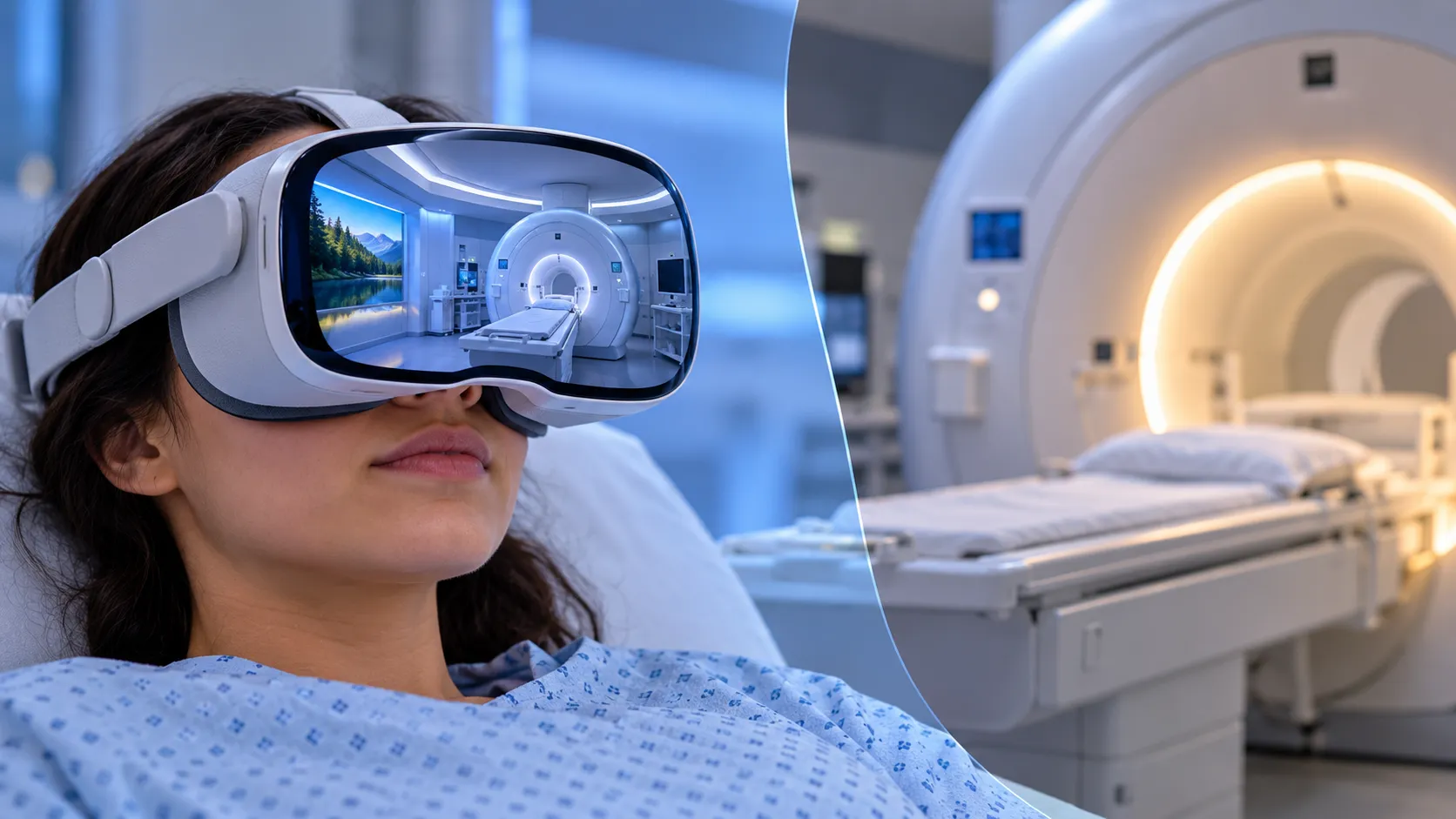
The Vision Pro has discovered meaningful traction in specific enterprise applications that justify its premium positioning through concrete business value. The device has been finding its true home in niche industries such as medical applications, pilot training, and interior design, reports suggest. These specialized use cases, where the high price can be justified by specific productivity gains, training benefits, or professional applications, represent a more sustainable foundation than the mass consumer adoption Apple originally pursued.
This enterprise focus aligns with broader industry adoption patterns in emerging technology categories. According to IDC, three-quarters of Vision Pro buyers are businesses that likely have the budget for Apple's device. While they're not purchasing in bulk, these organizations are experimenting with the technology for app development, specialized training programs, and workflow optimization, creating a knowledge base that could inform future iterations as the technology matures.
Learning from a rare Apple misstep
The Vision Pro's trajectory offers crucial insights into the complex relationship between innovation timing, market readiness, and consumer adoption that extends beyond Apple's specific execution. Even Apple's legendary ability to create demand for entirely new product categories has its boundaries when fundamental barriers around price, comfort, and compelling use cases remain unresolved. The device's performance validates long-standing analyst concerns about the mixed reality market's readiness for mainstream adoption.
What makes this experience particularly noteworthy is how it contrasts with Apple's typical product development and market introduction playbook. The iPhone, iPad, and Apple Watch all faced initial skepticism but quickly found market traction through compelling use cases, gradually expanding price points, and rapid iteration based on user feedback. The Vision Pro, by contrast, launched at a price point that immediately excluded most potential users while offering experiences that, however technically impressive, didn't solve pressing everyday problems for most people.
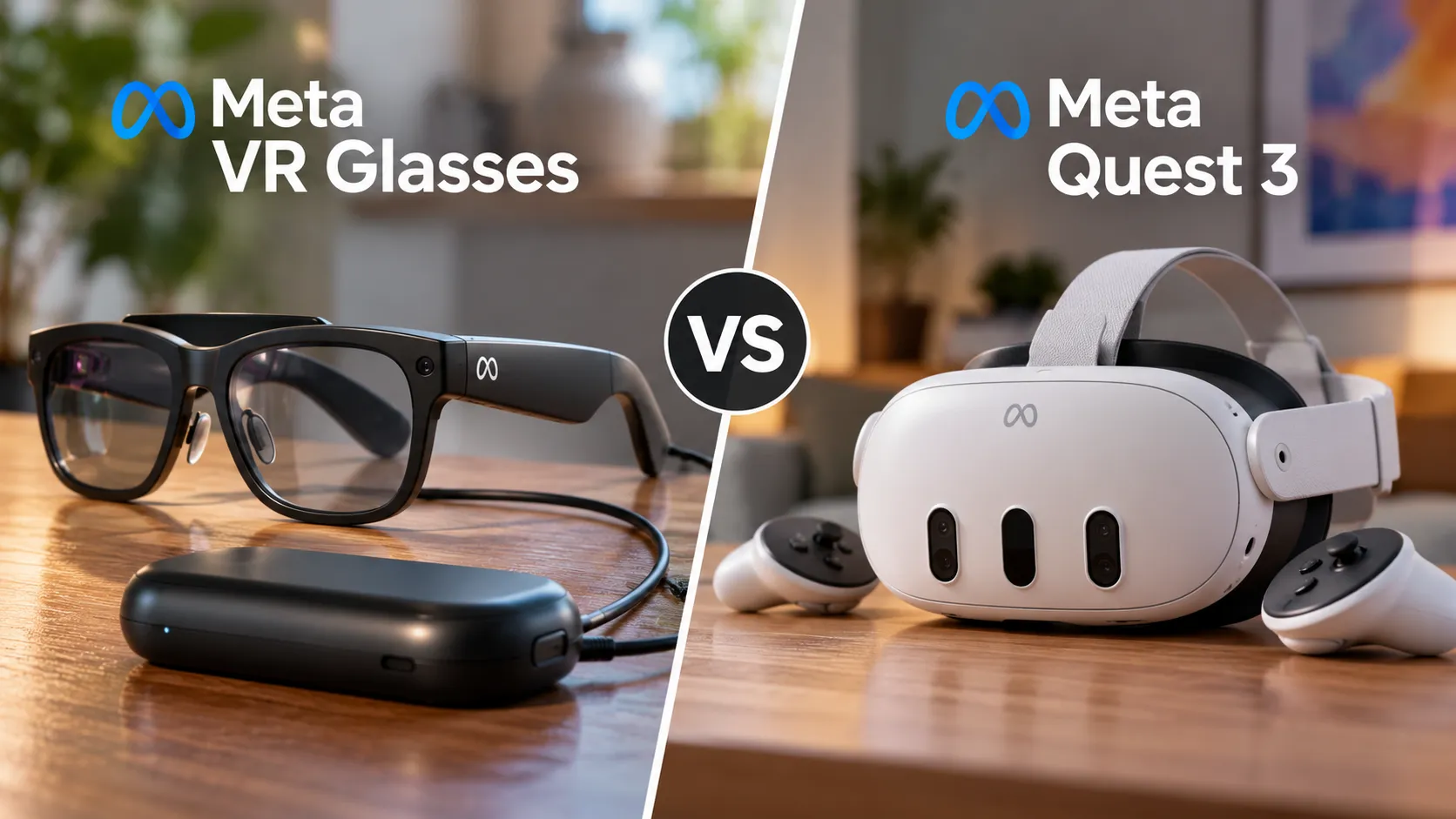
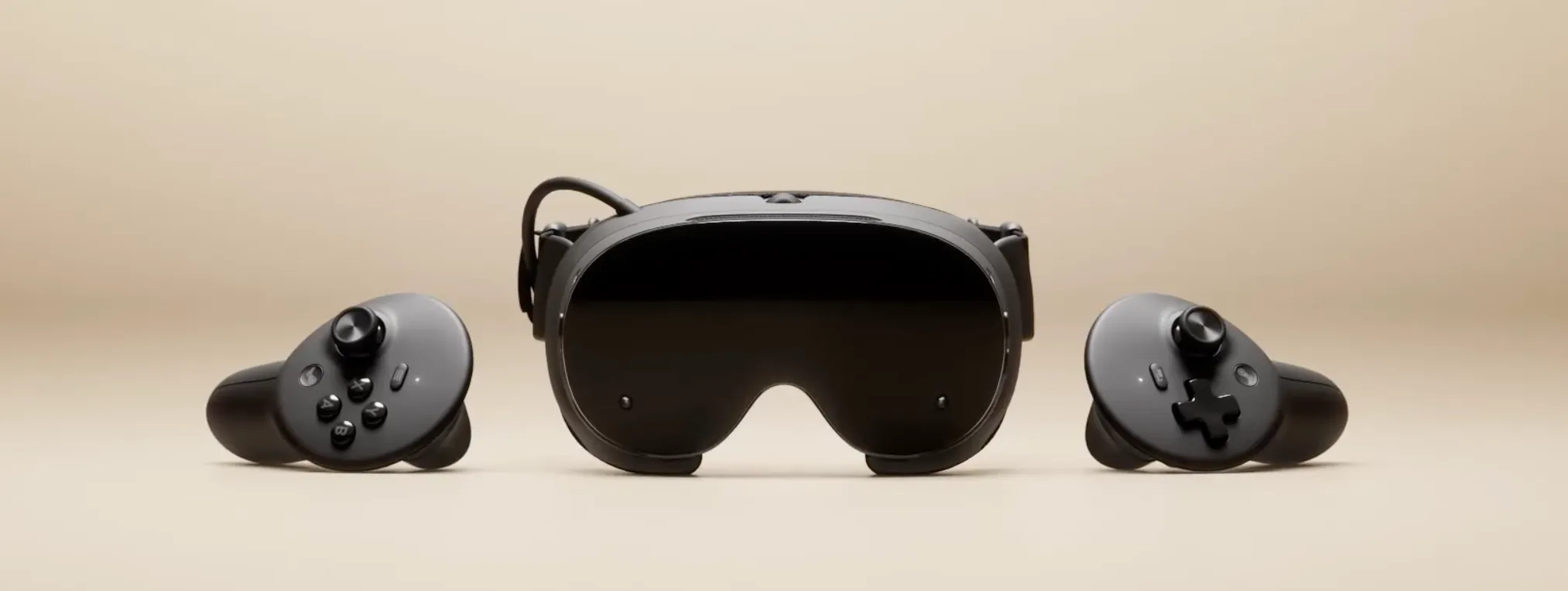
The broader implications extend beyond Apple's specific challenges to the fundamental question of how revolutionary hardware technologies achieve mass market acceptance. The Vision Pro story highlights the difficulties of bringing futuristic hardware to mass markets, especially when competing against more affordable alternatives. Meta's Quest line offers similar experiences at a fraction of the price, and while Apple's offering delivers superior build quality and integration with existing Apple ecosystems, those advantages haven't proven sufficient to overcome the dramatic price differential.
Perhaps most importantly, the Vision Pro's challenges demonstrate that innovation timing remains as crucial as innovation quality in determining market success. The technology needed to create truly compelling mixed reality experiences—lightweight hardware that can be worn comfortably for hours, all-day battery life, seamless integration with existing workflows, and content libraries that justify significant investment—may still be years away from mass market viability. Apple's strategic pivot toward smart glasses and more affordable mixed reality devices suggests recognition that the path to ubiquitous augmented reality may require more incremental steps rather than the revolutionary leap the Vision Pro attempted to represent.





Comments
Be the first, drop a comment!