


Artemis II Apple Vision Pro Immersive Video Claim Fact-Checked
Reports have been circulating that NASA's Artemis II launch will be filmed as immersive spatial video for the Apple Vision Pro. With liftoff targeted for tomorrow evening, neither NASA nor Apple has issued any public statement confirming this. No stereoscopic capture hardware appears in Artemis II documentation, no production partner has been named, and nothing in NASA's official coverage plan connects to Apple's content ecosystem. The Artemis II Apple Vision Pro immersive video claim is circulating without a single verifiable anchor.
The mission itself is not in question. Astronauts Reid Wiseman, Victor Glover, Christina Koch, and CSA astronaut Jeremy Hansen are scheduled to lift off no earlier than 6:24 p.m. EDT Wednesday, April 1, with backup windows through April 6, per NASA last week. For an April 1 launch, the crew is expected to surpass Apollo 13's record of 248,655 miles from Earth, the farthest any humans have ever traveled, NASA noted last week. The roughly 10-day journey will be the first time humans have traveled beyond Earth's magnetosphere in more than 50 years, according to NASA's Scientific Visualization Studio earlier this month.
What follows is a fact-check. The mission's ambition is real and well-documented. The gap between what NASA has confirmed and what the rumor asserts is the story worth examining.
What Artemis II's new transmission system does and where it stops
The key technical point here is Orion's new Optical Communications System, designated O2O. It can relay 4K footage from lunar distance back to Earth at 260 megabits per second via laser link, Yahoo Tech reported yesterday. That is a real upgrade over the radio-frequency systems used on prior crewed missions, and it is the confirmed video story of Artemis II: sharper imagery, transmitted faster, from deeper in space than any crewed mission before it.
The system has predictable physical limits. When Orion passes behind the Moon, the laser link goes dark for a planned 41-minute blackout. Ground-station weather and the challenge of holding laser lock across roughly 240,000 miles introduce further variability, the same report noted. NASA also flagged that flyby video may be restricted if Orion passes through an eclipse during an April 1 launch, per NASA last week.
Transmission is not capture.
O2O is a pipeline. It moves video data from Orion to the ground. It says nothing about what cameras are aboard, how they are oriented, or what format they record. A 4K downlink at 260 Mbps and an Apple Vision Pro-ready immersive experience are separated by an entire layer of intent, hardware, and production decisions that the O2O specification does not address. Most current coverage treats them as the same question. They are not.
Why the Artemis II spatial video claim doesn't hold up
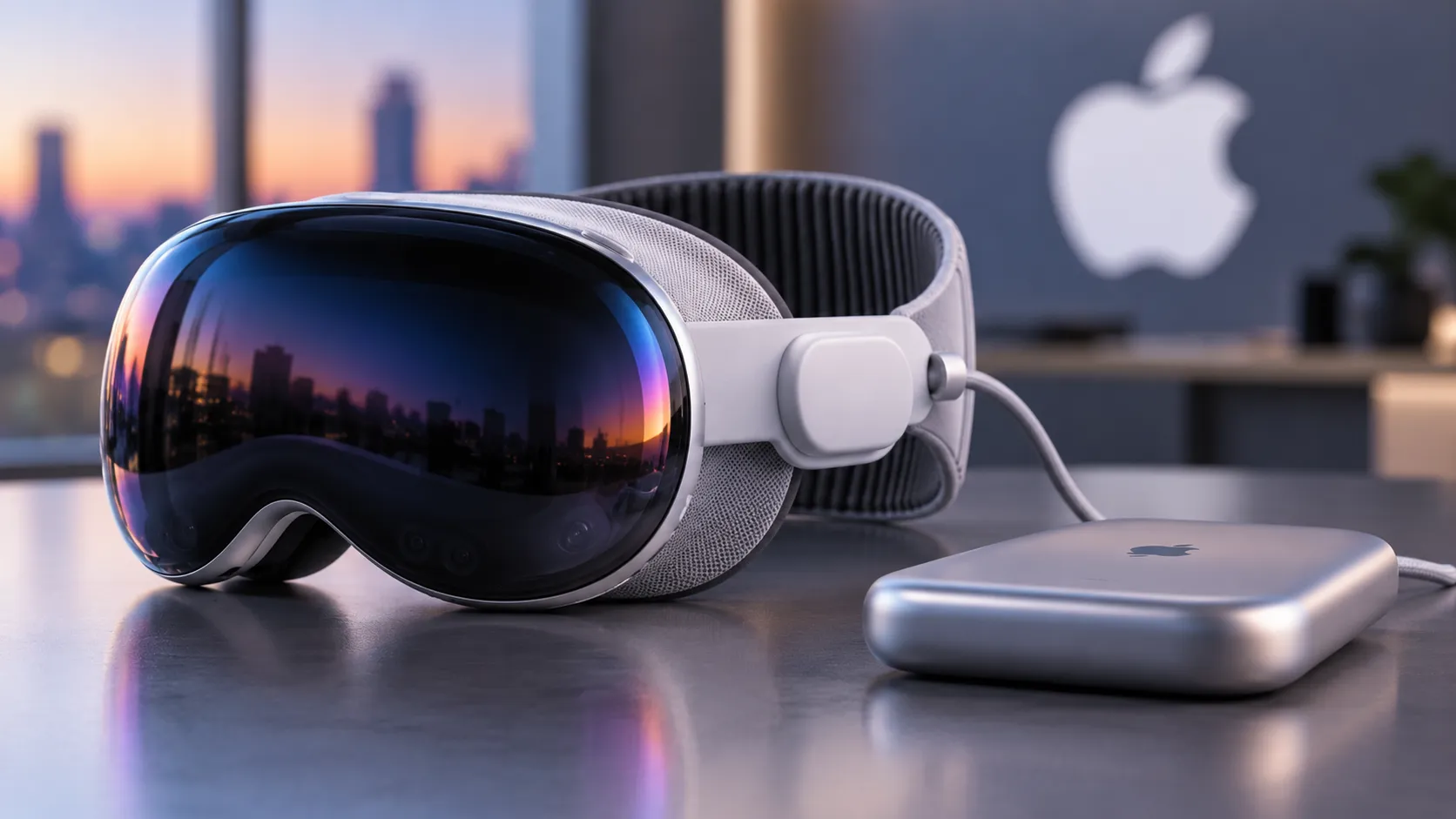
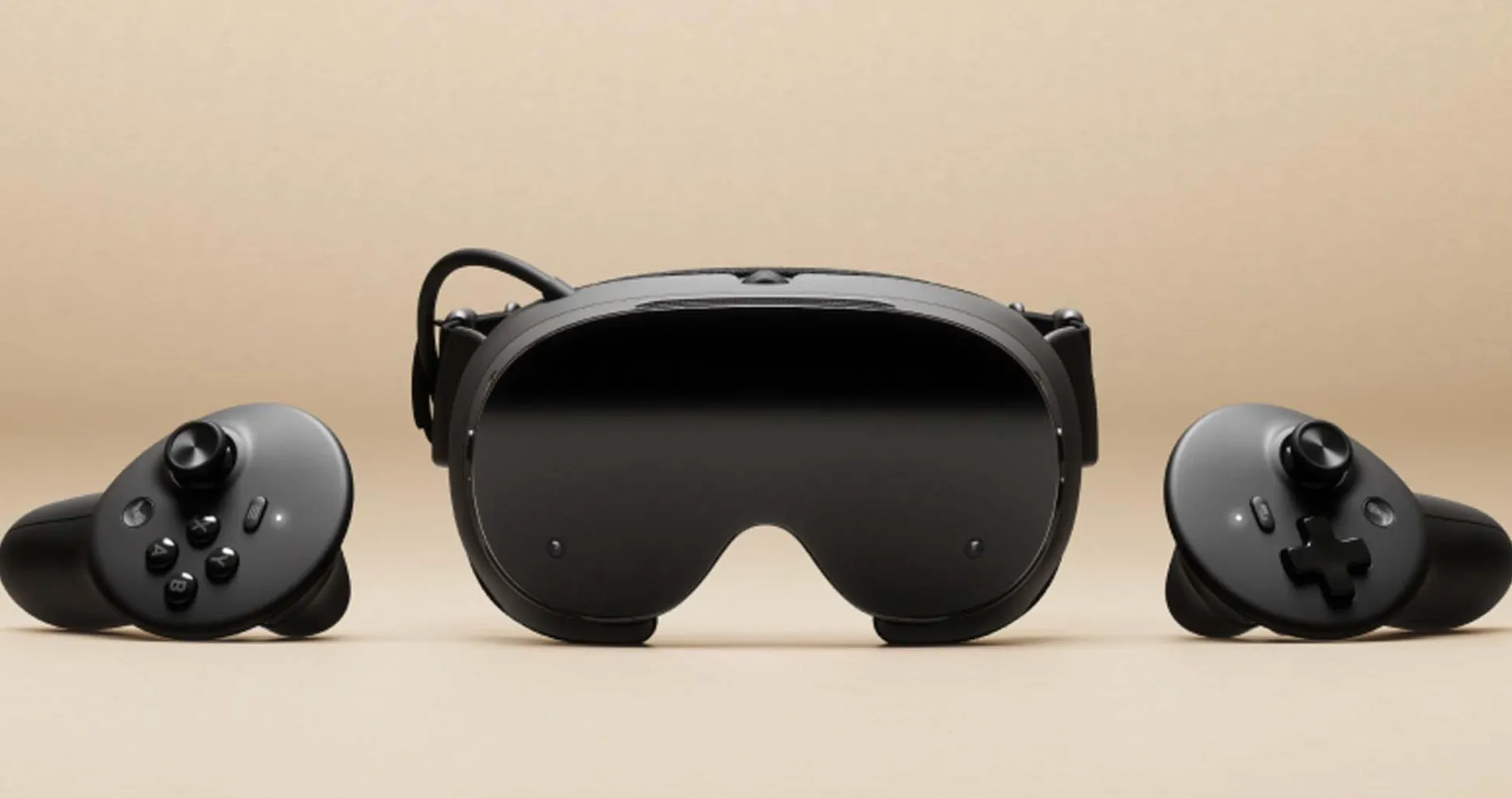
Native Apple Vision Pro spatial video depends on stereoscopic capture at the time of recording: two lenses spaced to approximate human eye separation, recording simultaneously to produce the depth information the headset renders. The perceptual effect is distinct from high-resolution flat video. It is not a post-processing enhancement. It has to be captured that way from the start footage recorded on a standard camera cannot be converted into genuine spatial video after the fact.
Standard spaceflight cameras, positioned for crew monitoring, operational readouts, and mission documentation, are not configured for this. No Artemis II manifest, hardware specification, or public briefing describes stereoscopic equipment aboard Orion or at Kennedy Space Center for launch capture. A 4K image that arrives at Earth via O2O is still a flat 4K image. Crisp resolution does not produce depth.
The production requirements extend beyond the cameras themselves. Immersive productions of this kind typically involve separate spatial audio workflows and a post-production pipeline built for headset display rather than broadcast, along with dedicated crews operating independently from NASA's live coverage infrastructure. A stated release path within Apple's content ecosystem would also need to exist somewhere in the public record.
None of that is visible in any Artemis II documentation.
NASA's confirmed coverage footprint runs across NASA+, Amazon Prime Video, and YouTube, per NASA last week. Apple's Vision Pro content ecosystem does not appear on that list. That absence alone does not rule out a parallel immersive production, but it describes exactly what NASA has committed to. There is no Apple-adjacent channel anywhere in that plan.
Could the NASA Artemis II launch immersive video rumor still turn out to be true?
Structurally, the claim is plausible. Artemis II is historically significant. O2O is a real transmission upgrade. The 10-day mission duration makes a post-produced immersive package more realistic to produce after the mission than as a live broadcast there would be substantial footage to work with, and enough time to build something worth a headset release. A spatial video documentary published weeks or months after splashdown is the version of this story that makes the most practical sense.
Plausibility is not confirmation. The markers that would make this verifiable are specific, and all of them are checkable:
- A public statement from NASA or Apple naming this as a planned production
- Stereoscopic or spatial capture hardware identified in pre-launch media photos or manifests at Kennedy Space Center
- A named production company with spatial video credentials attached to the project
- Permitting, crew credits, or behind-the-scenes reporting tied to an Apple Vision Pro Artemis II launch production
- A stated release path within Apple's App Store or content ecosystem
As of today, none of those exist in the public record.
Live multiplatform coverage begins tomorrow across NASA's confirmed channels, with dedicated streams for launch, lunar flyby, and splashdown, per NASA last week. The crew will travel farther from Earth than any humans have in over 50 years, per NASA SVS. O2O will attempt to deliver the best video ever transmitted from lunar distance, as Yahoo Tech reported yesterday.
The mission's scale is real. The transmission upgrade is real. If a NASA Artemis II Vision Pro video production exists alongside all of that, it will need its own announcement and that announcement, not the mission's historic ambition, is the only thing that makes the claim credible.








Comments
Be the first, drop a comment!