


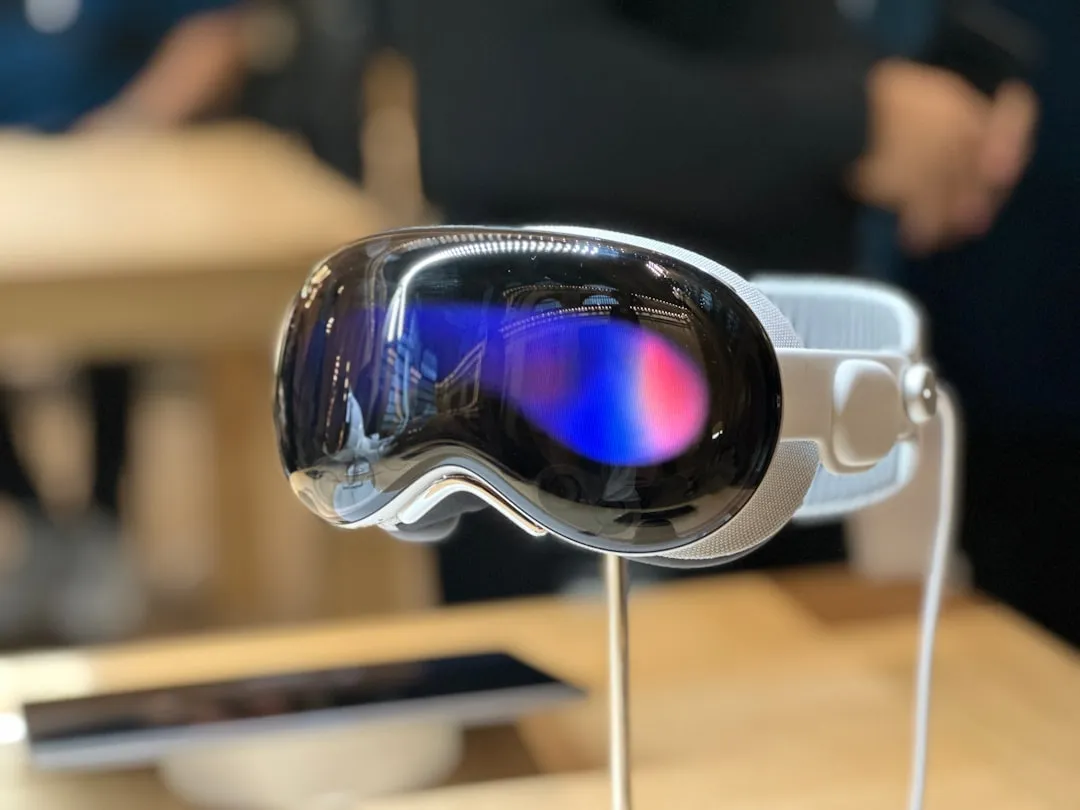
Black Apple Vision Pro Leaks Explained: Prototype, Not Product
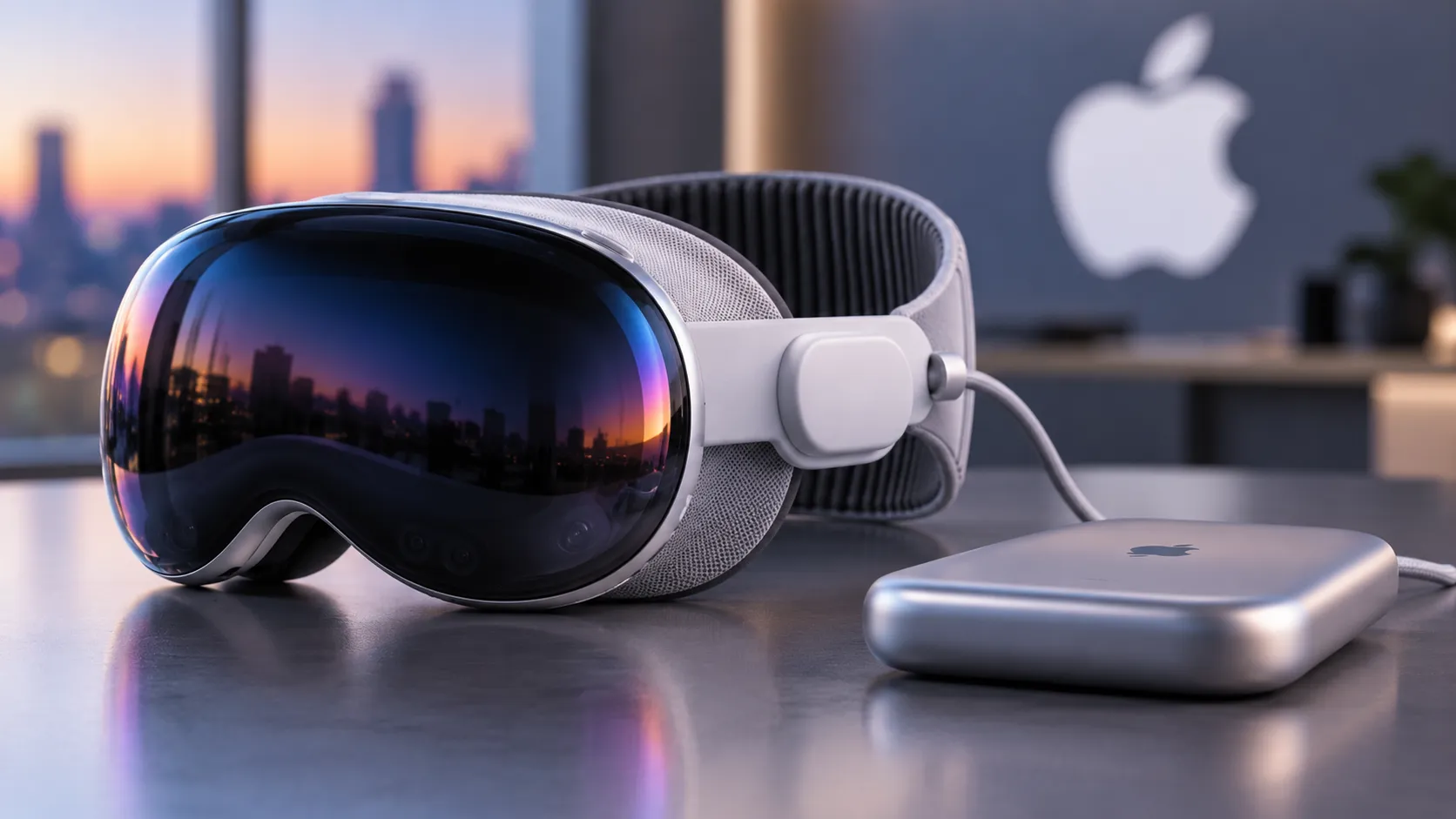
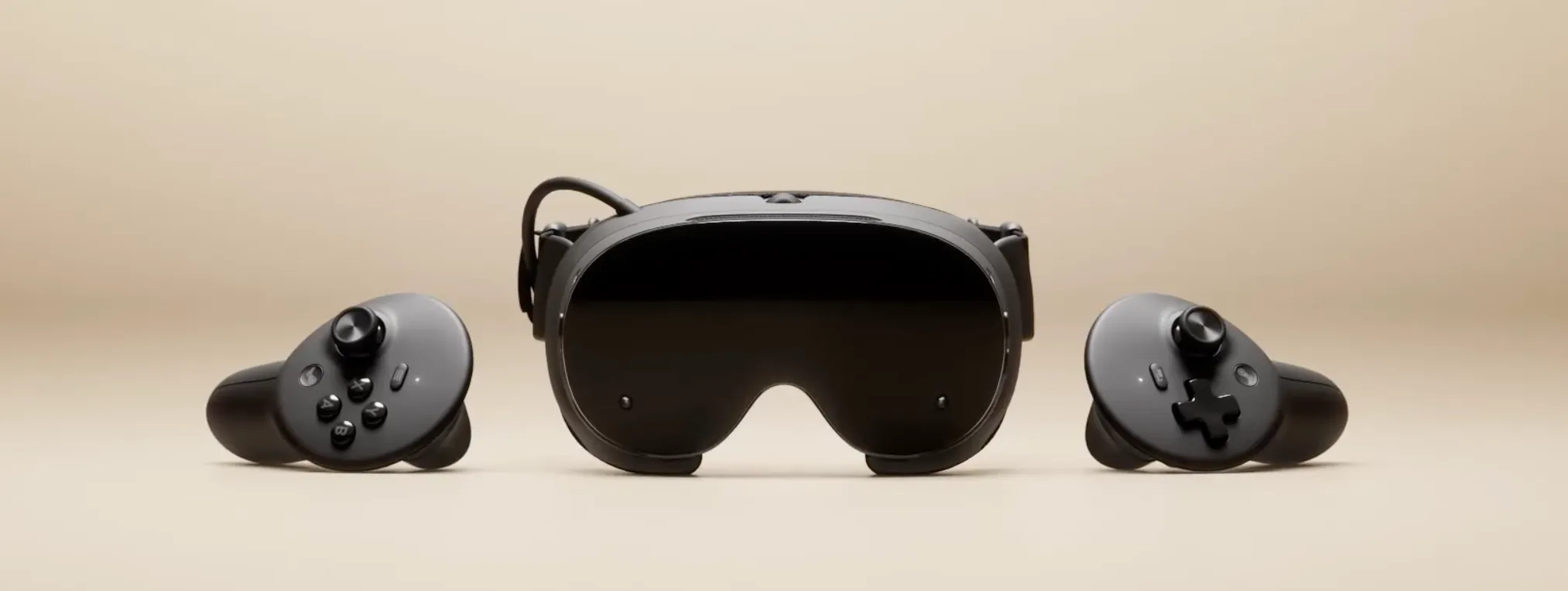
Images of dark-finish Vision Pro components leaked this week via X account @LusiRoy8, showing power strap and audio pod parts that appear structurally identical to the current headset, distinguished only by a black finish never seen on any retail product, MacRumors reported. Similar black Apple Vision hardware has surfaced in prior leaks, and the account claims the parts belong to an upcoming second-generation Vision Pro. That claim is worth examining carefully, because the evidence for a black Apple Vision Pro prototype is fairly solid, while the evidence for an imminent product launch is not.
The gap between those two things is where this story lives.
What the all-black Apple Vision Pro parts actually show
Two separate leakers have now surfaced dark-finish Vision Pro components at different points over the past several months. Prototype collector Kosutami shared images of a left power strap and audio pod with a dark finish last December, and @LusiRoy8 shared comparable parts this week, MacRumors reported in both cases. Both sets of parts appear otherwise identical to shipping hardware. The consistency across leakers and across time is the strongest argument that Apple has built prototype hardware in a dark finish.
One detail from the December leak carries more weight than the color itself. Kosutami also shared images of a Midnight-finish connector intended for a next-generation Vision headset that used only eight pins, compared to the twelve-pin connector on the current Vision Pro's external battery cable, according to MacRumors. A different pin count suggests Apple may have been rethinking the power system entirely, not simply repainting existing parts. That makes the black hardware a plausible signature of a structurally different device, not a cosmetic refresh of the current model.
Kosutami's prior claims point toward a specific candidate. The leaker described an internally tested device referred to as "Vision Air," reportedly a thinner, lighter headset with a Midnight-colored aluminum exterior, with titanium used for structural components and the battery enclosure to reduce overall weight, per MacRumors. The current Vision Pro weighs 750 to 800 grams depending on the headband, TechPowerUp noted. The titanium detail suggests Apple was specifically engineering around that number.
The terminology matters here, though. "Space Black," "Midnight," and "all-black" appear across different leak reports without any confirmation they refer to the same device, the same finish, or the same product timeline. Bloomberg's Mark Gurman, the most reliable source in this space, said only that Apple had considered a Space Black option, MacRumors reported nine months ago. That is a meaningfully weaker claim than an imminent product launch. Prototype-part leaks establish that Apple built something. They do not establish that Apple intends to sell it.
Apple's headset roadmap has stalled, and the timing matters
Whatever Apple was building when those prototypes were made, the strategic context has shifted. Bloomberg's Gurman reported last October that Apple had paused development on all Vision headsets to redirect resources toward AI-powered smart glasses, a lighter form factor closer in concept to Meta's Ray-Ban collaboration than to the Vision Pro's spatial computing ambitions, MacRumors noted. Engineers from the Vision Products Group were reassigned to the smart glasses team and to Siri development. Apple is also reportedly working on camera-equipped AirPods and an AI pendant, a wearables roadmap that is broadening away from heavy headsets.
Gurman has since pushed back on reports that Apple abandoned the Vision Pro entirely. His current position: a genuine successor exists, but anyone expecting one will be waiting at least two more years, MacRumors reported. That framing places the leaked components in a specific context. They most plausibly reflect development work that was active before the strategic pause, not active preparation for an imminent launch.
Apple had been widely expected to release both a lower-cost Vision Air and a redesigned Vision Pro 2, according to MacRumors. Neither has materialized. Sources close to MacRumors told TechPowerUp last month that Apple was close to abandoning next-generation Vision Pro development altogether. The black components appearing in leaks likely belong to one of those deferred paths.
The sales record makes a black color option a weak strategic bet
Apple's October 2025 M5 chip upgrade delivered a substantial performance improvement over the original M2-based model and moved almost nothing in the market. IDC estimated Apple shipped roughly 45,000 Vision Pro units in Q4 2025, a holiday quarter, while Apple simultaneously cut digital advertising for the headset by more than 95 percent year-over-year in the US and UK, PCMag reported early this year. Apple's Chinese manufacturing partner Luxshare reportedly halted production at the start of 2025, according to the Financial Times as cited by PCMag. Lifetime sales stand at roughly 600,000 units, TechPowerUp reported last month.
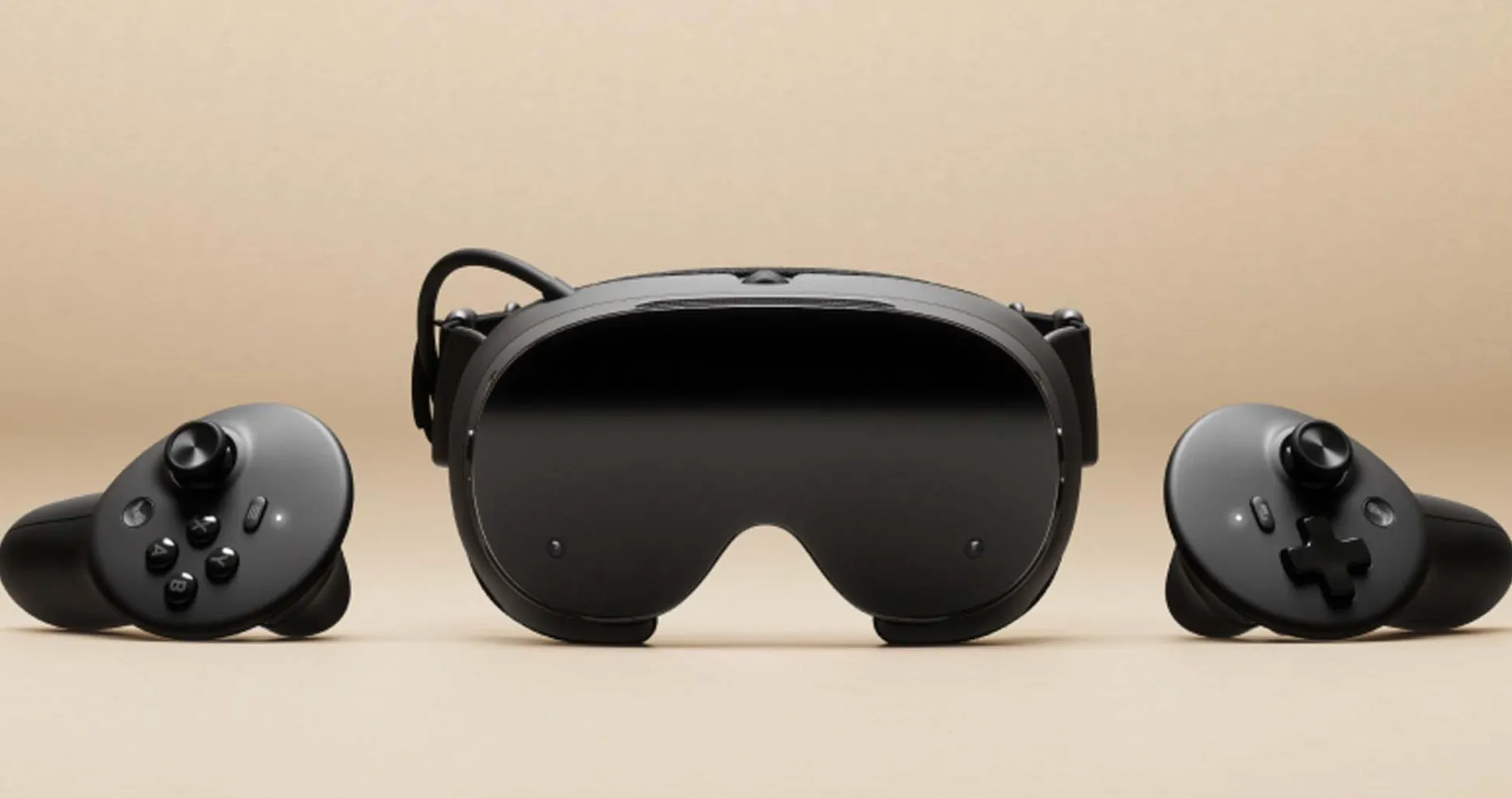
A new finish can function as a visible differentiator when internal changes are modest. That is roughly the role the black Apple Watch Ultra 2 played after its silver predecessor, as 9to5Mac observed nine months ago. But the Vision Pro's adoption problem has never been about how it looks. Samsung's Galaxy XR launched at $1,799 with broadly comparable features, and Meta's Quest lineup still held roughly 80 percent of a VR market that itself shrank 14 percent year-over-year, PCMag reported. The headset's core barriers are price, weight, and a limited set of use cases that most people find compelling. A new color does not address any of them.
The M5 refresh made that plain. A chip upgrade substantial enough to headline any MacBook or iPad announcement failed to generate meaningful sales momentum. A color change, landing in the same market against the same competitive picture, would face identical headwinds.
How to tell a prototype leak from an actual launch signal
Not all hardware leaks carry equal weight, and the black Vision Pro evidence is strong on exactly one question. Apple built dark-finish prototype hardware. Everything downstream of that is genuinely uncertain.
The difference between a prototype leak and a real launch signal is measurable. FCC regulatory filings indicate a device cleared for commercial sale. Supply-chain reporting reflects production orders at scale. Event-timeline reporting from high-confidence sources positions a specific product within a specific announcement window. None of those indicators have appeared for a black Vision Pro or Vision Air.
What has appeared: partial components from prototype collectors and an anonymous X account, a single hedged mention from Gurman that Apple considered Space Black, and a leaker claim that Vision Air was being tested internally. Stacked together, that is convincing evidence of active prototype development, probably across multiple branches, possibly now paused. It is not a reason to expect a product at the next Apple event.
Apple prototypes many things it never ships. The black components most plausibly belong to a Vision Air variant, a Vision Pro 2 that predates the strategic pause, or some combination of both. If Apple resumes headset development on the two-year timeline Gurman described, black hardware could yet reach a shipping product. Until then, these leaks are best understood as a window into what Apple's lab was doing before its priorities changed.
The signals worth watching are not more component photos. They are FCC filings, supply-chain production reports, and Gurman narrowing his timeline from "at least two years" to something meaningfully shorter. Those would indicate a product. Everything so far indicates a prototype.



Comments
Be the first, drop a comment!