


Fashion smart glasses lead XR growth 3 hurdles still ahead
Global XR shipments grew 44.4% in 2025, and almost none of that growth came from headsets. VR and MR shipments contracted sharply while fashion smart glasses drove the entire category forward, per IDC. The category is not winning because the technology is mature. It's winning because people are willing to wear it to the grocery store, and that distinction is more consequential than it first appears.
Two sequential races are now underway. The first is being won on brand credibility, distribution reach, and AI capability rather than display hardware. The second, for consumer AR glasses that project a virtual image into a transparent lens without looking like lab equipment, is approaching faster than the current shipment numbers suggest. IDC expects display-equipped glasses to surpass VR and MR headsets in total unit volume by 2027. The companies positioned to win that second race are not necessarily the ones winning the first.
Round One is a brand and distribution competition. Round Two is an optics and manufacturing problem. Whoever wins both still needs a software platform compelling enough to justify daily use. Three different contests, only one of which has a clear front-runner.
Round one goes to whoever makes AI look normal
Meta's share of the smart glasses market ranges from 72.2% in IDC's broader XR device tracking to 82% of smart glasses shipments specifically, per Counterpoint via CNET. That lead was not built on optical innovation. It was built on the EssilorLuxottica partnership, the group behind Ray-Ban and Oakley, which gives Meta something no tech company can engineer from scratch: established retail placement inside brands consumers have trusted for decades.
The significance of that partnership runs deeper than shelf space. Eyewear is a replacement category. People return to the same frames, the same optician, the same brand. A tech company entering through EssilorLuxottica gets access to that purchase cycle, not just a one-time distribution channel. Oakley Meta models alone accounted for more than 30% of Q4 2025 smart glasses shipments, per CNET. Building equivalent depth inside established eyewear brands takes years, not product cycles.
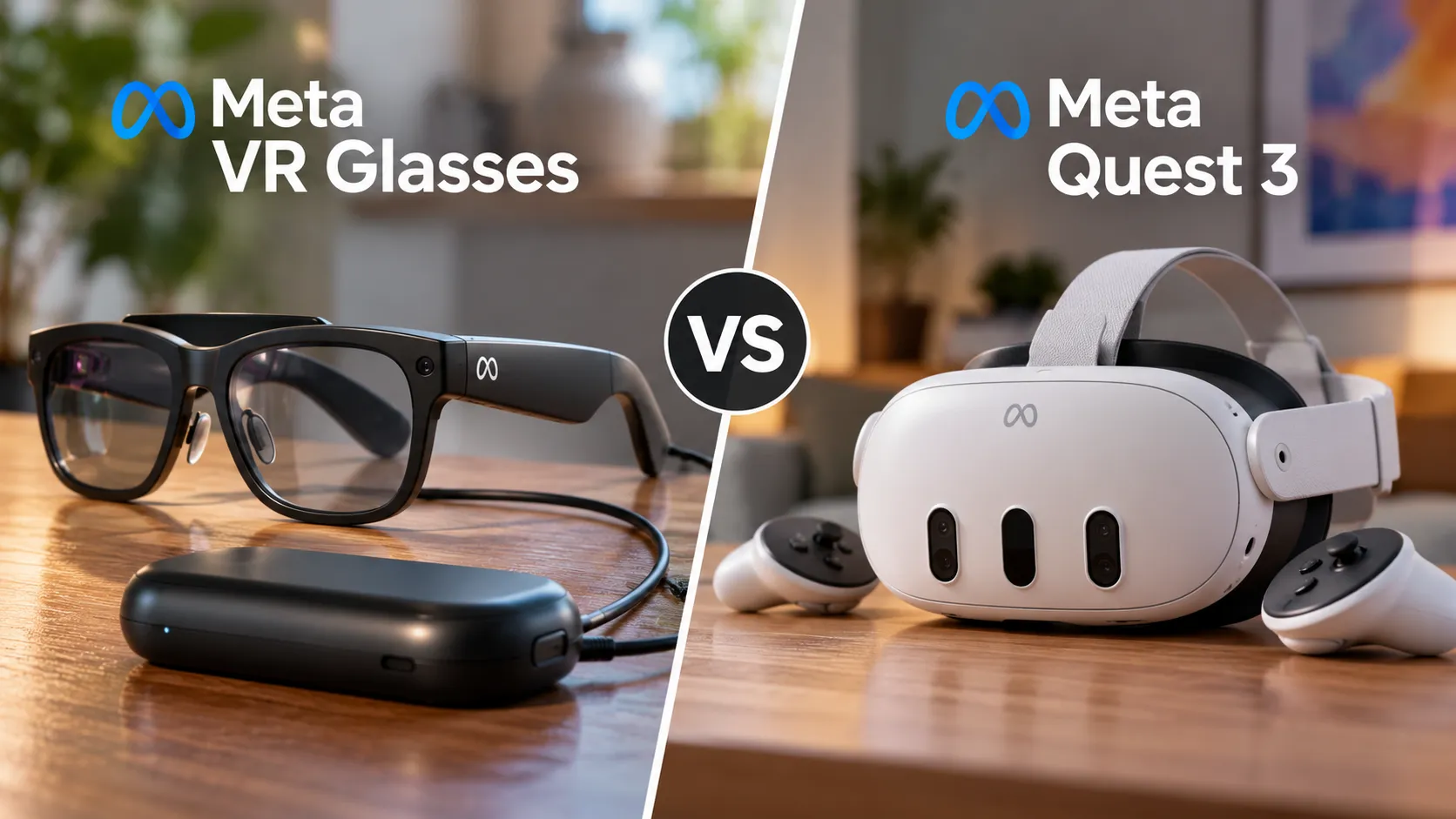
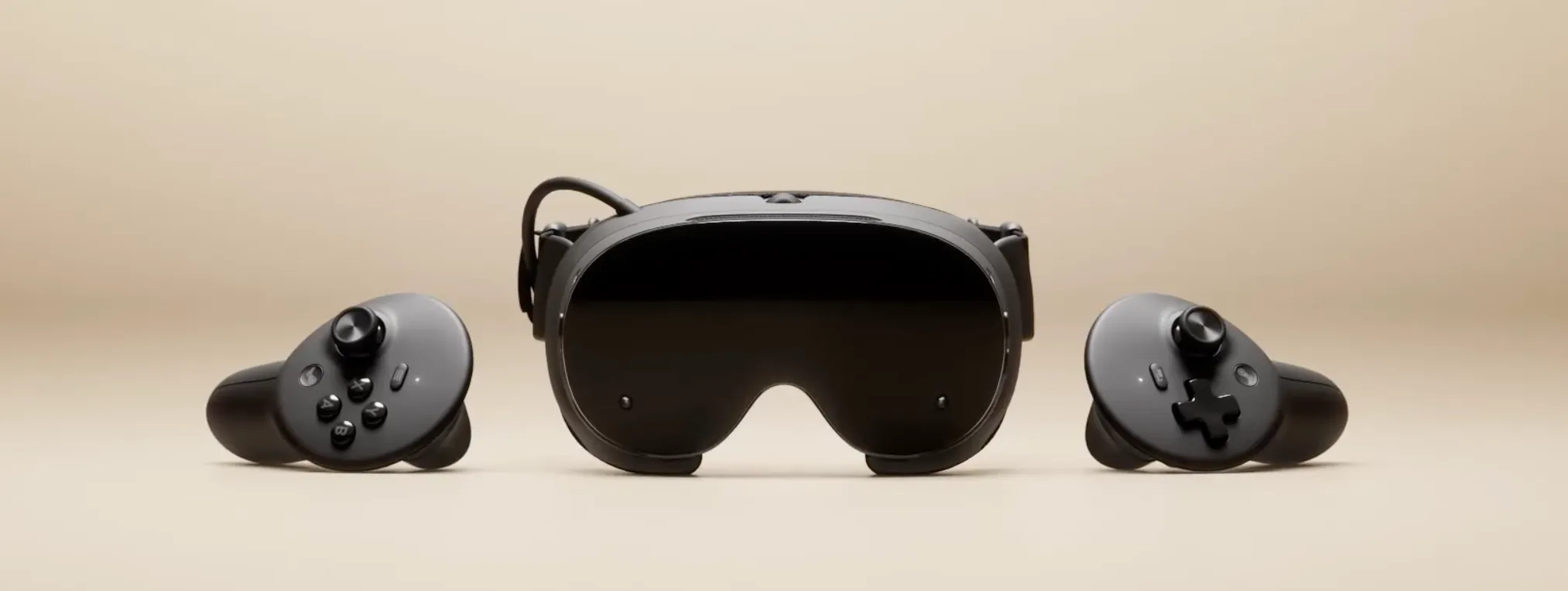
The contrast with Meta's headset business makes the point directly. Quest shipments declined 42.3% over the same period its smart glasses surged, per IDC. Headsets require the wearer to signal participation in the technology. Glasses that look like glasses do not. Round One is being decided by what people will tolerate wearing in public, and the winning device is the one that doesn't ask them to make that choice consciously.
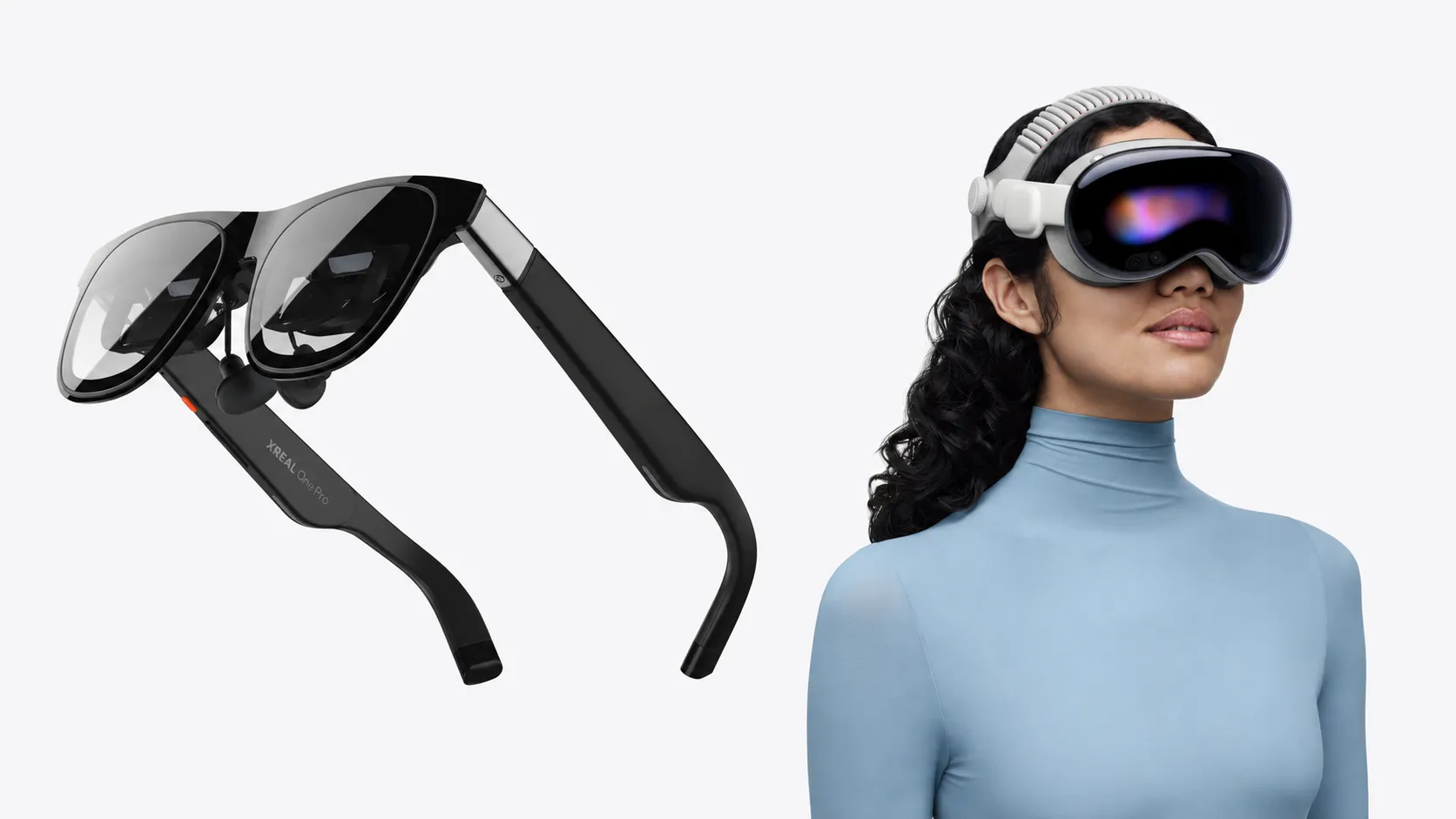
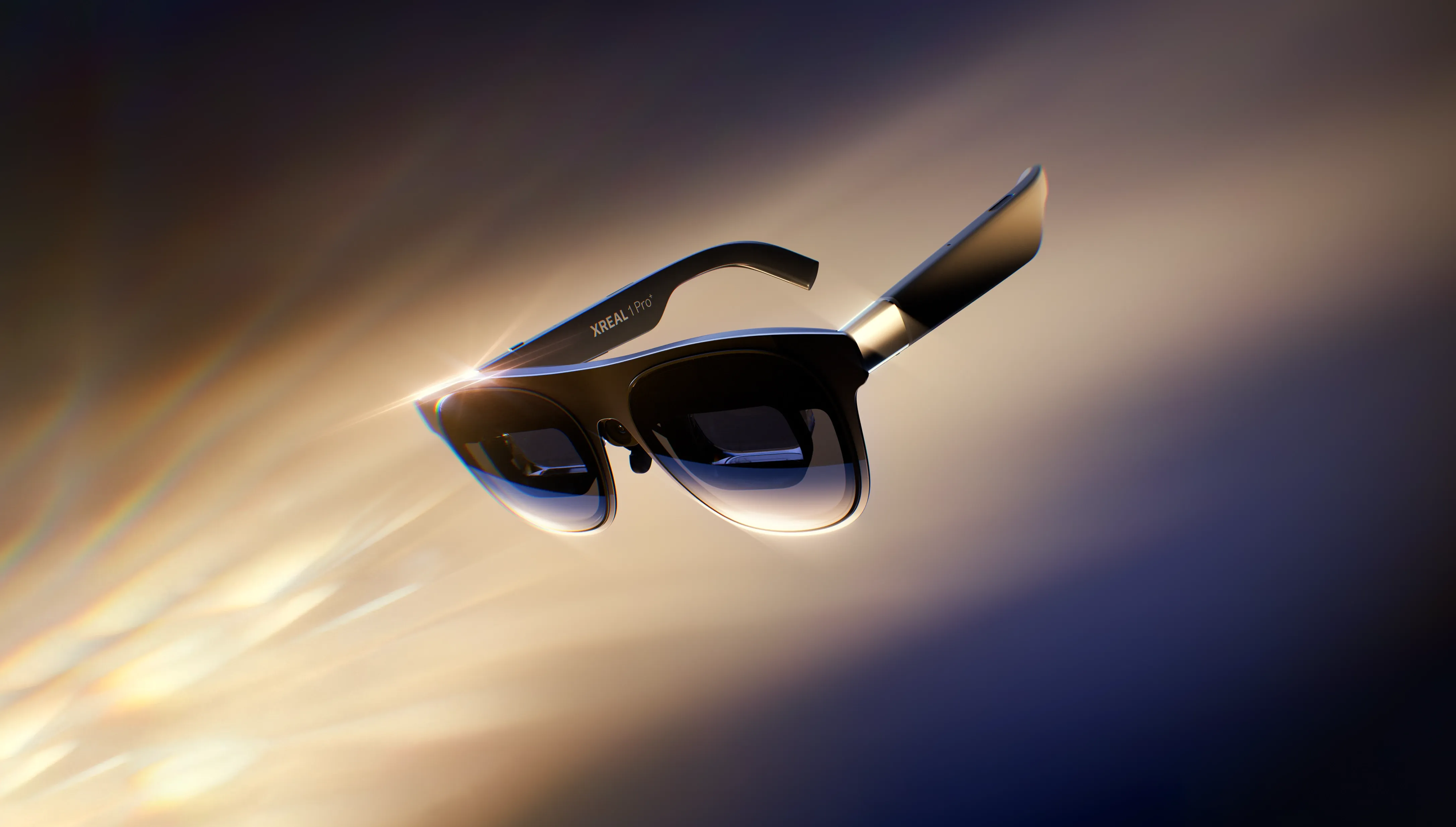
The competitive field is active but thin at the top. Xiaomi holds 4.2% share, largely within China; XREAL sits at 2.3%, focused on display-forward gaming; Viture grew 94.9% year-over-year through retail expansion, per IDC. Google's Android XR platform, Snap, and a growing number of Chinese vendors are expected to add pressure through 2026. None has yet paired AI capability with comparable eyewear distribution reach.
That's the real caveat in Meta's position. As XR optical components remain IP-intensive and the supply chain immature, hardware differentiation is likely to slow, making software, onboard AI, and services the primary competitive variables going forward, per IDC. A credible eyewear partnership from Google or Snap would reshape the standings quickly. Meta's lead is partly institutional, and the conditions sustaining it are already shifting.
The social constraint engineering can't fully solve
Winning Round One requires more than a flattering frame and a capable AI assistant. "Fashionable" carries two distinct burdens: looking like eyewear people actually want to wear, and behaving in ways that don't make everyone around the wearer uncomfortable. Those two requirements are currently in tension, with real commercial consequences.
Start with price. Average selling prices for AI glasses climbed from approximately $347 in the first half of 2025 to around $360 in the second half, with further increases possible if memory component shortages persist, per CNET. Counterpoint explicitly flags pricing as a near-term risk to 2026 momentum. At that range, these devices compete with entry-level smartphones for discretionary spending, from consumers who may not yet be convinced the utility justifies the cost. User feedback on current products is broadly positive on video and audio quality, but battery life draws consistent complaints. That's a meaningful weakness now; it becomes considerably more acute in display-equipped successors, for reasons the next section covers.
The subtler friction is social. A 2024 ACM study following 15 camera glasses wearers found a specific and uncomfortable dynamic: the more convincingly a device resembles standard eyewear, the more effectively it conceals its recording capability from bystanders, per ACM. Participants rated available privacy indicators as ineffective and reported feeling emotionally burdened with protecting bystander privacy a responsibility that directly shaped when and where they wore the glasses. The sample is small; the findings are directional, not conclusive. But the structural tension they surface is genuine.
The design quality that makes fashion smart glasses commercially viable frames genuinely indistinguishable from ordinary eyewear is exactly the quality that generates social friction and self-imposed usage limits. A wearer who feels responsible for everyone around them tends to leave the glasses at home. The ACM researchers flag the need for both technical and non-technical solutions; few have been widely deployed. The category is scaling faster than the norms and tools that would make public use feel straightforward.
What waveguide technology for smart glasses actually demands
The social and technical constraints share a common root. The thinner and lighter a device, the more it resembles normal eyewear, and the harder it becomes to engineer a display into it. That's the problem the next generation of consumer AR glasses is built around.
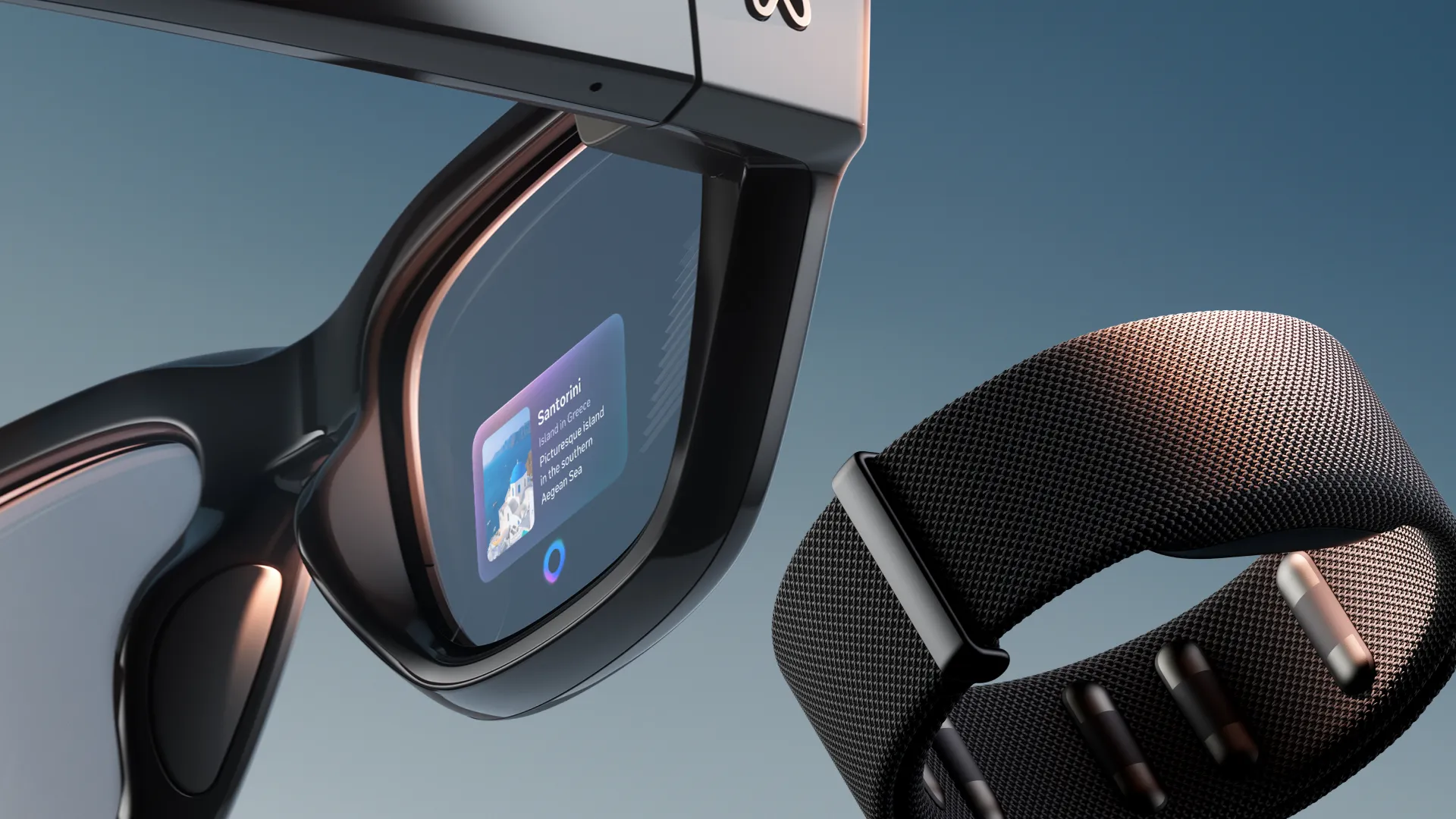
A waveguide routes a virtual image from a projector, typically embedded in the frame temple, through a transparent lens so the wearer sees digital content overlaid on the real world. Every constraint that matters for fashionable AR glasses lens thickness, field of view, image brightness, battery consumption, manufacturing cost converges on this one component, per IDTechEx. The challenge isn't optimizing any single variable in isolation. Improving one tends to degrade the others.
IDTechEx's benchmarking of commercial waveguides tracks performance across field of view, cost, weight, thickness, optical efficiency, transparency, and image quality. Across all technology types measured, a consistent pattern holds: wider field of view reduces optical efficiency within the same technology family, per IDTechEx. That's not a gap a single engineering breakthrough will close it reflects competing physical demands that current designs must navigate rather than solve outright.
The two main waveguide families illustrate this with opposite failure modes. Reflective waveguides, the optics used in Meta's Ray-Ban Display glasses and supplied by Lumus, deliver optical efficiency nearly an order of magnitude higher than other designs. Because reflection is wavelength-independent, color accuracy isn't a problem either. The manufacturing cost is. Glass-based reflective waveguides require assembling dozens of individually polished components, which drives per-unit costs up and creates yield challenges at scale, per IDTechEx. High efficiency helps battery life; expensive, low-yield manufacturing works against anything approaching mass-market pricing.
Surface relief grating (SRG) diffractive waveguides, such as those developed by Magic Leap, take the opposite tradeoff. They can achieve a 70-degree field of view inside a thin, compact eyepiece the geometric profile IDTechEx describes as "vital for developing fashionable smart glasses" but deliver substantially lower optical efficiency compared to reflective designs, which makes battery performance challenging, per IDTechEx. Thin enough to look like eyewear; inefficient enough to create real constraints on usable battery life. Neither family wins cleanly.
Substrate material adds another layer. Glass produces better image quality; polymer reduces cost, weight, and improves durability, but polymer's lower refractive index limits achievable field of view at the same lens thickness, per IDTechEx. Most waveguide manufacturers are hedging across both. Many in the industry believe polymer will dominate long-term, though that view reflects commercial pragmatism more than demonstrated production data at consumer scale.
Silicon carbide, used in Meta's Orion AR prototype in 2024, has a higher refractive index than glass, meaning thinner waveguides could potentially support wider fields of view. Applied Materials has flagged silicon carbide and lithium niobate as high-interest materials for next-generation optics, per IDTechEx. Both are positioned toward the high end of the market, and the main obstacle remains supply: silicon carbide isn't available at the volumes or costs consumer-scale manufacturing requires. Orion demonstrates that the optics are physically achievable. It doesn't demonstrate they're commercially viable.
Optics won't be the only variable that decides Round Two. As hardware differentiation slows due to supply chain immaturity and concentrated optical IP, software, AI, and services will become the primary differentiators across XR devices, per IDC. A company that solves waveguide efficiency still needs an AI platform compelling enough to justify daily use and an app ecosystem broad enough to retain users. Cracking the optics gets display glasses into a form factor people will consider wearing. The platform determines whether anyone keeps wearing them.
What would actually signal mass-category momentum
The near-term growth case is solid. IDC forecasts 33.5% XR market growth this year and a 26.5% compound annual growth rate through 2030, per IDC. New entrants from Google's Android XR ecosystem, Snap, and Chinese vendors will expand category awareness and push the overall market forward. What is already working display-free AI glasses from established eyewear brands is a real product with real traction.
The transition to display-equipped consumer AR glasses is a different proposition. Current users are already flagging battery life as a weak point, per CNET, and display-equipped successors will face a significantly more demanding version of that constraint. Average prices climbed from $347 to $360 across 2025 with further increases probable; Counterpoint has identified pricing as a near-term demand risk, and the category faces real headwinds if costs keep rising while the display and battery problems remain open.
The 2027 timeline IDC projects for display glasses to surpass VR and MR headsets in unit volume may arrive on schedule. Whether those devices will be genuine everyday products or early-adopter hardware depends on how much of the underlying stack has actually been resolved by then.
Three developments would move the needle faster than anything else. A credible eyewear partnership from a non-Meta platform holder one that replicates the EssilorLuxottica distribution logic rather than trying to circumvent it would immediately reshape competitive dynamics. Evidence that polymer waveguides can maintain acceptable field of view at production-viable cost would suggest the display problem has a consumer-grade path forward. A sustained drop in average selling prices, before costs harden into a structural barrier, would open the category to a meaningfully wider audience.
Any one of those would shift the standings. All three together would mean fashion smart glasses have become a category, not just a product Meta happens to own.



Comments
Be the first, drop a comment!