


Google's Android XR smart glasses are finally moving from tech demo to hands-on reality, and the early glimpses at MWC 2026 reveal a fundamentally different approach to wearable computing. This marks the company's first public demonstration to a wider audience, bringing us closer to understanding how contextual AI might reshape our daily interactions with information. The prototypes showcase a compelling vision: simply looking at a poster of Barcelona's Camp Nou stadium and asking "navigate here" can instantly pull up turn-by-turn directions in your field of view, according to hands-on reports from CNET.
What makes this significant now? Unlike previous smart glasses that felt like solutions searching for problems, these prototypes directly address the friction points we actually experience—pulling out phones for quick information, getting lost while looking at maps, or struggling to multitask while keeping our hands free.
What makes these glasses different from Google's past attempts?
Here's where things get interesting—these Android XR prototypes represent a complete philosophical shift from Google's original approach. Remember Google Glass? Google Glass launched to developers in 2012-2013 before being discontinued for consumers in 2015, attempting to cram everything into a single wearable device. The new prototypes take a much smarter route: they're designed as tethered companions rather than standalone units, pairing with Android smartphones that handle processing power and data connectivity.
This architectural change delivers immediate user benefits. Since the small integrated battery isn't taxed with intensive computational tasks, it can run significantly longer. More importantly, the smartphone partnership enables access to robust AI processing and your existing data ecosystem without requiring you to manage another standalone device.
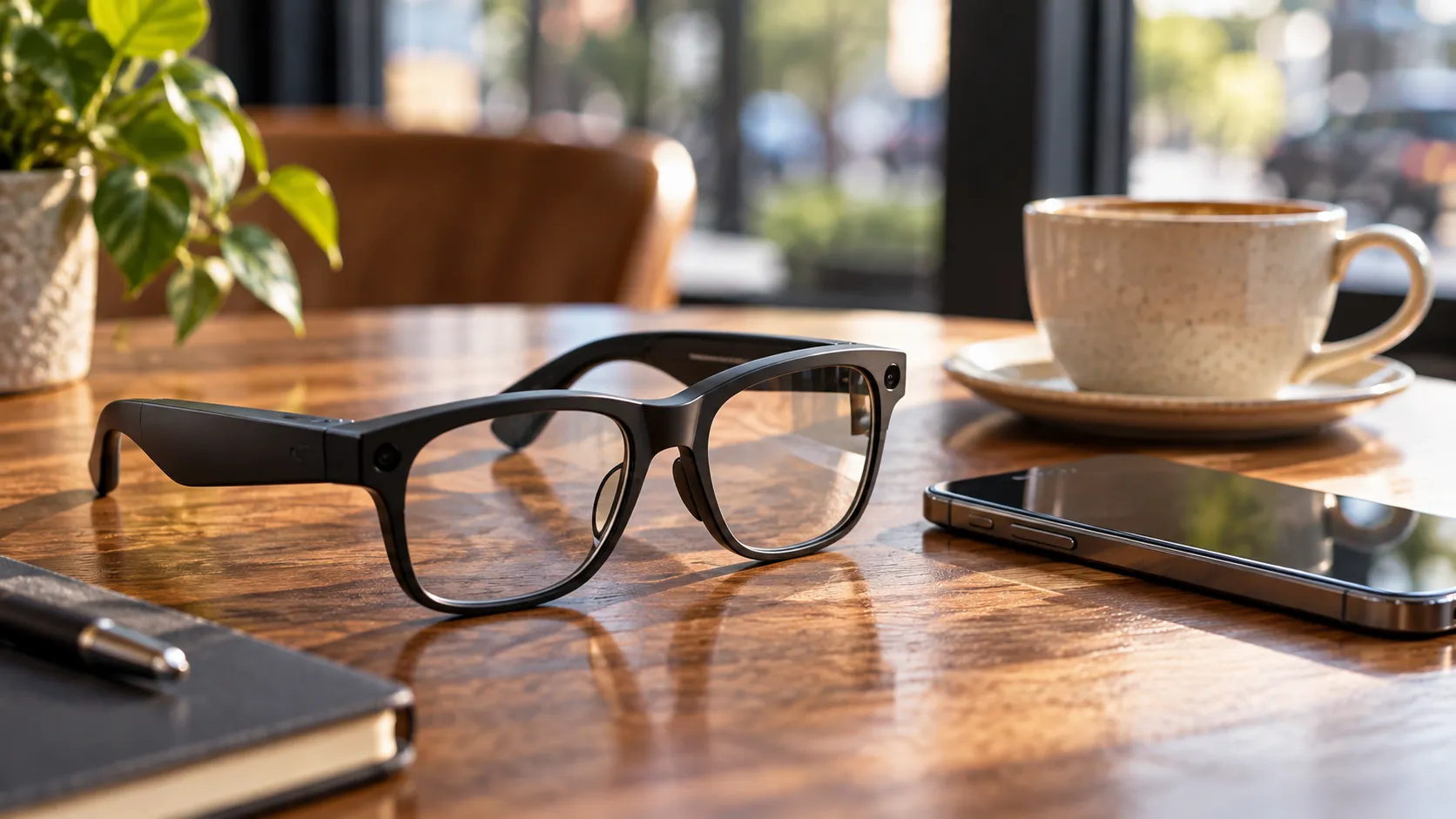
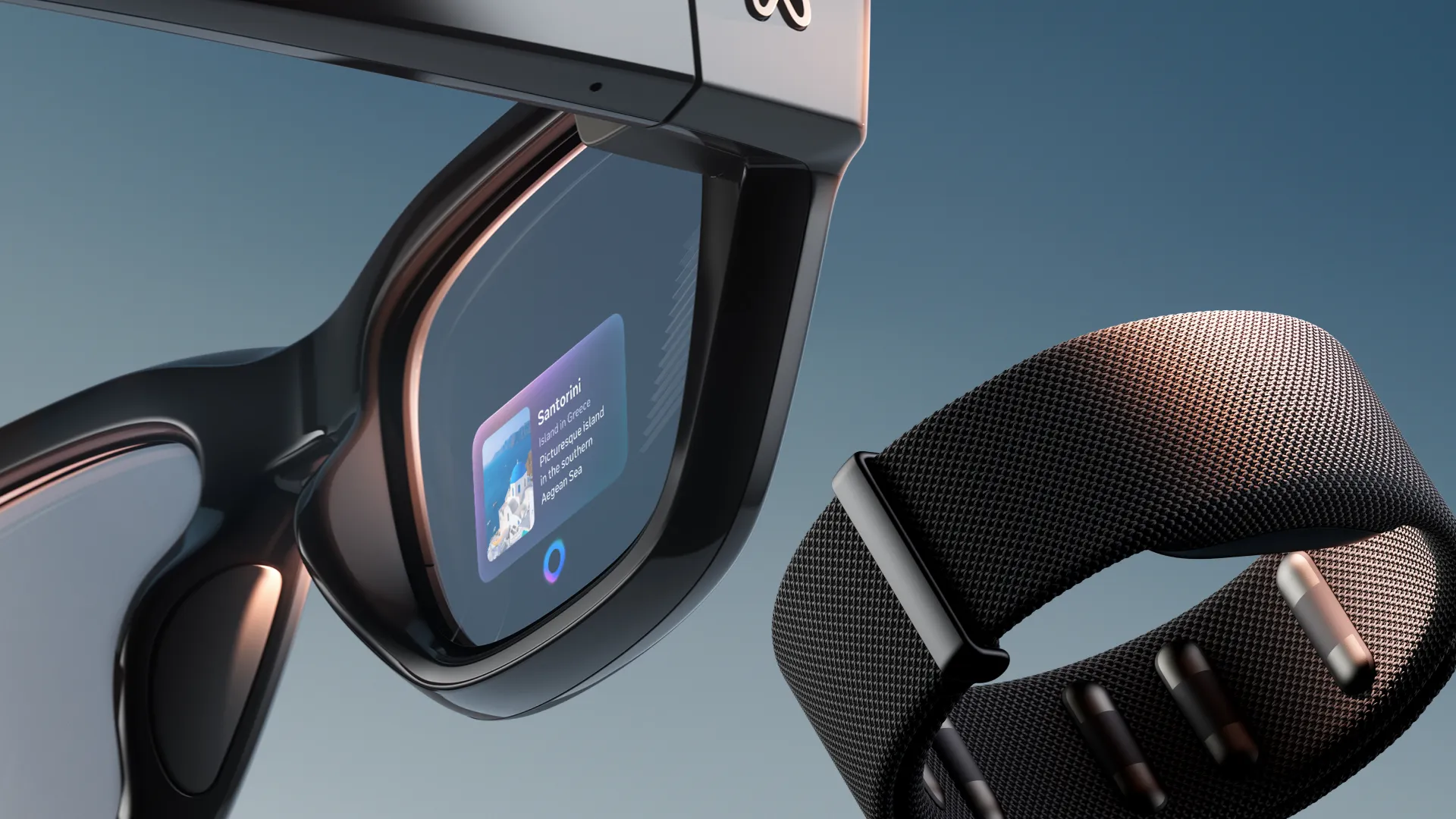
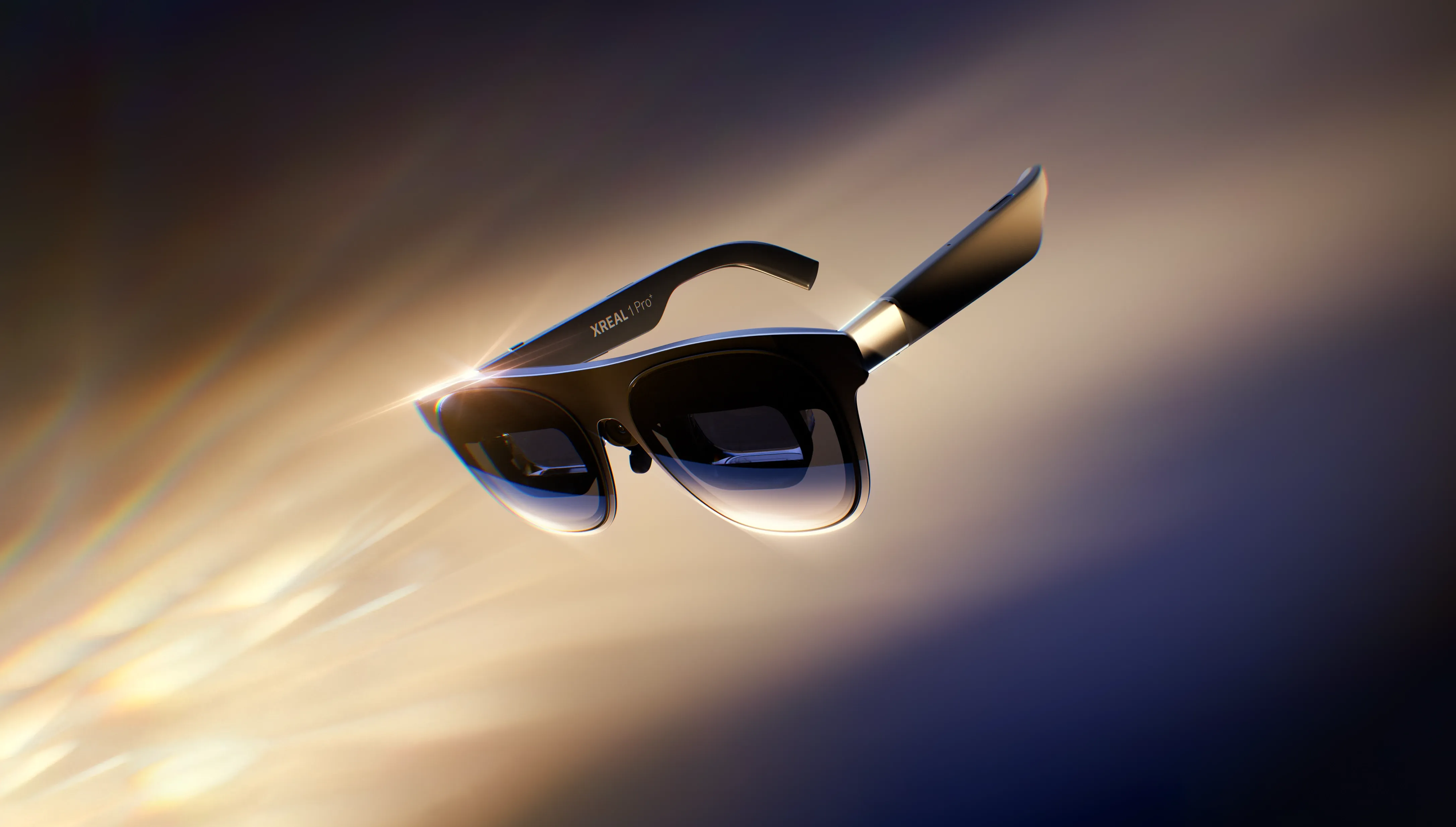
The hardware itself feels surprisingly normal. The sleek black frame design resembles Ray-Ban Wayfarers, and they're not heavy, sitting comfortably on the nose without pressing on the ears. The magic happens in the right lens, which houses a full-color waveguide display that keeps information in your peripheral vision without blocking your natural sight lines.
The control scheme prioritizes intuitive interaction. A touch-sensitive surface on the right temple activates Gemini Live, while tapping the bridge pauses the AI assistant. It's the kind of interface you'd expect to learn within minutes rather than hours.
How does gaze-based context recognition actually work?
Now here's where things get genuinely impressive. The standout capability demonstrated at MWC centers around visual context understanding powered by Gemini AI, and it's the kind of functionality that makes you think "okay, this could actually be useful."
During testing scenarios, users could look at a photo of Camp Nou stadium and ask about its capacity, receiving detailed responses about the venue's 105,000-person around 99,000 after renovation. That's not just optical character recognition—that's genuine visual understanding. The AI recognizes what you're looking at and can provide contextually relevant information without you having to describe what you're seeing.
But the navigation integration is where this technology really shines. The demo that convinced many skeptics involved looking at a photo of Barcelona stadium and asking Gemini to "navigate here". What happened next was remarkably seamless: white text appeared in the lens center showing distance and turn instructions, complemented by a familiar Maps-style route visualization when looking down.
Think about the practical implications: you point your face at something interesting, ask for directions, and immediately get turn-by-turn navigation without ever pulling out your phone. With Gemini on your nose, you have the knowledge of the internet at your fingertips and don't have to take your phone out of your pocket. This addresses real daily frustrations—juggling phones while walking, losing your sense of direction while staring at small screens, or missing important visual cues in your environment while consulting digital maps.
What are the privacy and safety implications?
Here's where things get concerning, and Google knows it. The Android XR prototypes showcase capabilities that raise serious ethical questions about visual manipulation and consent. During demonstrations, the glasses could capture images and transform people's appearance using AI, as shown when a Google employee was digitally converted into Darth Vader.
This augmented reality feature utilizes Google's "Nano Banana" AI image generation system, which allows real-world projections and modifications of what users see. While the Darth Vader demo got laughs, it highlighted troubling possibilities. As one reporter bluntly asked: isn't this already a copyright infringement, and can't users just digitally dress other people inappropriately?
The potential for misuse extends beyond individual bad actors. Imagine walking through a crowd where everyone could be digitally altered in your vision—or worse, imagine someone doing that to you without your knowledge or consent. This technology could enable new forms of harassment, discrimination, or manipulation that we're only beginning to understand.
Google acknowledges the need for appropriate security mechanisms to prevent misuse, similar to safeguards implemented in xAI's Grok, but specific protective measures remain undefined. This represents a fundamental challenge about how we interact with shared reality when individual users can modify what they see in real-time.
PRO TIP: Before smart glasses achieve mainstream adoption, we'll need clear industry standards for visual manipulation consent, similar to how photography etiquette evolved around camera phones.
When will these glasses reach consumers and at what cost?
Google's go-to-market strategy deliberately avoids the mistakes of their previous hardware ventures. Rather than jumping directly into hardware competition, they're positioning Android XR as a platform for established manufacturers. The first Android XR glasses, both with and without waveguide displays, are planned for launch this year, but Google itself won't initially sell consumer devices.
Instead, partnerships with Samsung, eyewear specialists Warby Parker, and Gentle Monster will bring Android XR products to market. This approach mirrors Google's successful Android smartphone strategy—let companies that understand hardware manufacturing, design, and retail handle those complexities while Google focuses on creating a compelling software platform.
The partnership strategy also means multiple price points and design approaches. Warby Parker brings prescription lens expertise and fashion-forward frames, while Samsung contributes advanced display technology and manufacturing scale. This diversity could accelerate adoption by offering options for different user needs and budgets.
But here's the reality check: early adoption won't be cheap. Pricing expectations remain steep, with comparable waveguide-equipped devices like TCL's X3 Pro estimated around €1,500, potentially increasing further with prescription lens integration. That premium reflects the genuine technical complexity of integrating high-quality waveguide displays with comfortable, all-day wearable frames.
Are we finally ready for mainstream smart glasses?
The Android XR demonstration suggests we might be approaching a genuine tipping point where smart glasses solve real problems rather than create new ones. The contextual awareness capabilities—from instant translations and message summaries to hands-free navigation without reaching for your phone—address genuine daily friction points that most people actually experience.
What's different this time is the focus on augmenting existing behaviors rather than forcing entirely new ones. Looking at something and asking questions about it? That's natural. Getting directions to a place you can see? Makes perfect sense. Having information appear when you need it without fumbling for your phone? That's genuinely useful for anyone who's struggled with maps while carrying groceries or tried to translate a menu while juggling luggage.
The technology maturity also feels more aligned with practical needs. The tethered approach solves battery life concerns while leveraging the smartphone ecosystem users already understand. The AI integration provides genuinely helpful context rather than gimmicky features. Even the hardware design suggests manufacturers have learned from early missteps about comfort and social acceptance.
However, several significant barriers remain beyond technical execution. Google emphasizes these remain technology demonstrations rather than final products, and there's still a gap between controlled demonstrations and real-world reliability across different lighting conditions, environments, and use cases.
The social challenges haven't disappeared either. Questions about visual manipulation, consent, and privacy will influence adoption rates regardless of technical capability. Building trust in how personal visual data is handled, establishing social norms around appropriate use, and addressing legitimate concerns about surveillance and manipulation remain critical hurdles.
From what I can tell, we're witnessing the early stages of what could become a transformative computing platform. The Android XR prototypes show impressive progress in making wearable computing more natural and useful, but mainstream adoption will depend on factors beyond just technical capability. Price accessibility, genuine daily utility, social acceptance, and trust in data handling will all play crucial roles in determining whether smart glasses finally move beyond the tech enthusiast niche.
The foundation looks stronger than previous attempts, but we're probably still a few iterations away from the device that makes smart glasses as common as smartphones.


Comments
Be the first, drop a comment!