


Google Gucci Smart Glasses Deal Explained: Android XR in 2027
Kering CEO Luca de Meo confirmed this week that Gucci is developing Google Gucci smart glasses expected to arrive "probably" in 2027, per a Reuters interview cited by Android Police. No design details, pricing, or feature specifications were shared. What the announcement does confirm is the shape of Google's glasses strategy: not a standalone device, but a fashion ecosystem built on a shared platform, now with a luxury anchor.
Gucci is the first high-end designer to publicly confirm a deal with the program. It joins Warby Parker and Gentle Monster, which Google named as launch partners in May 2025. The tier now runs from accessible eyewear to one of the most recognizable names in luxury fashion.
What the Google Gucci smart glasses deal actually confirms
De Meo's comments to Reuters were brief. The Gucci smart glasses will "probably" launch in 2027; no design direction, hardware configuration, or distribution details were added, Android Police reported today. Neither Google nor Gucci has issued a formal product announcement.
Google had already flagged Kering Eyewear as a future platform partner at I/O 2025, framing the relationship as forward-looking: "we look forward to working with more partners, like Kering Eyewear, to bring even more options to users," the company said at the time. Today's news suggests that relationship has since advanced to a confirmed product collaboration.
The Kering connection matters beyond Gucci alone. The conglomerate's portfolio spans Saint Laurent, Balenciaga, Bottega Veneta, McQueen, and Boucheron, per Android Police. A deepening partnership could eventually put Android XR inside multiple high-fashion frames, though nothing beyond Gucci has been confirmed.
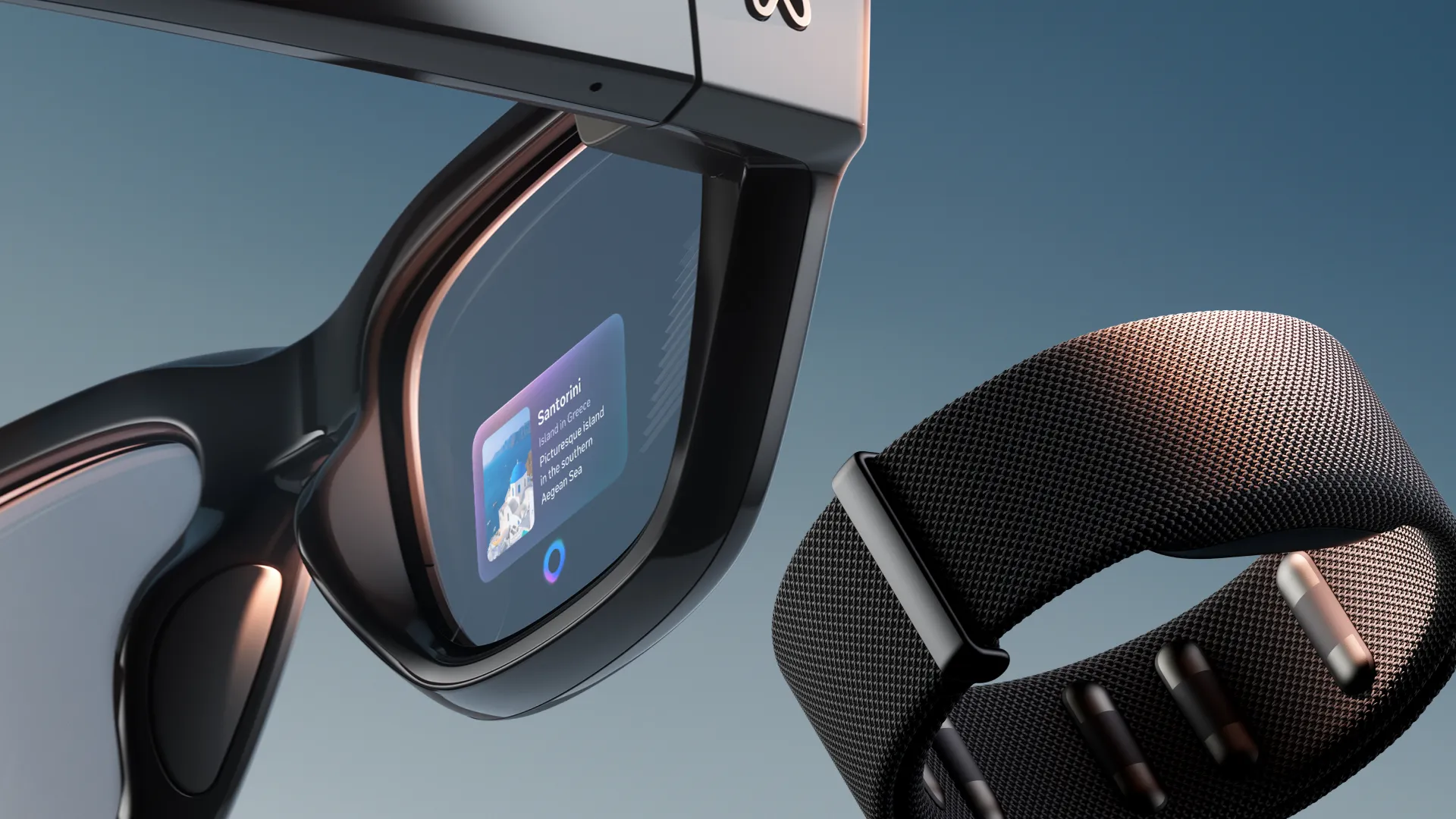
The biggest open question is form factor. Google's reference design includes a camera, microphones, speakers, phone connectivity, and an optional in-lens display, demoed at I/O 2025. Whether the Gucci version includes that display or ships as a camera-and-audio wearable without one is a distinction that separates a true AR product from an ambient AI assistant. Those land at very different price points and serve different use cases. That question has no answer yet.
Two other disclosures worth watching before any launch: whether additional Kering brands formally join the platform, and whether Google and Samsung confirm the hardware reference design for glasses-specific products.
The platform behind the partnership
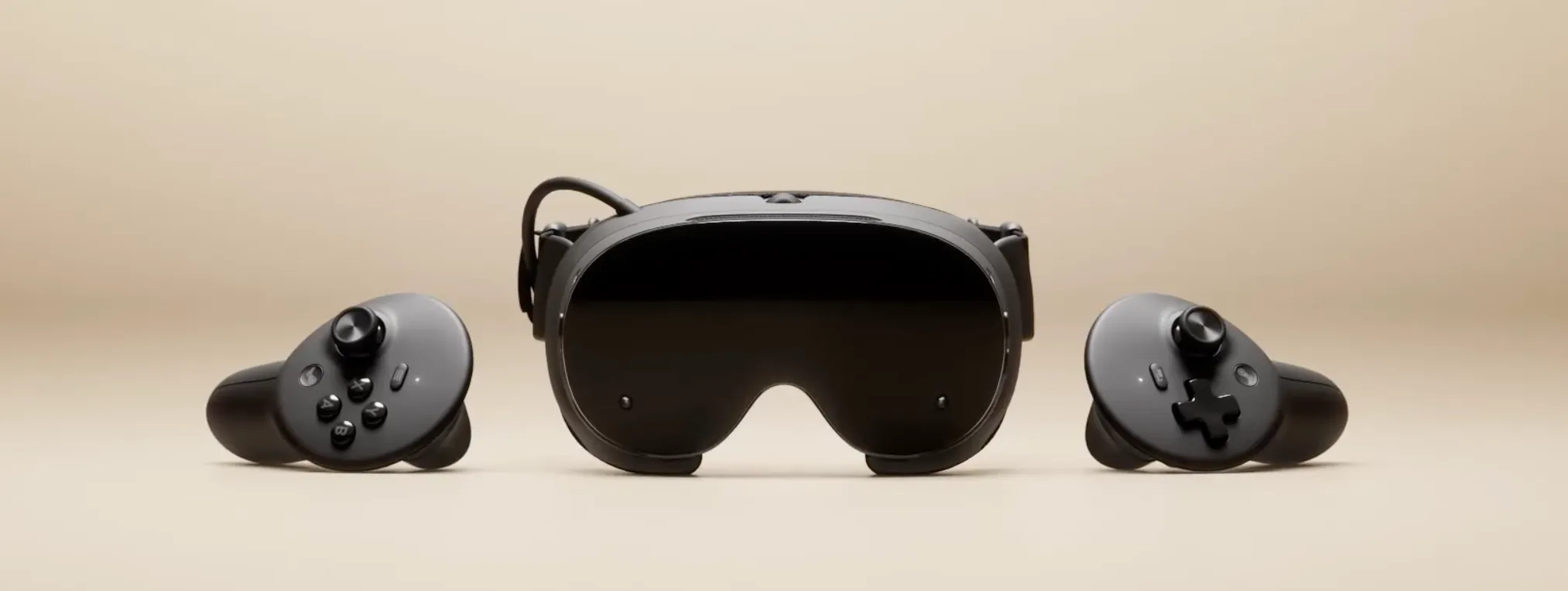
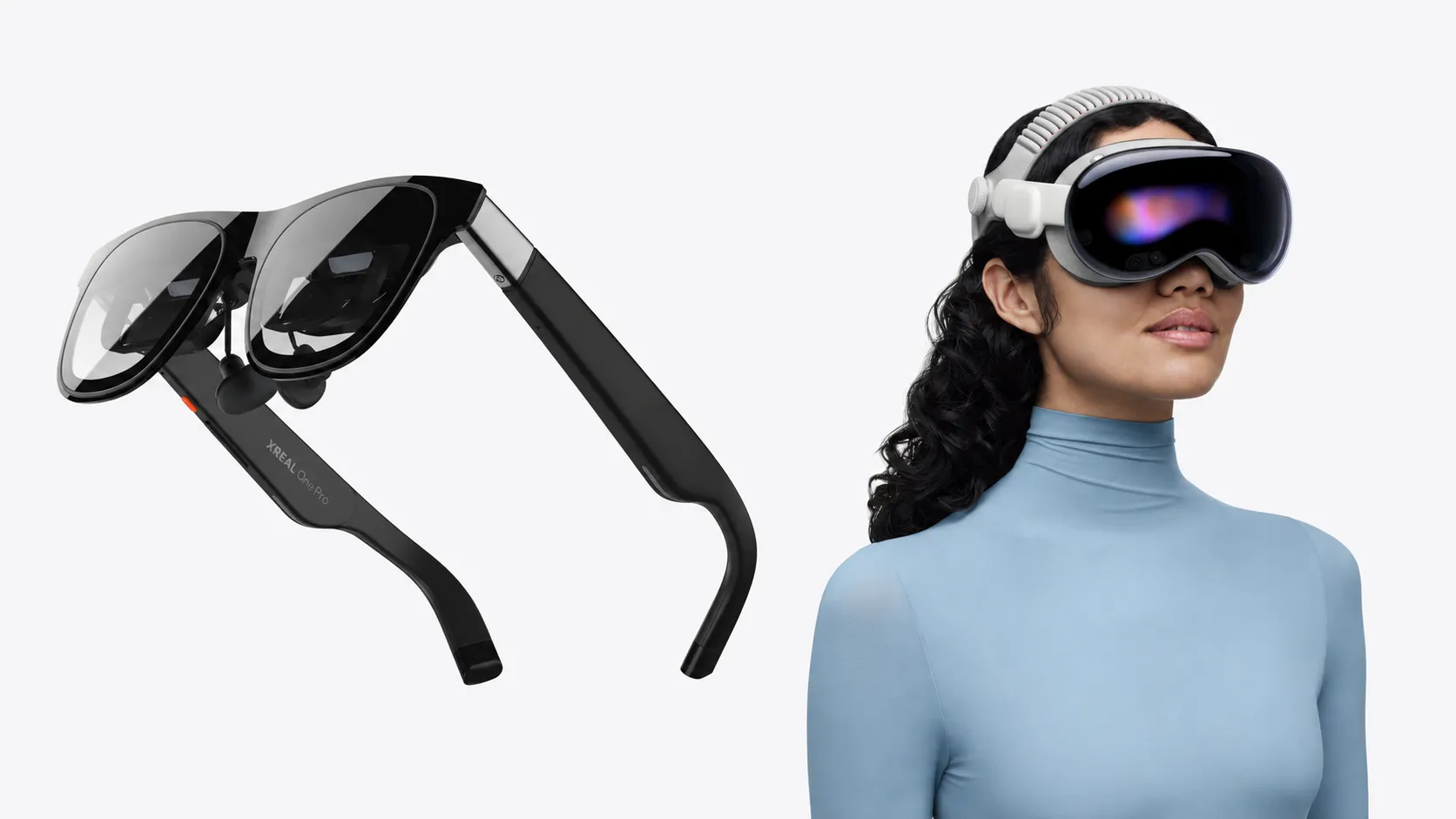
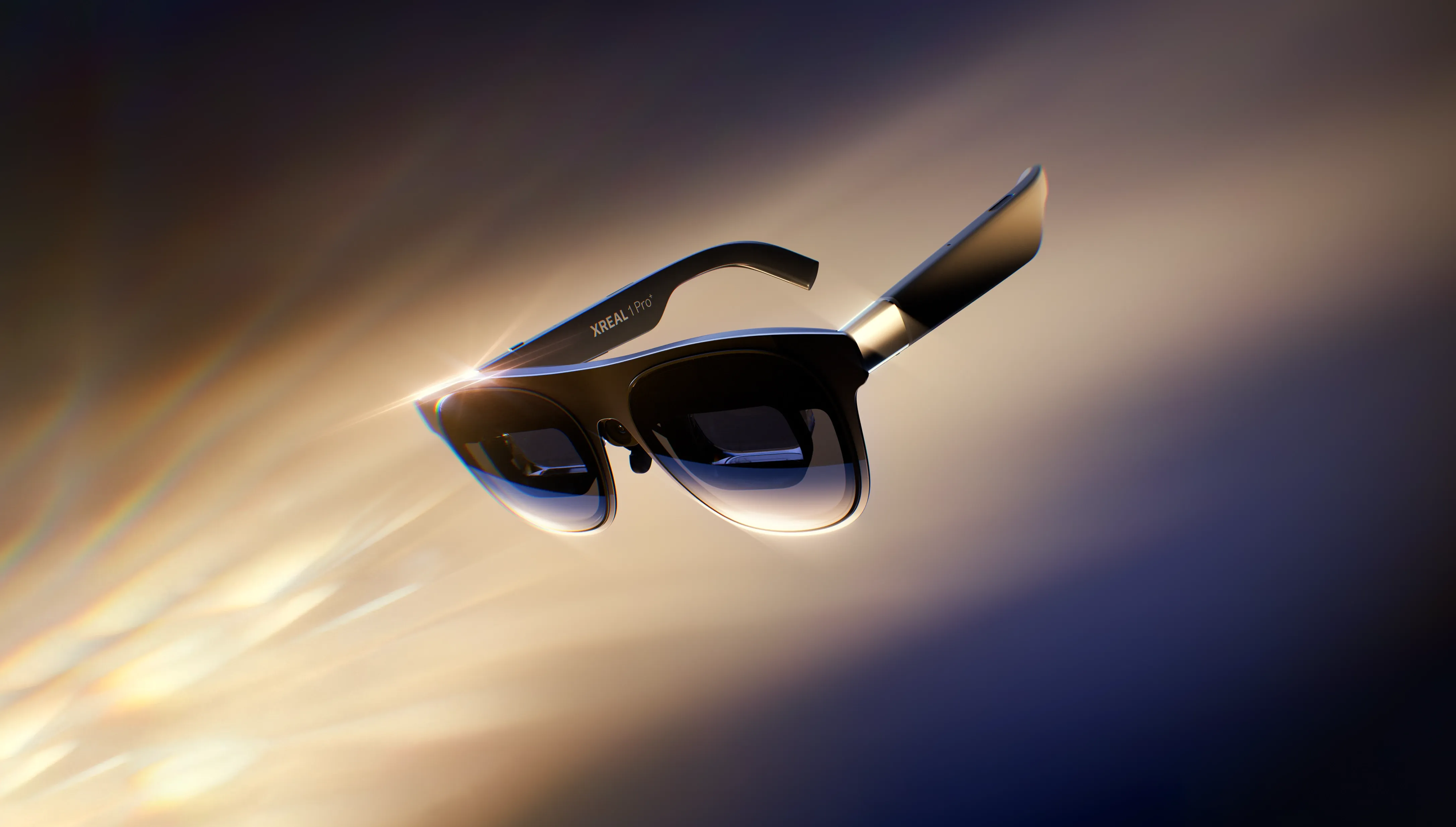
Google announced Android XR in late 2024 as a dedicated operating system for headsets and glasses, built in collaboration with Samsung and Qualcomm and designed as an open, unified platform for the broader XR ecosystem, Google announced. Qualcomm partners including XREAL, Sony, and Lynx are building their own Android XR devices on top of it; Google also maintains a separate collaboration with Magic Leap on AR and AI technology.
For glasses specifically, Google and Samsung are jointly developing a software and reference hardware platform that eyewear manufacturers can build on, Google confirmed at I/O 2025. The structure mirrors how Android works for phones: Google controls the platform layer, hardware partners own the physical product.
Gemini is what the glasses actually do. At I/O 2025, Google demoed a pair equipped with camera and microphones that let the AI understand context in real time, handling turn-by-turn directions, live language translation between two people, and message summaries. Google described the translation capability as "subtitles for the real world," per the I/O announcement. Prototype testing with a small group of trusted users began alongside Android XR's launch, with privacy for wearers and bystanders cited as an explicit design consideration, Google noted.
The platform's current momentum is headset-driven. Two weeks ago, an update added five new features to Samsung Galaxy XR headsets, including auto-spatialization of 2D content, improved hand and eye tracking, and Android Enterprise support for organizational deployment. The immersive app catalog has more than doubled since launch, now exceeding 100 titles, Google reported. Glasses remain a future layer, not yet the primary one.
Why Gucci's entrance changes the luxury wearables conversation
The more significant implication of this announcement may be competitive rather than commercial. LVMH, the other dominant force in luxury fashion, has been sitting on the sidelines of smart eyewear while its Tag Heuer, Louis Vuitton, and Hublot brands have established a presence in luxury smartwatches, Android Police noted.
Alessandro Zanardo, CEO of LVMH's eyewear division Thélios, said in a mid-2025 interview with Vogue Business that the conglomerate was "observing with great interest what is happening within the perimeter of our sector" but had not committed, pending confirmation that the technology suits luxury eyewear, reported via Android Police. LVMH's eyewear brands include Dior, Celine, and Fendi.
That wait-and-see posture gets harder to hold now that a direct competitor has confirmed a deal. The success of EssilorLuxottica and Meta's smartglasses at mainstream price points, combined with Gucci's entrance, gives the category a credibility argument it has lacked, Android Police argued. Whether that translates into a move from LVMH remains speculation; the company has announced nothing.
The broader point: if a second luxury conglomerate eventually enters, smart eyewear stops being a tech subcategory and starts functioning as a legitimate luxury segment with the distribution and pricing power that implies.
What still has to happen before 2027
The confirmed facts are thin by design. De Meo said "probably" 2027, not definitively, and Google's own framing of the Kering relationship at I/O 2025 was explicitly forward-looking. Prototype testing is ongoing; Android XR is still building out its glasses-specific capabilities.
Three things to watch: the form-factor decision on whether the Gucci product includes an in-lens display; any formal announcement from additional Kering brands; and how Google and Samsung develop the reference hardware platform for glasses as distinct from headsets. Each would materially change what this partnership actually delivers.
Google stated in late 2024 that it wanted "lots of choices of stylish, comfortable glasses you'll love to wear every day," positioning fashion wearability as a design requirement from the start, per the Android XR launch post. The Gucci deal is the strongest public evidence that the strategy is working at the partnership level. Whether it works at the consumer level, and at whatever price a Gucci-branded Gemini frame will carry, is a question that only arrives with the product itself, if the 2027 timeline holds.

Comments
Be the first, drop a comment!