


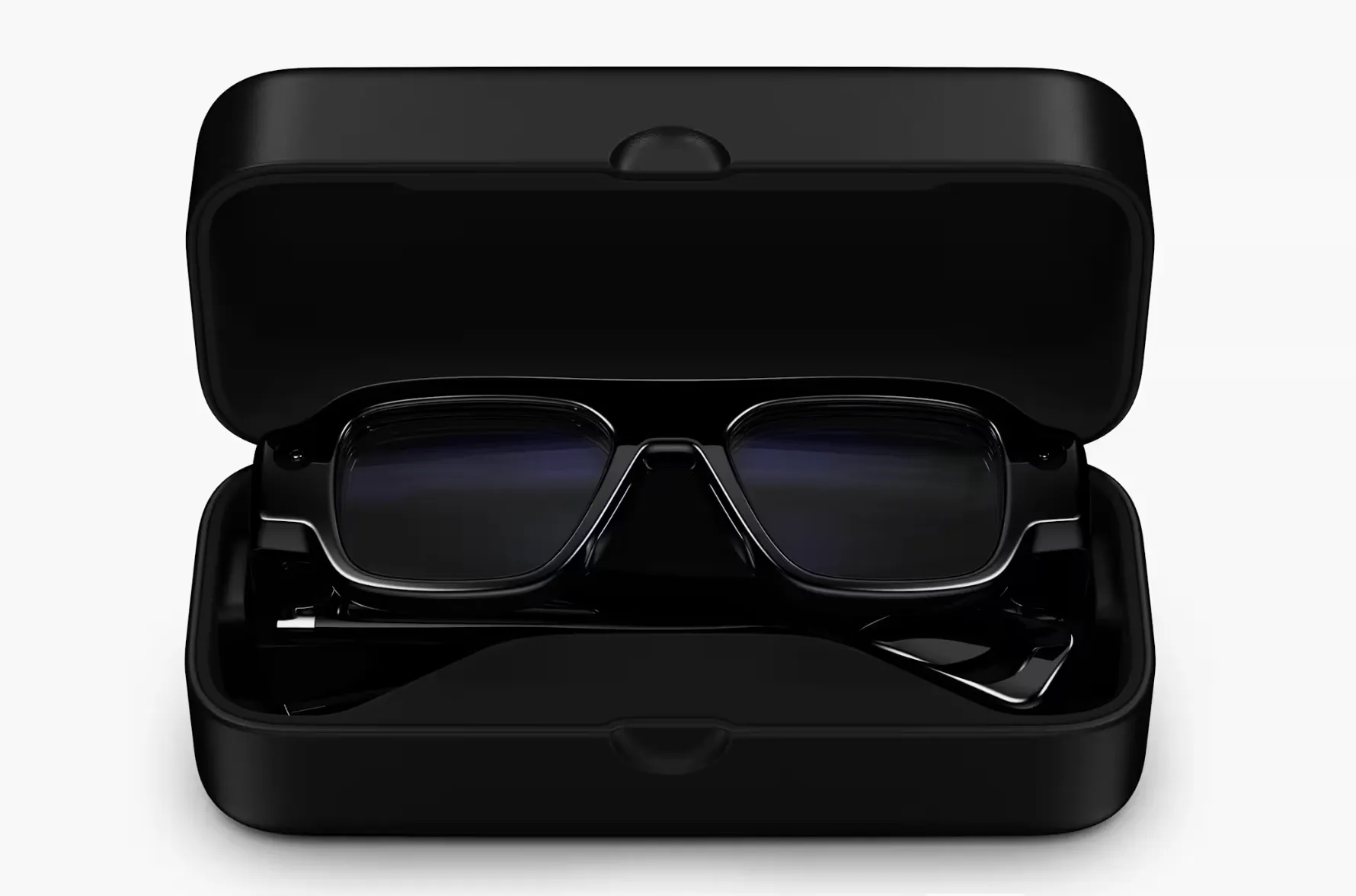
The future of translation just got a voice—literally. At MWC 2026, Google showcased something that could redefine how we think about language barriers: Android XR glasses with real-time voice translation that preserves the speaker's original voice. This isn't just another translation feature—Google is adapting technology from the Pixel 10 series to create conversational experiences that feel remarkably human, even through AI mediation.
Reports of hands-on experience with prototype Android XR glasses revealed a compelling glimpse into a future where language differences dissolve seamlessly in your field of view. The technology demonstrated at the show combines visual subtitles with voice-matched audio translation, creating an immersive communication bridge that could transform everything from international business meetings to casual travel conversations.
What makes voice-matched translation revolutionary?
Here's where things get genuinely transformative. Voice-matched translation represents a significant evolution beyond traditional speech-to-text-to-speech systems that make everyone sound like they're talking through a 1980s computer terminal. Google's implementation borrows from years of research, including Translatotron lineage and Meta's SeamlessM4T work to create direct translation models that maintain prosody and reduce latency.
The breakthrough lies in the technical approach. The technology already proven on Pixel 10 devices can recreate speaker voices using just seconds of audio, making conversations feel personal rather than machine-mediated. Unlike conventional translation tools that strip away vocal character, this approach preserves enough of the original speaker's timbre and pacing to maintain conversational authenticity while ensuring clear intelligibility.
The implications extend beyond mere convenience. When you preserve the speaker's voice characteristics, you maintain the emotional context and personality that makes communication more than just information transfer—a critical factor for building trust in cross-cultural interactions.
How the Android XR experience actually works
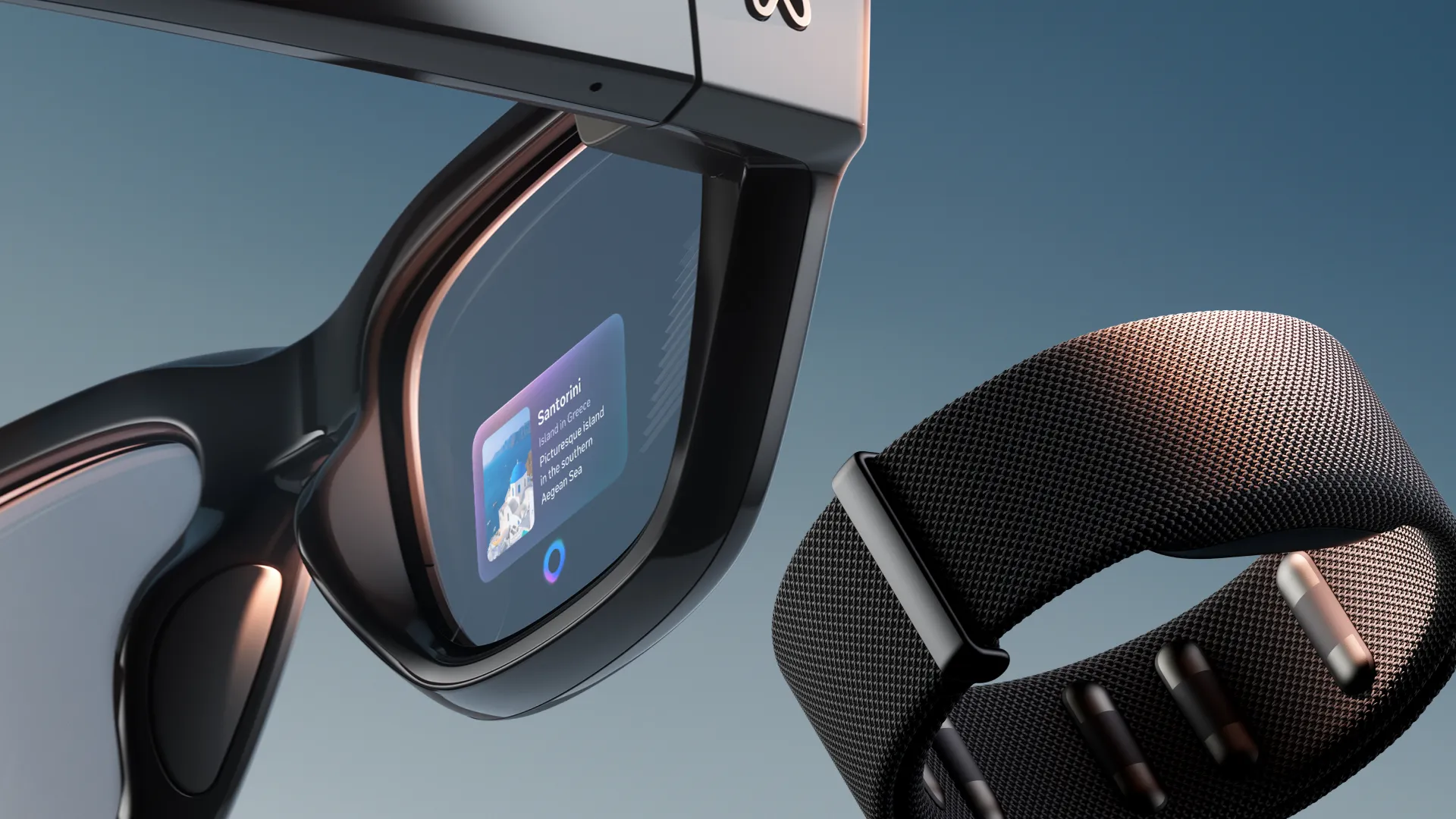
The demonstration setup was refreshingly straightforward for such advanced technology. You put on the glasses, fire up the familiar Google Translate app, and start talking. During face-to-face conversations, captions appeared precisely positioned above speakers without blocking faces, while translated audio delivered through the glasses maintained the original speaker's vocal characteristics.
What impressed users most was how the system handled automatic language switching without requiring users to manually change settings. This eliminates the typical fumbling-with-phone moments that break conversational flow. The glasses detect language changes and adapt automatically, creating frictionless interactions that scale from quick travel queries to extended business discussions.
The integration through the familiar Google Translate app interface provides immediate access to extensive language coverage. While Google Translate already supports over 130 languages, voice-matching capabilities will likely launch with a prioritized subset based on processing complexity and demand, then expand systematically as the underlying models improve.
Real-world performance: the good and the challenging
Let's be honest about what we experienced during our testing, because the nuances matter for understanding where this technology fits today versus tomorrow. The overall conversational flow felt natural rather than machine-mediated, successfully preserving the human element that makes communication meaningful. When conditions were optimal, it was genuinely impressive—like having a personal interpreter who managed to sound exactly like the person you were talking to.
However, real-world deployment reveals specific challenges. Noisy environments occasionally forced fallbacks to text-only or neutral synthesized voices, which makes perfect sense given the acoustic processing requirements. More significantly for everyday use, rapid code-switching and idiomatic expressions sometimes produced brief stumbles before recovery.
The system requires deliberate pacing and clear speech patterns for optimal performance, making it better suited for structured conversations than spontaneous, overlapping dialogue. This suggests current deployment will work best for planned interactions—travel, business meetings, customer service—rather than casual social conversations where rapid-fire exchanges dominate.
Privacy and processing: the critical technical questions
The technical implementation raises questions that will shape broader adoption, particularly around data handling and consent mechanisms. Google's emphasis on on-device processing for Live Translate on phones suggests similar privacy-focused approaches for XR, reducing cloud dependency and addressing data security concerns that become more acute with wearable devices.
Voice-matching introduces more complex ethical considerations. Google has built in clear indicators and opt-in controls to ensure users understand when their voices are being modeled, addressing growing regulatory scrutiny around generative audio applications. As Stanford HAI's AI Index has highlighted increasing oversight of generative audio, transparent consent mechanisms become essential for widespread acceptance.
The key technical distinction here is that this implements "voice matching" rather than full deepfake cloning—it preserves vocal character without creating perfect replicas that could be misused elsewhere. This balanced approach suggests Google has learned from broader industry challenges around generative audio and is building safeguards into the foundational architecture rather than retrofitting them later.
Market timing and competitive landscape
The timing here could prove crucial for establishing Android XR's market position. Commercial availability will likely align with broader Android XR rollouts across Google's hardware partners, with Samsung's public commitment to launching Android XR smart glasses this year potentially bringing voice-matched translation to mass-market devices if the software reaches production readiness.
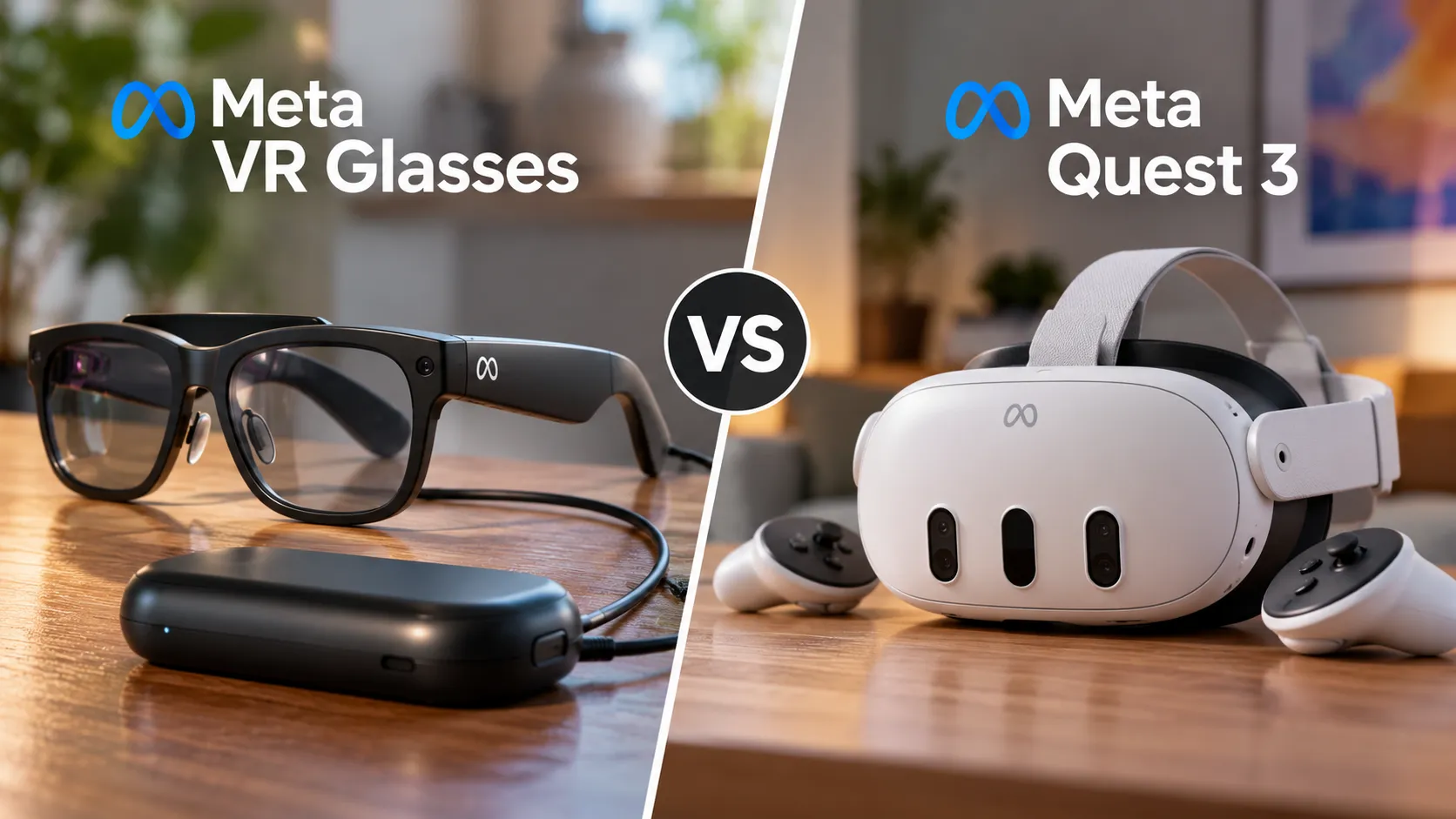
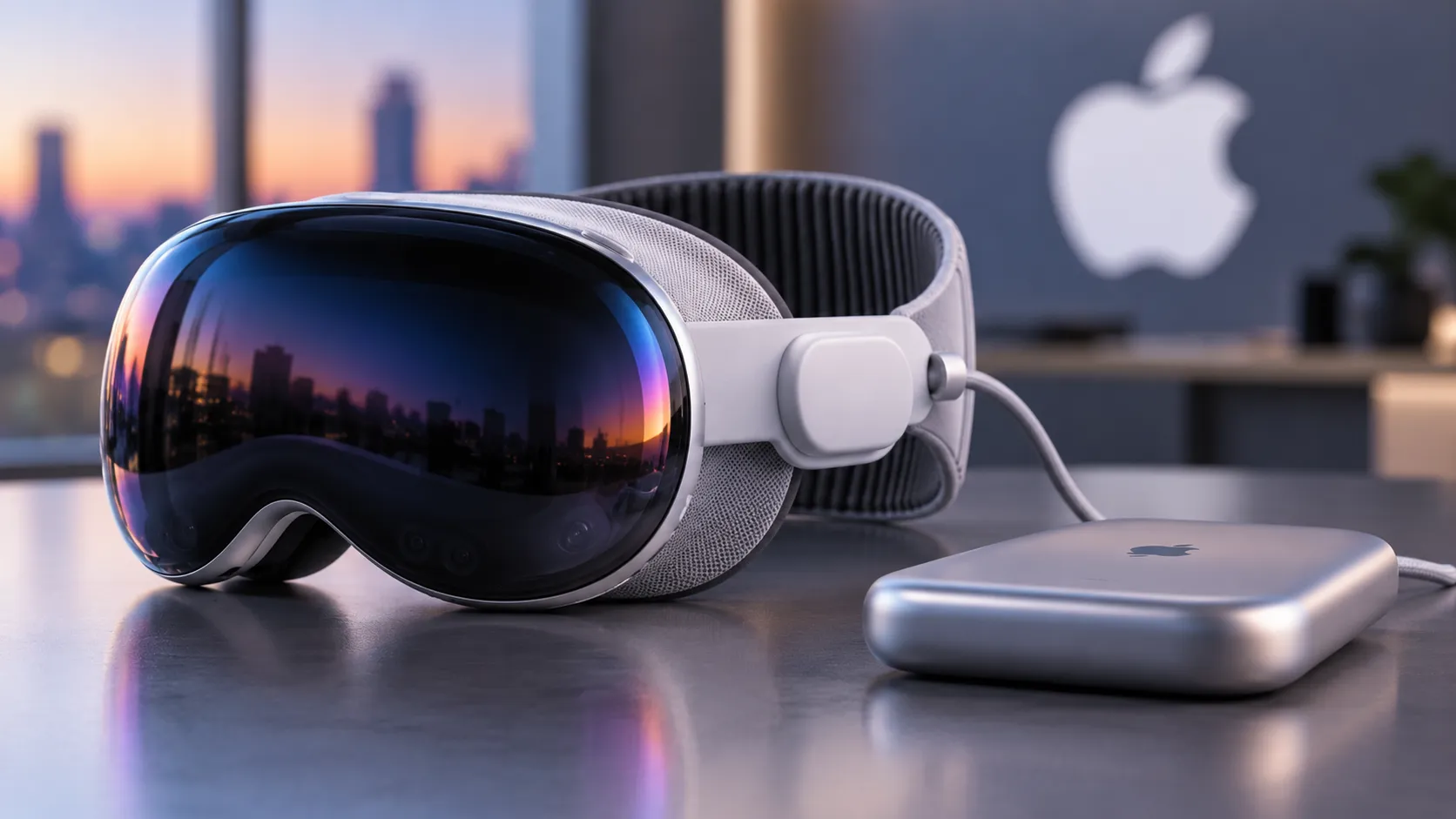
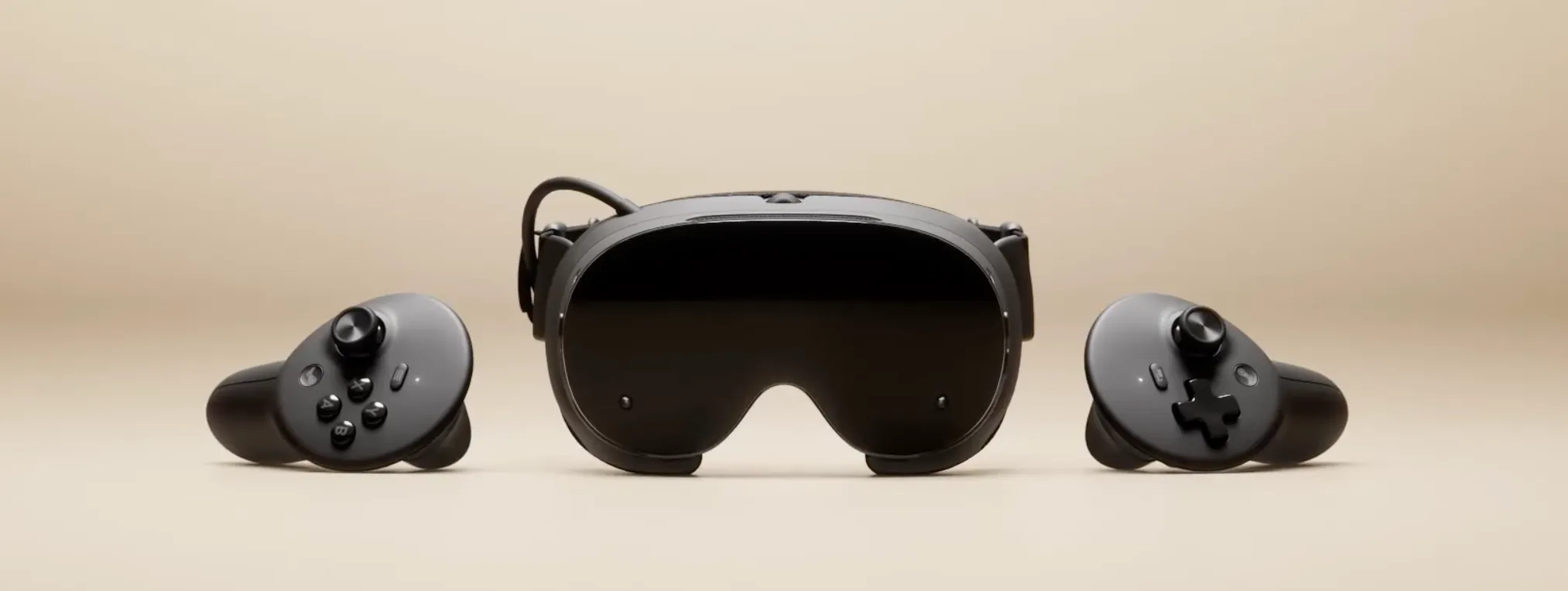
The competitive analysis reveals interesting strategic positioning. Apple's Vision Pro currently relies on transcription and interpretation apps rather than integrated voice-matched translation, while Meta's wearables integrate multimodal AI but haven't shipped speaker-voice translation for real-world conversations.
This timing gap could position Android XR as the first platform to deliver seamless, voice-preserved translation at scale. If Android XR lands this cleanly, it could become a defining use case—an everyday reason to put on glasses. That represents a significant opportunity, because XR hardware has struggled to find compelling everyday applications beyond gaming and productivity niches.
Where conversations meet the future of XR
The integration of Pixel 10's Voice Translate is a bet that translation belongs in your line of sight and in voices you already trust. After extensive testing from users, that bet feels increasingly justified, with implications extending far beyond current technical capabilities.
The demo experience users reported felt meaningfully human even amid show floor chaos, suggesting the technology's potential to create genuine connections across language barriers. There's something profound about hearing someone's actual voice speaking your language, even when you know it's AI-mediated—it preserves the personality and emotional context that makes communication transformative rather than just functional.
The path to widespread adoption involves balancing accuracy, latency, battery life, and user consent while scaling from controlled demonstrations to everyday reliability across diverse acoustic environments, speaking styles, and cultural contexts. Success will require not just technical refinement but also building user trust in AI-mediated communication and establishing clear ethical frameworks for voice modeling technologies.
If Google and its partners successfully navigate these multifaceted challenges, we might be witnessing the emergence of a genuinely transformative use case for XR technology. The killer app for XR might simply be facilitating good conversations between people who previously couldn't communicate effectively. That's not flashy, but it's profoundly useful—and that combination of human value with technical sophistication might be exactly what XR needs to move from fascinating novelty to essential tool.


Comments
Be the first, drop a comment!