


How Snap's AR licensing strategy could solve its ad revenue trap
Snap earns almost nothing outside of advertising. Bloomberg reported earlier this year that the company's revenue growth had stabilized in the low-to-mid single digits, a ceiling that reflects something deeper than execution quality: competing for the same brand and direct-response budgets as Meta and Google, on a fraction of their data footprint and targeting precision. That fight doesn't get more winnable through better product. The constraints are structural.
AR glasses are an escape route, not a product line. The logic is more coherent than typical coverage acknowledges, and more fragile than Snap's communications tend to admit. The central question isn't whether Snap has a plausible platform story. It's whether any device manufacturer would choose Snap over Android XR or a custom stack, and what specifically tips that decision. That question is where this analysis spends most of its time.
Why the timing actually matters
The AR wearables category is approaching a genuine cost inflection in mid-2026, not because the technology finally works but because the economics are finally moving. Waveguide optic manufacturing costs have dropped roughly 60% since 2020, according to supply chain analysis by Counterpoint Research from about ten months ago, bringing consumer-grade AR glasses within reach of the $300–$500 price range that prior generations couldn't approach. That cost curve makes mass-market pricing plausible within a two-to-three year window. Plausible and inevitable are different things, and this category has burned optimistic investors more than once.
The broader market carries analyst projections above $50 billion addressable by 2030, per IDC from roughly eight months ago. Those figures deserve real skepticism. Adoption timelines here have slipped repeatedly, and the gap between projected potential and actual consumer spending has been wide enough to swallow companies with stronger balance sheets than Snap's.
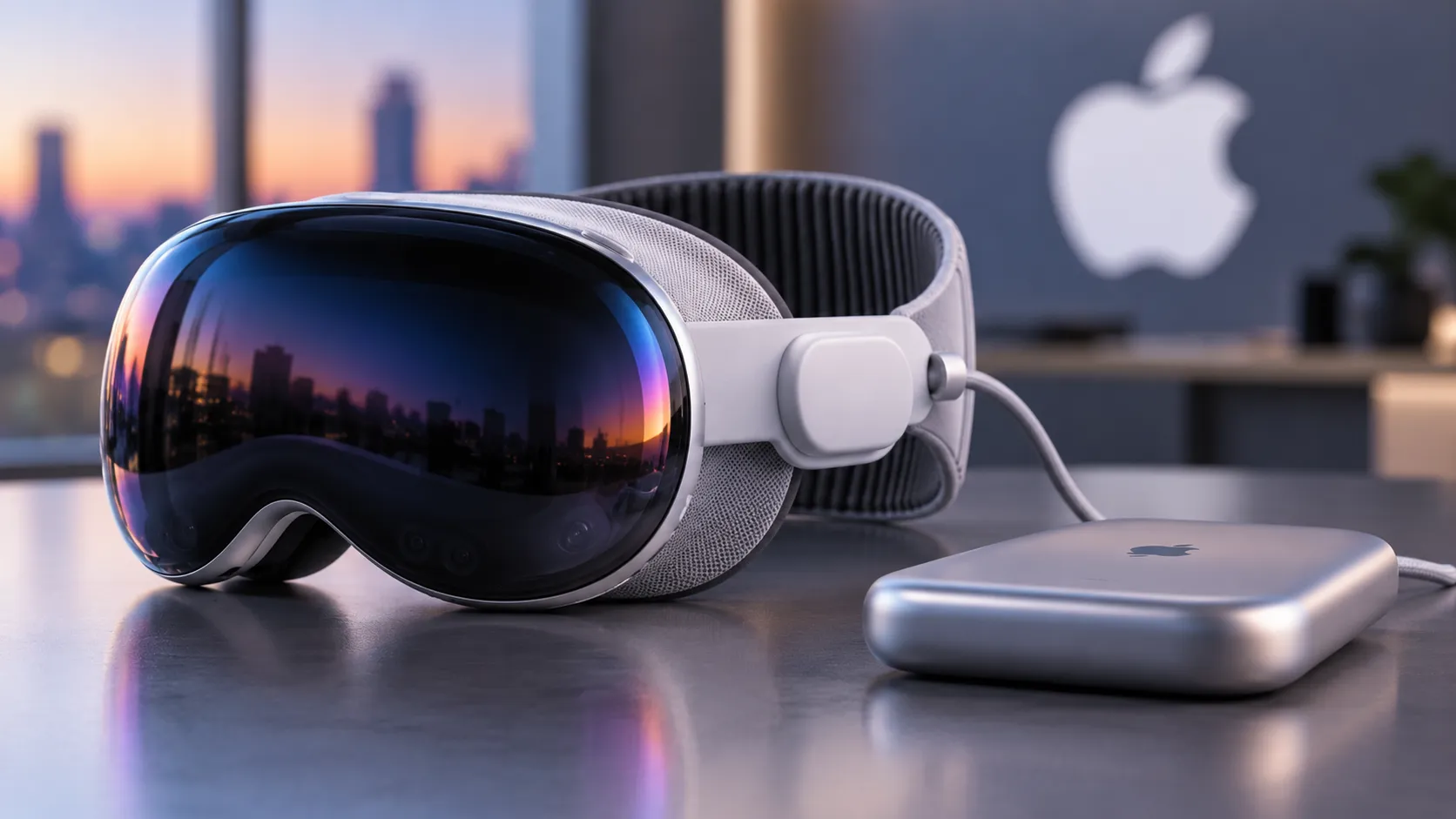
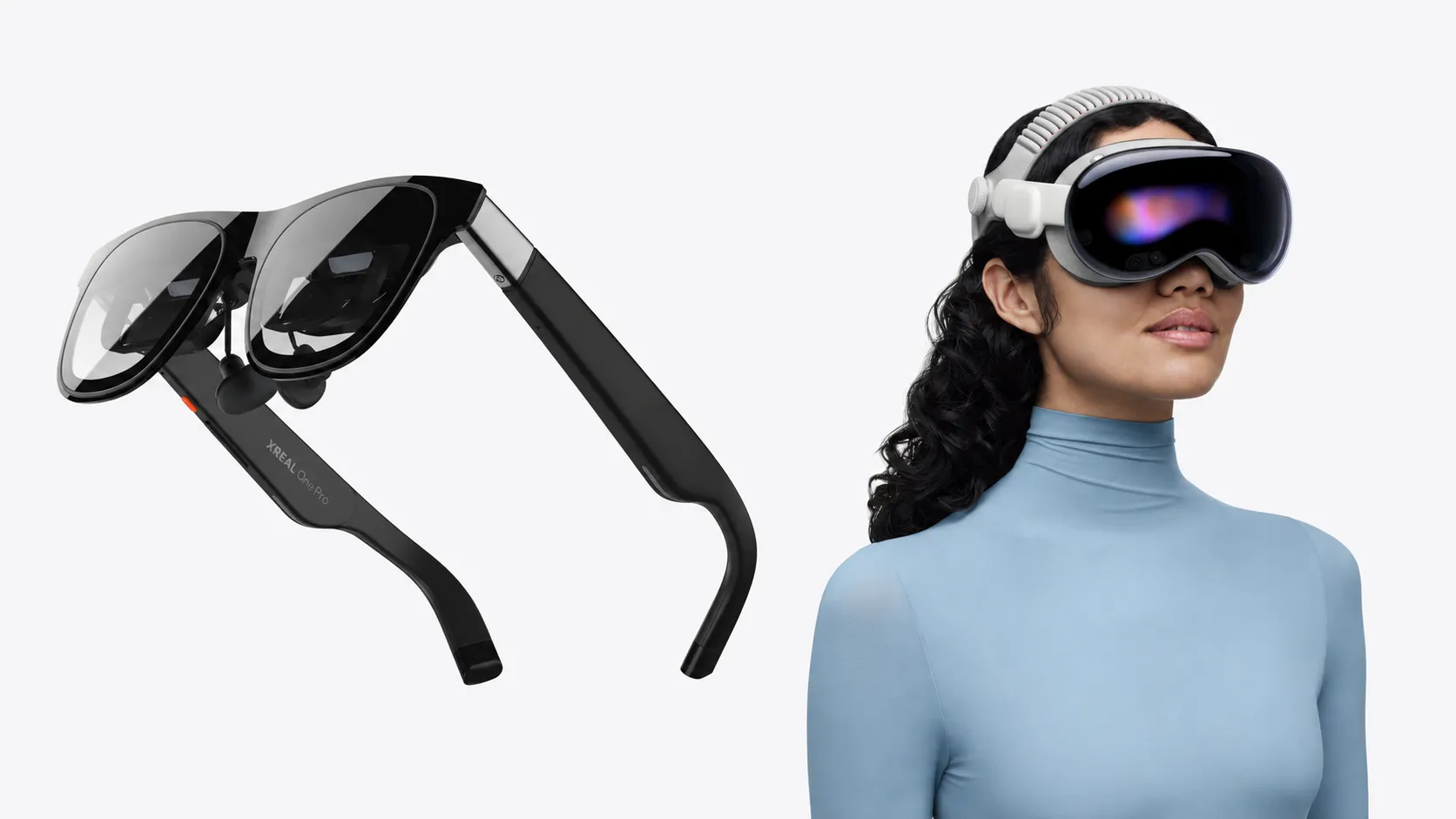
What carries more weight than projections is actual behavior. Camera-equipped smart glasses have cleared the first real threshold of consumer acceptance, with Meta's Ray-Ban line demonstrating that people will actually buy and wear the form factor at scale. Apple's Vision Pro, despite its price ceiling, generated substantial developer interest in spatial computing formats that platforms with existing AR infrastructure can absorb without starting from scratch.
Snap unveiled its fifth-generation Spectacles in September 2024 as its first full AR waveguide display device, launching not at retail but as a $99-per-month developer subscription, as The Verge noted at the time. The framing is deliberate: seed content creation now, move to consumer pricing when unit economics allow. Platforms that establish developer habits early tend to keep them.
With Meta gaining commercial traction and Apple having normalized spatial computing for premium buyers, the window for ecosystem positioning is narrowing. Snap has to decide, under genuine financial pressure, whether to commit or retreat. The next 18 months will likely determine which answer is still available to it.
The only path the balance sheet can actually support
Two routes exist for Snap in AR. Only one is financially survivable.
The first is consumer hardware: manufacture glasses at scale, earn device margin, capture software subscriptions. This is a punishing business even for companies with deep pockets. Meta can price its hardware as customer acquisition rather than profit, because its advertising revenue absorbs those losses at scale. Snap has no equivalent backstop. The company posted an operating loss exceeding $700 million in fiscal year 2025. For a company in that position, device margin isn't a business model. It's a trap.
The second path is licensing the software stack. Snap provides its operating system, developer tools, and creator infrastructure to a hardware manufacturer that absorbs device costs and distribution. Snap collects platform fees and captures AR advertising inventory without owning the manufacturing problem.
The Android analogy is instructive but only goes so far. Google's revenue doesn't come primarily from Pixel sales; it comes from running the software layer across hardware built by dozens of manufacturers. But Android succeeded because Google controlled search, app distribution, and services at web scale. Snap controls none of those things. The licensing model works for Snap only if it offers a hardware partner something Android XR genuinely cannot, which means the question comes back to what Snap actually owns. That's where the argument gets interesting.
Snap has reportedly been exploring hardware partnerships that would reduce its capital exposure while preserving its platform position, per Bloomberg from earlier this year. Whether it can close a deal with a credible manufacturing partner is the most important near-term variable in this story.
Why a manufacturer might actually choose Snap
This is the question the bull case needs to answer concretely, because the alternatives aren't weak. Android XR comes with Google's full services layer, broad developer familiarity, and a mature app ecosystem. A custom stack gives a manufacturer complete control over roadmap and data. What does Snap offer that clears either of those bars?
The neutrality argument is the strongest, and it deserves to lead. Meta is a direct competitor to most consumer electronics companies. A manufacturer building on Meta's platform hands a rival visibility into user behavior, device performance, and market data. Building on Android XR means a different kind of dependency: Google shapes the product roadmap through future strategic decisions the manufacturer can't anticipate or override. Snap, by contrast, is not competing in consumer electronics. It is not building its own flagship device to displace a partner's. For a device maker that wants software depth without structural dependency on a company that might enter its market next year, Snap's position as a genuinely non-competing partner is a concrete, differentiating feature. Not a consolation prize.
The advertising infrastructure argument is real but requires careful framing. Snap has been selling sponsored AR lenses to brands for years. A hardware partner running Snap OS wouldn't need to build a monetization layer from scratch or spend years educating advertisers on a new format. Most device manufacturers, even technically capable ones, have no comparable ad sales infrastructure and no realistic path to building one quickly. The qualification worth making: this argument holds if existing brand relationships translate into paid hardware inventory at meaningful rates. That commercial layer exists in principle. Whether it generates enough advertiser demand to matter is a question Snap's public disclosures haven't yet answered clearly.
The audience-specificity argument is the most conditional of the three. Snap OS connecting a wearer directly to Snapchat's messaging layer and AR lens catalogue from day one has obvious appeal for manufacturers targeting younger consumers. Building that user relationship from scratch on Android takes years and marketing spend. But the argument only holds if Snapchat behavior actually travels to a wearable form factor, which isn't guaranteed. Installed base matters only if it follows users to glasses, and that portability needs to be demonstrated rather than assumed.
Compared side by side: Android XR wins on breadth and infrastructure. A custom stack wins on control. Snap's opening is the combination of genuine ad monetization infrastructure, a non-competing platform posture, and an existing AR content catalogue a partner could launch with on day one. That's a narrow case, but it's a real one.
What Snap actually owns
Lens Studio is the asset most consistently undervalued in coverage of this story. The platform has over 300,000 registered developers who have collectively built more than 3 million AR lenses, per Snap Inc. investor materials from earlier this year. Among companies actively pursuing glasses hardware, Snap already has a consumer-facing AR creation ecosystem that could be repurposed for wearables faster than a hardware manufacturer starting from scratch, per TechCrunch from roughly fourteen months ago. Meta's AR content is largely locked inside its own device ecosystem rather than available as a neutral development layer. That's the specific opening Snap is trying to occupy.
The distinction matters for the licensing thesis. A developer building for a closed ecosystem has one customer. A developer building for a neutral platform has many, and the catalogue grows without Snap having to fund every lens individually.
The honest qualification is worth keeping front and center: registered developers measure enrollment, not commercial health. The metric that would validate the ecosystem argument is whether brand advertisers are paying for AR lens placements at rates that justify continued development, and whether creators are generating enough income to keep building rather than drifting toward better economics elsewhere. High developer activity alongside thin monetization produces a catalogue, not a durable competitive position. Snap's public disclosures haven't answered those questions, which means the ecosystem argument is credible but incomplete.
Snap's daily active user base exceeded 450 million globally as of its 2025 annual report, per Snap Inc. investor materials, skewing heavily toward the 13-to-34 demographic that tends to normalize new form factors before other age groups engage with them. That's a meaningful distribution advantage, but it converts into hardware adoption only if Snap isn't absorbing manufacturing costs to get there. Which is the reason, again, that the software licensing structure matters more than the device itself.
The case for, and the case against
Why the bet could pay off:
Snap's advertising problem won't be solved by better targeting or more aggressive sales. Competing against Meta and Google for brand budgets, with smaller audiences and less targeting precision, is a fight where the fundamentals don't shift regardless of execution quality. Platform licensing revenue from AR hardware doesn't require winning that fight. It requires being useful to whoever wins the hardware market, which is a more tractable problem given Snap's developer depth. Bloomberg examined this structural constraint in the context of Snap's business model earlier this year.
If Snap lands a credible manufacturing partner, what changes concretely: the company gains per-device or per-user platform revenue that isn't tied to ad market cycles, AR lens placements become a separately scalable inventory type, and Snap's developer ecosystem gets hardware distribution it couldn't afford to build alone. That's not a guaranteed outcome, but it describes an actual change in revenue mix rather than just a strategic pivot announcement.
Why it could fail:
The financial position creates a hard timeline. Operating losses exceeding $700 million in fiscal 2025 mean funding R&D and ecosystem investment from a sustained loss position requires either improved core profitability or continued capital market access. Snap's specific cash position and free cash flow trend from its most recent earnings disclosure are the numbers to watch; the absolute level matters and it shifts quarterly.
The competitive gap with Meta isn't only about scale. Meta has established retail distribution, advertising infrastructure deep enough to price devices as acquisition tools rather than profit centers, and on-device AI integration Snap isn't positioned to match at equivalent investment levels. Developer depth gives Snap real content advantages. Meta's capacity to absorb hardware losses for years while simultaneously building a competing developer base is a different kind of staying power, and content volume alone doesn't overcome it.
Snap's hardware history gives legitimate grounds for skepticism. The first four Spectacles generations generated minimal revenue, and the original 2016 launch left the company with a reported $40 million in unsold inventory. Snap has never publicly disclosed a path to hardware profitability across any generation. A fifth generation that fails to find commercial traction would erode investor patience at exactly the moment the strategy needs sustained capital to prove itself.
Consumer trust sits in its own category. AR glasses are persistent, camera-equipped wearables. Google Glass collapsed under privacy backlash in 2013 and 2014, and that skepticism hasn't dissolved; Meta has only partially addressed it with Ray-Bans by making camera activation visible and keeping the industrial design deliberately low-profile. Whether Snap's brand identity, built on ephemerality and youth culture, helps or compounds that skepticism in a consumer-facing launch is genuinely unclear. It could cut either way.
Three signals that will determine whether this is real
A platform win for Snap doesn't look like strong Spectacles unit sales. It looks like a signed deal with a named device manufacturer, announced publicly. It looks like Snap OS shipping on third-party hardware within 24 months of that announcement. It looks like AR lens revenue appearing as a separately disclosed earnings line rather than being absorbed into general advertising figures where its growth is invisible.
None of those signals are publicly visible yet. That's the honest status of the thesis: coherent in architecture, unproven in execution.
Developer ecosystem quality will matter more than any hardware specification. The question isn't how many developers are registered on Lens Studio; it's whether brands are paying for AR lens placements at rates that make the format worth building for, and whether creators are generating enough income to stay rather than moving to better economics elsewhere. Those are the metrics Snap would need to start disclosing before this thesis becomes more than a well-reasoned argument.
The display cost trajectory is a variable neither Snap nor its competitors fully controls. The 60% decline in waveguide optic costs since 2020 is a real tailwind, per Counterpoint Research. Per-unit costs need to fall further before retail pricing reaches beyond early adopters. A manufacturing partner with existing production scale gets there faster than Snap building alone, which is another reason the partnership question belongs at the center of this analysis.
A rational bet, not a forgiving one
Snap's AR strategy is only interesting if a manufacturer finds it useful enough to share control of their product. That is the actual test, and everything else in this analysis is upstream of it.
What gives the thesis credibility isn't optimism about the AR category. It's the specific combination of a large user base in the right demographic, an AR content ecosystem with genuine depth, a cost curve finally moving toward mass-market pricing per Counterpoint Research, and a neutrality advantage that neither Google nor Meta can credibly claim. Those conditions don't guarantee success. They explain why this is a coherent response to a real structural problem rather than an expensive distraction.
The financial clock is the constraint everything else runs against. Operating losses exceeding $700 million in fiscal 2025, a hardware track record without a single profitable product, and an ad market that keeps rewarding scale: the pressures compound. Snap doesn't need to win the AR hardware market. It needs to become indispensable to whoever does win it, and it needs to do that before the runway runs out. Watch for a named hardware partner, a separate AR revenue disclosure, and creator income data from Lens Studio over the next 12 to 18 months. Those three data points will tell you more than any product launch ever could.




Comments
Be the first, drop a comment!