


Illinois Smart Glasses Driving Ban Explained: Rules and Penalties
Illinois has passed a bill that would make it illegal to use AI smart glasses while driving, and it now sits with Gov. JB Pritzker. If signed, the Illinois smart glasses driving ban would be the first of its kind in the United States, Gizmodo reported today. The bill's defining move is what it removes: the hands-free exception that currently lets Illinois drivers use voice-operated devices behind the wheel.
Under existing state law, a driver can legally interact with an electronic device in voice-operated mode. The new bill closes that carveout specifically for "artificial intelligence smart glasses," meaning that saying "Hey Meta" from behind the wheel would not constitute a legal defense, per Gizmodo. Lawmakers updated the bill to name wearable devices including Meta glasses by category, citing concern that the technology takes a driver's attention off the road, according to CBS Chicago.
How the Illinois smart glasses driving ban would change existing hands-free rules
The bill does not create a standalone wearable-device prohibition. It expands Illinois' definition of "electronic device" to include wearable AI hardware, folding smart glasses into the existing distracted-driving framework, Gizmodo reports. The legal logic that already governs phone use while driving would extend to glasses.
The operative language from the bill is unambiguous: "Exceptions to the use of an electronic communication device while driving do not apply to the use of artificial intelligence smart glasses when using the electronic communication device in hands-free or voice-operated mode or when the vehicle is stopped due to normal traffic being obstructed and the driver has the motor vehicle transmission in neutral or park," per Gizmodo's account of the bill text. That language treats voice-activated AI on a head-mounted display as a categorically different problem from a Bluetooth earpiece not just another interface, but a distinct distraction mechanism.
What the available reporting does not resolve is what triggers a violation in practice. The bill prohibits "use" of AI smart glasses and removes the hands-free exception, but whether an officer needs to observe active AI interaction or whether simply wearing the glasses while driving constitutes use is not addressed in the coverage. That ambiguity has real consequences for enforcement, and for anyone who uses wearable devices for accessibility purposes. No law enforcement guidance or legal analysis addressing that question has surfaced.
No other U.S. state has passed comparable legislation. New York has proposed restricting "head-mounted portable electronic devices" for drivers, but none of those proposals have reached a House or Senate floor, according to Gizmodo. Illinois, if Pritzker signs, would be the first to make this law.
The evidence behind the ban and where it runs out
The scientific case lawmakers are drawing on is real, but it was not built with smart glasses in mind. A NHTSA-backed research review covering 2008 through 2022 documents how portable electronic device use degrades driver attention, lane position, following distance, speed control, and reaction time, and links device use to crash prevalence and risk, per NHTSA. The report's frame is "portable electronic devices" as a category. Smart glasses are not addressed.
Illinois lawmakers are applying a precautionary reading: if a device competes for visual or cognitive attention, the distraction mechanism may be similar whether the hardware is held in the hand or mounted on the face. The performance domains the NHTSA review identifies attention, reaction time, lane-keeping map directly to what a head-up AI display could affect. But the ban is getting ahead of device-specific evidence. There are no crash statistics tied specifically to AI smart glasses use, and the research provides no direct comparison of their effect on driving performance versus dashboard infotainment systems or conventional phone use.
That evidentiary gap matters. It is the most obvious pressure point if manufacturers or civil liberties groups mount a legal challenge, and it is worth being clear-eyed about: the legislature is acting on an analogy, not a documented injury record.
The EFF raises a separate enforcement problem, writing from a civil-liberties perspective: smart glasses are engineered to look like ordinary eyewear, with most reviewers noting that people nearby did not realize the devices had embedded cameras. The recording indicator light can be disabled through cheap workarounds, per EFF. A traffic officer stopping a driver has no obvious way to determine from outside the vehicle whether the glasses were actively processing AI commands at the time of an incident.
Penalties and what Illinois drivers need to know now
The bill is not yet law. No prohibition is currently in effect, and nothing changes until Pritzker signs.
If he does, fines start at $75 for a first offense and rise to $150 for repeat violations, per Gizmodo. Those numbers are modest, but a crash changes the calculation entirely. A driver involved in a serious accident while wearing smart glasses could face misdemeanor or felony charges, Gizmodo reports, placing the device in the same aggravating-factor territory as other distracted-driving prosecutions.
The unresolved "use" versus "wearing" question is the practical sticking point. Until enforcement guidance clarifies what an officer must actually observe to issue a citation, Illinois drivers with AI smart glasses should treat a signed bill as a prohibition on wearing them at all behind the wheel.
Why this approach could become a model for other states
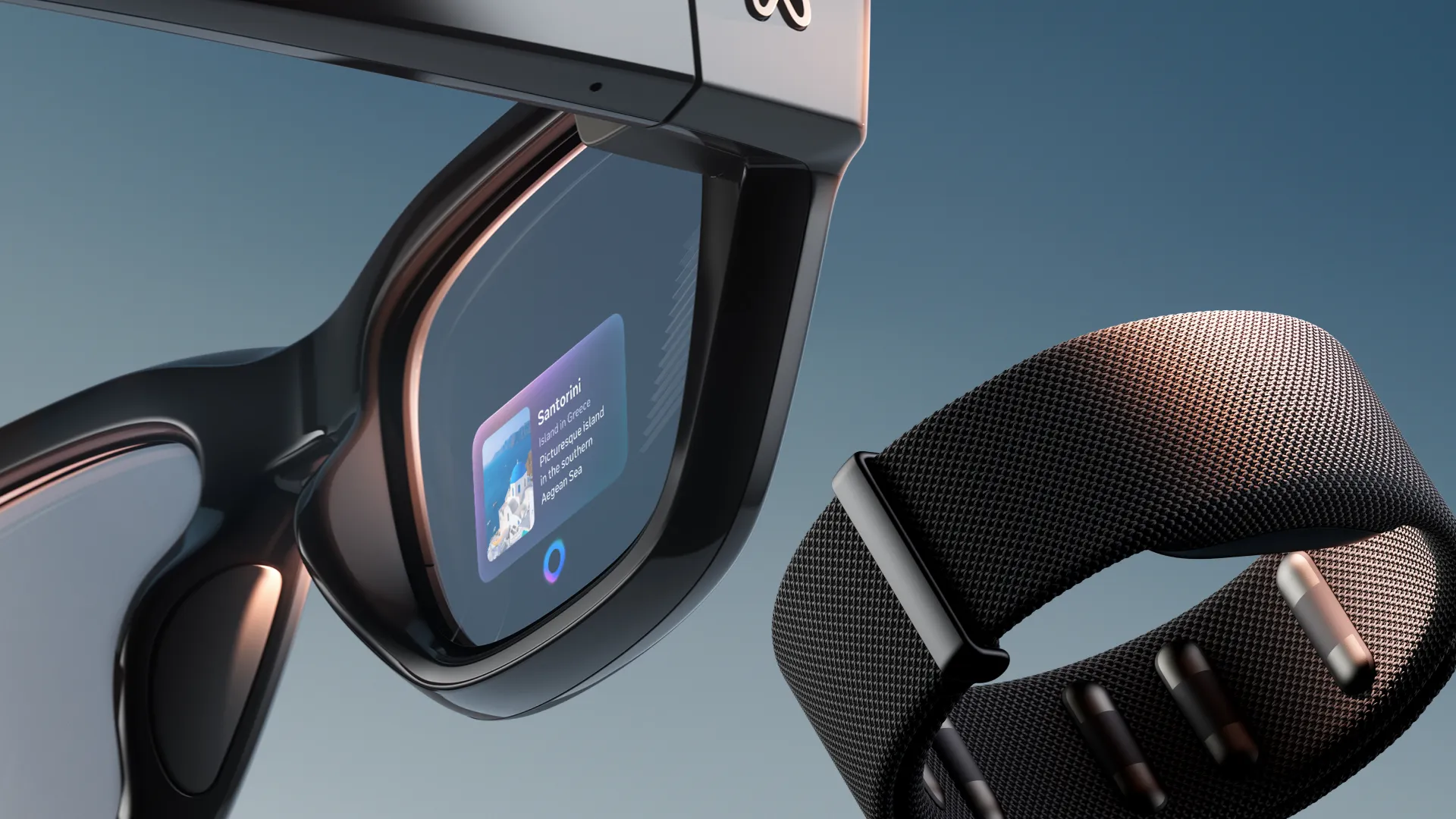
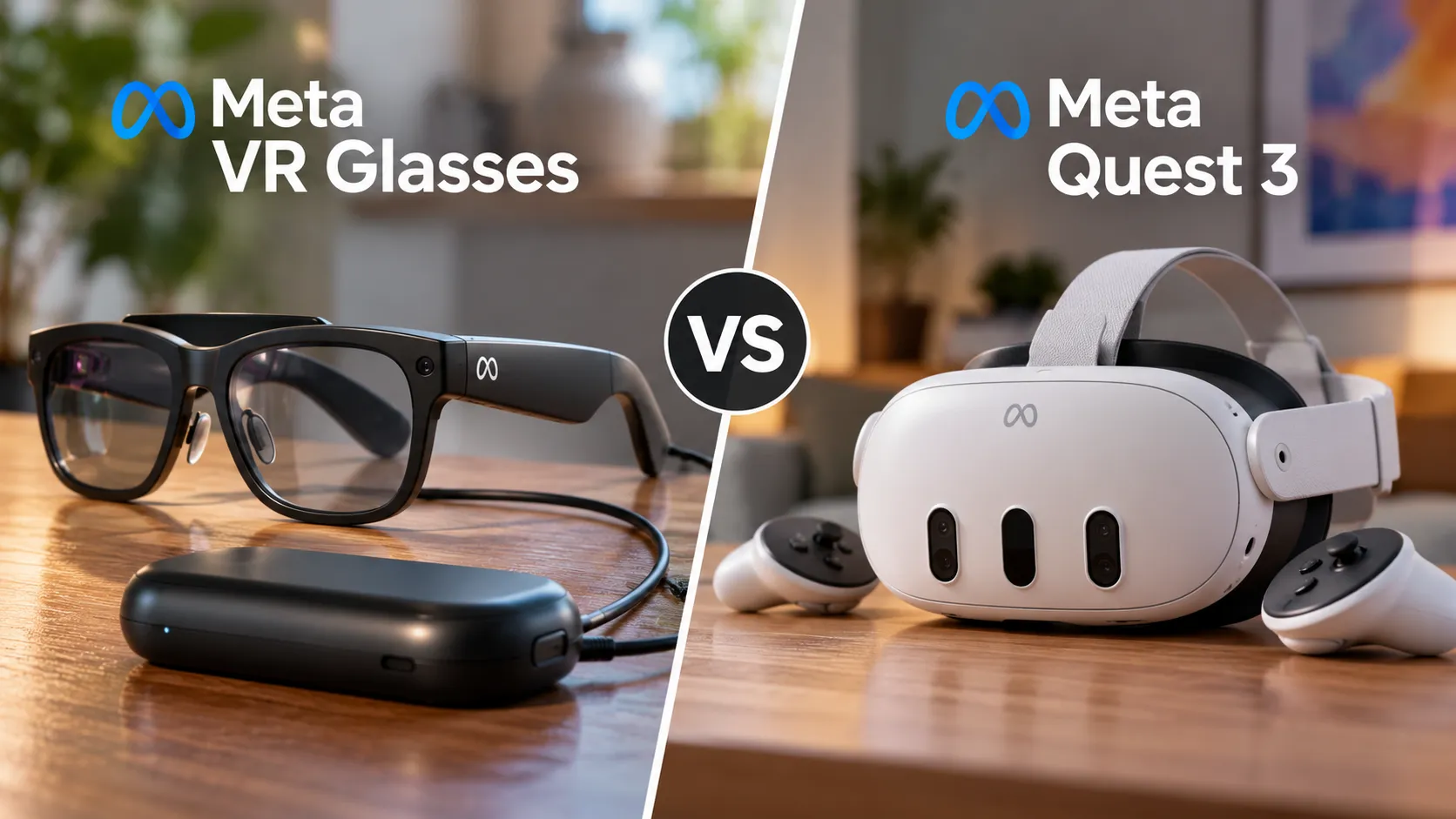
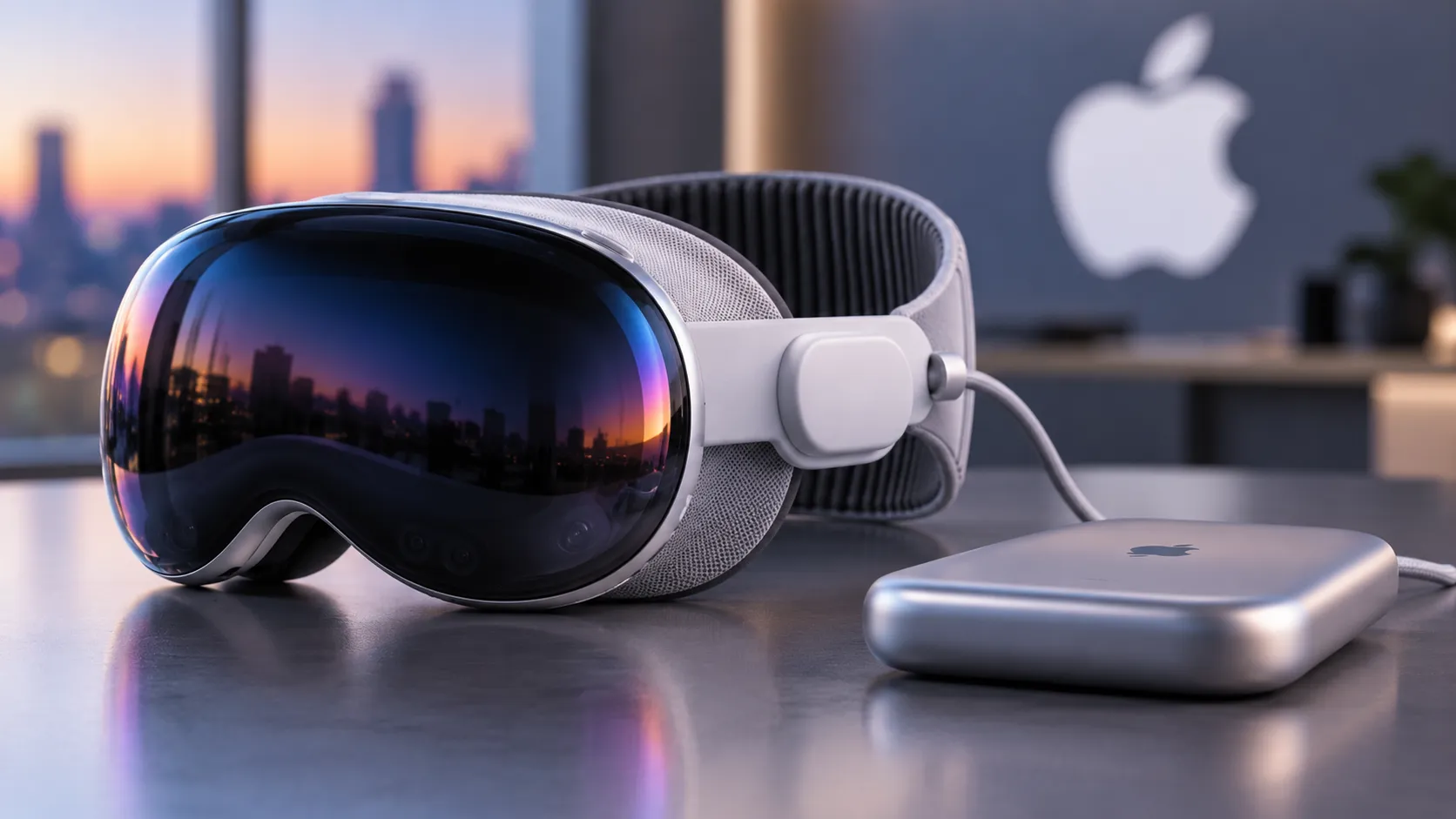
The timing matters. Meta's Ray-Ban and Oakley partnerships are currently the dominant smart glasses products on the market, while Google has announced an AI glasses collaboration with Warby Parker and Apple is rumored to be developing a competing product, per EFF. Widespread adoption has not happened yet. Legislators in other states watching Illinois have noticed something useful: the drafting strategy requires very little legal invention to replicate.
Rather than building a standalone wearable-device statute, Illinois folded AI smart glasses into the existing distracted-driving framework and stripped the hands-free exception. Any state with equivalent carveouts in its electronic-device law could adopt the same approach without new infrastructure. The barrier to copying it is low, which is precisely why the model is likely to travel.
The implications for manufacturers are concrete. Hands-free operation and voice activation the features most prominently marketed as making smart glasses safer and more convenient have been ruled categorically insufficient under this framework. If other states follow, product designers will face pressure to build in driving-detection lockouts or automatic feature suppression that current devices do not offer.
What happens next
The decision rests with Pritzker. If he signs, Illinois becomes the first state to expressly ban the use of AI smart glasses for drivers and the first to close the hands-free loophole for a wearable AI category, per Gizmodo.
Two questions will determine how the law plays out. The first is whether the evidentiary foundation grounded in general portable-device distraction research rather than smart-glasses-specific data, per NHTSA holds if the law faces a legal challenge. The second is whether enforcement guidance resolves the "use" versus "wearing" ambiguity, or whether that distinction gets settled through litigation. Other states considering similar legislation will be watching both.


Comments
Be the first, drop a comment!