


Reviewed by: Y. Garcia
Meta's latest Ray-Ban Display glasses were supposed to mark a triumphant global expansion, but the tech giant just hit the brakes on international rollout plans. The company postponed its scheduled early 2026 launch across the UK, France, Italy, and Canada due to inventory shortages and overwhelming U.S. demand (CNBC). Current wait times now stretch well into 2026, highlighting a supply-demand mismatch that's both a blessing and a challenge (BetaNews). This pause reveals critical insights about the smart glasses market's unexpected momentum and the operational hurdles facing even tech giants when breakthrough products exceed expectations.
When success becomes a supply chain nightmare
The numbers tell a compelling story about just how dramatically Meta underestimated demand. Since the September launch at $799, the company has faced what it describes as "unprecedented" interest in the Display model (CNBC). The initial stock sold out within 48 hours of the September 30 U.S. launch — a sellout speed that suggests even Meta's internal demand forecasting dramatically underestimated consumer appetite for genuine AR functionality (Techsponential). This forced the company to implement an appointment-only system at select retail locations, transforming what could have been a typical product launch into an exclusive demonstration experience.
What makes this situation particularly telling isn't just the speed of the sellout — it's the completely unprecedented retail model Meta had to implement. You can't just walk into a store or order these glasses online like typical consumer electronics. Instead, purchasing requires booking demos at specific Ray-Ban, Sunglass Hut, LensCrafters, and Best Buy locations (Engadget). Meta anticipated strong demand ahead of launch, with locations booking demos several weeks in advance, but even that preparation wasn't enough.
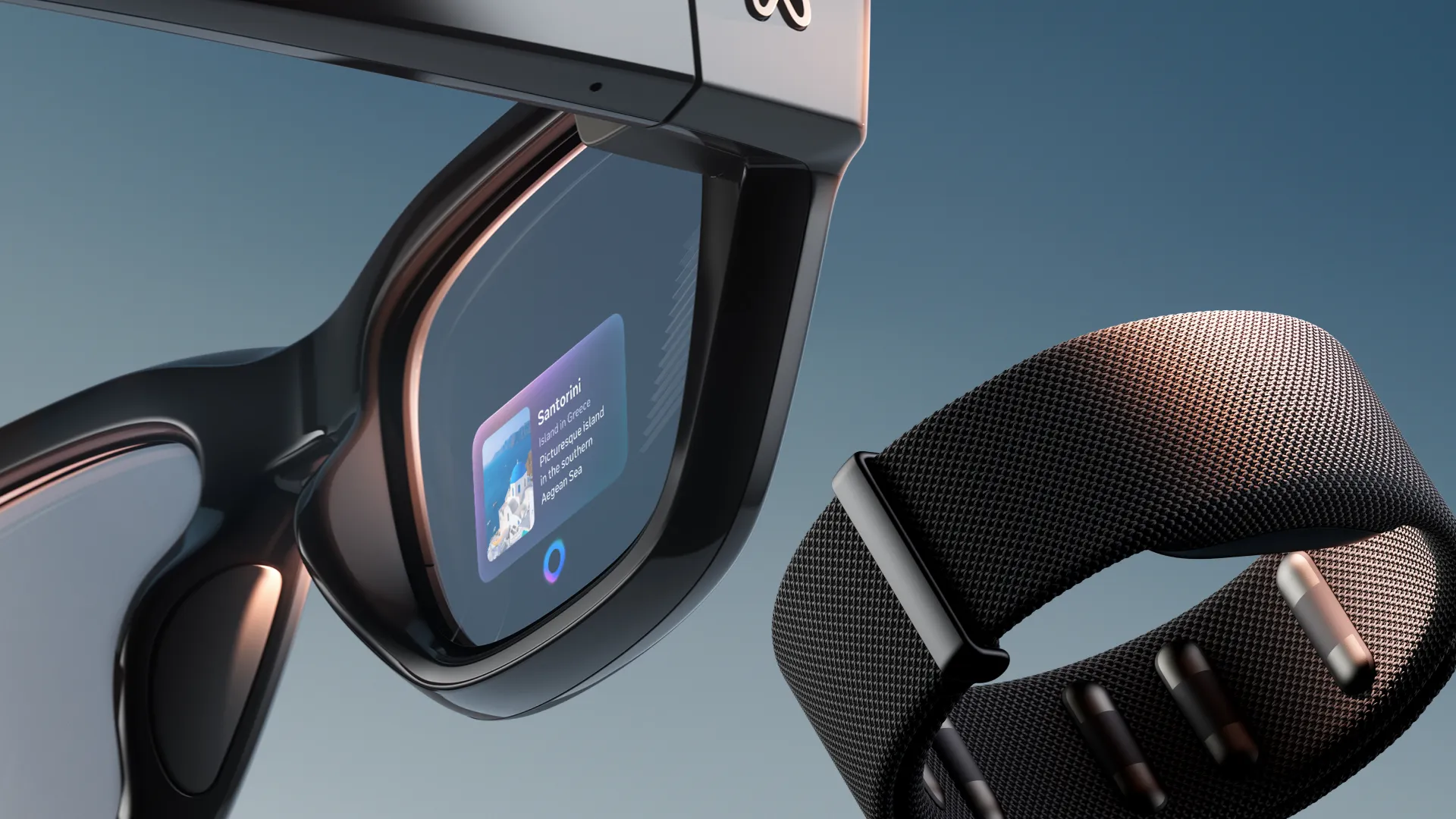
This isn't just about high demand — it's about a fundamentally different product category that caught the market off guard. The Display glasses represent Meta's first consumer device with an integrated heads-up display, featuring a 600x600 optical system that projects a virtual 13-inch screen experience (Virtual Reality News). Combined with the Neural Band controller for gesture recognition, these specs deliver capabilities that reviewers consistently describe as transformative, with one calling them "the best I've ever tried" (StockTwits).
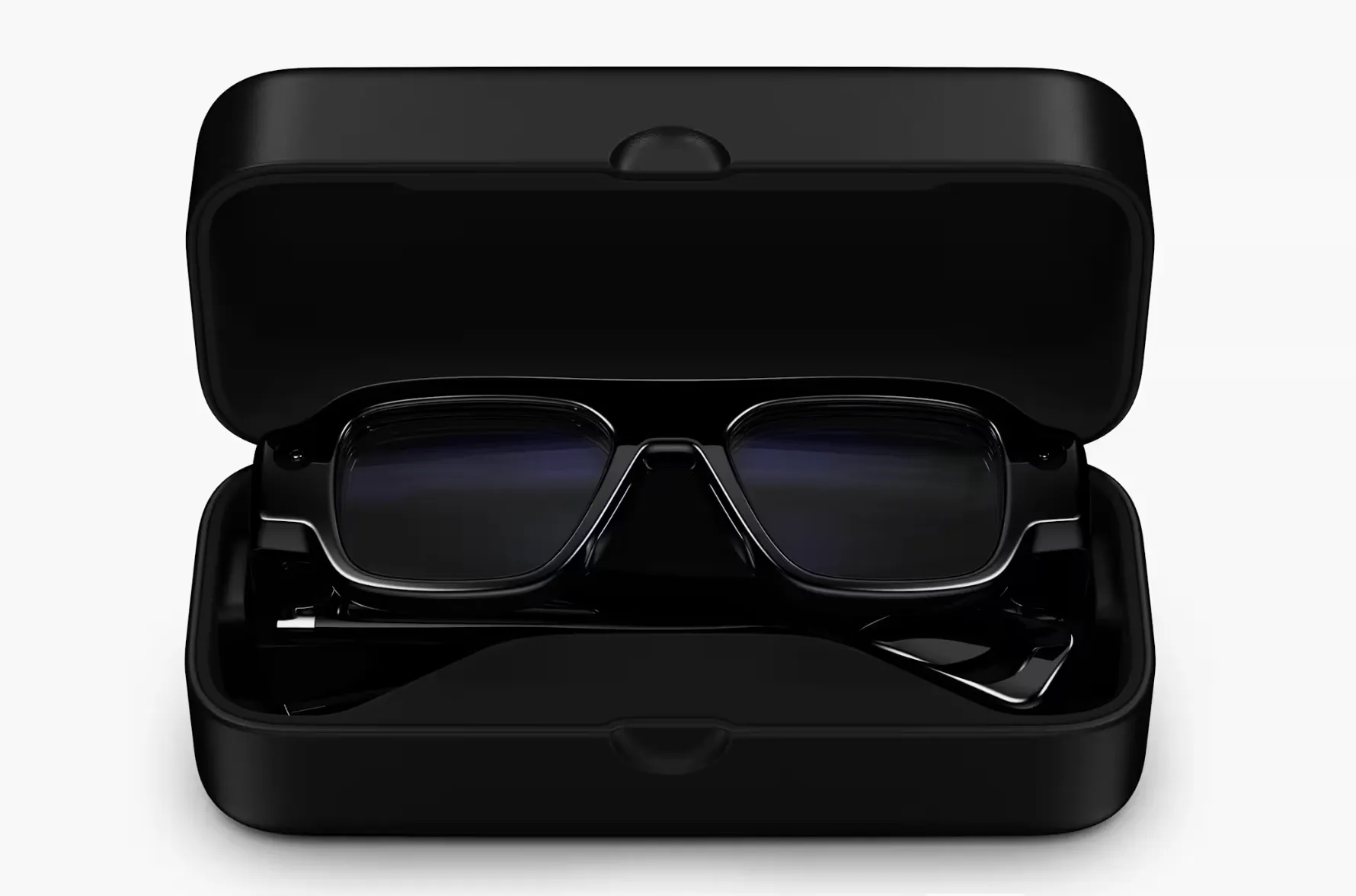
The technical achievement here is genuinely impressive when you break it down. Meta packed waveguide optics, micro-projectors, processors, cameras, speakers, and batteries into something that weighs barely more than regular glasses (Virtual Reality News). The micro-display system projects images onto the inside of the right lens while remaining completely undetectable from the outside. That's the kind of miniaturization that makes these glasses feel like science fiction made real — and explains why ramping production to meet iPhone-level demand isn't a simple matter of adding more assembly lines.
What the delay reveals about Meta's AR strategy
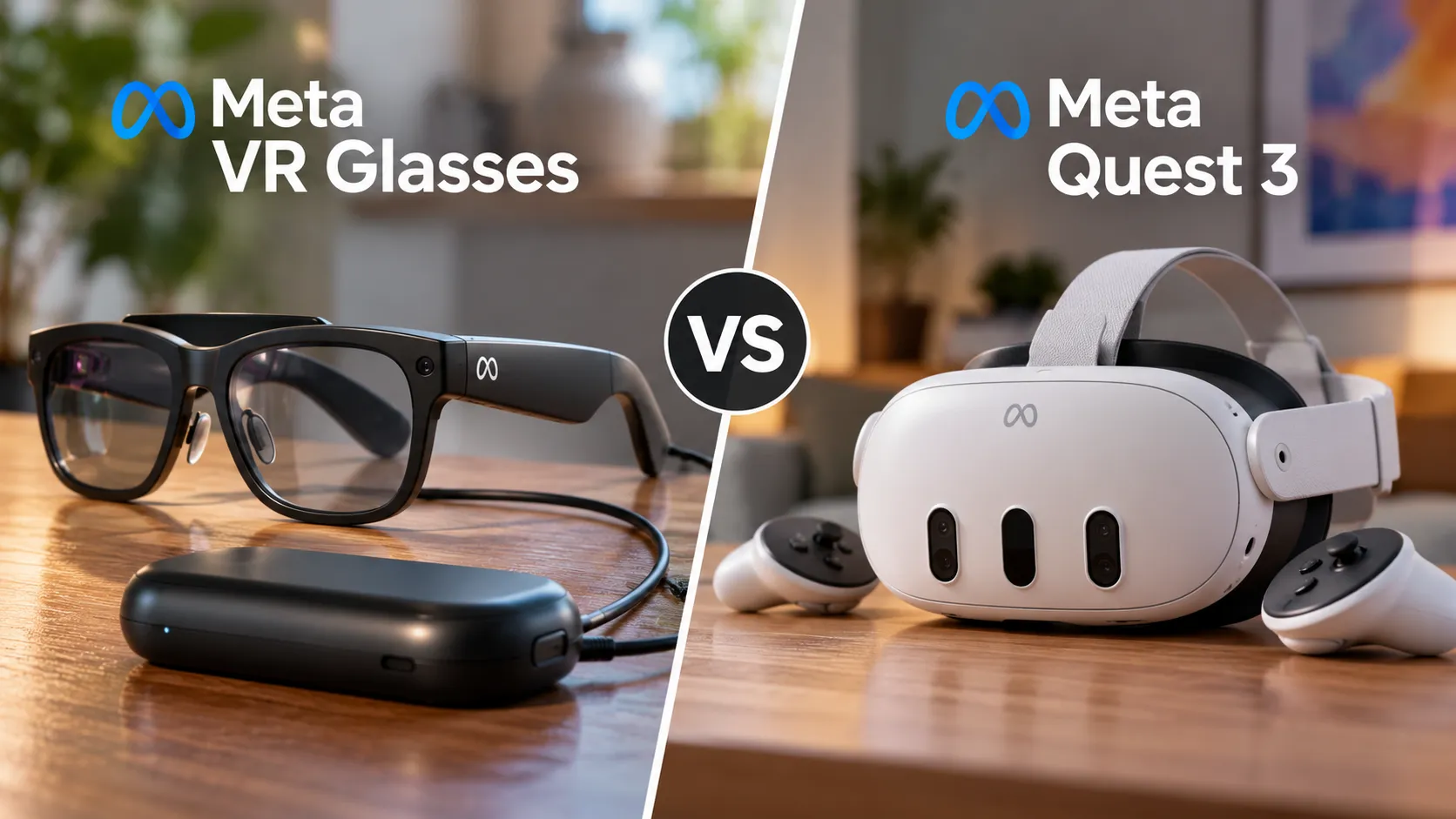
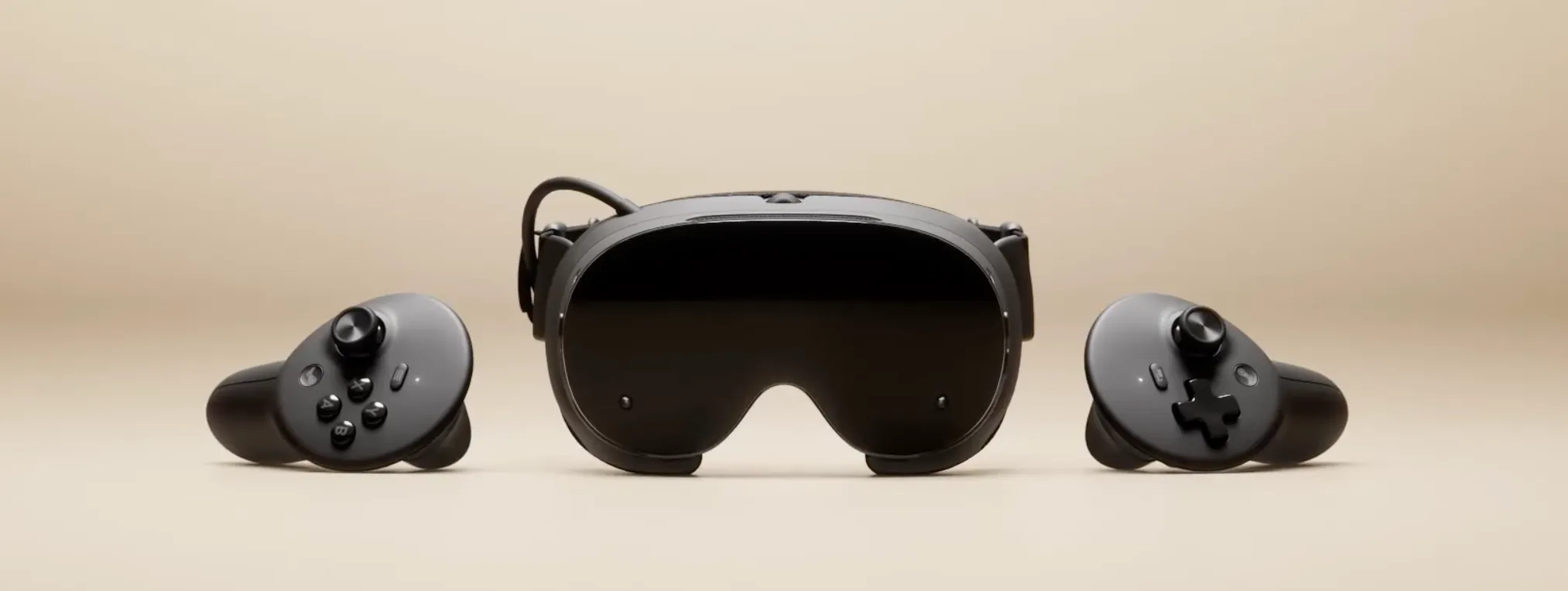
This supply crunch illuminates broader strategic shifts within Meta's Reality Labs division. The company has been quietly reallocating resources from traditional VR headsets toward AI-powered wearables, capitalizing on what executives call "momentum" in the smart glasses segment (BBC). The financial impact is already visible — EssilorLuxottica, Meta's manufacturing partner, reported record quarterly revenue of 6.87 billion euros, with Ray-Ban Meta products contributing over 4 percentage points to overall growth (StockTwits).
The timing of this delay also reveals Meta's evolving approach to product launches and market expansion. The company recently pushed back its Phoenix mixed reality glasses from late 2026 to early 2027, following CEO Mark Zuckerberg's directive to prioritize sustainable business models and higher-quality experiences (TechCrunch). Meanwhile, the lighter Artemis version of the Orion AR glasses remains targeted for 2027, suggesting Meta is taking a more measured approach to advanced AR deployment (MIT Technology Review).
This strategic patience makes sense when you consider the current supply constraints reflect deeper manufacturing challenges inherent to cutting-edge wearable technology. These aren't smartphones or laptops where established supply chains can ramp production relatively quickly. The integration of waveguide displays, gesture recognition systems, and AI processing into a socially acceptable form factor requires precision manufacturing that traditional consumer electronics don't face. The current bottleneck suggests Meta is learning that even with unlimited resources, there are physical limits to how quickly you can scale production of genuinely innovative hardware.
Market implications beyond Meta's immediate challenges
The international rollout pause signals broader shifts in the smart glasses ecosystem that extend well beyond Meta's operational difficulties. Global smart glasses shipments surged 110% in the first half of 2025, driven primarily by Ray-Ban Meta demand and new entrants like Xiaomi and TCL-RayNeo (StockTwits). Even more telling, the AI glasses subsegment grew over 250%, indicating that consumers are specifically gravitating toward intelligent, display-enabled devices rather than basic smart eyewear — validating Meta's bet on AR functionality over simple connectivity.
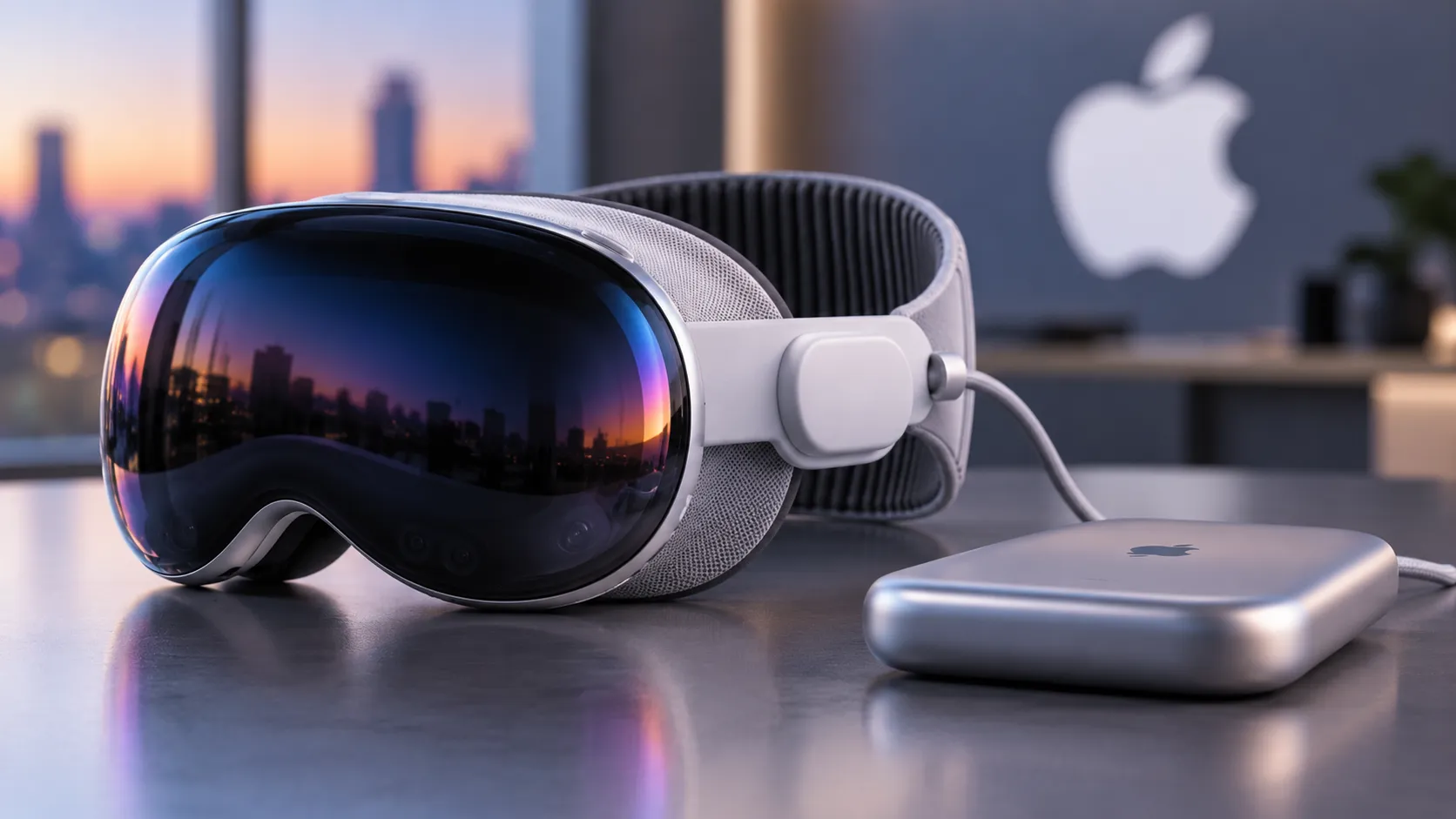
This demand surge occurs as major competitors make strategic pivots that could reshape the entire landscape. Microsoft recently ended HoloLens 2 production to focus on military applications through partnerships with Palmer Luckey's Anduril (MIT Technology Review). Google showcased new Android XR prototype glasses in December, while Apple continues developing its long-rumored glasses project (MIT Technology Review).
Meta's supply constraints could create unexpected openings for these competitors, particularly in international markets where consumers are already primed for advanced smart glasses but can't access Meta's offerings. The question becomes whether Apple or Google can capitalize on this window before Meta resolves its manufacturing challenges. Given the complexity Meta faces with relatively simple display integration, competitors attempting more advanced AR features may face even steeper production hurdles.
What's particularly striking is how the Ray-Ban Display has validated consumer appetite for practical AR applications delivered through familiar form factors. The Meta Ray-Ban Display, featuring enhanced AI capabilities for visual responses and general tasks, along with gesture control via the Meta Neural Band, represents a significant advancement over existing AI glasses in the market, according to reviewers (StockTwits). This success suggests that the market was more ready for smart glasses than anyone anticipated — assuming the technology delivers genuine utility rather than gimmicky features.
Where does Meta go from here?
The international rollout pause represents both a short-term setback and a long-term validation of Meta's AR vision. The company will continue prioritizing U.S. orders while reassessing international availability, though no new timeline has been announced (Engadget). This focus on domestic market satisfaction over rapid global expansion suggests Meta has learned from past product launches where rushed international rollouts compromised user experience and damaged long-term adoption prospects.
The company's confidence in long-term demand sustainability shows through its partnership with Oakley for additional styles, indicating they're not treating this as a one-off success but rather the foundation for a broader product ecosystem (MIT Technology Review). This expansion into multiple eyewear brands suggests Meta sees smart glasses as a category that needs diverse design options to achieve mainstream adoption — much like smartphones evolved from a single form factor to multiple sizes and styles. The Oakley partnership particularly signals Meta's intent to capture different lifestyle segments, from fashion-conscious consumers drawn to Ray-Ban's classic appeal to active users who prefer Oakley's sports-oriented designs.
Meta's ability to resolve these supply challenges will likely determine whether smart glasses achieve mainstream adoption or remain a niche product category. The manufacturing complexities and retail requirements suggest that scaling to iPhone-level volumes will require fundamental innovations in production and distribution. Given the current constraints with relatively basic display technology, future products like the Artemis Orion glasses will need revolutionary manufacturing breakthroughs to reach mass market accessibility.
For now, Meta appears willing to prioritize quality and customer satisfaction over rapid expansion — a strategic choice that could define the entire smart glasses market's trajectory. The company's measured approach, while frustrating for international customers, might actually strengthen the product's long-term prospects by ensuring each market launch meets the high expectations these glasses have created. After all, it's better to have customers waiting for a transformative product than rushing to market with something that disappoints. The current pause may prove to be exactly the kind of strategic patience that turns promising technology into truly mainstream adoption.





Comments
Be the first, drop a comment!