


Meta Glasses Accessibility Paywall Gives Apple a Clear Opening
Meta spent the past year building a credible case that smart glasses are serious tools for disabled users. Then it announced that one of its most assistive features will soon be capped at three hours of free use per month. That combination, a feature set with real accessibility value followed by subscription-metered access, creates a specific opening for Apple to define its eventual glasses product around a completely different philosophy.
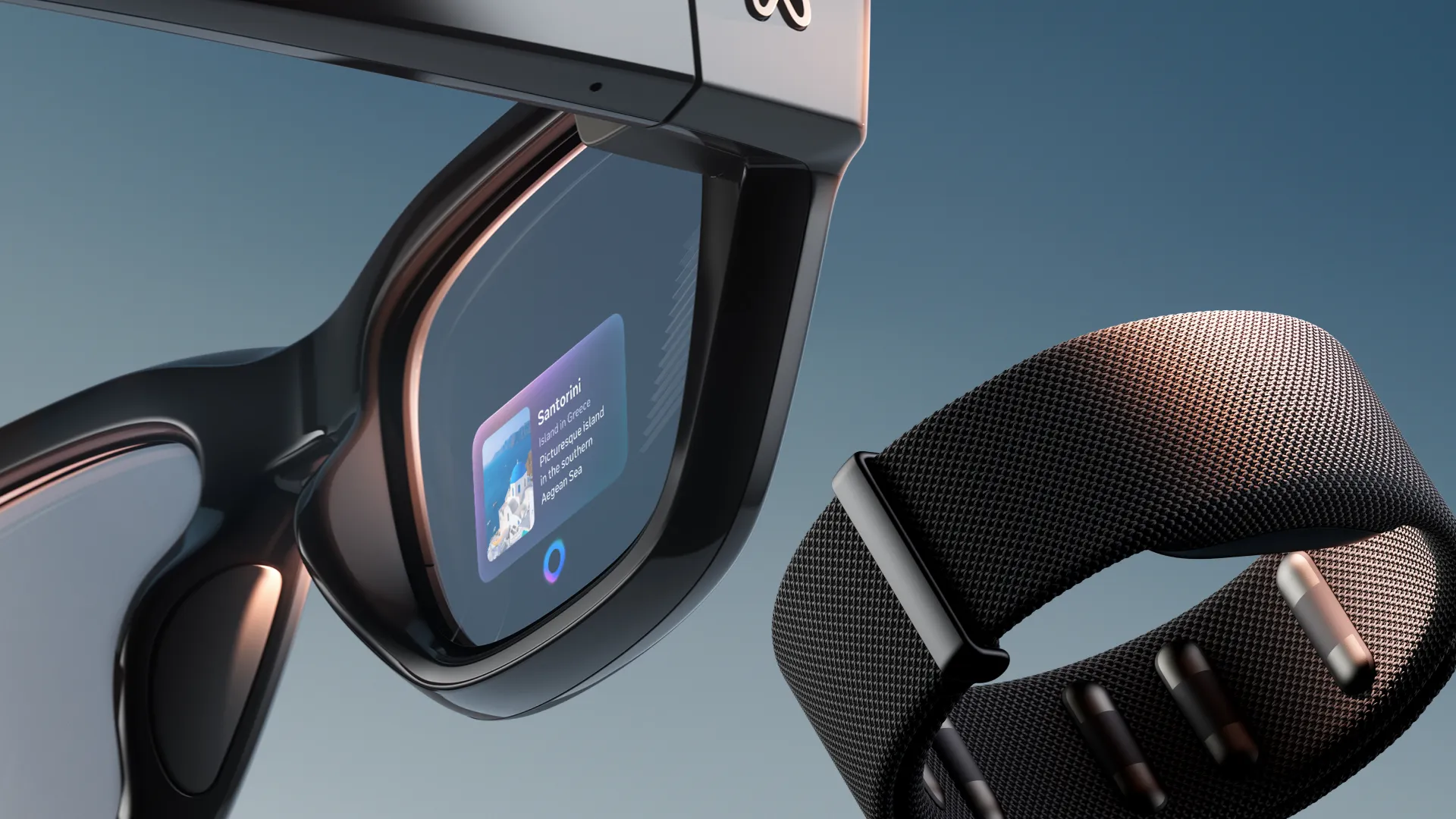
The feature at issue is Conversation Focus, which uses open-ear speakers, beamforming technology, and real-time spatial processing to amplify the voice of the person you're talking to. For many users, it functions more like an assistive hearing feature than a typical AI query. The Verge reported this week that Meta will soon limit it to three hours per month for free users, with additional access requiring a $19.99/month Meta One Premium subscription. Even subscribers are capped at 15 hours monthly. This is not a free tier that unlocks with payment. The feature stays rationed after you subscribe.
Meta frames this in a help article as a "rate limit on AI features," not a paywall. That framing deserves a closer look.
What Meta's smart glasses actually do for disabled users
Before getting to what Meta is now restricting, it's worth being precise about what these glasses have meant to disabled users. The accessibility case isn't hypothetical, which is exactly what makes the pricing decision consequential.
Hands-on testing of the Meta Ray-Ban Display's live captioning found it near-instantaneous and largely unaffected by background noise, because directional microphones caption only the person you're directly looking at, per The Verge last September. That's a functional advantage in noisy settings compared to phone-based captioning apps.
The glasses also change how some users move through the world physically. Jon White, a triple amputee and Paralympic trainee who lost both legs serving as a British Royal Marine, described the safety dimension plainly: anything that keeps him from looking down at his phone means his head stays up and he stays aware of his surroundings while navigating on prosthetics. With one arm, he said, the ability to send messages without picking up a phone in his remaining hand is important, per the same Verge report.
Price has been part of the story too. The glasses cost roughly $300 to $400, compared to specialized assistive devices like OrCam readers priced between $1,990 and $4,250, with limited insurance coverage. That gap made a genuine democratization argument possible. Meta also opened its glasses platform to third-party developers: HumanWare plans to use the SDK to help blind and low-vision users navigate their environments, and Microsoft is building a Seeing AI integration for the platform, The Verge reported last September.
Meta had begun making a credible case to disabled users and accessibility advocates. That credibility is now the thing at risk.
Why the Meta AI glasses rate limits matter more than a standard subscription
Meta's defense is that this is ordinary AI cost management. That argument deserves a fair hearing before explaining where it falls apart.
Running AI inference at scale costs money. Usage metering isn't inherently unreasonable. If Meta had capped real-time photo translation or landmark identification at three hours a month, the argument would be about AI economics, not accessibility ethics.
The problem is what Conversation Focus actually does: it amplifies the voice of whoever you're looking at. For someone who is hard of hearing, that's closer to a hearing function than an AI novelty. Calling it a rate limit softens what users will actually experience: a hard monthly ceiling on a feature they may depend on to follow conversations.
Consider a straightforward scenario. A professional with moderate hearing loss uses the feature through work meetings, a lunch, and a commute. Three hours disappears inside a normal week. The choice that follows is either pay a recurring monthly fee or stop using a function the glasses were purchased to provide. That's not an edge case. It's the daily reality for the users who had the most reason to buy these glasses in the first place.
The 15-hour ceiling for paid subscribers sharpens the issue rather than softening it. Someone relying on Conversation Focus through a conversation-heavy workday, say five to six hours of active use as an illustrative scenario, would reach the paid cap in under three weeks, The Verge reported this week. This isn't a model where paying removes the limit. It's a model where paying raises it, modestly.
There's a real counterargument here. Meta is a company, not a nonprofit, and sustainably funding AI infrastructure matters. But there's a meaningful difference between monetizing AI features generally and putting a monthly meter on the one that most directly substitutes for an assistive device. Meta chose this feature first. That choice signals something, and it signals it loudly to exactly the users who already had the most reason to care.
The trust problem runs deeper than pricing. Accessibility users tend to be early, committed adopters of utility features, precisely because those features are woven into how they manage daily life. When a feature crosses that threshold, from convenient to necessary, subscription friction stops being an inconvenience and starts being a barrier. Once a company establishes that assistive-adjacent functions can become metered, users have reason to hesitate before building their routines around the next one.
How Apple's track record makes the contrast plausible
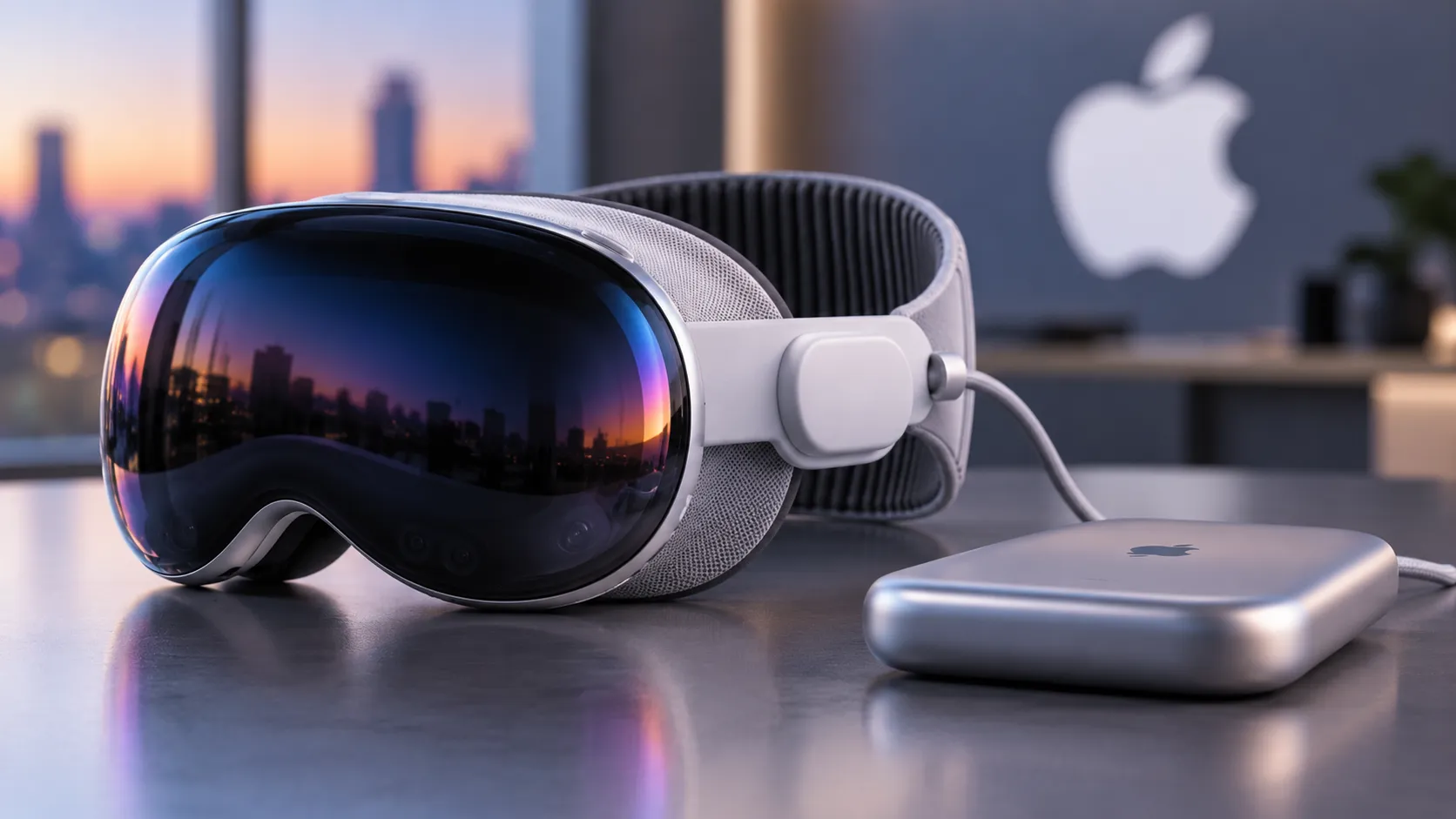
Apple Glasses are unconfirmed. No product announcement, no feature list, no release date. Any claim about what they'll do is inference, and this piece won't pretend otherwise. But inferences can be well-grounded, and Apple's documented approach to accessibility gives this one firmer footing than most.
In May 2024, Apple announced Eye Tracking for iPhone and iPad as a built-in feature requiring no additional hardware or subscription. It uses on-device machine learning, with setup data kept locally and never shared with Apple. No monthly ceiling. No premium tier. The same announcement added systemwide Live Captions to visionOS, Apple's spatial computing platform, along with expanded hearing device support, new VoiceOver voices, and features covering motor, speech, and vision disabilities. All of it framed as platform infrastructure, not subscription benefits.
That's a consistent pattern across Apple's accessibility portfolio: features built into the operating system, processed on device, available without recurring payment. It doesn't guarantee the same approach in a glasses product, but it makes the possibility considerably more plausible than it would be without that record.
The honest version of this argument: Apple is well-positioned to make Meta's paywall look bad, but only if it ships glasses with comparable assistive functions and doesn't replicate Meta's monetization logic in different packaging. The opportunity is real. Whether Apple takes it is a separate question entirely.
What's already settled is the lesson Meta has written for the category. In wearables that touch accessibility, pricing model may matter as much as hardware capability. The company that handles hearing amplification well and doesn't put a monthly meter on it will have a lasting advantage with the users who have the sharpest needs and the longest memories.
The window that's closing
Smart glasses are moving from novelty to utility. That transition is happening now, and trust is being established now. How companies treat accessibility in this window, as infrastructure or as upsell, will shape which products people reach for when the category matures and competition widens.
Meta built something genuinely useful for people with disabilities. Then it designed a subscription model that treats one of its most assistive-adjacent features as a cloud service entitlement. Conversation Focus works like a hearing function and is being priced like a data plan. Paying $19.99 a month doesn't remove the ceiling; it raises it to 15 hours, per The Verge. That's a real consequence for real users, and no amount of "rate limit" language changes the arithmetic.
Apple's record, built-in Eye Tracking, on-device processing, Live Captions shipped into visionOS as a platform feature, establishes a clear precedent for how a company can approach assistive functions in spatial computing, per Apple's own announcement. The precedent doesn't guarantee an outcome. But it does make the competitive inference unusually concrete.
Meta handed Apple a lane. The question is whether Apple runs in it.



Comments
Be the first, drop a comment!