



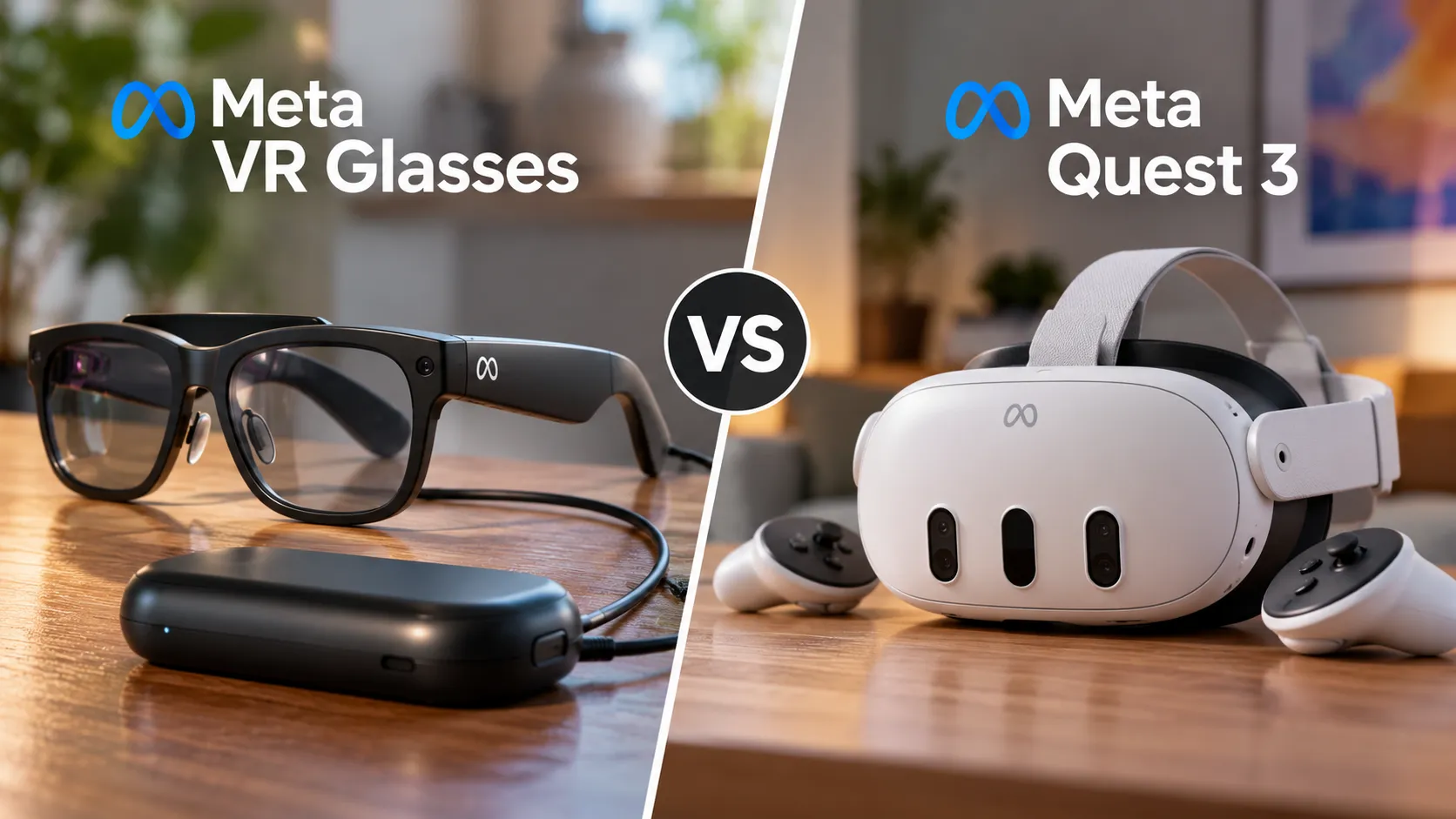
Meta and EssilorLuxottica launched Meta Glasses on June 23, 2026, adding 26 prescription-compatible styles that start at $299. The new line brings Meta AI, hands-free photo and video capture, open-ear audio, calls, live translation, and more than eight hours of battery life to glasses designed for everyday wear.
The launch gives Meta a cheaper entry point below Ray-Ban Meta, which starts at $379, and a wider retail path through Meta.com, Best Buy, Amazon, LensCrafters, Sunglass Hut, and other sellers. It also makes Meta's smart-glasses push less dependent on one brand identity, even though EssilorLuxottica remains central to the hardware and retail strategy.
Why the $299 launch matters
Meta is selling the glasses through both electronics and optical retailers. That mix matters because smart glasses have to work as gadgets and as frames people are willing to wear daily. A buyer who would not walk into an electronics store for camera glasses might still consider them while shopping for prescription frames.
The new line appears aimed at people who have not entered the category yet: mainstream prescription wearers who were priced out of $379 glasses or put off by a specific brand aesthetic. Meta has not disclosed buyer-targeting data, so that remains an inference.
Meta now has a wider glasses lineup, from $299 Meta Glasses to higher-priced Ray-Ban, Oakley, and display-equipped models. The lower entry price could bring more people into the category, but Meta has not disclosed demand or sales figures for the new line.
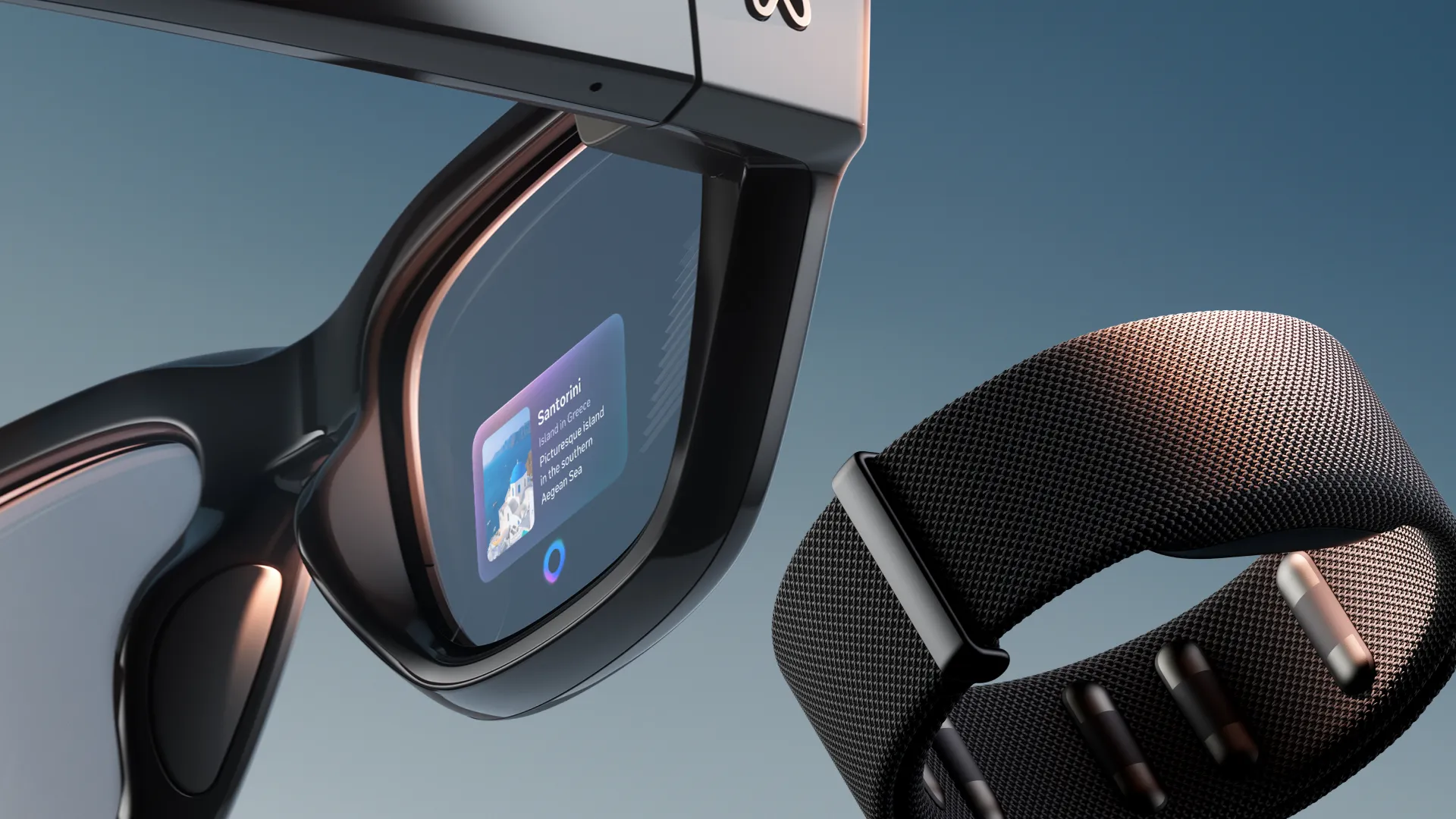
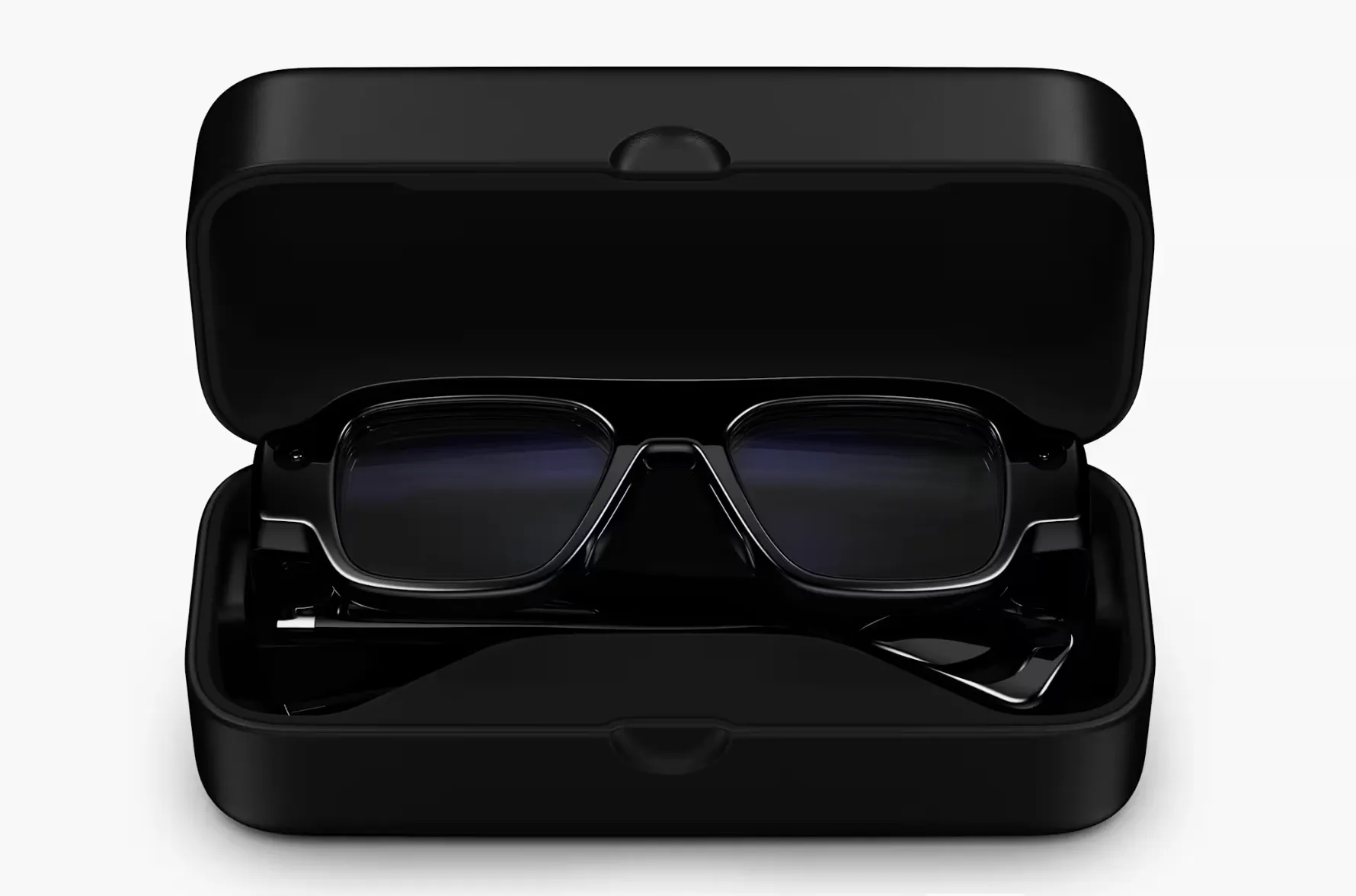
The hardware pitch is straightforward: put a camera, speakers, microphones, and AI access into something users may already wear all day. The glasses support hands-free capture and sharing, open-ear audio for calls and media, voice controls, and a charging case that adds up to 40 additional hours of battery life.
How Meta is trying to win smart glasses
Meta is launching into a fast-growing market. IDC reported on June 15, 2026, that displayless smart glasses grew 167% year over year in Q1 2026 to about 2.25 million units, nearly matching the category's full-year 2024 volume.
The same report estimated Meta's Q1 2026 share of displayless smart glasses at 69.2%. Its advantages include EssilorLuxottica's retail network, years of Ray-Ban Meta usage data, and the ability to connect glasses features to apps people already use.
IDC forecasts displayless smart-glasses shipments will reach 13.6 million units in 2026 and 27.3 million by 2030. The firm also expects revenue across all vendors to reach $5.1 billion in 2026.
Meta Glasses are the first Meta AI glasses to launch with Muse Spark-powered Meta AI from day one. The rebuilt assistant is designed to give smarter answers, understand what the wearer is seeing, help with daily tasks, and receive new features through software updates.
Meta is adding dynamic photo, which captures multiple frames and recommends the best shot, and pedestrian navigation is coming soon for displayless glasses. Live translation is expanding to 14 more languages, including Japanese, Mandarin, Hindi, and Korean.
Privacy remains part of the product conversation. Camera-equipped glasses make photo and video capture easier, but they also raise questions about bystanders, consent, and where captured media goes. Meta says the glasses include privacy settings and built-in safeguards, but users will still need to be thoughtful about when and where they record.
The business case is still unproven
Meta has not disclosed unit economics, gross margins, or glasses-specific sales for the new line. The launch shows a broader strategy, not a proven financial payoff. A $299 starting price could help adoption, but lower pricing also raises a margin question if cheaper models pull buyers away from Ray-Ban Meta instead of adding new customers.
IDC estimates the 2026 average selling price for displayless smart glasses at about $376 and projects it will fall to about $229 by 2030. That trend could make the category more accessible while putting pressure on hardware profits.
Competition is also widening. Samsung and Google showed intelligent eyewear at Google I/O 2026 designed to work with a mobile phone, Gemini, and the Galaxy ecosystem for navigation, translations, notifications, calendar tasks, and hands-free photo capture.
That challenge is not just about specs. Google and Samsung can build from Android, Gemini, Galaxy devices, and services people already use. Meta has a strong early position in eyewear distribution and social apps, but it does not control the mobile operating system that most paired phones run on.
Meta is also expanding beyond its earlier Western focus. Ray-Ban Meta and Oakley Meta launched in Japan on May 21, 2026, and the June 23 Meta Glasses launch added more language support for live translation. The broader rollout gives Meta more room to test whether AI glasses can work across travel, daily communication, and prescription eyewear use cases.
The next test is everyday use
The next test is whether people wear Meta Glasses every day. Watch for signs of strong retail demand, prescription-lens adoption, software updates that make Meta AI more useful, and whether Meta eventually shares glasses-specific sales or usage metrics.
For everyday users, the appeal is easier to understand than the market forecast. Meta Glasses can capture photos and video without pulling out a phone, play music and calls without earbuds, translate conversations, and call up an AI assistant from a pair of frames.
For cautious buyers, the unanswered questions are just as practical: how well Meta AI works outside demos, how often the camera is useful, whether battery life holds up in daily use, how comfortable the frames are after several hours, and whether the privacy tradeoffs feel acceptable.
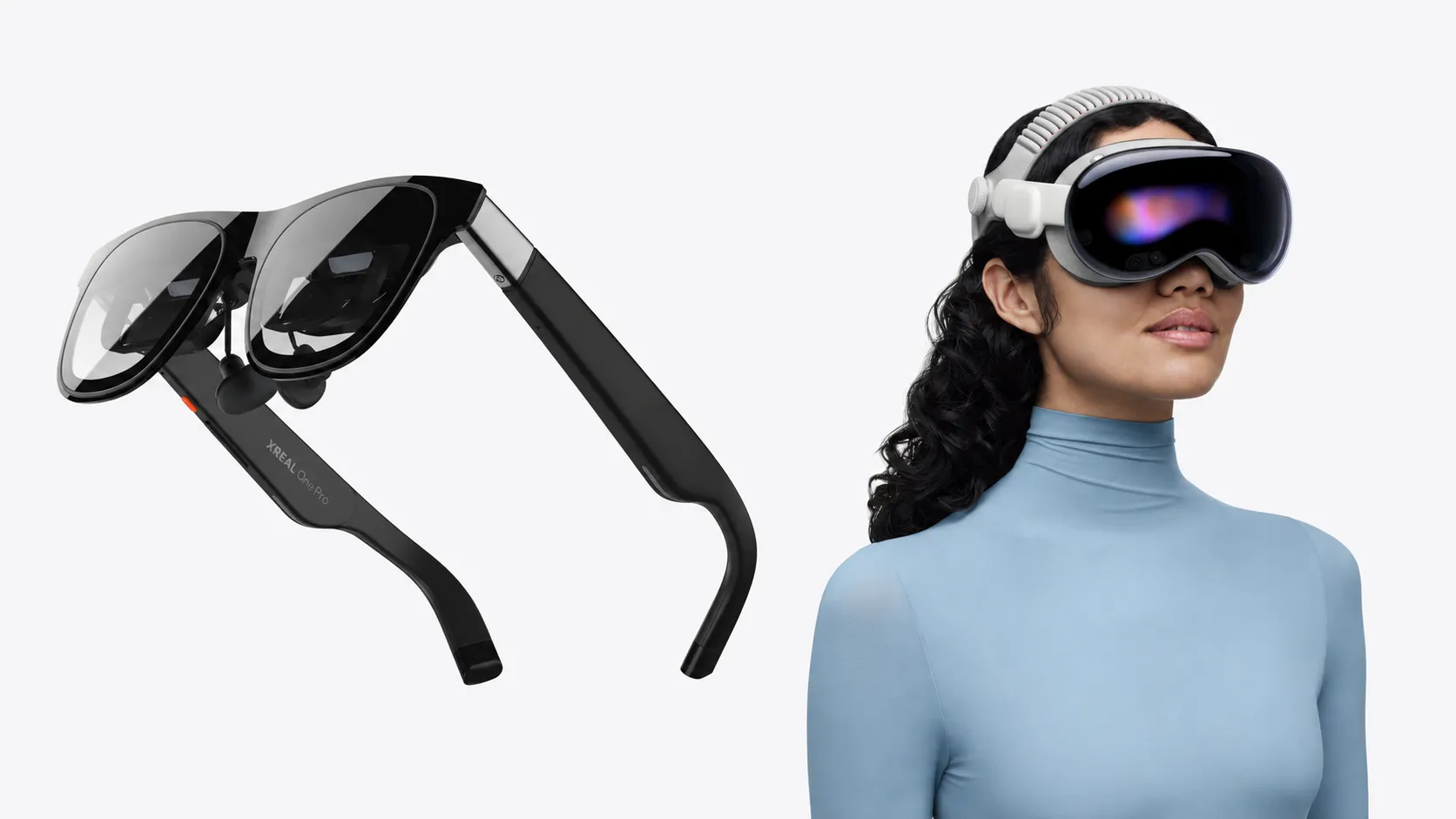
Meta has the early lead in displayless smart glasses, but the category is moving quickly. Samsung and Google are preparing phone-connected AI eyewear, while RayNeo, Xiaomi, Viture, XREAL, and other vendors are competing across displayless and display-equipped glasses.
For now, Meta Glasses are a lower-cost entry point into AI eyewear, not proof that smart glasses have become an everyday device category. The $299 price, prescription support, retail reach, and AI features make the product easier to try. Whether people keep wearing them after the novelty wears off is the real test.



Comments
Be the first, drop a comment!