


Meta Lab Best Buy Explained: Stores, Products, and Strategy
Meta and Best Buy announced eleven days ago that more than 50 dedicated demo spaces called "Meta Lab" are opening inside Best Buy locations across the US and Canada by the end of 2026. Each space is roughly 900 square feet, staffed by Meta's own sales specialists, and built around a single premise: that shoppers need to put face-worn hardware on their faces before they'll buy it. More than half of Best Buy's customers say exactly that about Meta's AI glasses, according to both companies at announcement.
The format is already live. The first Meta Lab sections opened this month in San Bernardino, CA and San Carlos, CA, with Roseville, MN; Woodland Park, NJ; Greenville, SC; and Columbus, OH following later this summer, per UploadVR. The full 50-plus-location rollout is targeted for the end of 2026, Meta confirmed.
What follows covers what these spaces actually contain, why physical retail solves a problem that a shelf display can't, and what the layout of each Meta Lab suggests about where Meta is placing its bets on consumer hardware. Where a detail is confirmed by Meta's announcement, it's cited as such. Where it's an inference from the store design, it's labeled that way.
What Meta Lab in Best Buy stores actually looks like
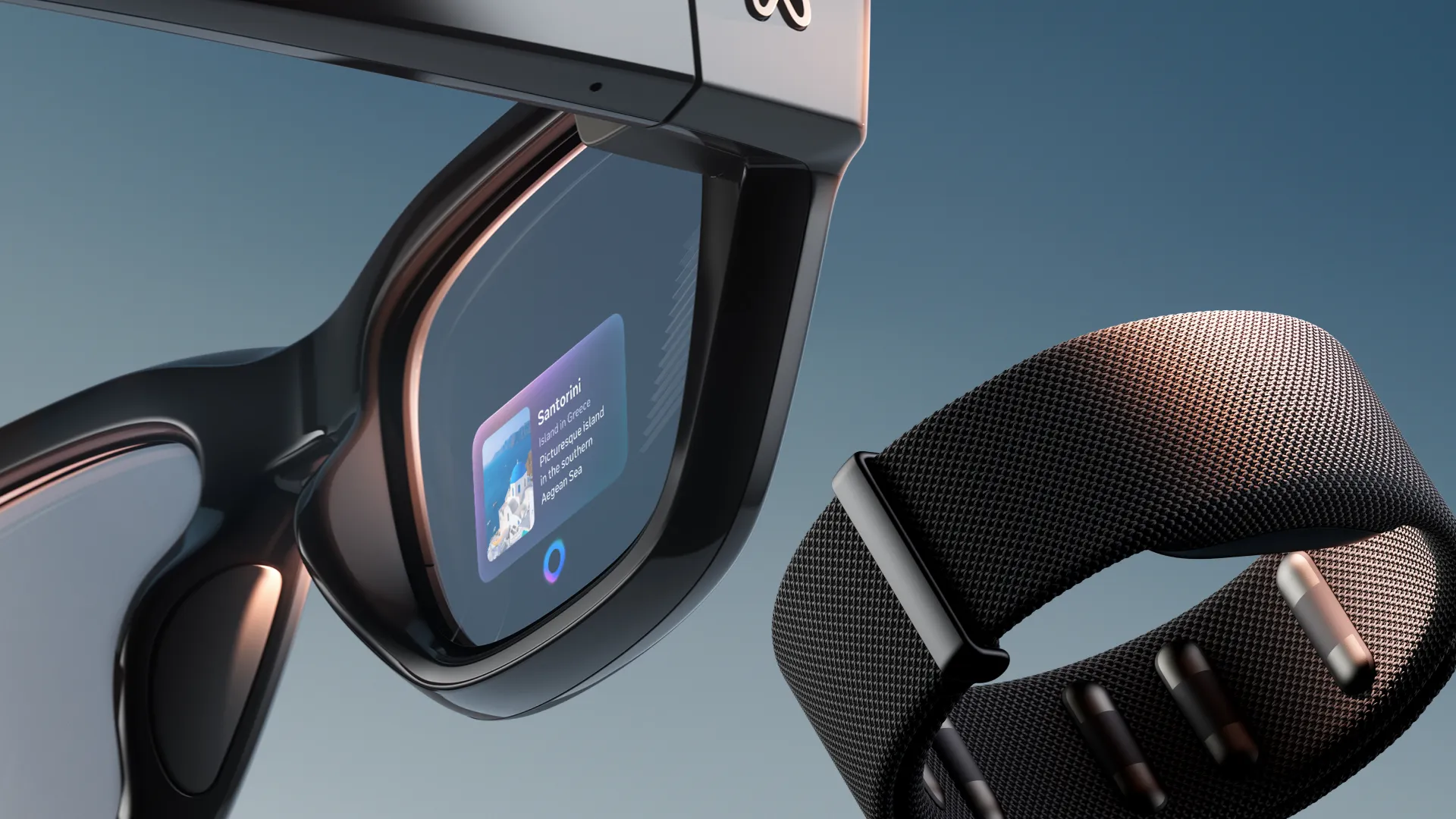
The core problem the format addresses is concrete. Frames fit differently on different faces. Photochromic lenses shift tint depending on light conditions. The Meta Neural Band, which lets wearers control Meta Ray-Ban Display glasses with subtle hand gestures without reaching for a phone, is a feature that has to be felt rather than read about, according to Meta's own product description. None of that survives a box on a shelf or a product page.
The same challenge applies to VR headsets, but it's sharper for glasses. Eyewear carries variables that electronics don't: frame shape, lens type, fit across different face geometries, and style preferences that vary from person to person. Those are the same factors that push most shoppers toward an optical retailer rather than buying glasses online.
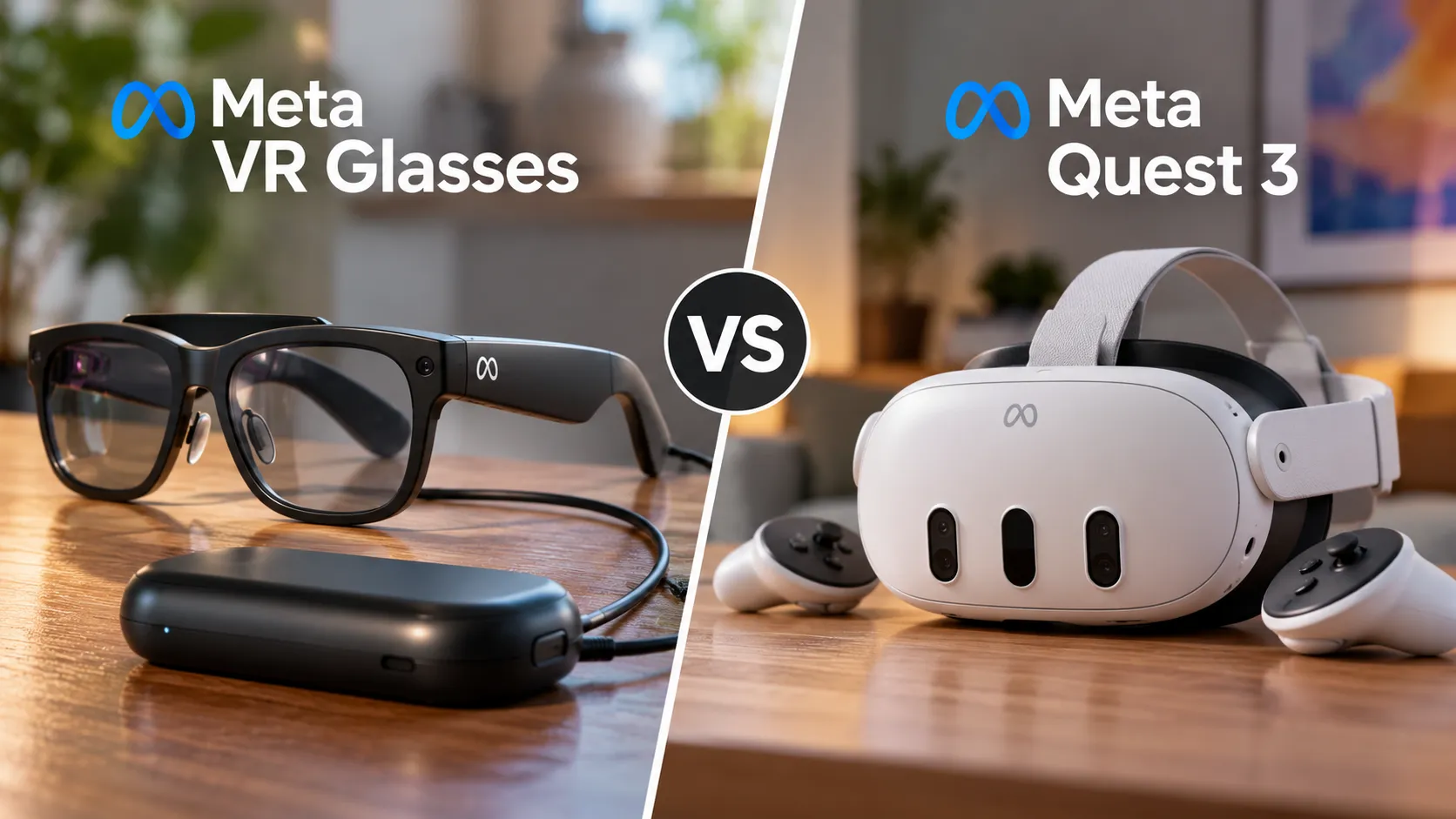
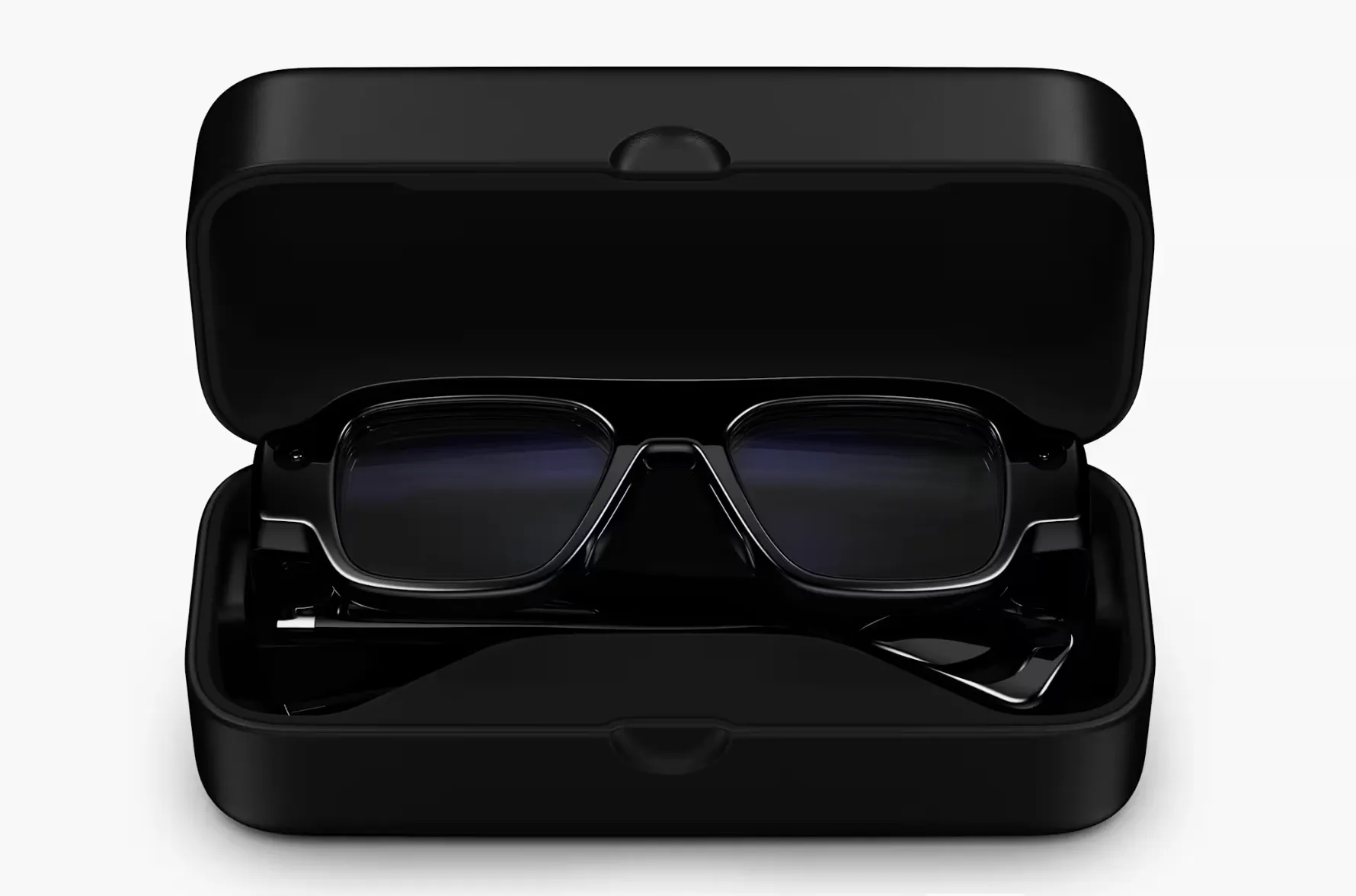
Meta Lab is designed around those variables. Each 900-square-foot space includes a dedicated style wall featuring Ray-Ban Meta, Oakley Meta, and Meta Ray-Ban Display frames, fit-and-feel stations, smart mirrors, and UV-light displays that show how lenses shift tint in different lighting conditions, per VR.org and Meta's announcement. Two distinct product families appear here under the Meta smart glasses umbrella: Ray-Ban Meta (the existing audio glasses line) and Meta Ray-Ban Display (Meta's first AI glasses with a built-in display, launched in late 2025). They are different products, not interchangeable names.
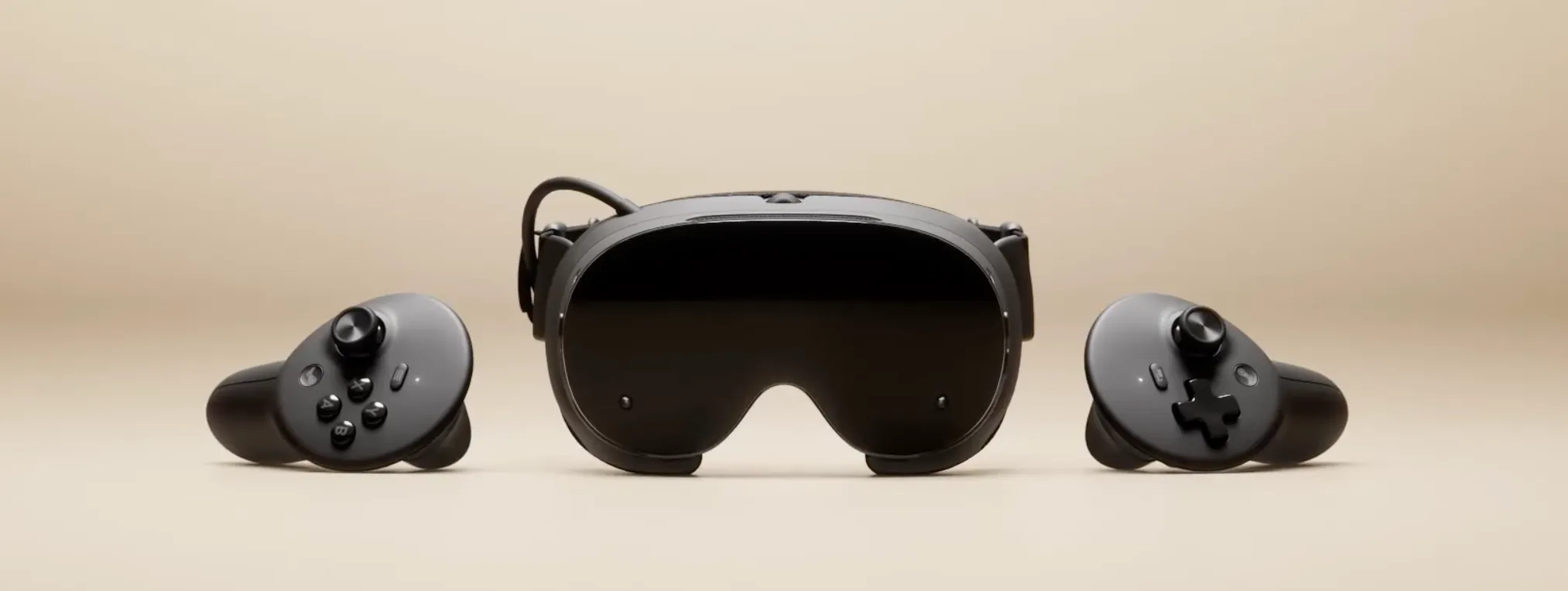
Every location is staffed by dedicated Meta Sales Specialists, experienced in personalized fittings and guided demos for both glasses and Quest headsets, according to Meta. The guided Quest experience, which covers gaming in theater mode, fitness workouts, and entertainment, is explicitly framed as a hands-on immersive demo rather than a passive display, per UploadVR.
Why Best Buy, and what the distribution logic reveals
Meta's own retail footprint has been limited. Before this rollout, the company's physical presence amounted to a single showroom near its campus, a standalone Los Angeles store opened late last year, and temporary pop-ups in New York and Las Vegas, according to UploadVR and VR.org. None of that added up to meaningful national reach.
Best Buy solves the scale problem without requiring Meta to build it from scratch. It already has the locations, the foot traffic, and the consumer electronics shopper walking through the door. Embedding inside 50-plus existing stores gives Meta national physical presence without signing 50 commercial leases, as VR.org noted.
The Meta Lab brand has been in test since late 2025, when temporary pop-ups timed to the Ray-Ban Display launch gave Meta a short-term retail boost. Some of those pop-ups have since converted to permanent locations, per Road to VR. That conversion suggests the format produced enough signal to justify a wider build-out, though Meta has not published data from those early locations to confirm it.
What Meta has not disclosed: who bears the build-out and staffing costs for each location, whether Best Buy receives a revenue share, and how the initial cities were selected. Those details would clarify whether this is primarily a marketing investment Meta is absorbing or a commercial arrangement with shared incentives. The distinction matters for evaluating how long the program runs if early results are slow.
What the floor plan says about Meta's hardware priorities
The layout of Meta Lab makes a quiet argument about which product is leading. The glasses get the dedicated wall, the fit stations, the smart mirrors, and the UV lens demo. Quest headsets are present and available for a guided immersive demo, but the headset is not what anchors the space, as VR.org observed. That's a shift worth noting: VR has been Meta's consumer hardware story for most of the last decade, and here it shares a 900-square-foot room with eyewear and doesn't get the featured wall.
Meta frames both product categories together, describing the partnership as "reimagining how consumers shop the next generation of personal technology," per the Rutland Herald. The practical retail benefit of that framing is straightforward: a customer who comes in for the glasses and walks out having tried a Quest headset has been pulled deeper into Meta's ecosystem in a single visit.
The scale of the rollout supports a specific reading of Meta's timing. Jumping directly to 50-plus stores rather than a cautious multi-city pilot signals that Meta views the back half of 2026 as a meaningful window for AI glasses adoption, a point VR.org made directly. That's an inference from the evidence, not a confirmed Meta statement, but the ambition of the build-out is hard to explain otherwise.
The "more than half of Best Buy customers" figure cited at launch isn't just a marketing data point. It's the reason the format exists. If the glasses were already an easy sell, a standard kiosk would be enough. They're not, and a box on a shelf doesn't answer the question of whether the frames fit your face.
Whether any of this works
The core test Meta Lab is running is whether physical access, the chance to put the device on and understand what it does in person, is the primary barrier between awareness and purchase for face-worn hardware. More than 50 locations across the US and Canada by the end of 2026, built on Best Buy's existing infrastructure, is the most credible attempt Meta has made to answer that question, per Meta's announcement.
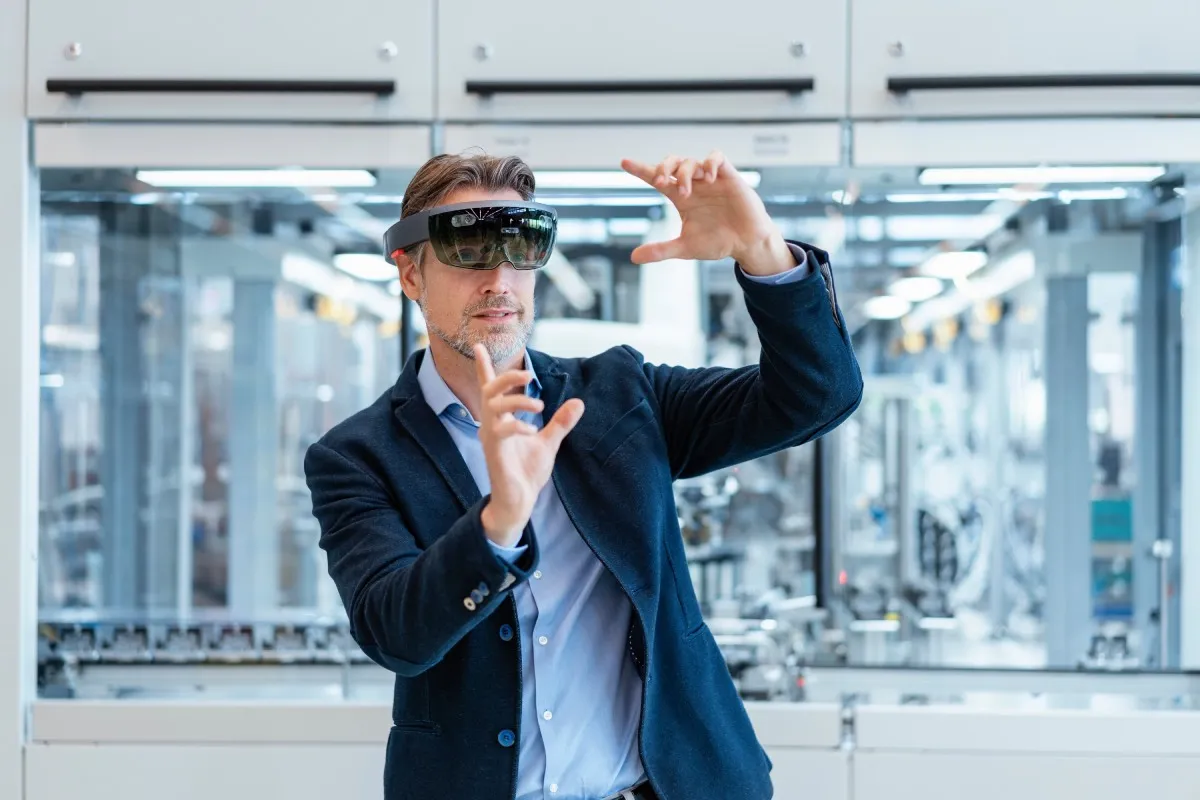
Meta has not published conversion data from the earlier Meta Lab pop-ups, so there's no direct evidence yet that the format drives sales. The broader research supports the underlying logic: a 2023 Frontiers in Virtual Reality study using Microsoft HoloLens with 50 participants found that shoppers wearing smart glasses showed higher product interaction rates, and that the perceived hedonic and utilitarian value of the shopping experience was higher in the mixed-reality group, which also correlated with more favorable purchase intentions. Whether that translates to a Best Buy section selling Ray-Ban Display glasses is a different question, and one the study doesn't answer.
What to watch: if Meta Lab is working, the early signals will be Meta expanding floor space for glasses within existing locations, accelerating the rollout past 50, or citing in-person try-on conversion in hardware discussions. If the sections start shrinking or reverting to standard kiosks, the try-before-you-buy problem for face-worn hardware will remain unsolved, and the next attempt will need a different approach.


Comments
Be the first, drop a comment!