


Meta Quest Price Increase Fears Miss a Bigger Battery Problem
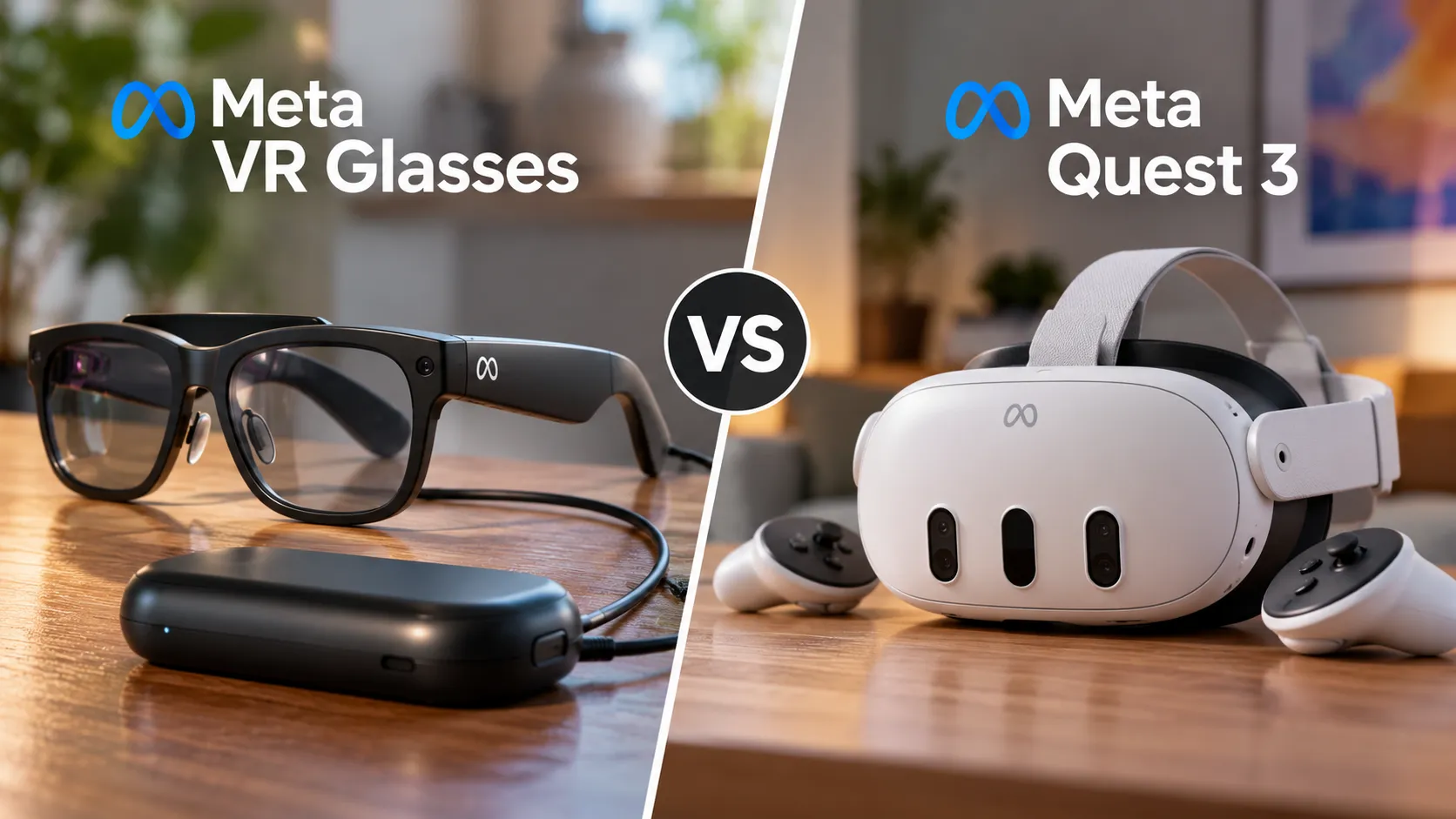
A RAM shortage is being blamed for Meta Quest headset prices increasing. That claim has no sourcing. What does have sourcing: a $499 headset with a battery that's extremely difficult to replace, no official repair path, and a chemistry that can wear out in two years.
Is there a Meta Quest 3 price increase, or just a rumor?
Reports of Quest pricing increases emerged in April 2026, though broader supply-chain attribution remains thinly sourced. No retailer pricing changes have been documented, no Meta earnings commentary has addressed component costs, and no supply-chain reporting has connected DRAM market conditions to Quest retail prices. The RAM-shortage explanation remains lightly sourced and not independently verified by major supply-chain reporting.
That distinction matters more than it might seem. If a RAM-driven Meta Quest price increase were confirmed, it would affect what you pay at the register. The cost story that is actually documented plays out later, two or three years after purchase, when the battery starts to fail and there is nowhere to turn.
iFixit's teardown of the Quest 3, published earlier this month, awarded the headset a provisional repairability score of 4 out of 10, citing a total absence of repair manuals, OEM spare parts, and any design accommodation for serviceability. That is not a supply-chain story. It is an ownership story, and it applies to anyone who already bought one.
What iFixit's Quest 3 teardown actually found
The most immediate problem iFixit identified inside the Quest 3 was the battery. Replacing the lithium polymer pack is described as an extremely complicated procedure, per iFixit. On its own, that might be tolerable. The problem is that lithium-based rechargeable batteries can show significant degradation within a few years under heavy use, iFixit notes. A device used daily for gaming, fitness, or productivity will push toward that threshold faster than a device pulled out occasionally for a weekend session.
Those two facts together produce an uncomfortable ownership scenario: the battery will degrade, and replacing it is not something most people can do. That is not a catastrophic product failure. It is a quiet one, the kind that accumulates until the headset simply stops being useful.
Three headset generations in, the trajectory hasn't improved. Replacing the Quest 3's battery is as difficult as it was in the Quest 2, and harder than on the Quest Pro, which had its own significant design failures, iFixit found. Meta has had multiple opportunities to address headset battery serviceability. It hasn't taken any of them.
Why the 4/10 score understates the actual problem
Repairability scores capture physical difficulty, but the Quest 3's 4 out of 10 also reflects something more structural. Even an owner willing to attempt a battery swap has no sanctioned parts to source and no documentation to follow. OEM spare parts don't exist. No official repair manual has been published. The procedure that could theoretically save the headset has no supported path in practice.
iFixit's broader observation applies here directly: repair is increasingly being left off designers' priority lists, the teardown found. The Quest 3 fits that pattern. A hobbyist with the right tools and enough patience could probably crack the casing and swap the pack. But without OEM parts, they'd be sourcing an unverified replacement from a third-party supplier, following instructions assembled from community teardown notes, and voiding whatever warranty coverage remains. The gap between "theoretically possible" and "practically accessible" is where most owners will get stuck.
For a $499 device, that gap has financial weight. Out-of-warranty battery service through an unofficial repair shop, if one is willing to attempt it, carries its own cost and risk. Replacement with a newer headset generation costs more. Neither outcome was part of the purchase consideration when the box was opened.
Meta Quest price hike fears aside, the controller battery tells a different story
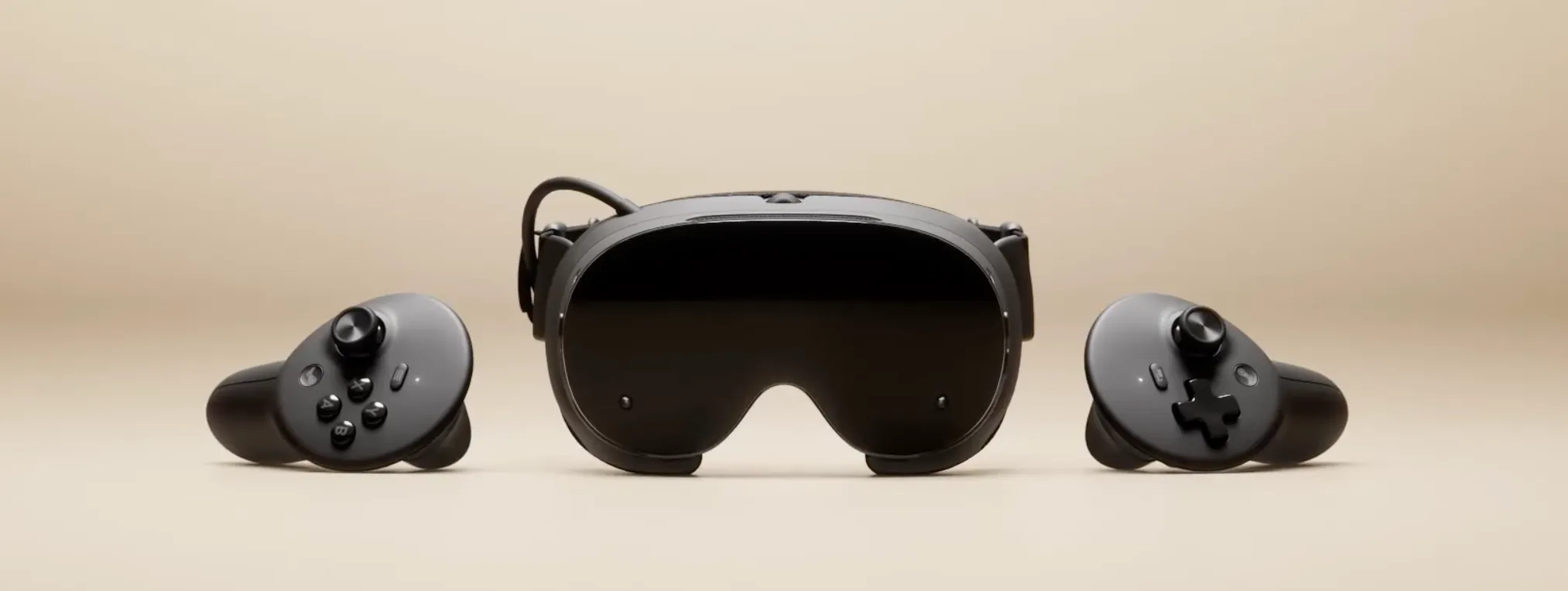
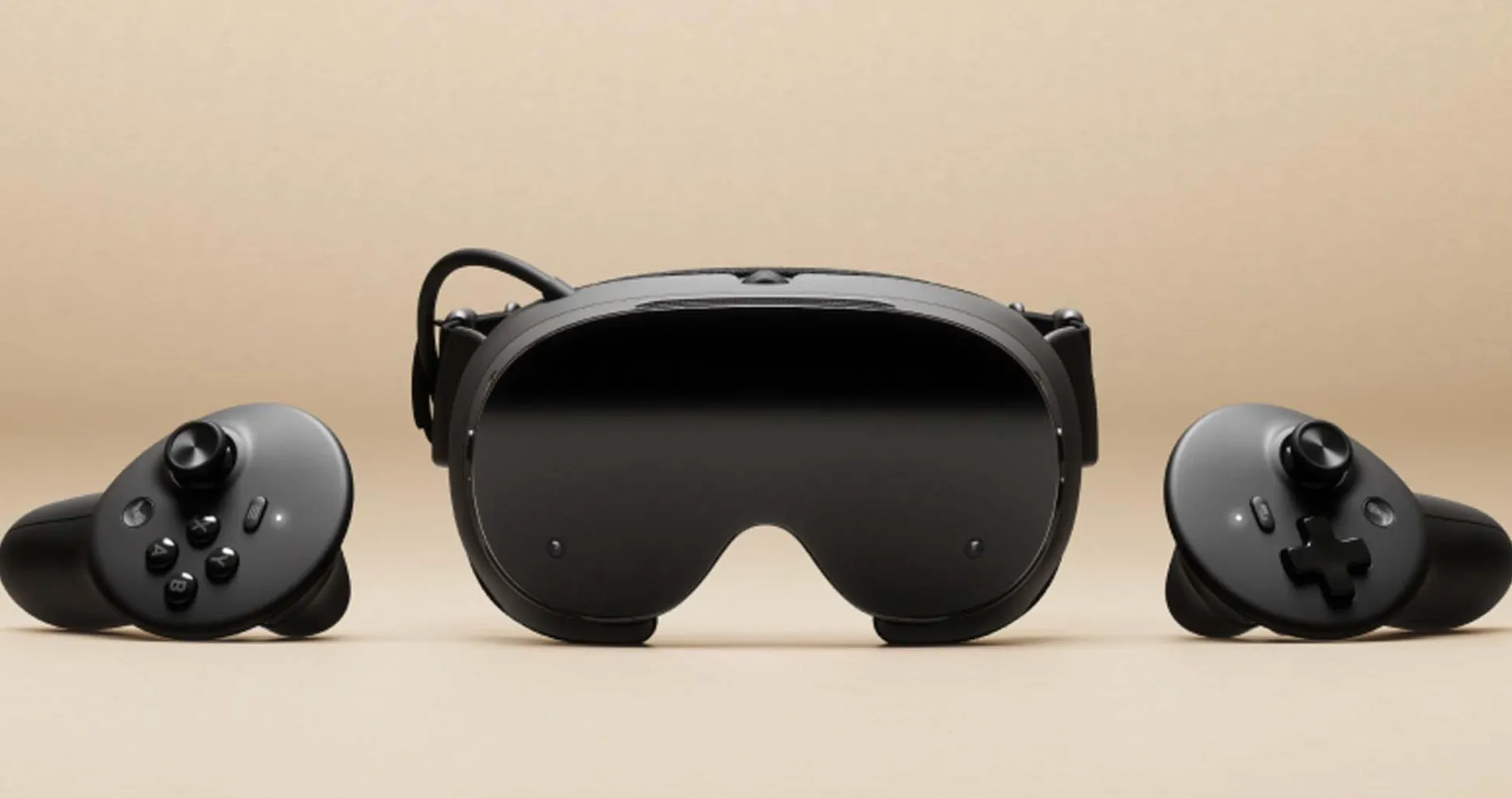
Here is where the teardown gets genuinely instructive. For the Quest 3's controllers, Meta reversed a previous design decision and returned to user-replaceable batteries, iFixit reported. The tradeoff is real: those cells won't last as long as the high-capacity lithium-ion batteries used in the Quest Pro, but if one dies, owners can replace it themselves without risking damage to the controller.
That choice tells you something. A company that cannot recognize a battery serviceability problem does not engineer a fix for it on one part of the product while ignoring it on another. Meta understood that integrated controller batteries created an ownership risk, designed around it, and shipped a more serviceable solution. The headset battery, which sees more daily use and carries a more consequential failure, didn't receive the same consideration.
Framing that as deliberate corporate strategy would go beyond what the evidence supports. But it is a reasonable inference from the engineering record, and it makes "oversight" a harder explanation to accept.
The Quest Pro's history adds context worth keeping. That headset launched in October 2022 in what iFixit characterized as a seemingly rushed release, followed by hardware cuts, software problems, widespread returns, and a price cut of roughly one-third within months, iFixit reported. Long-term serviceability clearly was not a priority that survived that development cycle. The Quest 3's teardown results suggest the underlying calculus hasn't shifted.
None of this is to say the Quest 3 is a bad piece of hardware. Many reviewers consider it among the strongest standalone VR headsets currently available. The repairability findings don't change what it does well. They change how long it can keep doing it.
What Quest 3 buyers should actually factor in
The RAM shortage story is unverified and may stay that way. The teardown findings are documented, published, and already applicable to anyone who owns or is considering buying a Quest 3. A few questions are now answerable with actual evidence:
Is $499 the full cost? For heavy users, probably not. A headset with a two-year battery chemistry and no official replacement path will eventually demand either an unsupported out-of-warranty repair or an early retirement.
What happens when the battery degrades? There is no supported replacement path. The procedure is not beginner-accessible, no OEM parts exist, and the generational trend offers no reason to expect that changes with the next release.
Should repairability factor into the purchase decision? A 4 out of 10, per iFixit, suggests it should, especially for buyers expecting more than two or three years of active use.
If the Meta Quest RAM shortage story ever develops real sourcing, whether from earnings commentary, confirmed retail pricing changes, or supply-chain reporting, it deserves coverage on its own terms. Until then, the teardown data is the more useful frame for anyone making a buying decision. The launch price tells you what you pay on day one. The repairability score tells you what you're actually committed to.






Comments
Be the first, drop a comment!