


Meta's Smart Glasses Get Spotify: The Multimodal AI Revolution Finally Arrives
Smart glasses are finally getting the music streaming upgrade we've all been waiting for. Meta just rolled out its v21 software update that brings Spotify integration to Ray-Ban Meta and Oakley Meta glasses, according to Meta's official announcement. This isn't just another app addition—it represents the first multimodal AI music experience that combines computer vision with personalized streaming, as reported by Engadget. This convergence of visual AI and audio streaming creates entirely new interaction paradigms that could finally make smart glasses indispensable for daily use, which industry analysts view as a strategic play to increase ecosystem stickiness and keep users locked into Meta's wearable platform, according to coverage from WebProNews.
How AI-powered music discovery actually works on smart glasses
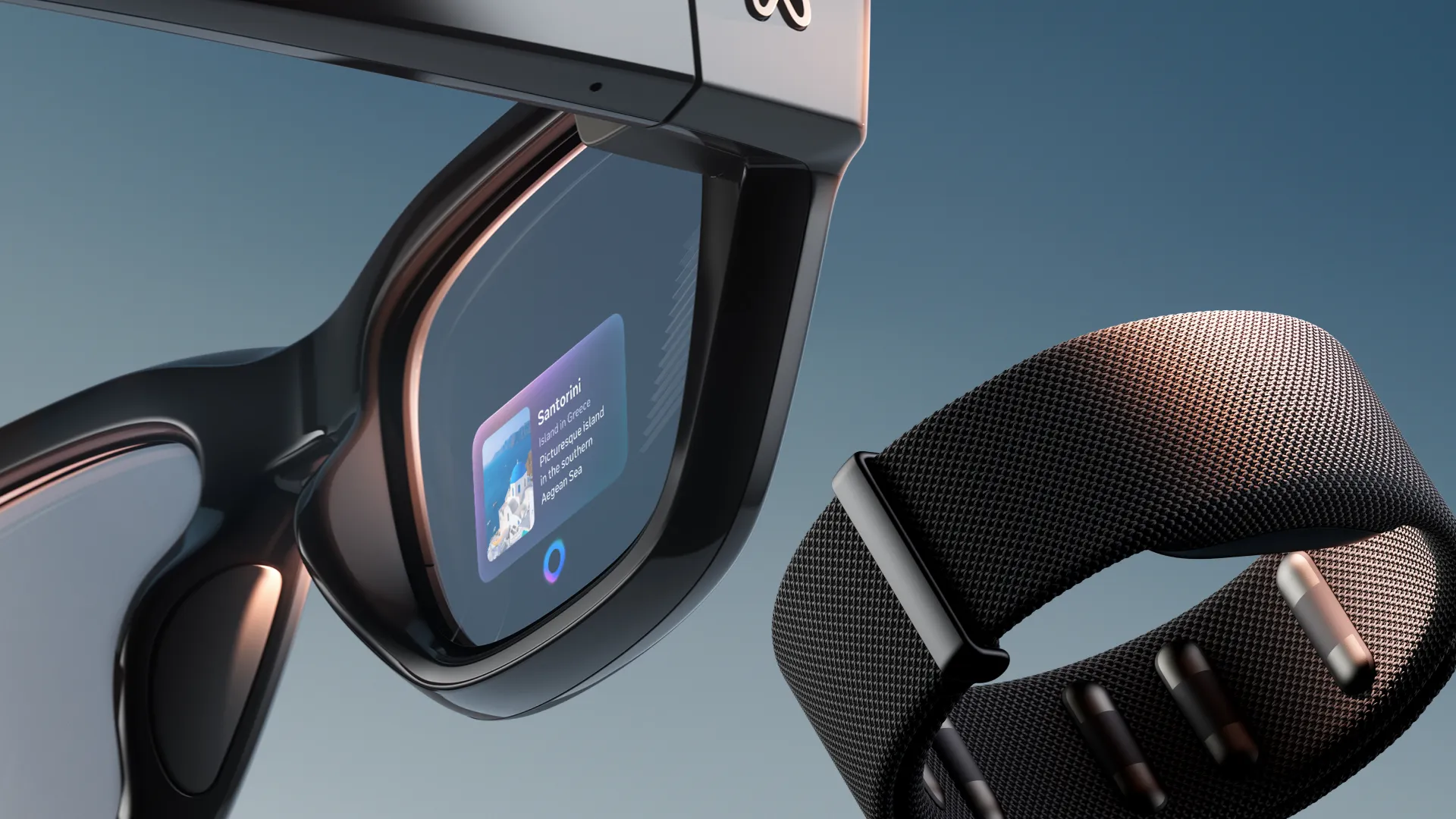
Here's where things get genuinely interesting. The standout feature here is Meta's new "play a song to match this view" functionality that bridges visual recognition with audio streaming. Users can simply say "Hey Meta, play a song to match this view" while looking at anything from album covers to holiday decorations, Meta explains in their update announcement.
The system then generates playlists tailored to both the visual context and individual listening preferences, as detailed by Engadget. Here's what makes this technically impressive: unlike traditional recommendation algorithms that rely purely on listening history or manual genre selection, this system processes real-time visual data and attempts to map emotional or thematic concepts to musical styles.
Consider the technical challenges here. The AI needs to identify not just objects, but interpret mood, atmosphere, and contextual meaning. A sunset might trigger ambient electronic music, while holiday decorations could pull up seasonal playlists—but what happens when you're looking at abstract art or a busy street corner? The technology's ability to interpret more abstract visual concepts into meaningful music recommendations remains to be fully tested, according to the same Engadget report.
PRO TIP: The real test of this technology won't be in controlled scenarios like holiday scenes or album covers, but in everyday environments where visual context becomes genuinely ambiguous.
Beyond novelty: practical music controls that matter
Now, let's talk about the functionality that might actually matter in your daily routine. The integration goes deeper than just AI-powered discovery, offering hands-free control that addresses real user pain points. Users can now switch tracks and adjust volume without reaching for their phones, WebProNews reports.
Think about when you're walking the dog, carrying groceries, or working out—those moments when fumbling for your phone to skip a song becomes genuinely annoying. This is where the hands-free aspect becomes more than just convenience; it's about removing friction from activities where your hands are occupied or dirty. Unlike smartphone voice assistants that require device activation, smart glasses make voice control the primary interface, which fundamentally changes how natural these interactions feel.
This seamless control mechanism represents a significant step toward making smart glasses genuinely useful for daily activities rather than just tech demos. The update positions Spotify as a core component of Meta's wearable ecosystem, moving beyond simple app integration to create a more cohesive user experience that keeps people engaged with their devices throughout the day.
What's particularly smart about this approach is how it addresses the "why wear these?" question that has plagued smart glasses since their inception. By making music control genuinely easier than traditional methods, Meta is building a foundation of practical utility that justifies the hardware.
What this signals for the smart glasses ecosystem
Meta's partnership with Spotify reveals a broader strategy to establish smart glasses as legitimate mainstream devices rather than niche gadgets. The focus on ecosystem integration suggests that Meta understands the importance of creating compelling reasons for users to choose their platform over competitors, industry analysis from WebProNews indicates.
This strategy becomes clearer when you consider the competitive landscape. While Apple's rumored smart glasses remain in development, Meta is building the kind of third-party partnerships that could create significant switching costs for users. By integrating deeply with services like Spotify—rather than pushing users toward Meta's own music offerings—the company is prioritizing user experience over internal platform promotion.
The timing of this rollout, positioned as a year-end capstone update, according to Meta's announcement, suggests the company views music integration as a key milestone in smart glasses evolution. It's a smart move, honestly—music streaming is one of those universal use cases that almost everyone can relate to, making it an ideal way to demonstrate the practical value of wearable computing.
What's particularly telling is how this partnership creates what analysts call "ecosystem stickiness." Users who integrate their music habits with Meta's platform will face increasing friction when considering competitor devices, especially if other features build on this foundation.
The bigger picture: where music streaming meets wearable computing
This Spotify integration represents the early stages of truly ambient computing—technology that responds to environmental context without explicit commands. What we're seeing here goes beyond simple voice control to create interfaces that understand and interpret the world around us.
The implications extend far beyond music. If Meta's AI can successfully map visual scenes to audio content, the same technology could theoretically connect visual context to navigation suggestions, shopping recommendations, or social interactions. Looking at a restaurant might trigger reviews and reservation options; glancing at a book cover could pull up audiobook samples or reading recommendations.
From a technical standpoint, this represents a significant step toward the kind of contextual computing that researchers have been promising for years. Your glasses don't just know what music you like—they can see what you're experiencing and make intelligent connections between visual and audio content that feel genuinely helpful rather than intrusive.
As smart glasses continue evolving from experimental tech into everyday tools, partnerships like this one between Meta and Spotify will likely become the standard rather than the exception. The companies that succeed in this space will be the ones that can create these seamless, multi-service experiences rather than just cramming existing smartphone apps onto smaller screens.
The real test will be whether users find these AI-powered features genuinely useful or simply impressive demos that lose their appeal over time. Music discovery based on visual context is undeniably cool, but sustained adoption will depend on whether the technology consistently delivers relevant, helpful suggestions that enhance rather than interrupt daily activities.
What seems clear is that Meta is betting big on making smart glasses feel less like wearable computers and more like augmented extensions of our natural senses. If they can nail that balance between utility and innovation, this Spotify partnership might be remembered as one of those pivotal moments when wearable computing finally clicked for mainstream users.





Comments
Be the first, drop a comment!