


Early this 2026, Meta committed nearly $2 million in grants to outside developers building on its AI glasses platform. What the company has not announced: an app store, public SDK documentation, or any named third-party games. That gap between the grants and the missing infrastructure tells the real story of where this platform stands.
The AI Glasses Impact Grants program, announced in January 2026, will distribute funds across more than 30 organizations. Five Catalyst Grants of $200,000 each go to organizations proposing new applications built on the Meta Wearables Device Access Toolkit. Twenty-five Accelerator Grants support organizations already deploying Meta's AI glasses in the field, with 15 awards at $25,000 and 10 at $50,000 depending on project scale, Meta announced. Applications closed in March.
The grants are US-only and explicitly scoped to "technology for good" rather than commercial app publishing. That framing matters when assessing what the program signals about Meta's broader developer ambitions.
What Meta has announced and what it hasn't
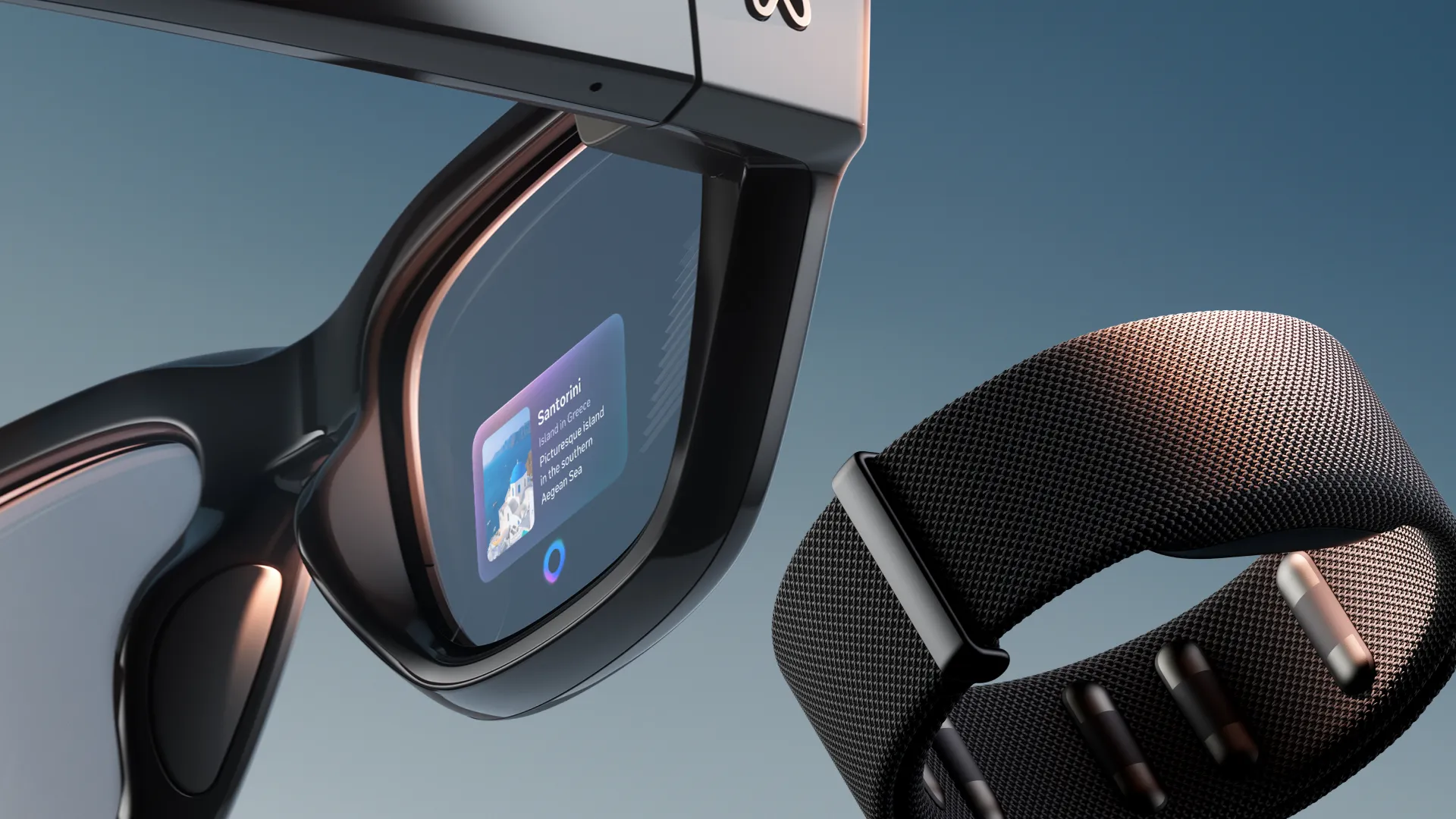
The grants follow Meta's September 2025 launch of the Ray-Ban Display glasses, the first product in its lineup to feature a full-color in-lens display. Priced at $799 and bundled with the Neural Band EMG wristband, the glasses went on sale at Best Buy, LensCrafters, Sunglass Hut, and Ray-Ban Stores. Expansion to Canada, France, Italy, and the UK was planned for early 2026.
The Device Access Toolkit is the technical foundation for third-party development. But Meta has not publicly detailed its scope: which APIs it exposes, whether developers can render content directly to the display, or whether it can support anything resembling game mechanics. That is an absence of public information, not confirmation of a limitation, but it is a meaningful absence. No independent developer accounts, hands-on SDK assessments, or third-party technical analyses of the toolkit appear in the public record.
Software rollouts reinforce the picture of a platform in early, tightly controlled maturity. New features roll out first to users enrolled in the Early Access Program, and some are restricted to English-language markets, Meta noted. More than 80 developers attended Meta's Wearables Community Summit in December 2025, where grant recipients were invited to join the Meta Wearables Community, a network Meta describes as designed to drive innovation with its wearable technology.
Taken together, Meta's public announcements point to a company seeding developer supply before consumer-facing distribution mechanisms exist — not opening a platform in any conventional sense.
Why the hardware matters for third-party apps on Meta display glasses
Two decisions in the Ray-Ban Display's hardware design are what make broader third-party software development possible at all: the addition of a visual display and the inclusion of a new input method.
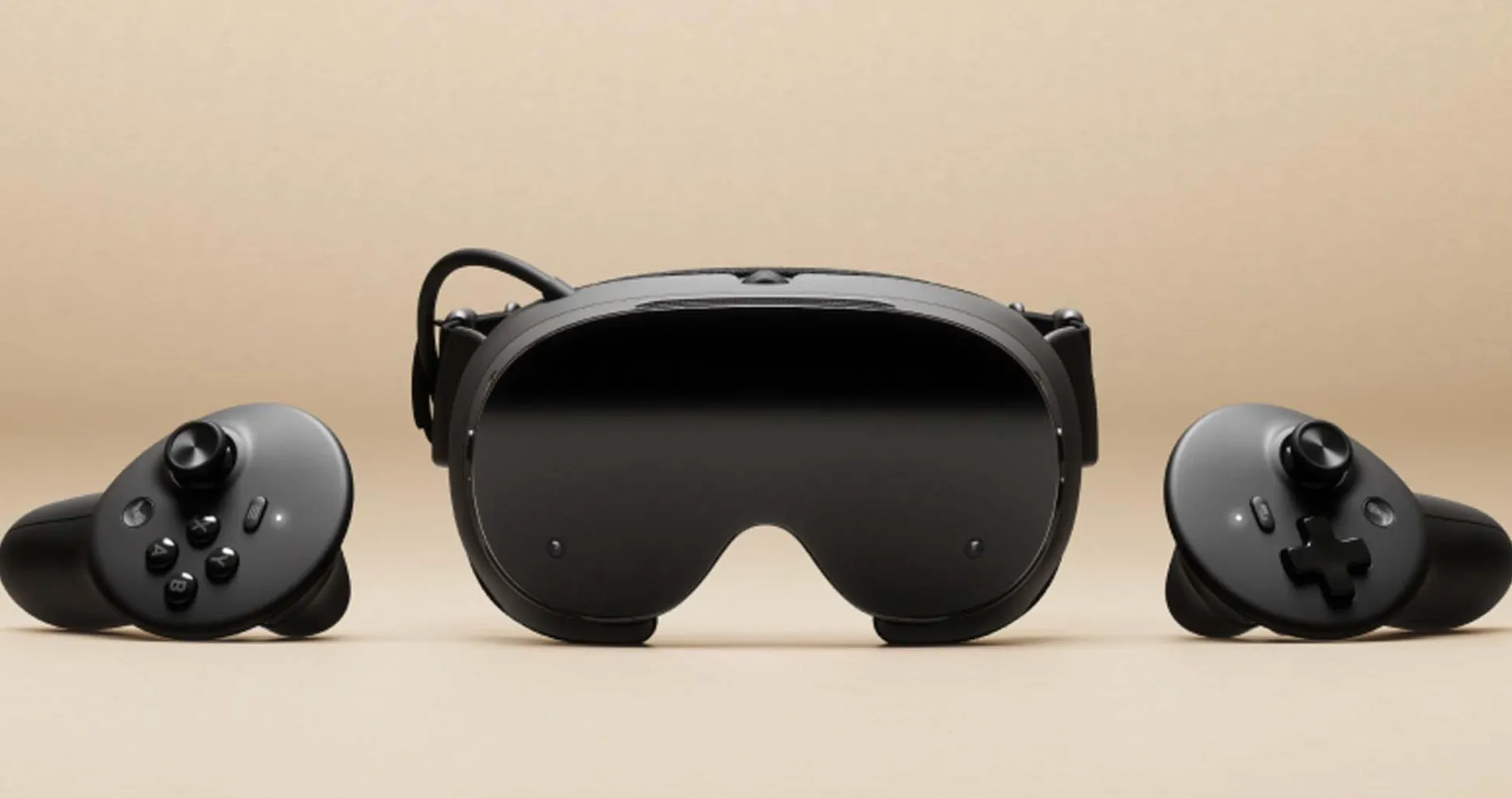
Meta positions the Ray-Ban Display as a distinct product tier sitting between its camera-only AI glasses and its AR glasses prototype, the Orion, which features a large holographic display. The Ray-Ban Display's in-lens screen is designed for short, user-initiated glances checking messages, reading translations, previewing photos, querying Meta AI, and is positioned off to the side so it doesn't obstruct the wearer's view, Meta explained. Meta has been direct that this isn't about strapping a phone to your face.
That design philosophy sits in real tension with the idea of apps and especially games. Brief, glanceable interactions are not the same thing as sustained sessions. Whether that constraint loosens as the platform develops is a genuine open question.
The Neural Band, included with every pair, translates subtle finger muscle signals into commands for the glasses. Meta says it has the sensitivity to detect movement before it is visually perceptible, and that it will work out of the box for nearly anyone, the product of EMG research conducted with nearly 200,000 participants, according to Meta.
Currently, the band enables scrolling and clicking through finger gestures; Meta says text entry through subtle finger movements is coming in the near future. Meta also notes accessibility applications: wrist-based EMG signals can provide usable input for people affected by spinal cord injury, stroke, tremors, or limb differences.
Whether the Neural Band can support the faster, more precise inputs that games typically require has not been independently tested or publicly assessed.
What third-party apps for Meta smart glasses look like right now
The clearest public signal of what this platform will support near-term comes not from the grants program but from the integrations already live.
In December 2025, Meta introduced the first multimodal AI music experience for Ray-Ban Meta and Oakley Meta glasses through a Spotify partnership. Users can ask Meta AI to play a song matching what they are looking at, bridging computer vision with Spotify's personalization to generate a context-specific playlist, Meta announced. The same update added Conversation Focus, which uses the glasses' open-ear speakers to amplify a nearby speaker's voice in noisy environments; users adjust the amplification level by swiping the right temple.
The Be My Eyes partnership, announced in September 2024, connects blind and low-vision users with sighted volunteers through the glasses' camera — a use case that requires no display and works entirely through audio. By that same point in 2024, Meta had expanded audio integrations to include Audible and iHeart alongside Spotify and Amazon Music, according to Meta.
The pattern across every live example is consistent: view-matched music, voice amplification, volunteer visual assistance, audiobook playback. These are brief, ambient, and often assistive functions. Apps that work in glances and respond to voice have the clearest near-term opportunity on this platform. Meta has not publicly shown a path to broader game distribution on the glasses, and the current evidence does not point toward one.
What to watch for next
The platform's current constraints are concrete. The $799 entry price, US-only grants program, English-language feature restrictions, Early Access rollout process, and six hours of mixed-use battery life all shape how quickly an outside developer ecosystem can build and sustain momentum, based on Meta's product announcements.
Everything reported here comes from Meta's own communications. No independent developer has publicly documented their experience with the Device Access Toolkit. No analyst has assessed the Neural Band's input quality under real-world conditions. No third party has mapped the toolkit's actual technical capabilities. The picture is real as far as it goes — it just doesn't go very far yet.
The concrete milestones worth watching: broader public access to the Device Access Toolkit beyond grant recipients; named third-party apps outside existing media and accessibility partners; disclosed details about whether developers can render directly to the display; and any announced monetization or distribution model. Those developments would signal that the platform is moving from a controlled early phase toward something genuinely open. Until then, Meta's display glasses ecosystem is a credible foundation for a platform that hasn't launched yet.





Comments
Be the first, drop a comment!