


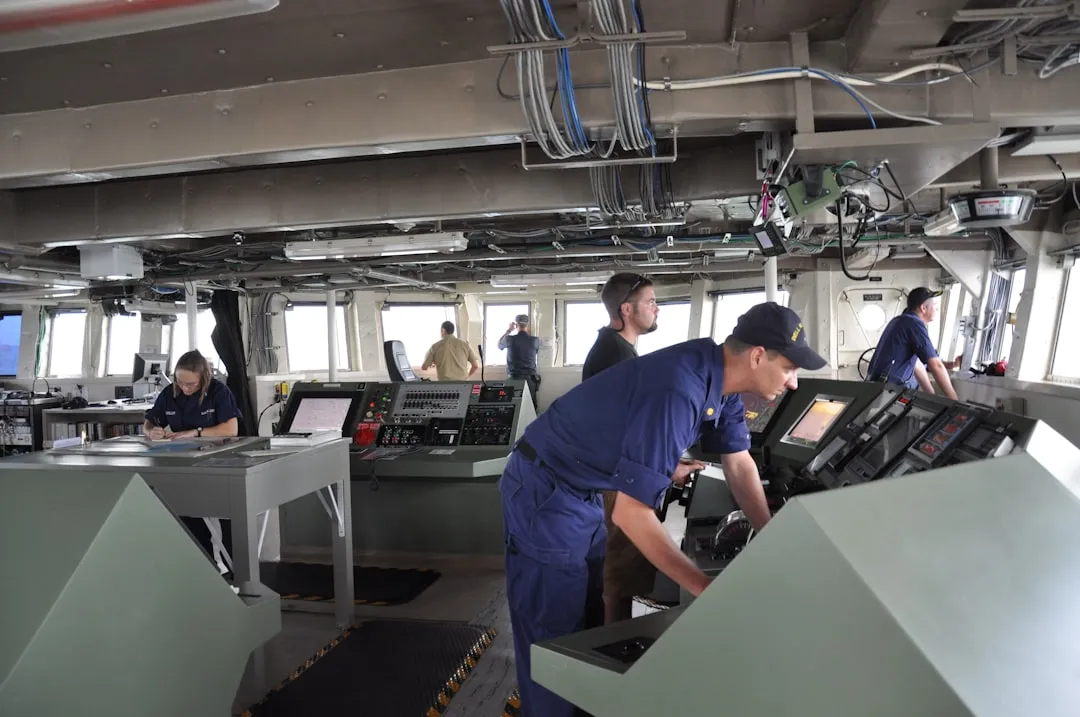
When you think about the future of military training, you'd probably expect cutting-edge technology to play a major role. But what might surprise you is just how thoroughly the U.S. Navy has embraced gaming technology, virtual reality, and augmented reality systems that were once confined to consumer entertainment. This shift represents more than just adopting new gadgets—it's a fundamental reimagining of military training that prioritizes safety, cost-effectiveness, and operational readiness.
The transformation is happening right now, with real validation occurring in operational environments. The Navy successfully demonstrated portable VR bridge training systems aboard the USS Theodore Roosevelt, marking a significant milestone in operational validation (Halldale Group). Mass Virtual's MassXR platform now supports more than 45 military platforms at over 200 global sites, training over 31,000 service members annually (Halldale Group).
What's driving this comprehensive adoption? It comes down to three critical factors that traditional training methods struggle to address simultaneously. First, safety considerations—sailors can now practice dangerous scenarios without actual risk to personnel or equipment. Second, cost-effectiveness—training can occur without pulling ships out of service or consuming expensive resources. Third, enhanced operational readiness—crews can maintain and sharpen skills during deployments rather than waiting for shore-based training opportunities.
The Navy's recruiting success in 2024—bringing in 40,978 new sailors while exceeding their goal of 46,000—demonstrates growing interest in technologically advanced military careers (Navy.mil). Today's potential recruits grew up with sophisticated gaming experiences, and the Navy's investment in cutting-edge training technology signals that military service can exceed rather than trail civilian technological expectations.
From shore-based simulators to shipboard VR systems
Here's where the Navy has completely revolutionized the traditional training model: instead of bringing sailors to shore-based training facilities, they're now delivering advanced simulation directly to operational ships. This represents a paradigm shift that addresses one of the most persistent challenges in naval training—maintaining crew proficiency during extended deployments.
The Virtual Bridge and Nautical Trainer (VIBRaNT), developed by UK-based Kilo Solutions, enables bridge teams to rehearse complex navigational scenarios in immersive virtual environments aboard operational vessels (Halldale Group). Consider the operational implications: instead of requiring a massive aircraft carrier to dock and send crews to a training facility—potentially disrupting mission schedules and costing millions in operational delays—the training facility comes directly to them.
The untethered VR system allows bridge watchkeeping teams to train at sea without pulling ships to shore facilities or exposing live assets to training risks (Halldale Group). The capability supports mission rehearsal, performance evaluation, and maintenance of bridge standards in operational environments (Halldale Group). This means crews can practice navigation through complex port approaches, emergency response scenarios, or challenging weather conditions without waiting for actual circumstances to arise.
The system was delivered under contract with the Office of Naval Research Tech Solutions, following Kilo's selection as a commercial-off-the-shelf technology partner (Halldale Group). This approach leverages existing commercial technology rather than requiring years of custom military development—a strategy that accelerates deployment while reducing costs.
As Andy Parkin, Managing Director of Kilo Solutions, explained: "We simply take the simulator to the individuals, not the other way round" (Halldale Group). This philosophy transforms training from a scheduled event requiring significant logistical coordination into an on-demand capability that seamlessly integrates with operational tempo.
Emergency response training through immersive fire scenarios
Shipboard fires represent one of the most catastrophic emergencies naval personnel can face. In the confined spaces of a vessel, fire emergencies can rapidly escalate from manageable incidents to life-threatening disasters that jeopardize both crew and mission. Traditional fire training, while essential, faces inherent limitations in terms of scenario complexity and the frequency with which crews can practice life-threatening emergency responses.
Orlando-based Mass Virtual won the U.S. Navy's Portsmouth Naval Shipyard Extended Reality Prize Challenge for developing immersive fire training solutions (Halldale Group). This challenge, issued by Naval Sea Systems Command, sought thorough and realistic virtual reality training solutions for refresher training in life-threatening environments (Halldale Group).
The company's MassXR platform equips sailors with skills and confidence to respond effectively in shipboard fire situations through scenario-based XR training using VR headsets, tablets, and gaming consoles (Halldale Group). The platform's multi-device flexibility enables training scenarios that range from individual skill development on tablets to fully immersive team emergency response exercises using VR headsets.
What makes this approach particularly valuable is the ability to create repeatable, high-stakes scenarios that would be impossible or prohibitively dangerous to practice with live fire exercises. Crews can experience equipment failures, toxic smoke conditions, structural damage, and time-critical decision points without actual risk. The platform provides flexibility across environments, real-time performance feedback, and actionable data to help leaders improve training effectiveness (Halldale Group).
This data-driven capability transforms emergency response training from subjective assessment to quantifiable performance measurement. Leaders can analyze response times, decision-making patterns, and teamwork effectiveness across multiple scenarios, identifying specific areas where individual sailors or teams need additional focus.
AR-powered maintenance and hands-free technical support
While VR simulation captures attention for training applications, augmented reality is quietly revolutionizing how Navy personnel handle the complex maintenance operations that keep modern naval vessels operational. These ships are essentially floating cities with systems that rival the complexity of major industrial facilities, requiring maintenance expertise across hundreds of specialized technical domains.
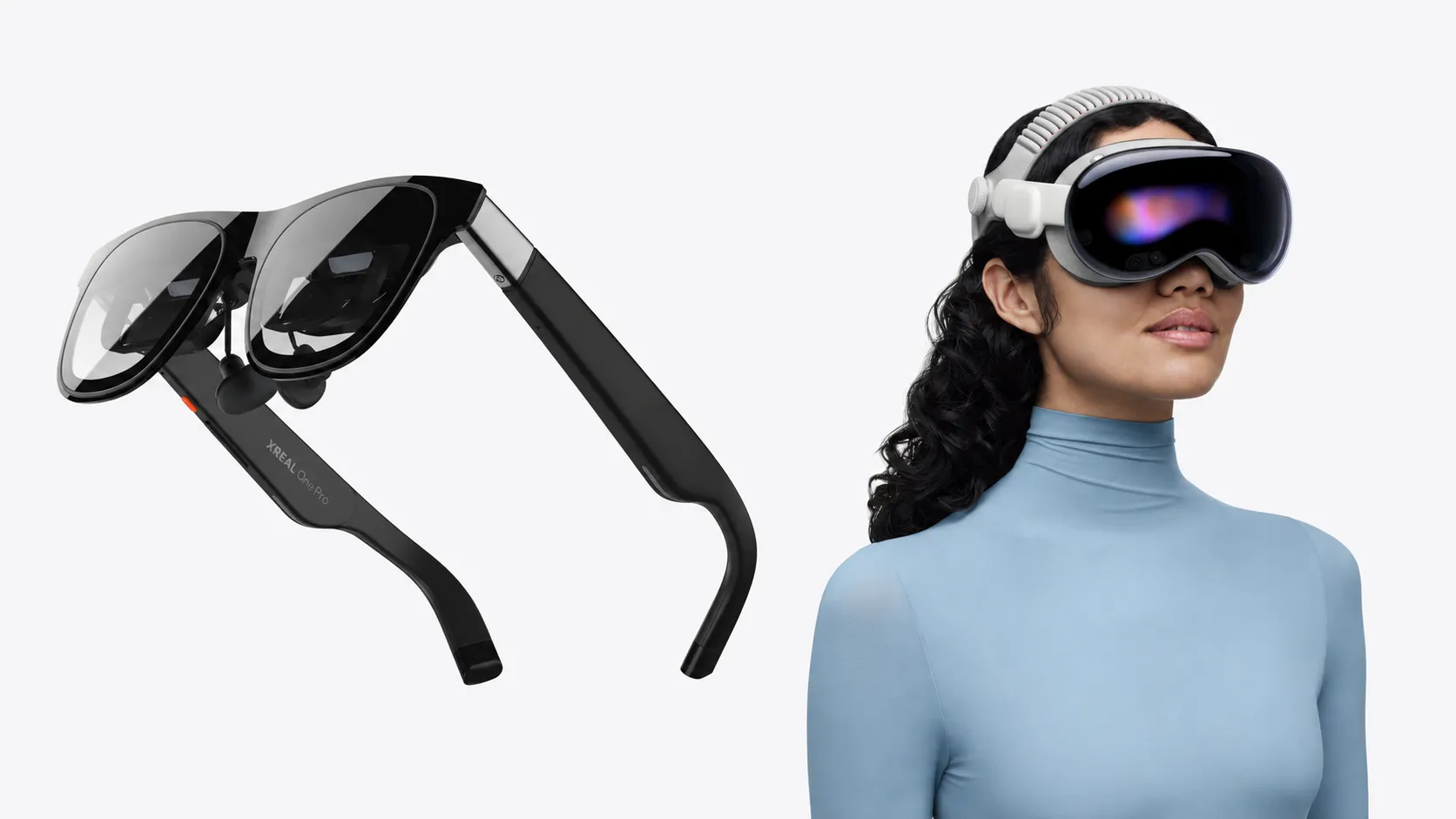
California-based Holochip is finalizing development of the H50 AR goggles, designed specifically to modernize Navy maintenance training and field support (Immersive Technology). The goggles, expected to be available by the end of 2025, are part of the Augmented Reality Headset for Maintainers programme and have been developed with funding from Navy Small Business Innovation Research initiatives (Immersive Technology).
These devices deliver hands-free access to step-by-step work instructions, detailed 3D schematics, and real-time diagnostics, significantly enhancing maintenance efficiency and reducing human error (Immersive Technology). The system eliminates the constant interruption of referencing physical manuals, searching for specific diagrams, or attempting to interpret complex technical documentation while simultaneously working on intricate mechanical systems.
The system includes AI-enabled gesture recognition technology that allows maintainers to interact with virtual manuals through simple hand movements, eliminating the need for physical manuals while keeping technicians focused on their tasks (Immersive Technology). Technicians can navigate through procedures, zoom in on specific components, or access additional information without interrupting their physical work or contaminating clean environments with paper materials.
Perhaps most significantly, the "see what I see" function enables users to connect with subject matter experts who can view the same visual information and provide immediate guidance (Immersive Technology). This capability transforms expertise sharing from a physical co-location requirement to an on-demand consultation service, enabling junior technicians to access senior expertise regardless of geographic separation.
Aviation training enters the mixed reality era
Naval aviation training has consistently pushed the boundaries of simulation technology, but mixed reality represents a fundamental evolution in how student aviators develop critical flight skills. Project Link demonstrates how the Navy is integrating virtual elements with physical cockpit components to create unprecedented training realism while addressing the practical limitations of traditional simulation approaches.
The Naval Aviation Training Systems and Ranges Program Office and Naval Air Warfare Center Training Systems Division developed the T-45C Goshawk mixed-reality simulator to bring cutting-edge training capabilities to student aviators (TheBayNet). The Navy is pioneering emerging technologies through the Naval Aviation Training Next program, focusing on extended reality that encompasses virtual reality, augmented reality, and mixed reality for immersive training experiences (TheBayNet).
Captain Kevin McGee, PMA-205 program manager, noted that mixed reality has matured enough over the past five to seven years to provide significant value in virtual training environments, potentially replacing larger, more expensive visual projector systems (TheBayNet). This technological maturation enables more compact, flexible training systems that can be deployed in multiple locations rather than requiring centralized, facility-dependent simulators.
Through the Accelerate the Procurement and Fielding of Innovative Technologies program, the Navy procured an additional 20 systems, with eight arriving in Meridian and 12 being delivered to Kingsville, Texas, in 2025 (TheBayNet). This rapid expansion demonstrates confidence in the technology's effectiveness and the Navy's commitment to scaling successful innovations across training programs.
The PMA-205/NAWCTSD team addressed discrepancies and improved system fidelity, demonstrating the Navy's methodical approach to refining these technologies based on user feedback (TheBayNet). This iterative improvement process ensures that technological advancement translates into genuine training enhancement rather than adoption for its own sake.
Addressing the challenges: cybersickness and system limitations
The Navy's commitment to technological honesty extends to acknowledging and actively addressing the potential drawbacks that accompany VR and AR systems. Rather than ignoring these limitations, military planners are developing mitigation strategies that ensure these powerful training tools enhance rather than hinder operational readiness.
Research indicates that VR simulators offer a favorable cost-effect ratio and enhanced trainee safety considerations for uniformed services (Study of Adverse Factors). However, the use of VR simulators may be accompanied by side effects or intensified symptoms of cybersickness, which can limit training duration and effectiveness (Study of Adverse Factors).
Cybersickness—that queasy, disoriented feeling that some users experience during extended VR sessions—presents a practical constraint on training duration and frequency. The Navy is addressing this challenge through improved hardware ergonomics, optimized visual systems, and training protocols that account for individual susceptibility variations.
Initial evaluations of T-45C mixed reality simulator prototypes revealed that despite closely resembling the actual Goshawk cockpit and using commercial head-mounted displays, the systems faced some limitations in certain functionalities (TheBayNet). The PMA-205/NAWCTSD team addressed these discrepancies and improved system fidelity, demonstrating the Navy's commitment to refining these technologies based on user feedback (TheBayNet).
This transparent evaluation and iterative improvement process builds confidence in the technology's long-term viability while ensuring that operational requirements drive technological implementation rather than the reverse.
The future of Navy recruitment and training integration
The Navy's strategic vision extends beyond operational training to encompass recruitment and career exploration, recognizing that today's potential sailors expect technological sophistication that matches their civilian gaming and entertainment experiences. The integration of advanced simulation technology into recruitment demonstrates how the same platforms that enhance training also serve as powerful tools for attracting top talent.
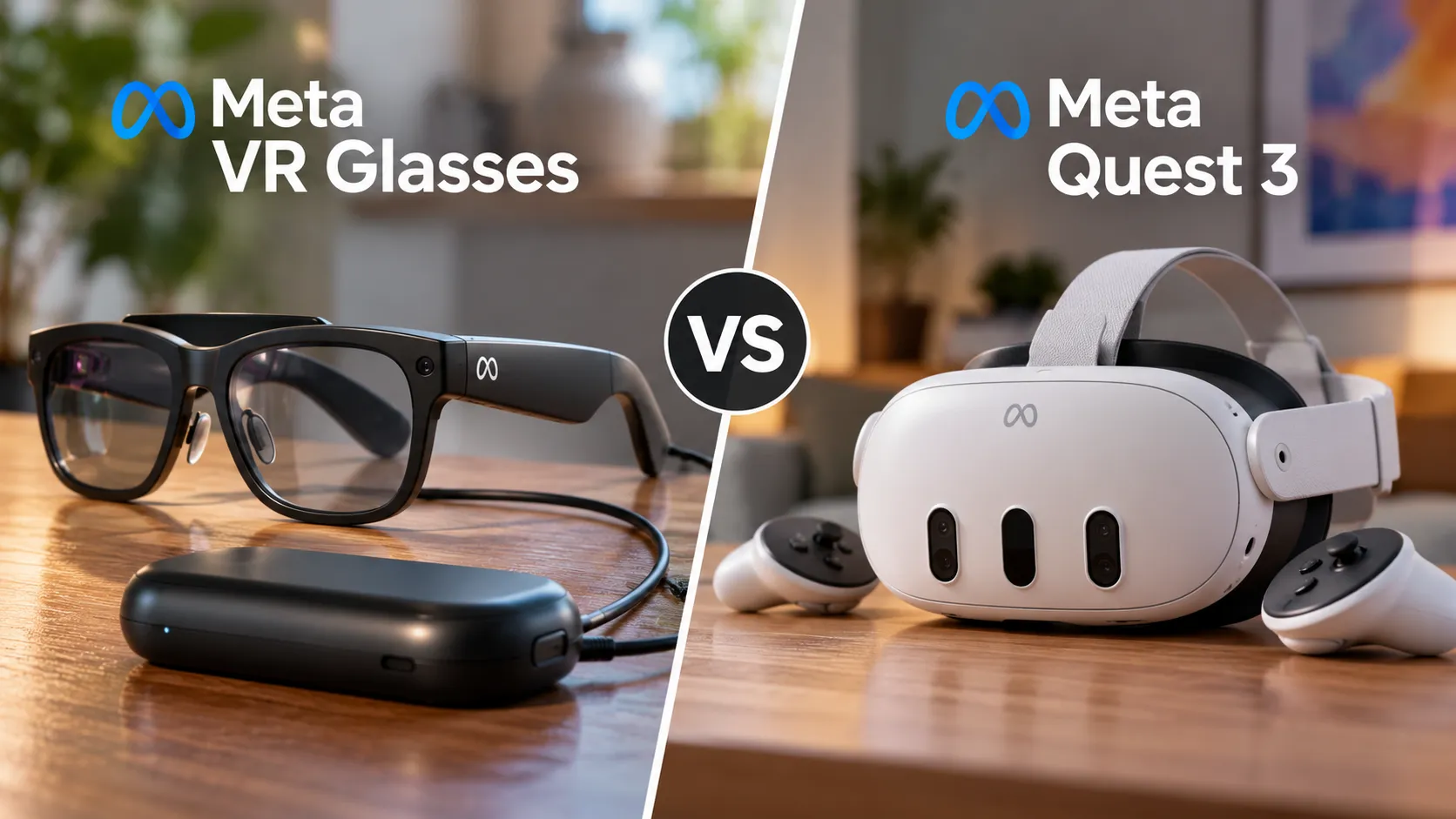
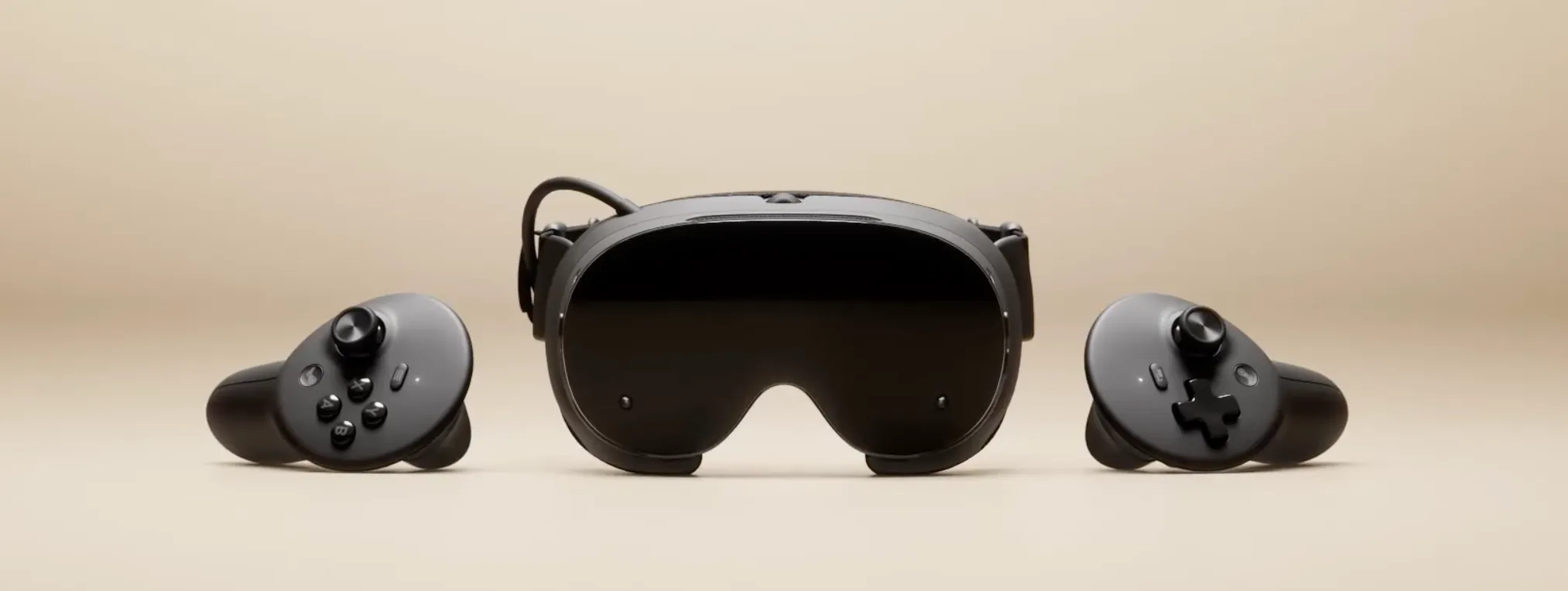
The new "Strike Group" mixed-reality experience comprises seven distinctive, interactive challenges that showcase the breadth and depth of Navy STEM careers, from nuclear engineering and aviation to special warfare and medicine (Navy.mil). Participants use Meta Quest 3 headsets to be transported to the USS Gerald R. Ford, where they team up to launch an F-35C Lightning II jet while working in different roles from loading fuel to flying helicopters (Navy.mil).
The experience includes a personality quiz that pairs participants with jobs best suited for them, complete with AI-generated images of themselves in their recommended roles (Navy.mil). This personalized approach transforms recruitment from a generic presentation into an individualized career exploration process that helps potential recruits visualize their specific path within naval service.
This innovative recruitment strategy reflects the Navy's understanding that cutting-edge technology and immersive experiences are essential for attracting candidates who have grown up with sophisticated digital interactions and expect their professional environments to exceed rather than trail civilian technological capabilities.
What this means for the future of military training
The Navy's comprehensive adoption of gaming technology represents a paradigm shift that extends far beyond individual training improvements to fundamentally alter how military forces prepare for complex, multi-domain operations. Other military branches and international naval forces are closely studying these innovations as potential models for their own training evolution.
Live, virtual, and constructive training environments now connect live aircraft with manned virtual simulators and constructive computer-generated forces, expanding the scale and complexity of training conditions (Navy.mil). The Tactical Combat Training System Increment II serves as the Navy and Air Force's next-generation secure system that connects live aircraft to virtual entities on the Navy Continuous Training Environment (Navy.mil).
Recent demonstrations have shown live and virtual aircraft performing simulated weapons employments while receiving synthetic radar warnings and real-time kill notifications from successful engagements (Navy.mil). This integration creates training scenarios that would be impossible or prohibitively expensive to conduct using traditional methods while providing unprecedented realism in multi-platform operations.
These capabilities have proven their effectiveness in expanding training options, with importance that increases as the threat of potential near-peer conflict grows (Navy.mil). In an era where military conflicts involve increasingly sophisticated technology, electronic warfare, and coordinated multi-domain operations, training systems must provide comparable complexity to ensure operational readiness.
The convergence of consumer gaming technology with military training needs has created a dynamic ecosystem where innovation flows in both directions, ultimately benefiting both sectors. Gaming companies gain insights into extreme performance requirements and develop more robust systems, while the military benefits from rapid technological advancement driven by massive consumer markets. This symbiotic relationship accelerates innovation cycles while ensuring America's naval forces remain at the cutting edge of technological capability and operational readiness.
The transformation we're witnessing represents more than adopting new training tools—it's the emergence of a fundamentally different approach to military preparation that integrates safety, cost-effectiveness, operational flexibility, and unprecedented realism into a comprehensive system that prepares sailors for the complexities of 21st-century naval operations.




Comments
Be the first, drop a comment!