


Bloomberg's Mark Gurman reported last October that Apple had shelved its only known Vision Pro successor project, redirecting staff toward smart glasses instead. That single move, combined with a production halt and a near-total collapse in marketing spend, points to something more deliberate than a product delay. A true next-generation Vision Pro release date, per Bloomberg, appears to be at least two years out, and the evidence suggests Apple arrived at that conclusion before most observers did.
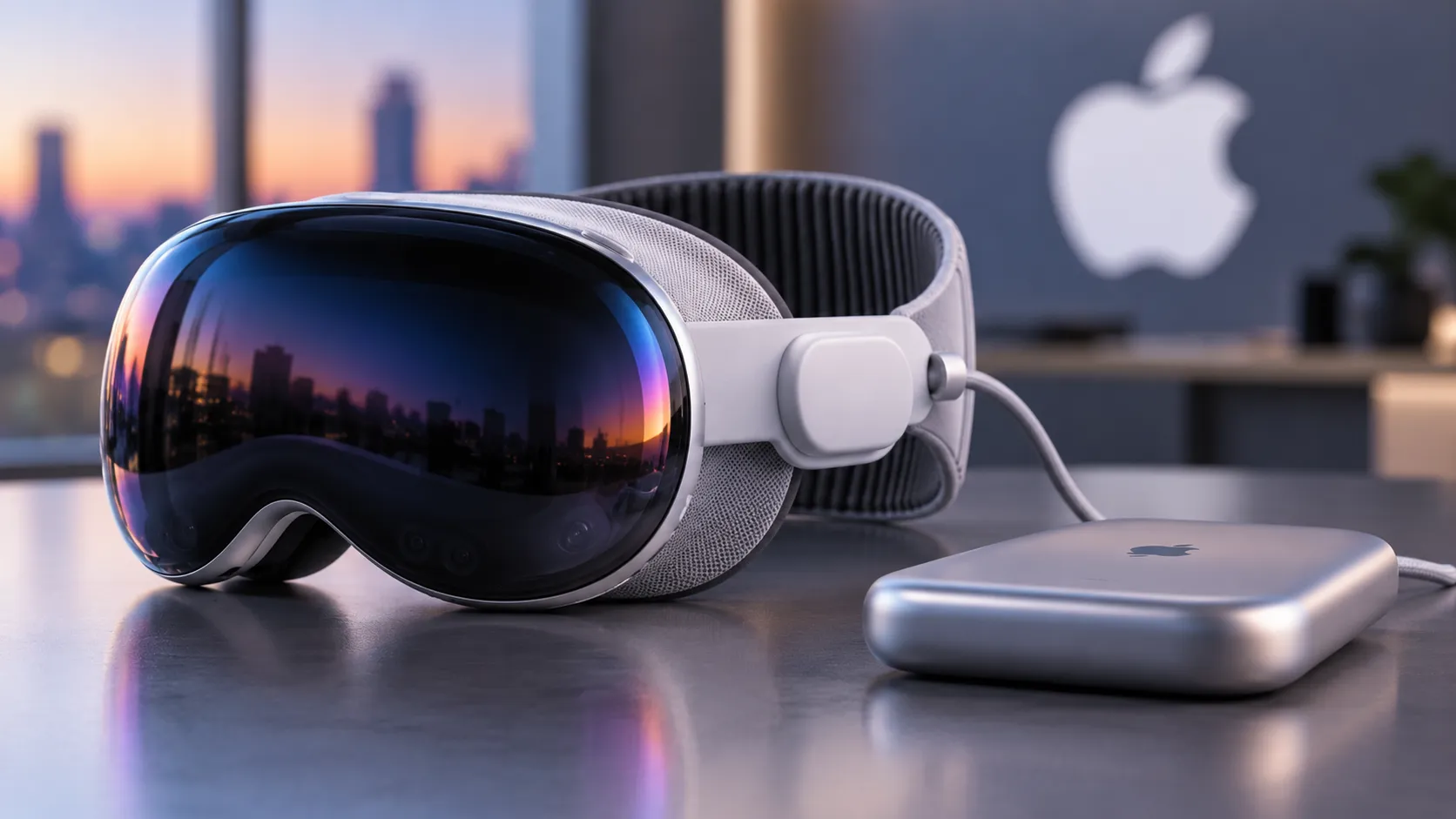
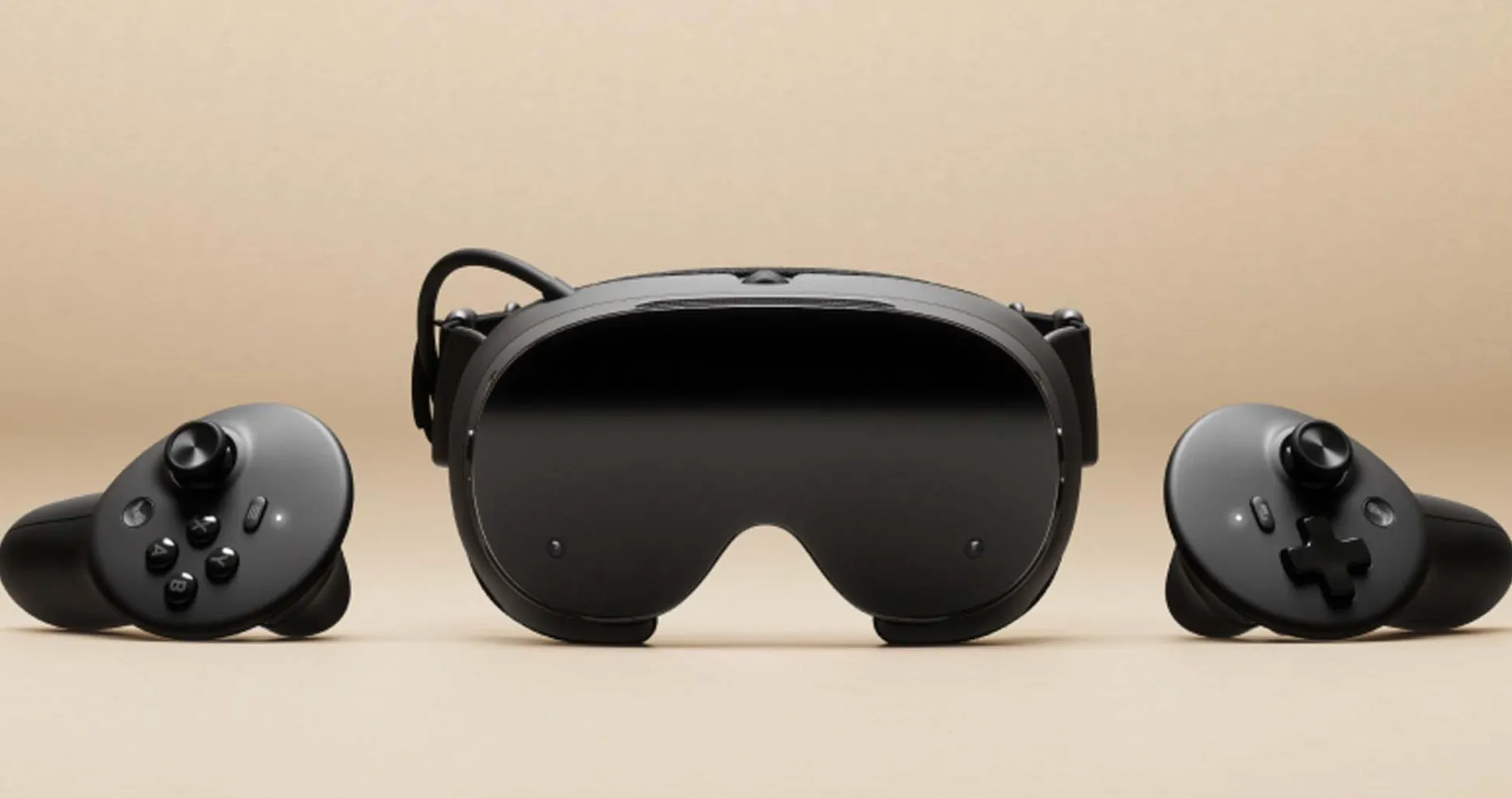
One clarification upfront: this is not about minor hardware updates. Apple rolled out an M5-powered Vision Pro last October, a significant processor jump from the original M2 chip, along with improved battery life, per PCMag. That update is not what's in question. What's in question is a genuine successor: new design, substantially lower price, or meaningfully different form factor. The kind of product that could fix the structural problems the current headset doesn't have.
That distinction matters because some conflicting reports conflate the two. They shouldn't.
What the new Apple Vision Pro release date reports actually say
Gurman reported last October that Apple had internally announced it was pulling staff off a planned Vision Pro overhaul, supposedly codenamed N100, and redirecting them toward smart glasses. N100 had been a cheaper, lighter headset targeting a 2027 release. Shelving it doesn't just delay the product; it eliminates the only confirmed successor project on any near-term roadmap.
The "at least two years" framing follows directly from that. There is no replacement program currently known to be in development.
What's still possible sooner is more modest. Bloomberg separately noted that a "modest refresh," not a redesign, could arrive as early as late 2025 or 2026, per Bloomberg's analysis. That reconciles most of the conflicting reporting about a cheaper Vision model arriving in 2026: a spec-level update is not the same thing as a new Vision Pro. Apple appears to be making that distinction internally, even if press coverage sometimes doesn't follow it.
The rough picture, as the reporting stands: the M5 update arrived last October. A modest iterative refresh may follow sometime this year or next. The N100 lighter redesign is shelved. Smart glasses, initially a display-free model, are reportedly targeting a 2027 launch. A true next-generation Vision Pro has no confirmed timeline.
The demand case: why the numbers look structural
Analysts estimated Apple sold roughly 390,000 Vision Pro units across all of 2024, its launch year. By Q4 2025, IDC numbers cited by PCMag estimated only around 45,000 units shipped for the entire quarter, the holiday quarter when consumer electronics typically peak. iPhone, iPad, and Mac lines posted healthy sales over the same period. This is a Vision-specific problem.
Apple has never disclosed official Vision Pro sales figures, per ITdaily. For a company that highlights category performance when the news is good, the silence is notable.
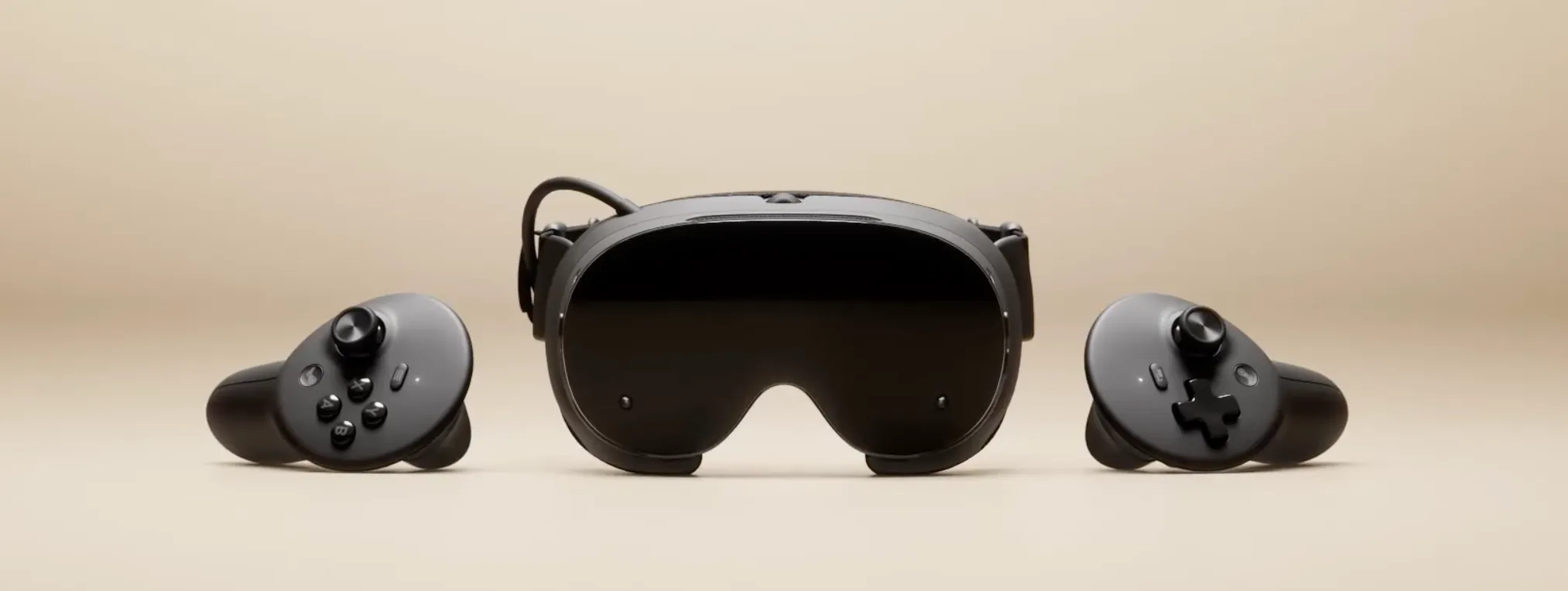
The barriers are consistent across analysts: a $3,499 starting price, discomfort during extended use, a thin app library, limited battery life, and retail availability in only 13 countries. The competitive context sharpens the price problem. Samsung's Galaxy XR launched last October with broadly comparable mixed-reality features at $1,799, roughly half the Vision Pro's starting price. The broader VR market contracted about 14% year-over-year, with Meta's Quest line holding around 80% share, according to Counterpoint Research data cited by PCMag.
Apple is competing for a premium position in a shrinking market where the dominant player costs a fraction of its price. That's not a temporary headwind.
Why the M5 update didn't move the needle and what that tells us
Apple rolled out the M5-powered Vision Pro last October, and the holiday quarter that followed still produced an estimated 45,000 shipments, according to reports. A faster chip and longer battery didn't move the numbers. That outcome is analytically useful: it rules out compute performance and battery endurance as primary blockers.
If those had been the problem, the M5 update should have helped. It didn't. The real friction, price, weight and comfort, app ecosystem depth, and limited geographic reach, isn't something a chip swap addresses.
The production timeline reinforces this. Apple's manufacturing partner Luxshare had already paused Vision Pro production at the start of last year, months before the M5 model even shipped. The decision to cut production preceded any sales data from the updated product.
The marketing signal is harder to explain away. Apple slashed digital advertising for the Vision Pro by more than 95% year-over-year in the US and UK, per Sensor Tower data cited by PCMag. Cutting production can be read as a supply adjustment. Cutting marketing on a product that's still for sale is different. It signals that Apple is no longer trying to grow the audience; it's managing an existing installed base while it figures out the next move.
What Apple appears to be doing instead
The next move, based on available reporting, is smart glasses. Last October, Bloomberg reported that Apple moved staff from the N100 headset project onto glasses development. The shift isn't a retreat from spatial computing; it's a bet on an entry point that doesn't require strapping a $3,499 computer to your face.
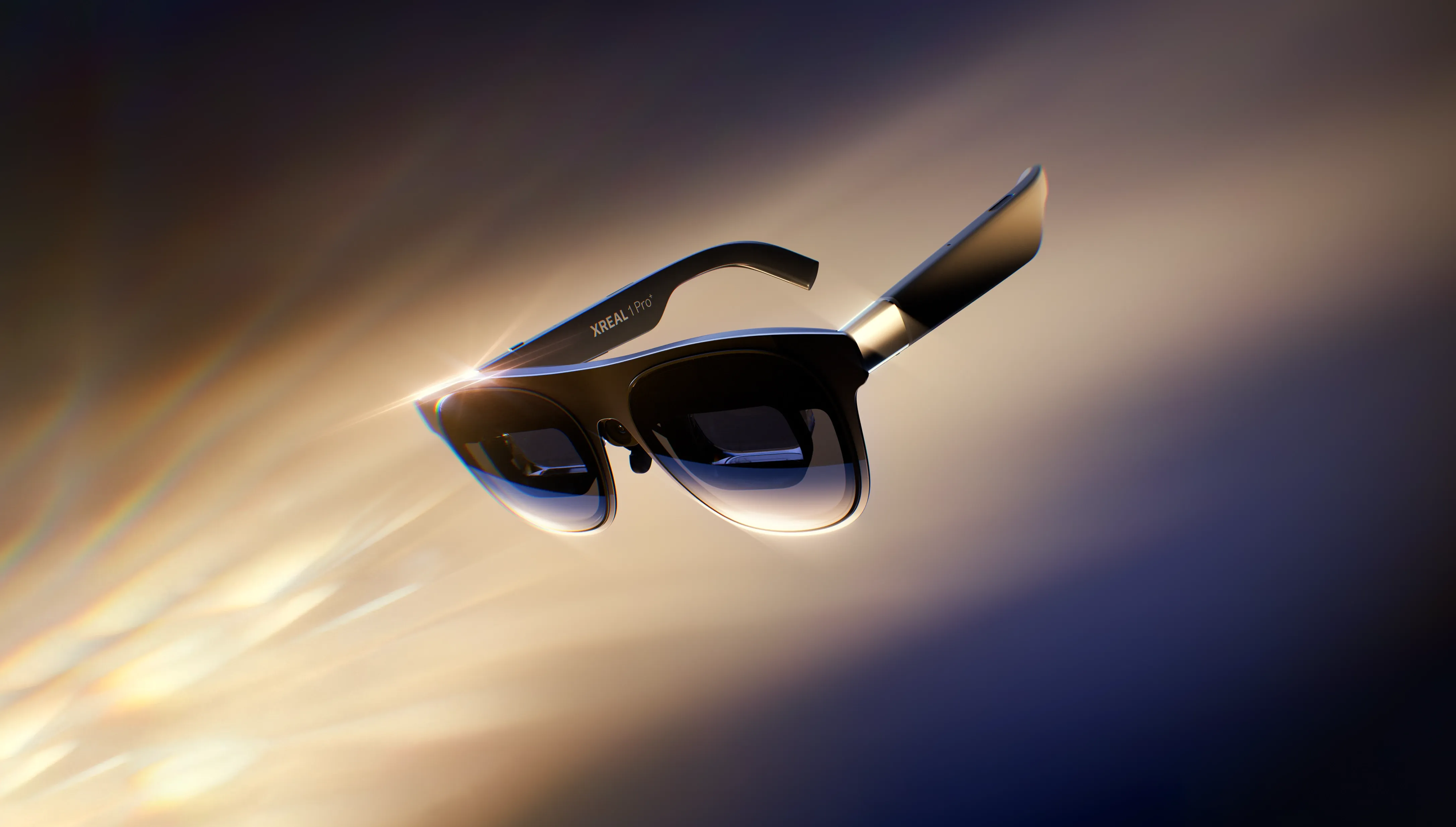
Apple is reportedly developing at least two variants: a display-free model it could potentially reveal this year and launch in 2027, and a display-equipped version originally planned for 2028 that Apple wants to accelerate. Apple is also building a custom chip specifically for the glasses. That level of silicon investment signals a platform commitment, not an experiment.
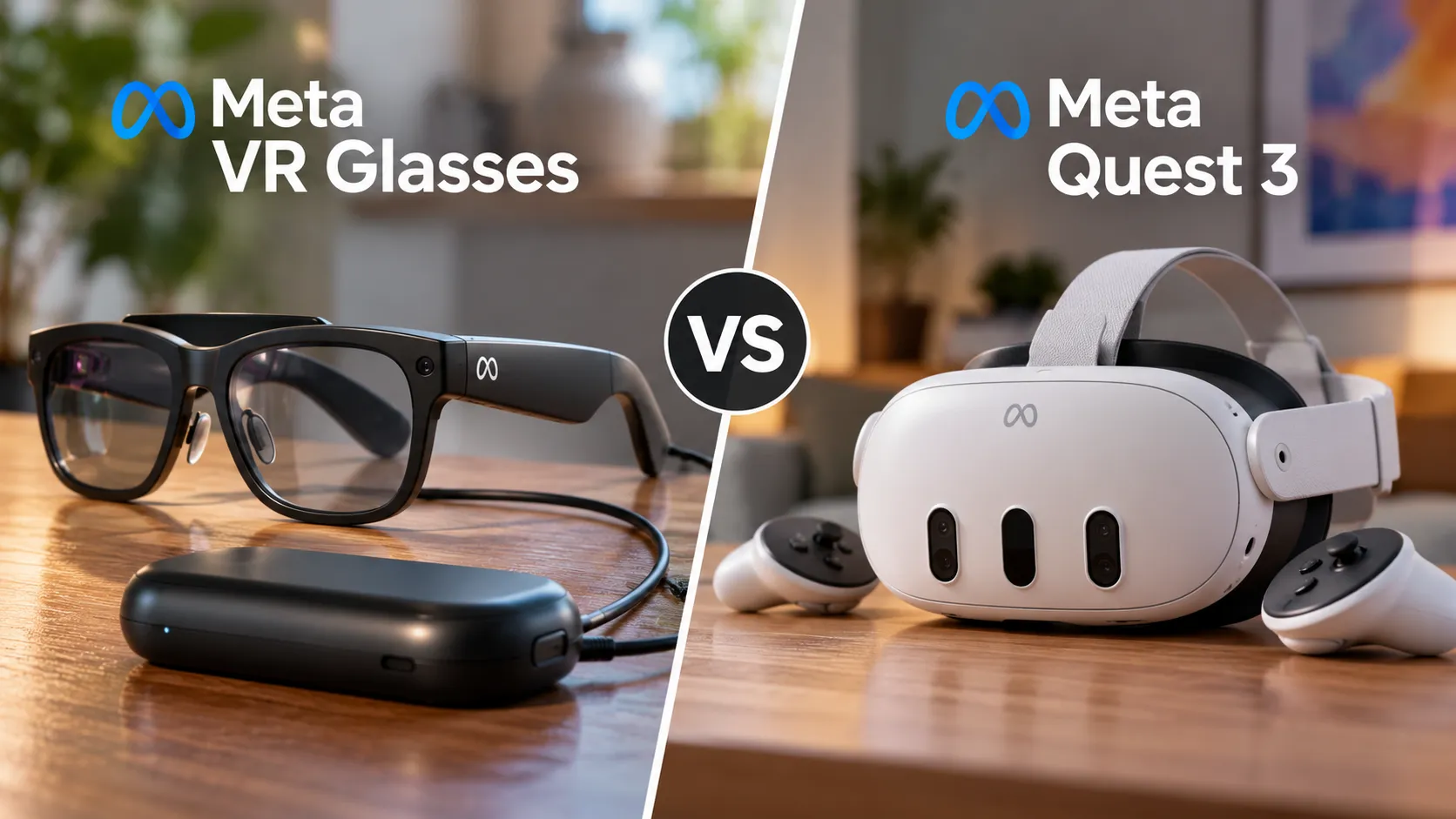
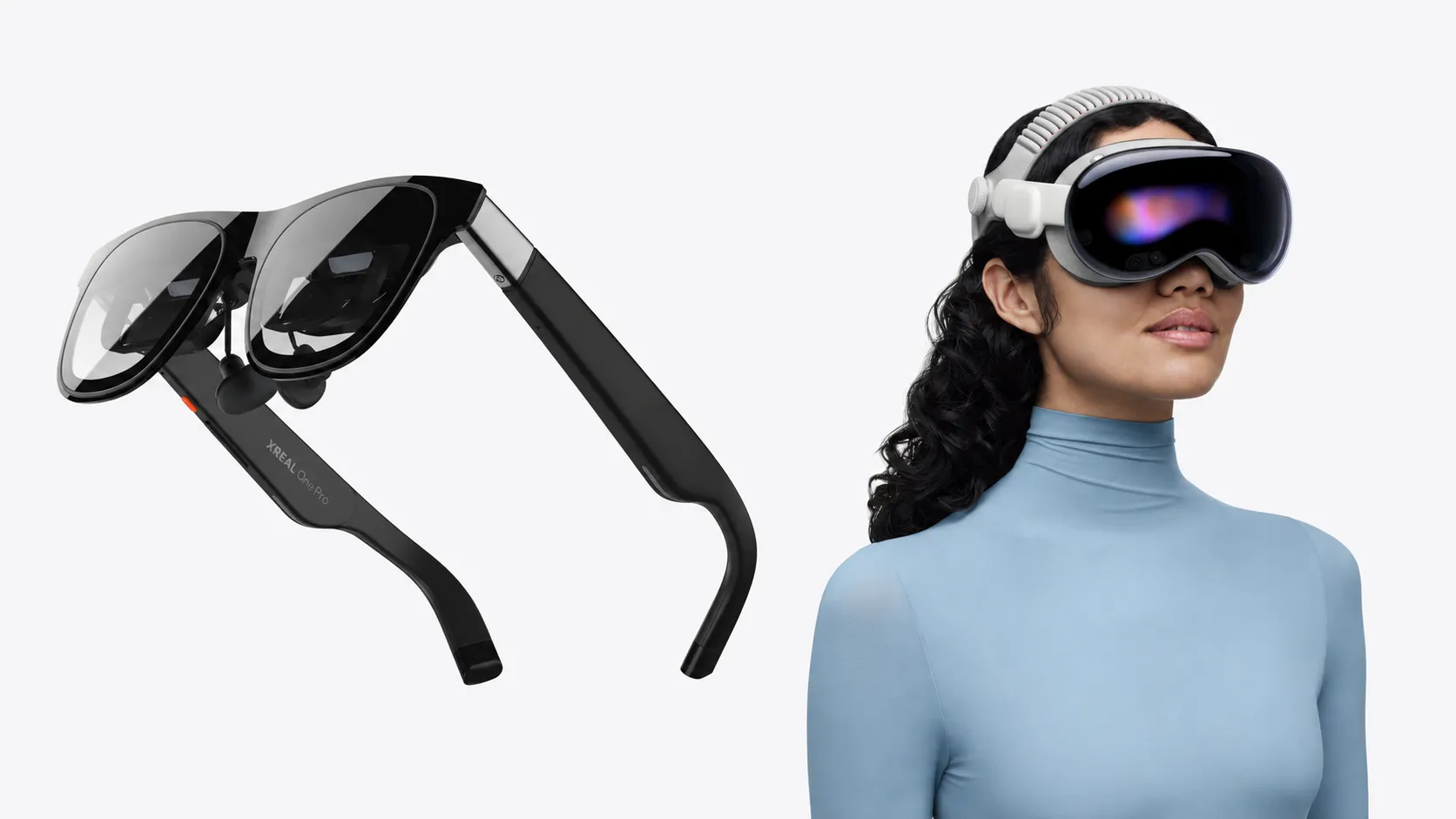
The logic follows from the headset's failure points. If the problem is price, weight, and limited everyday utility, AI-driven glasses with cameras, speakers, and voice interaction, closer to Meta's Ray-Ban collaboration than to a headset, offer a lower barrier to adoption. Whether Apple can execute that better than Meta, which already has an established product in the market, is the open question. Apple's display-free model may not arrive until 2027, which means Meta has held that category for years before Apple enters it.
What the reporting implies for those watching closely
For prospective buyers, there is no sign of a lower-cost redesign in the near term. The current M5 model is what's available, and it's likely to remain so for the foreseeable future. A modest iterative refresh is possible later this year or in 2026, but nothing in the public record points to a meaningfully redesigned or repriced Vision Pro on any near-term roadmap. If you need the device now for a specific use case, the M5 version is the decision in front of you. If you're waiting for something cheaper or lighter, the evidence suggests waiting longer than most rumors implied.
For developers, the shipment estimates imply a niche installed base, somewhere in the low hundreds of thousands at most, with no trajectory suggesting rapid growth. The smart glasses platform Apple is building may eventually represent a different kind of opportunity, but it won't share the same development target or distribution scale as a mass-market device. Platform investment decisions should be sized against a niche professional audience, not an anticipated mainstream one.
The broader point is straightforward. Apple's production halt, 95% marketing cut, and the shelving of its only known successor program together constitute an implicit acknowledgment that the immersive headset category has not found the audience it needs at its current price and in its current form. The next Apple Vision Pro release date remains unconfirmed. Whatever Apple's next significant move in spatial computing turns out to be, it may look less like Vision Pro 2 and more like something that doesn't yet have a name.

Comments
Be the first, drop a comment!