


The world of cloud gaming just got a serious upgrade. Nvidia's GeForce Now has rolled out 90fps cloud streaming specifically designed for VR headsets, and honestly, this feels like one of those moments where everything finally clicks into place. But here's what makes this announcement even sweeter—they've also delivered on the long-awaited GOG integration that users have been practically begging for over the past couple of years.
Think about where we are right now in the cloud gaming landscape. GeForce Now already delivers impressive latency performance averaging 25-40ms in metro fiber regions, which is pretty remarkable when you consider you're essentially playing games on someone else's computer hundreds of miles away. Now they're pushing that infrastructure to handle the demanding requirements of VR—a completely different beast where those same latency numbers take on new significance for maintaining presence and preventing motion sickness.
What's particularly smart about this timing is how it addresses the convergence we're seeing between cloud computing maturity and VR adoption acceleration. These aren't just incremental improvements—they're solving fundamental barriers that have kept people on the sidelines.
Why 90fps in VR changes everything
Let's talk about why this 90fps target isn't just marketing fluff. When you're gaming on a traditional monitor, dropping from 120fps to 60fps might be noticeable to enthusiasts, but it's rarely deal-breaking. In VR? That's a completely different story. Your brain expects the virtual world to respond as smoothly as the real one, and when it doesn't, that's when motion sickness kicks in and presence gets shattered.
The jump to 90fps streaming for VR represents a fundamental understanding of how different virtual reality is from traditional gaming. While GeForce Now's Ultimate tier already supports up to 4K at 120fps with ray tracing for regular gaming, VR demands its own optimization priorities. What's fascinating is how Nvidia has essentially created two parallel performance tracks—one optimized for visual fidelity on traditional displays, and another focused on the temporal precision that VR requires. It's not just about raw visual fidelity—it's about creating experiences that your vestibular system can actually handle.
Here's what's really impressive: they're maintaining this 90fps target while working within infrastructure that was originally designed for traditional gaming. That 25-40ms latency becomes even more critical in VR contexts, where any delay between head movement and visual response can trigger discomfort. The fact that they're achieving both metrics simultaneously suggests some serious backend optimization work that goes far beyond simply throwing more server power at the problem.
What this really represents is cloud gaming finally reaching the performance threshold where VR becomes viable without compromise. We're not talking about "good enough for cloud" experiences anymore—this could genuinely compete with local high-end gaming rigs for users in optimal network conditions. For anyone who's tried VR on underpowered hardware, you know that stuttering, frame-dropping experience is worse than not having VR at all. It's like the uncanny valley, but for your entire body. If Nvidia can deliver on this promise consistently, they're basically removing the hardware barrier that's been keeping casual users away from VR gaming entirely.
GOG integration finally arrives after years of demand
Now here's where things get really interesting for the gaming ecosystem. The GOG integration represents the end of what had become a genuinely frustrating situation for many cloud gaming enthusiasts. If you've been following the GeForce Now wishlist discussions, you know this has been a sore point for well over two years. Users were essentially stuck—they owned games like The Witcher 3 or Cyberpunk 2077 through GOG but couldn't stream them through GeForce Now, despite the service supporting Steam, Epic Games Store, and Ubisoft Connect.
The frustration was real and vocal, but what's particularly revealing is how it reflects broader market dynamics. People were saying things like "More often than naught now, if a game isn't releasing on GFN, then it means it gets a hard pass until it does show up" and "I'm happy to spend my money on new games, but there's no point if I can't play them at their best, and can't stump up for a fullblown gaming rig." This wasn't just about convenience—it was about cloud gaming becoming the primary gaming platform for certain users, making platform compatibility a purchase decision factor.
What makes this partnership particularly smart is how it aligns with GeForce Now's core differentiation strategy. The service distinguishes itself by streaming games users already own rather than operating as a subscription library like Xbox Game Pass or PlayStation Plus. This approach creates stickier customer relationships because users have invested in building libraries across multiple platforms. GOG's DRM-free philosophy naturally complements this model, since both companies emphasize user ownership and platform flexibility over walled garden approaches.
The integration should significantly transform GOG's value proposition in ways that weren't possible before. As users noted in the wishlist discussions, "Not only would this offer gamers a broader range of games to choose from, but it would also increase GOG's accessibility and popularity." For GOG, this could be transformative—suddenly their catalog becomes playable on tablets, phones, and low-end laptops, expanding their addressable market beyond PC gaming enthusiasts to anyone with decent internet access.
Here's what's particularly interesting: some users had already spotted hints of this integration in development. One commenter mentioned they could see Witcher 3 and Cyberpunk 2077 from their GOG library showing up in GeForce Now, even though there wasn't a way to sign into GOG yet. That kind of backend preparation suggests this integration has been in serious development for months, with both companies working through the technical and business challenges of connecting DRM-free games to cloud streaming infrastructure.
Clearer subscription tiers tackle user confusion
Alongside these major technical updates, Nvidia has also refined their subscription labeling, which might sound minor but addresses a real usability problem that's been lurking in the background. When you're operating a free tier with one-hour sessions, a Priority plan around $10 monthly for 1080p gaming, and an Ultimate plan near $20 monthly for 4K and higher frame rates, the value proposition becomes increasingly complex as features stack up across tiers.
This kind of pricing transparency becomes even more critical now that VR streaming capabilities fundamentally change what the Ultimate tier offers. Before, users were primarily weighing resolution and frame rate benefits for traditional gaming. Now they're also considering whether they want access to 90fps VR streaming—which represents access to an entirely different category of gaming experiences. That's a much more compelling upgrade path than simply moving from 1080p to 4K gaming.
From a competitive positioning perspective, the Ultimate tier now offers something that local hardware can't easily match for many users—the ability to experience high-end VR without a significant upfront hardware investment. When you factor in that a VR-capable gaming rig might cost $1,500-3,000, that $20 monthly subscription starts looking like a pretty accessible entry point for VR gaming, especially for users who aren't ready to commit to the full hardware ecosystem.
The bandwidth requirements for these premium features will likely push users toward higher-tier internet plans, but the total monthly cost for internet plus Ultimate GeForce Now could still be more accessible than the hardware alternative. This creates an interesting market dynamic where cloud gaming becomes not just a convenience option, but potentially the most cost-effective path to high-end VR experiences.
For cloud gaming to truly go mainstream, this kind of service clarity is just as crucial as the underlying technical performance. Clear value proposition communication at each tier helps potential customers understand not just what they're buying, but what they're unlocking in terms of gaming possibilities.
What this means for the future of cloud VR
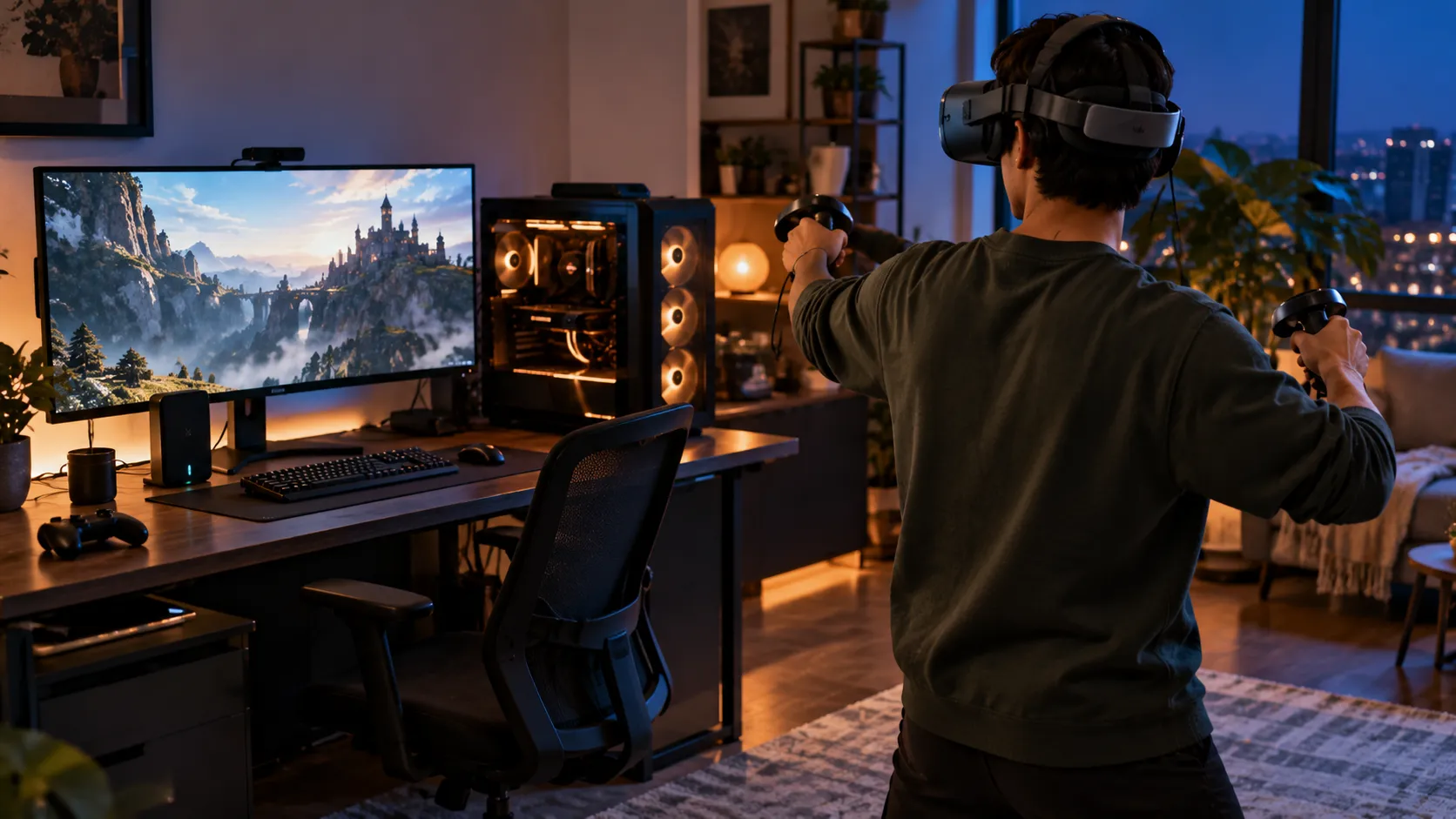
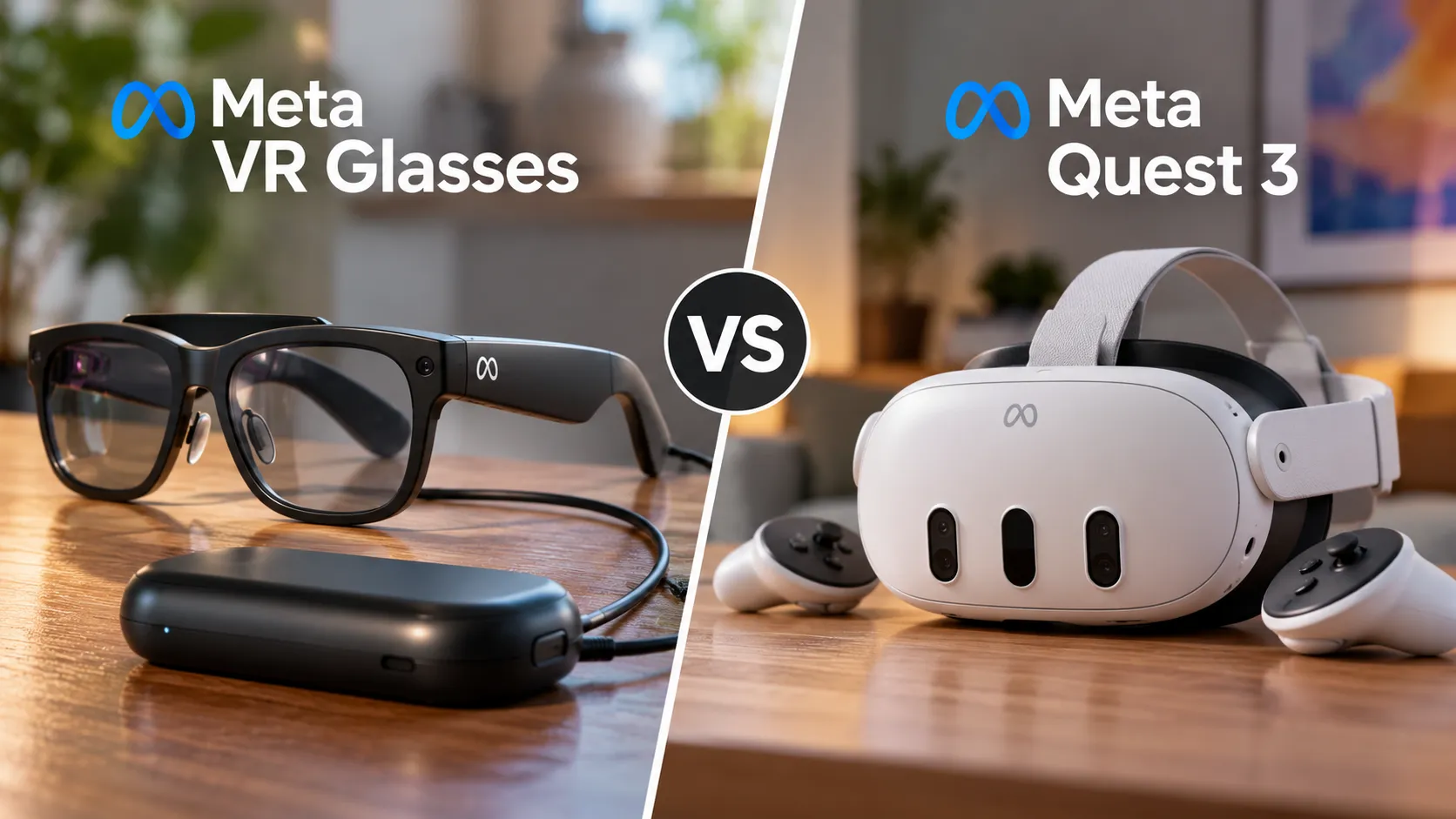
These updates position GeForce Now as a serious player in the emerging cloud VR space, and that could have some pretty significant implications for how VR adoption unfolds over the next few years. Think about it—one of the biggest barriers to VR has always been the hardware requirements. High-end VR experiences typically demand expensive gaming rigs with powerful GPUs, fast processors, and adequate cooling, which puts them out of reach for casual users who might be curious about virtual reality but can't justify the investment for what might end up being occasional use.
The technical achievement here—maintaining consistent 90fps streaming while preserving low-latency performance—suggests that cloud VR gaming is finally reaching the maturity threshold where it becomes a legitimate alternative rather than a compromise option. This isn't just about making VR more accessible; it's about fundamentally changing the economics of high-end gaming by shifting from capital expenditure to operational expenditure models.
The GOG integration adds another strategic dimension that signals how platform partnerships in cloud gaming are evolving. We're moving beyond just connecting the biggest storefronts to building more comprehensive ecosystems that serve different user preferences and purchasing patterns. This suggests that cloud gaming's next phase will be about ecosystem completeness rather than just technical performance improvements.
Looking ahead, as VR headsets continue becoming more accessible and internet infrastructure keeps improving globally, these kinds of cloud-native VR experiences might shift from being the exception to being the norm. We could be looking at a future where the question isn't whether you have a powerful enough computer for VR, but whether you have a good enough internet connection. That's a pretty fundamental shift in how we think about high-end gaming accessibility.
What's particularly compelling is how this could accelerate VR adoption in markets where high-end gaming PCs are less common but internet infrastructure is solid. Cloud VR could democratize access to premium virtual reality experiences in ways that traditional hardware distribution models never could. Combined with the expanded game library access through GOG integration, users get more flexibility in building their VR libraries while knowing they can stream them regardless of their local hardware situation.
If GeForce Now can deliver on the promise of this update consistently, they're positioning themselves at the forefront of a pretty significant transformation in how we access and experience high-end gaming. For VR enthusiasts, cloud gaming advocates, and anyone interested in the democratization of premium gaming experiences, this feels like a milestone worth paying attention to. The technology is finally catching up to the vision, and that's always when things get interesting.





Comments
Be the first, drop a comment!