


Paul Meade Leaving Apple for OpenAI Pressures Smart Glasses Plans
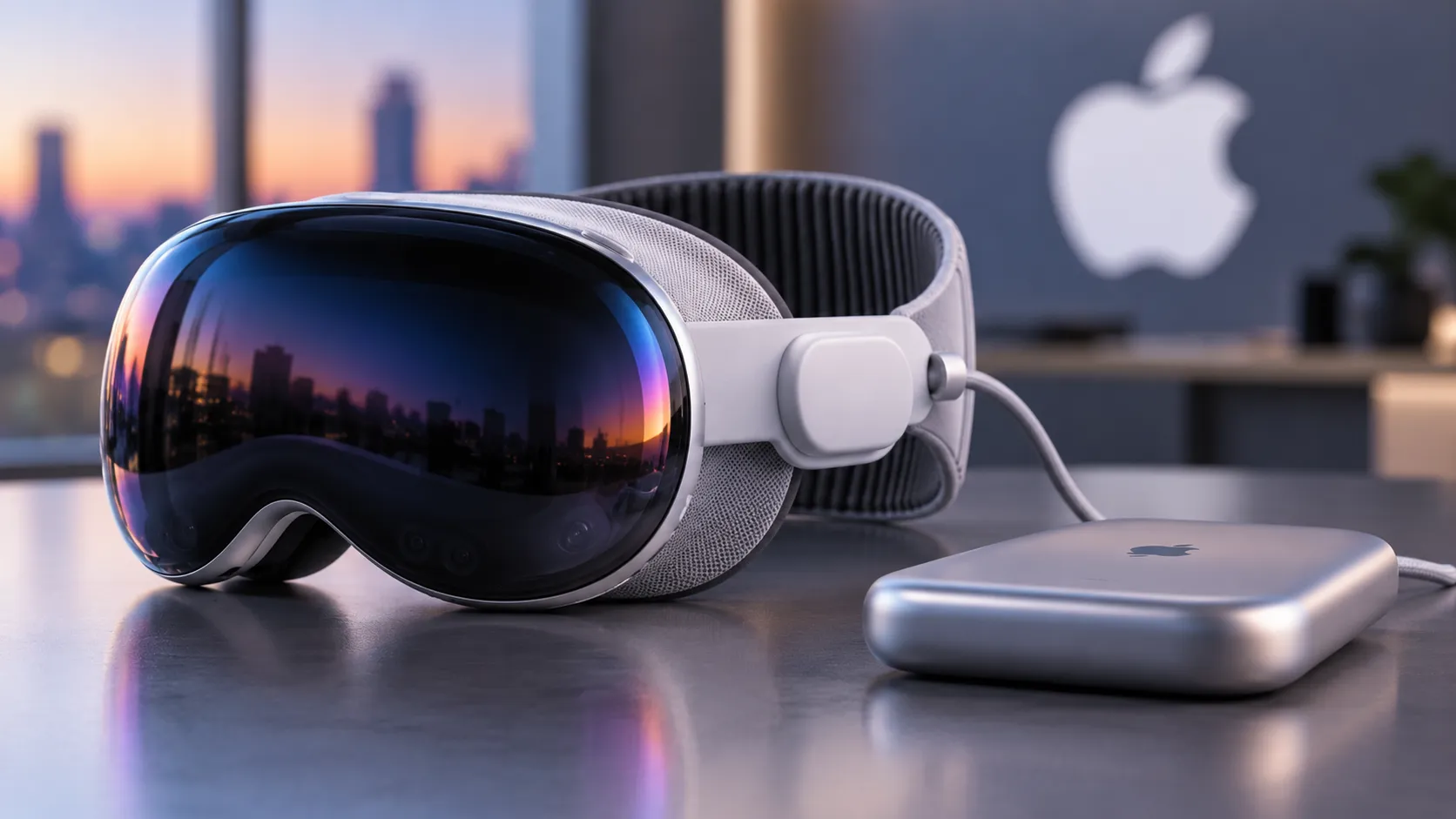
Paul Meade, the Apple vice president who led hardware engineering for both the Vision Pro and the AI smart glasses Apple reportedly plans to launch next year, is departing to join OpenAI's hardware team this week, Bloomberg reported, as cited by TechCrunch last Friday. Neither Apple nor OpenAI has publicly confirmed the move.
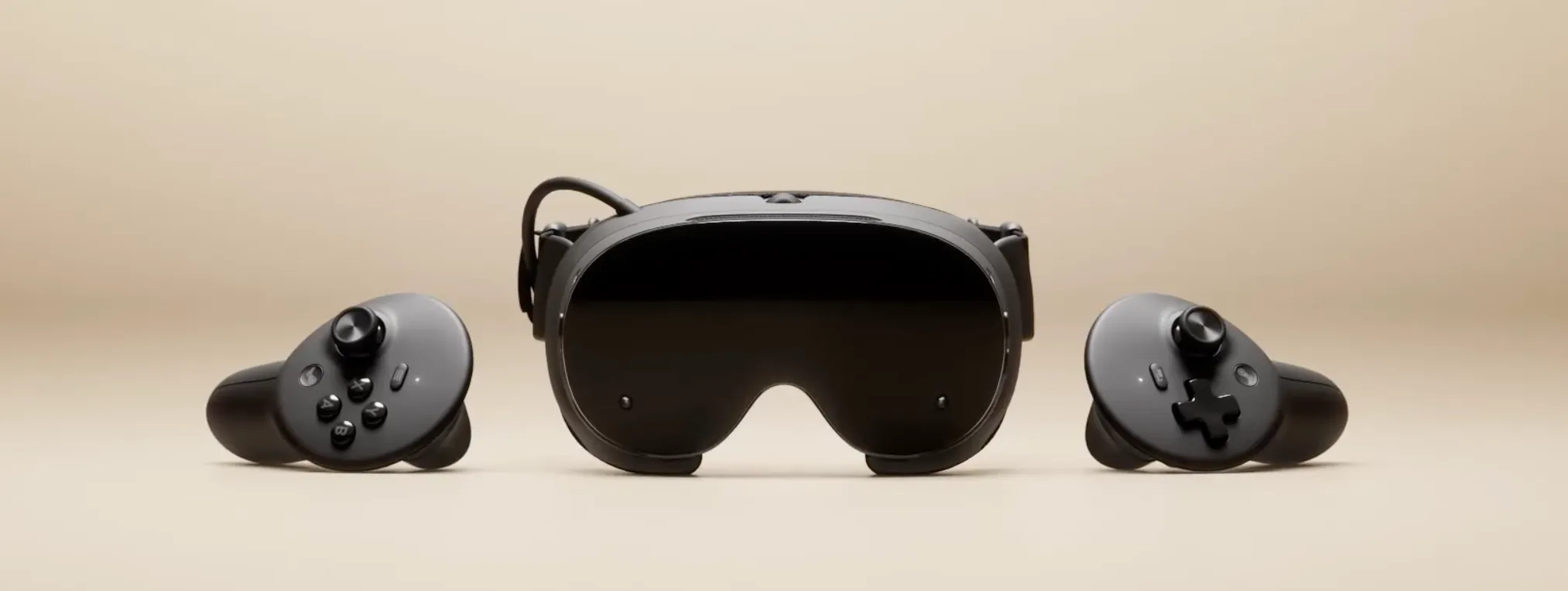
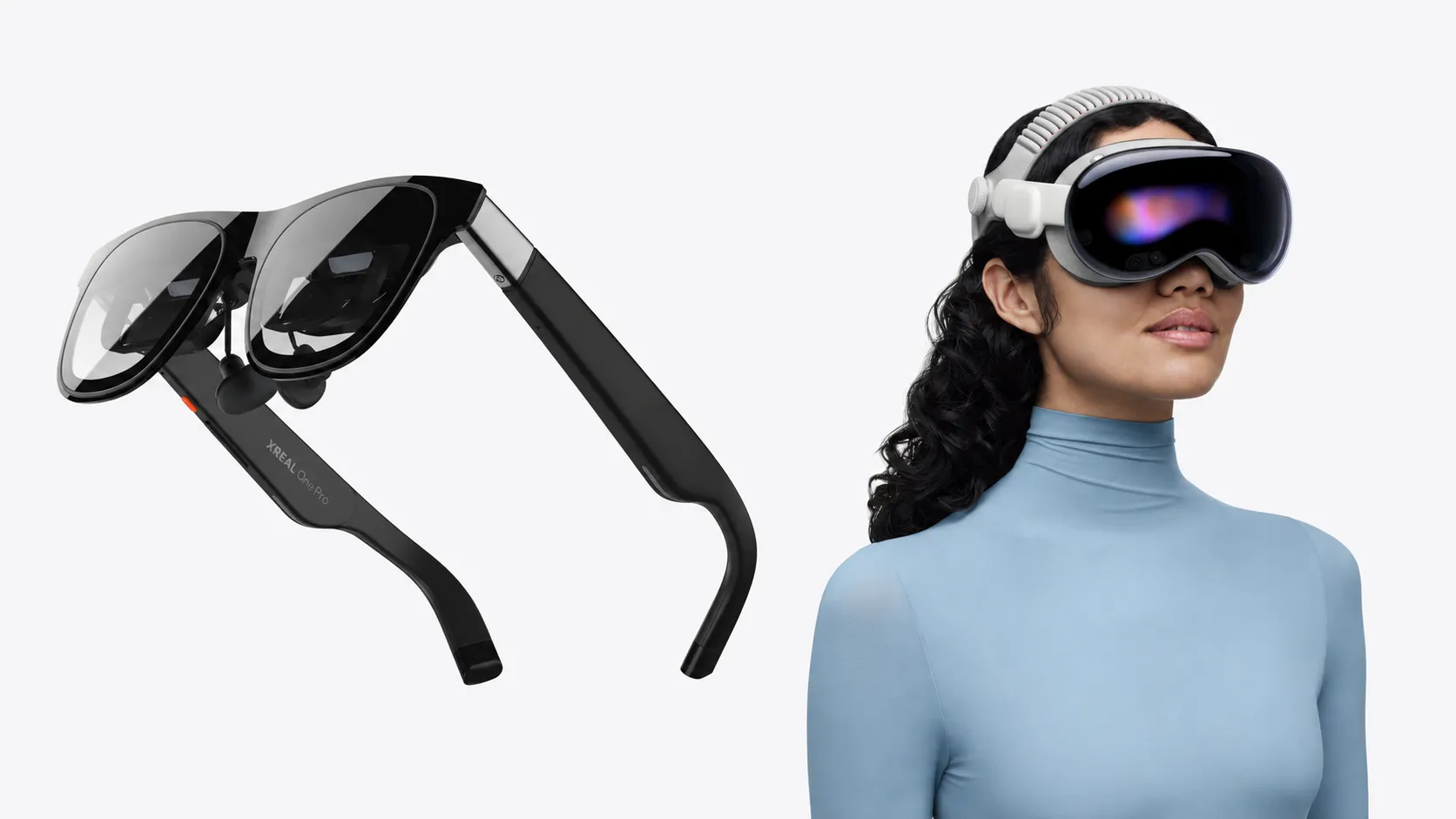
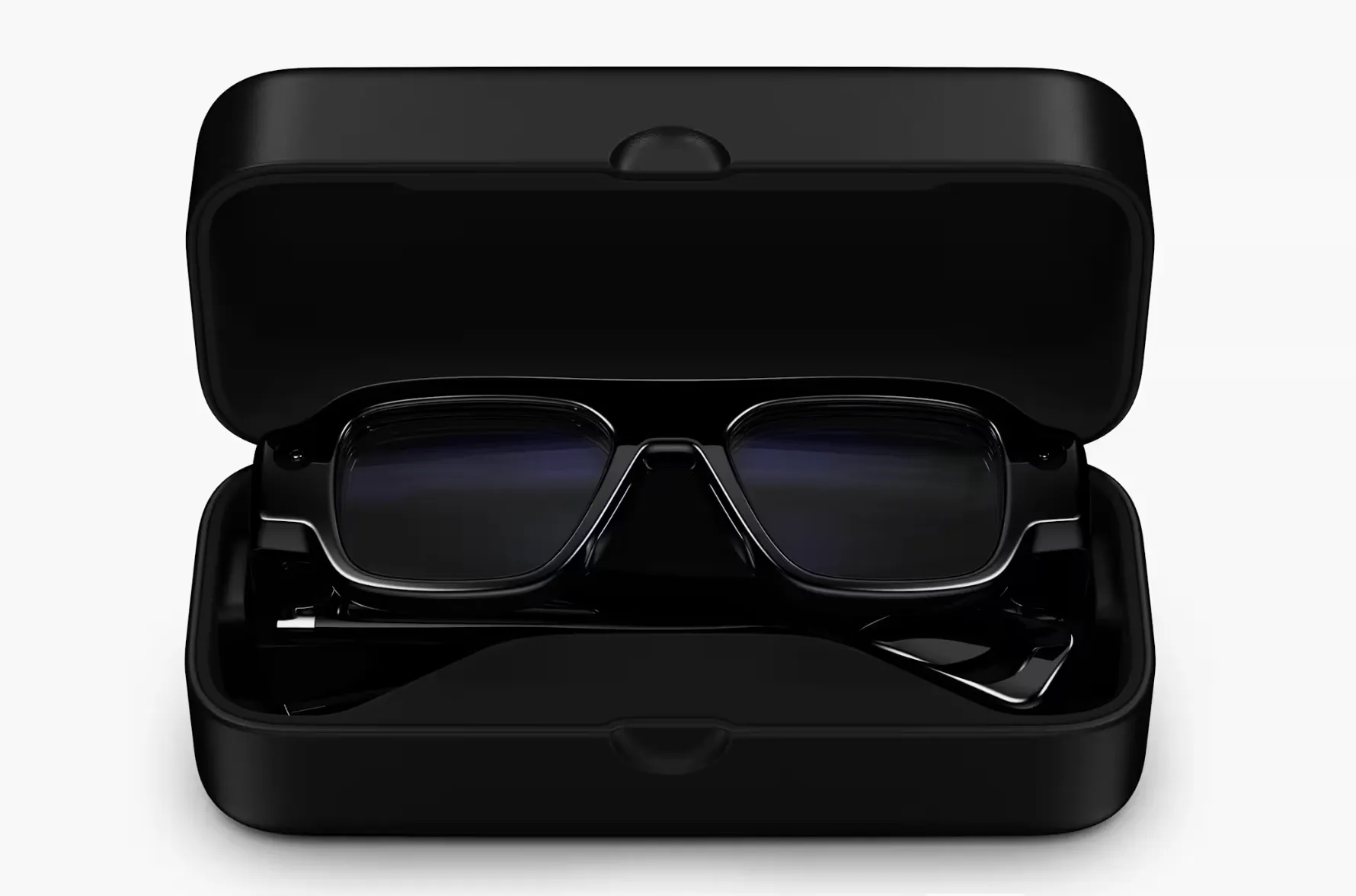
The departure lands at a specific inflection point. The Vision Pro failed to reach mainstream buyers, and Apple has shifted its wearables strategy toward more affordable, display-free smart glasses designed to compete with Meta's Ray-Bans, TechCrunch reported. Meade reportedly led hardware engineering for both products. At OpenAI, he joins a hardware group that already includes former Apple design executives but has not publicly disclosed what its first product looks like or when it will ship.
What Meade oversaw at Apple
Meade joined Apple in 2010 as an iPad program manager, moved to iPhone program management two years later, and joined the Vision Products Group in 2017, AppleInsider reported. In 2019, he took over all hardware engineering for the Vision Pro, then rose to lead the broader Vision Products Group after Mike Rockwell moved to Apple's Siri AI team, MacRumors reported. That put him in charge of the Vision Pro, the display-free smart glasses Apple is developing to compete with Meta Ray-Bans, and longer-horizon augmented reality glasses planned for later this decade, MacObserver reported.
The smart glasses product has no announced ship date. Apple has not disclosed its form factor, price point, or feature set publicly. What is known is that the product sits in a category moving fast: around 10 million AI-equipped glasses are currently shipping each year, with that figure potentially climbing to 100 million by this year or next, Axios reported, citing Qualcomm CEO Cristiano Amon. Apple is trying to enter that market with a product still in development, one whose hardware engineering lead just left the company.
Fletcher Rothkopf, who leads product design for Vision Pro and smart glasses, will take over many of Meade's responsibilities, MacRumors reported. How that transition affects an active, unshipped hardware program remains to be seen. Product design and hardware engineering execution are distinct disciplines, and consolidating both into one role during active development is the specific thing worth watching as Apple's smart-glasses timeline unfolds.
The reorganization behind Paul Meade leaving Apple for OpenAI
The timing is not incidental. Bloomberg's Mark Gurman frames Meade's exit as a direct consequence of Apple's ongoing executive restructuring under John Ternus, who is preparing to succeed Tim Cook as CEO, TechCrunch reported. Ternus's reorganization of the hardware engineering team left some vice presidents feeling effectively demoted, even without title changes.
Part of that shift: chip chief Johny Srouji is reportedly stepping into Ternus's current role as chief hardware officer, MacRumors reported. That inserts a new reporting layer between the incoming CEO and division vice presidents, compressing scope without changing titles. Senior executives tend not to stay long in that kind of arrangement.
Meade is not the first to go. In October 2025, Apple lost Ke Yang, head of its Apple Intelligence Answers and Knowledge team, to Meta. VP of Human Interface Design Alan Dye followed two months later, also to Meta, AppleInsider reported. Yang and Dye were a software executive and a design executive, respectively. Meade's role was in hardware engineering execution, on products Apple is actively building toward release. The category of loss is different.
The pattern across these departures points to the same underlying cause: a leadership transition reshaping authority faster than some executives are willing to wait out. Whether Apple can absorb those exits without disrupting product timelines depends on how much institutional knowledge transferred, and how much walked out with the people who left.
What OpenAI gets from the hire
OpenAI has assembled a credible roster of Apple alumni. Jony Ive, Tang Tan, and Evans Hankey are all now involved in the company's hardware effort, after OpenAI acquired their startup last year, MacRumors reported. Meade brings a background in hardware engineering execution to a team whose public profile has been built largely around design.
The gap between those two things is concrete. Earlier this year, OpenAI's chief global affairs officer Chris Lehane told Axios the company was on track to unveil its first device in the second half of 2026, but declined to specify the form factor, saying only he would have news to share "much later in the year." He called the second-half window the "most likely" timeline and added "we will see how things advance," stopping well short of committing to a sale date.
Reports cited by TechCrunch indicated the company had been struggling to define the product correctly last fall. Prototypes have reportedly involved small, screenless devices that may be wearable, but OpenAI has not said publicly whether the device will be a pin, an earpiece, or something else entirely, Axios reported. CEO Sam Altman has described it as more "peaceful" than a smartphone, something users will find surprisingly simple.
That framing is a vision statement. Getting from vision to a manufacturable product requires navigating component sourcing, tolerance decisions, and supply chain constraints at scale. That is exactly the ground Meade spent 15 years covering at Apple, from iPad and iPhone program management to leading all Vision Pro hardware engineering before taking charge of the Vision Products Group, AppleInsider reported. Whether he joins in time to shape a product reveal reportedly months away is an open question.
Qualcomm is already working with OpenAI on its device, though details remain thin. Cristiano Amon confirmed the relationship at Davos in January without elaborating on the product itself, saying "they will talk about their device," Axios reported. The supply chain conversation has started. How far it has progressed is unknown.
What remains unresolved
Three things are confirmed: Meade is leaving Apple for OpenAI, Rothkopf is expected to absorb many of his responsibilities at Apple, and OpenAI's first device is reportedly targeting a reveal in the second half of 2026 with no commitment to an actual sale date.
Everything else is contingent. Apple has not said when its smart glasses will ship, how they will be priced, or how the hardware engineering transition will be managed with Rothkopf taking on expanded responsibilities. OpenAI has not said what its device is, when it will be available, or whether the second-half reveal window will hold.
Two signals will clarify whether this move matters beyond the announcement. The first is Apple's smart-glasses timeline: if the product launches on schedule with the engineering quality Apple's wearables require, Rothkopf's expanded role will have proved sufficient. If the launch slips or surfaces unexpected hardware problems, the continuity gap becomes the explanation. The second is OpenAI's device reveal. If the company arrives with a defined form factor and a credible manufacturing path rather than continued deliberate vagueness, Meade's fingerprints will likely be visible in that specificity.
The underlying story is less about a single defection and more about what it reveals. OpenAI is now staffing a hardware team that can, in theory, close the distance between a beautifully designed AI device and one that actually ships. Whether it can execute fast enough to matter is the question 2026 will answer.


Comments
Be the first, drop a comment!