


ByteDance's ambitious push into the VR market is finally crossing the Pacific, potentially bringing its next headset to more markets through a global launch targeted for late 2026 after years of international success. This expansion represents more than just another headset launch—The arrival of Pico in the United States fundamentally alters the competitive landscape. The timing coincides with a comprehensive platform overhaul and new hardware that could reshape how we think about VR ecosystems and competition in mixed reality.
What makes Pico's US entry a game-changer for VR competition?
Here's the thing about VR competition in America—it's been pretty much a one-horse race for a while now. The arrival of Pico in the United States fundamentally alters the competitive landscape that Meta has largely controlled since the Quest's debut. But unlike other international VR brands that arrived with fanfare only to struggle with market penetration, Pico brings the backing of ByteDance's massive content ecosystem and that proven track record they've built capturing user engagement through TikTok.
What's particularly strategic is how Pico's approach diverges from Meta's gaming-first philosophy. Instead of positioning VR primarily as an entertainment console, Pico is betting on seamless integration between social media experiences and immersive VR environments. ByteDance already understands the mechanics of viral content and sustained user engagement—now they're translating that expertise into three-dimensional spaces where creators can build and monetize entirely new forms of interactive content.
This creates a fundamental shift we haven't seen before: VR as a social creation platform that happens to excel at gaming, rather than a gaming platform that accommodates social features as an afterthought. It's not just hardware competition—it's a completely different philosophy toward mainstream VR adoption.
The timing amplifies this opportunity significantly. With regulatory pressure mounting around Meta's market concentration, alternative platforms have a crucial window to establish themselves before potential market restructuring reshapes competitive dynamics. Sometimes the most effective market entry happens when the incumbent is managing multiple strategic challenges simultaneously.
How does the redesigned OS change the VR experience?
The new operating system represents Pico's most significant differentiation from existing VR platforms, incorporating ByteDance's expertise in algorithm-driven content discovery—that same "For You" feed logic that keeps people scrolling through TikTok far longer than intended.
Traditional VR interfaces rely on app-based navigation: open an application, complete a task, exit, repeat. Pico's redesigned approach emphasizes fluid ecosystem transitions and personalized content recommendations that adapt to behavioral patterns. Picture moving seamlessly from a VR fitness session to a virtual concert to a collaborative workspace, with the system intelligently curating experiences based on your schedule, previous activities, and even biometric feedback from how you're engaging with content.
The real innovation lies in cross-platform connectivity that addresses VR's persistent isolation problem. When you're immersed in virtual experiences, you're essentially disconnected from broader digital social networks. Pico's OS architecture enables real-time sharing of VR moments across traditional platforms, transforming individual VR sessions into socially connected experiences that extend beyond the headset.
Advanced hand and eye tracking technologies serve as primary input methods, eliminating the controller-dependency that makes current VR feel like operating complex machinery. The goal appears to be achieving smartphone-level intuitiveness—making spatial computing feel as natural as touch interfaces.
However, this integration raises significant privacy considerations that extend far beyond traditional social media concerns. VR biometric data—eye movement patterns, hand gestures, spatial behavior—creates unprecedented personal information profiles. How ByteDance handles this data collection, particularly given previous scrutiny around TikTok's data practices, will likely establish new regulatory frameworks for VR privacy standards across the industry.
PRO TIP: The success of this OS approach will depend heavily on user comfort with biometric data sharing in exchange for personalized experiences. Early adopters should pay close attention to privacy settings and data control options as the platform launches.
What hardware innovations set the new headset apart?
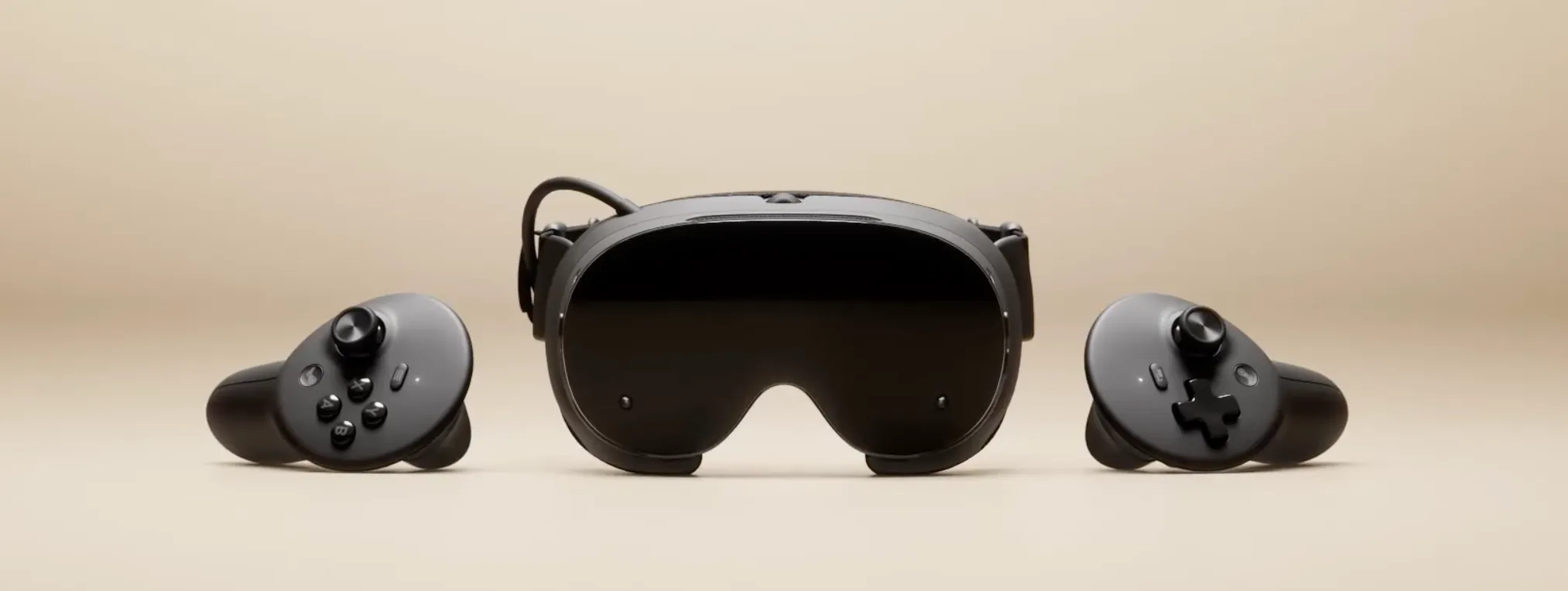
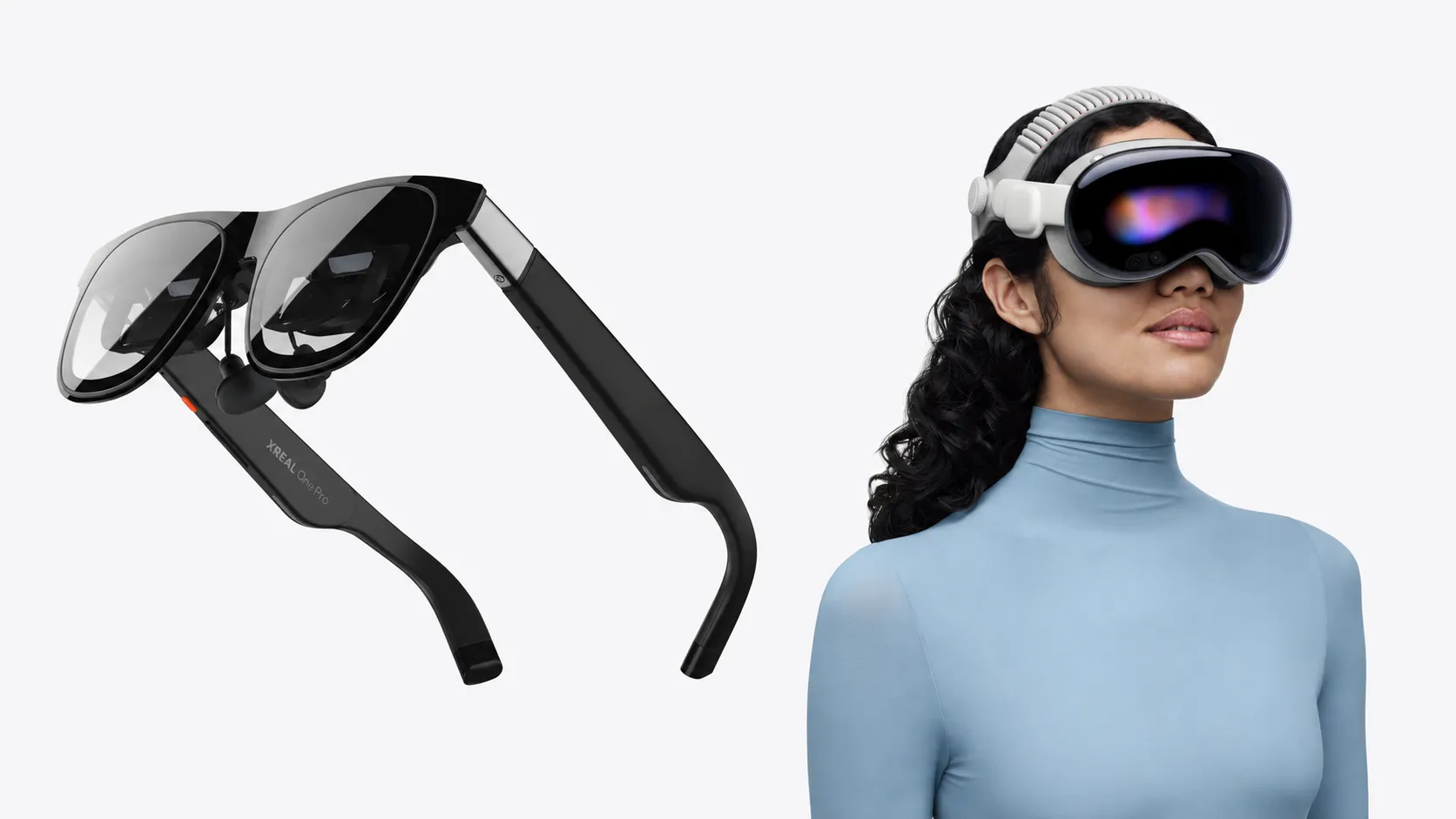
Pico's hardware engineering specifically targets the practical barriers that have limited VR adoption among mainstream consumers, starting with the fundamental comfort equation that determines whether people use VR regularly or let headsets collect dust.
The redesigned weight distribution system addresses the "diving helmet syndrome" that creates neck strain during extended sessions. Instead of front-loading components, the new architecture balances weight across the entire head mount, enabling comfortable usage periods that extend beyond the typical 20-30 minute sessions that characterize current VR adoption patterns.
Display improvements focus on achieving true photorealistic fidelity through higher pixel density and enhanced color accuracy. We're approaching the threshold where visual quality stops reminding users they're looking at screens—a crucial psychological barrier for widespread acceptance. The adaptive lens technology automatically adjusts to individual vision requirements, potentially eliminating the prescription insert complications that have created accessibility barriers for glasses wearers.
Battery innovation extends beyond simple capacity improvements. Fast-charging capabilities minimize downtime between sessions, while advanced thermal management prevents the overheating issues that degrade performance during intensive applications. These aren't just technical upgrades—they're solutions to specific user frustrations that have limited VR's practical utility.
The engineering represents a shift from prototype-level hardware toward consumer appliance reliability. Each improvement addresses documented adoption barriers rather than pursuing technical benchmarks that don't translate to user experience benefits.
Where does this leave the future of VR ecosystems?
Pico's US launch catalyzes a transition from Meta's quasi-monopolistic market structure toward genuine ecosystem diversity—a development that could accelerate innovation cycles across the entire industry as companies compete on fundamentally different user experience philosophies rather than incremental hardware specifications.
ByteDance's social-first approach will test whether consumers prefer VR integrated with existing digital social behaviors or the current gaming-and-productivity model. Early US adoption patterns will provide definitive data about mainstream preferences for VR content discovery and social connectivity, moving beyond industry assumptions about what consumers should want from immersive computing.
If Pico's social integration gains traction, expect rapid industry pivoting toward "VR as social platform" development rather than the current "VR as gaming console" positioning. This shift could fundamentally alter mixed reality development priorities across all major tech companies.
The broader implications extend into digital policy territory. A Chinese-owned company entering the US VR market raises complex questions about data sovereignty in immersive environments where biometric information, spatial behavior, and social interactions create comprehensive personal profiles. These considerations will likely influence emerging regulations around VR data governance and international technology transfer in spatial computing.
Regulatory frameworks for immersive computing are still being established, and Pico's navigation of US market requirements could set precedents for how global tech companies approach similar expansions. We're witnessing the early stages of what may become foundational discussions about digital sovereignty in mixed reality environments.
The VR market is evolving beyond single-company dominance toward competitive diversity that should benefit consumers through accelerated innovation and genuine choice between distinct ecosystem approaches. Competition typically drives faster progress than any individual company can achieve independently.



Comments
Be the first, drop a comment!