


Samsung Galaxy XR Blood Donation Campaign: What the Korea Pilot Reveals
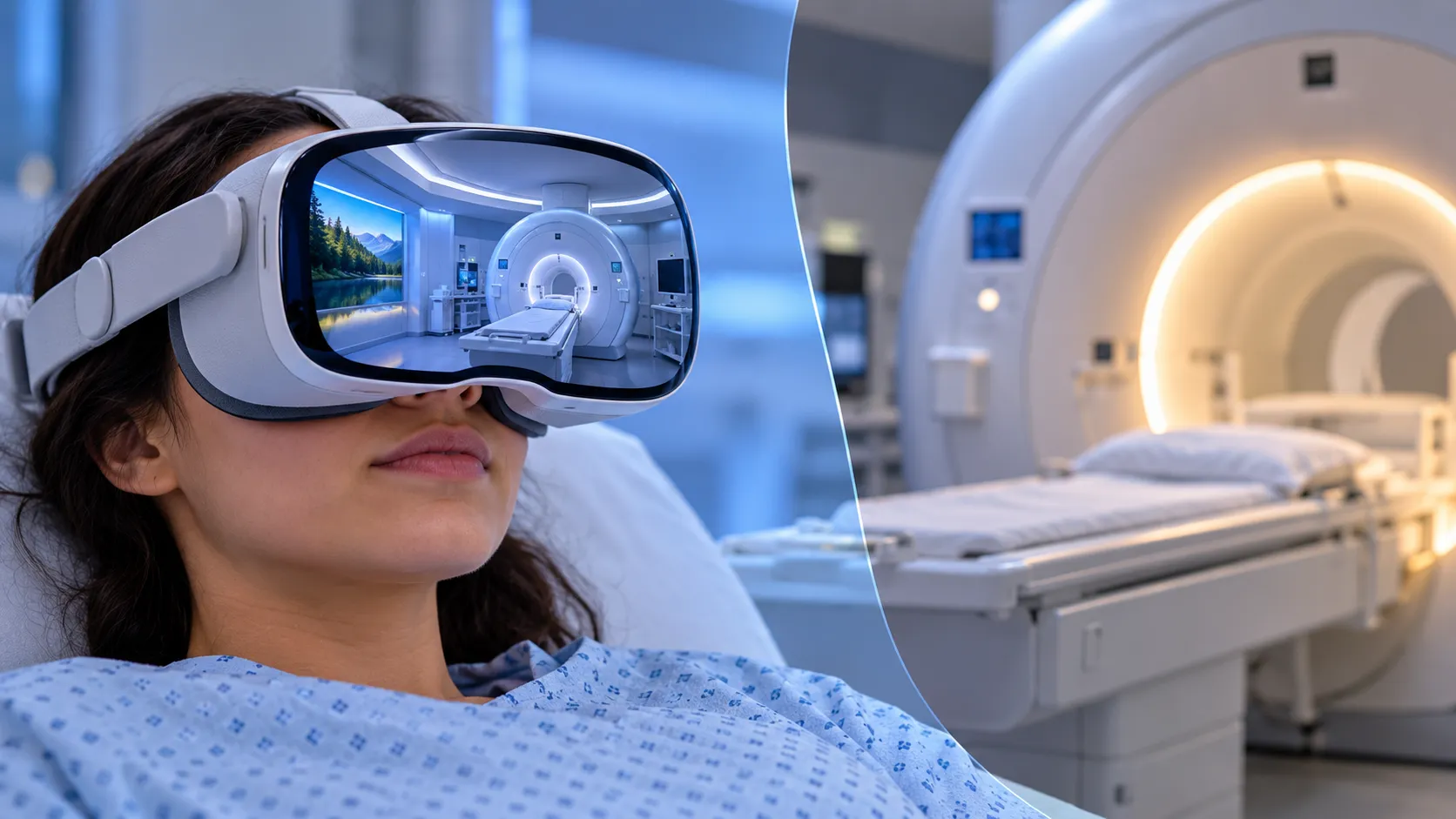
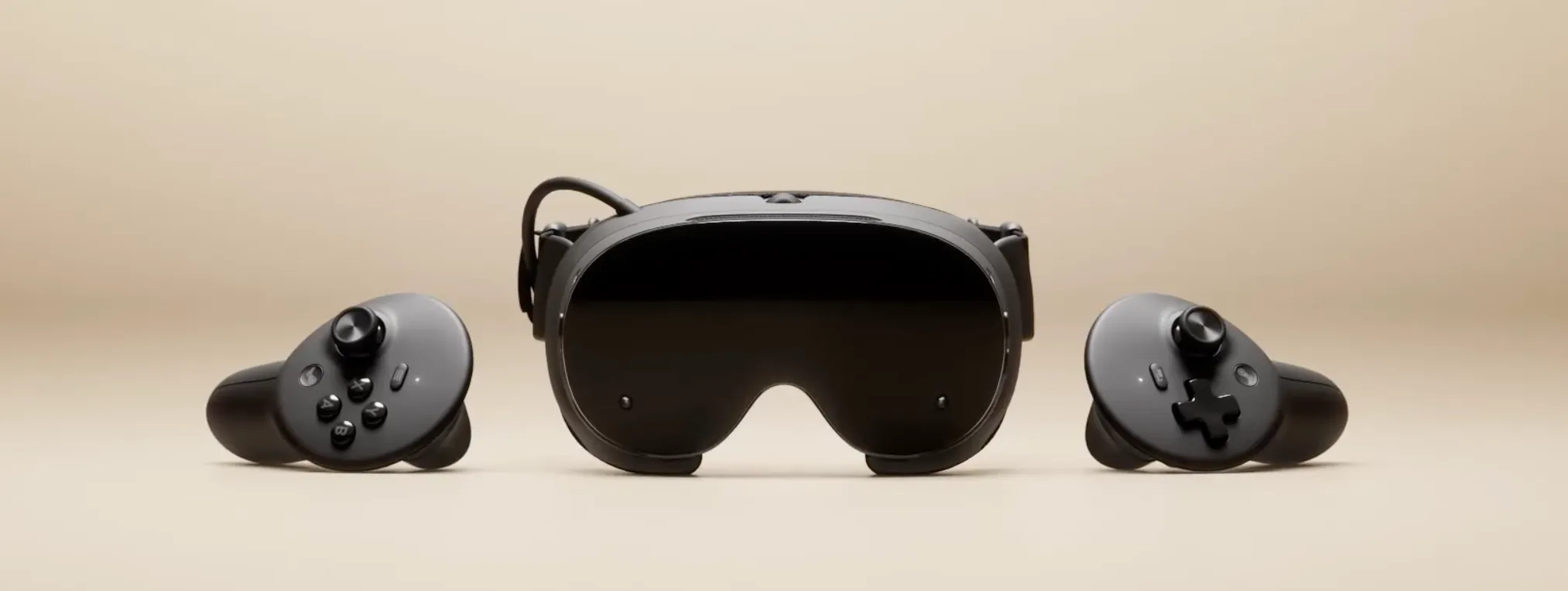
Samsung Electronics deployed Galaxy XR headsets at a blood donation event on its Suwon Digital City campus on June 2, marking the first time extended reality devices had been used at a blood donation site in South Korea. The campaign, run in partnership with the Korean Red Cross and global healthcare company Abbott, was timed ahead of World Blood Donor Day on June 14. Employees who felt anxious about donating were invited to wear the headsets during the draw, experiencing immersive content designed to ease their nerves, MK reported this week.
The event was structured as a limited pilot. Samsung conducted it only after reviewing safety concerns about dizziness that could occur while wearing an XR headset during donation, per MK. That caution signals the company has not yet validated this use case and the pilot's constrained design reflects that openly.
What makes the campaign worth watching is the underlying question it raises: whether Galaxy XR can function as shared institutional hardware, deployed by an organization, worn by many users in sequence, serving a specific procedural purpose. That is a different proposition than selling headsets to consumers, and Samsung appears to be testing it deliberately across multiple markets. The Korea event is part of an XR-based blood donation program already running in Mexico, Spain, and the UK. Expansion to additional countries is under discussion, MK reported this week.
Why the enterprise software foundation matters for this pilot
Two months before the Suwon event, Galaxy XR received a software update that added Android Enterprise support, the device management and security framework used across millions of commercial Android devices. Samsung's announcement in April named healthcare alongside training, manufacturing, and retail as target deployment sectors.
For a campaign that involves cycling many users through a single shared device over the course of an event, two specific capabilities from that update matter most. Samsung Knox device security and a commitment to software and security updates for up to five years came with the April release, per Samsung's newsroom. Remote device management and long-term update guarantees are more operationally relevant in that setting than display resolution. The April update also added single-eye tracking and customizable pointer controls, Samsung noted accessibility features that matter when device operators cannot assume every donor fits the same physical profile.
"Our vision for XR extends beyond hardware it's about building a secure, scalable ecosystem informed by our users," said James Choi, EVP and Head of XR R&D at Samsung Electronics, in the April announcement. The blood donation campaign is the first publicly reported instance of that stated direction being tested in the field.
A Samsung executive separately said the campaign would show how Galaxy XR can serve "not only for entertainment and work, but also as a platform that expands social value," MK reported this week. That framing points toward an institutional hardware market one where the device earns its place by doing a specific job in a specific context, not by being the best headset on spec sheets.
What Samsung's Galaxy XR blood donation campaign is trying to prove
The clinical rationale behind the campaign has genuine precedent, though not a perfect one. Smileyscope, a VR application developed to reduce pain for children undergoing blood draws or IV insertion, uses immersive virtual environments and music therapy as distraction techniques. It became the first VR device to receive an FDA Class II classification and has been cleared for patients as young as four, according to the Information Technology and Innovation Foundation. The principle that immersive visual content can interrupt pain and anxiety signaling during a needle procedure is not speculative.
The limits of that evidence matter, though. Smileyscope was validated in pediatric patients experiencing acute needle pain. Samsung's campaign involves adult donors in a workplace setting, using a consumer headset that was not designed for clinical deployment. The mechanisms may overlap; the populations, durations, and hardware differ. The Smileyscope data is an analog, not direct support for what Samsung is attempting.
One employee who donated at the Suwon event, Park Geun-woo of Samsung's Network Business Division, described the content as gaze-responsive environments shifted depending on where he looked and called it "interesting and refreshing," MK reported this week. That is a single account, not an outcome measure. It tells us the experience was tolerable and engaging. It says nothing about whether it reduced the anxiety that causes donors to withdraw, feel faint, or decline to return.
What outcome data would actually show
Samsung has not published any results from the Suwon event or from the programs running in Mexico, Spain, and the UK. There are no reported figures on self-reported anxiety levels, donation completion rates, repeat-donor intent, or adverse events such as vasovagal reactions. That last gap is not trivial: the headset weighs 545g with the forehead cushion, per Samsung's launch specifications, and whether wearing that load during a blood draw affects dizziness rates in either direction is an open question.
For any blood service, clinic, or employer considering this approach, the practical bar is specific: measurable reductions in donor-reported anxiety, completion and return-rate comparisons against a control group, a clear sanitization and device-turnover protocol for shared hardware, and evidence that adverse-event rates are not elevated compared to standard donation. None of those requirements are addressed in Samsung's current campaign materials.
Abbott and Red Cross organizations have run blood donation campaigns across roughly 30 countries since 2016, MK reported. That operational infrastructure gives Samsung access to the volume and geographic breadth needed to generate credible outcomes data but only if Samsung chooses to collect and publish it. The multi-country scope makes that possible. Nothing in the current materials indicates it is planned.
What comes next
The Korea campaign is a structurally credible early test. Samsung has an enterprise software foundation built for shared deployment, an established global donation network to generate scale, and a plausible clinical rationale. That combination is worth taking seriously but it does not yet constitute evidence that blood services can act on.
The more telling question is what Samsung does after the pilot. If the company publishes outcomes data from the multi-country program anxiety scores, completion rates, adverse events it will signal that it is treating healthcare as a serious platform market, not a backdrop for favorable press. If it doesn't, the campaign will have demonstrated the headset in a sympathetic context without any accountability to results. That choice, more than the enterprise update or the Red Cross partnership, will define what Galaxy XR actually is outside the living room.


Comments
Be the first, drop a comment!