


Samsung officially announced its smart glasses during their Q4 2025 earnings call, and here's what makes this different from typical tech promises—Samsung's EVP of Mobile Experiences Seong Cho made it crystal clear that these glasses are moving into what he called the "execution phase," targeting rich, immersive multimodal AI experiences through various form factors.
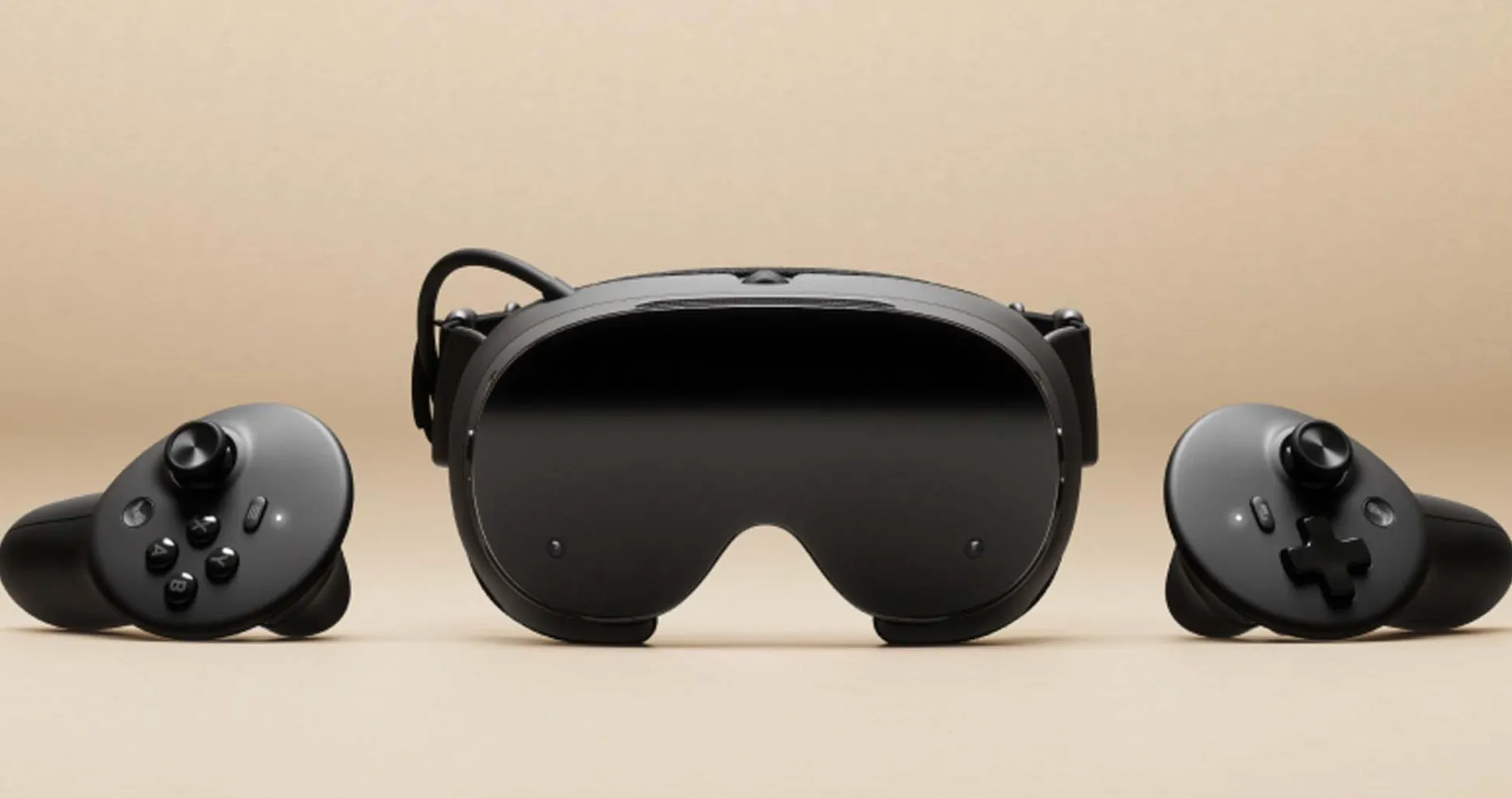
What makes this announcement particularly compelling is Samsung's strategic partnership with Google on the Android XR platform, positioning these glasses as the lightweight counterpart to their recently launched Galaxy XR headset (limited rollout) . This isn't Samsung going it alone—they're building on a platform designed to span everything from heavy headsets to everyday eyewear across multiple manufacturers, creating the ecosystem foundation that could finally make smart glasses feel mainstream.
What's under the hood: Qualcomm's AR1 platform powers everyday wearability
The technical foundation of Samsung's smart glasses centers around Qualcomm's specialized AR1 platform, which represents a significant departure from traditional headset silicon. Here's what's particularly interesting about this approach—Samsung isn't trying to cram headset technology into glasses form factor. The AR1 series is purpose-built for all-day wearable glasses that prioritize battery efficiency and thermal management over raw computing power.
Samsung will likely leverage either the current AR1 Gen 1 or the more advanced AR1+ Gen 1 that Qualcomm unveiled at AWE 2025. The AR1+ Gen 1 variant represents a significant technological leap—we're talking about a 28% size reduction while enabling on-device AI processing of Meta's Llama 3.2 model without requiring phone or cloud connectivity.
This specialized approach enables capabilities that weren't possible with previous smart glasses architectures. Instead of constantly tethering to your phone for AI processing, Samsung's glasses could handle contextual AI interactions locally. Think real-time language translation, visual recognition, or voice assistant responses that don't depend on cellular connectivity. The implications for privacy, battery life, and response times are significant.
Design philosophy: Making smart glasses disappear into daily life
Samsung's design philosophy centers on a simple principle: smart glasses need to feel normal first and smart second. Based on leaked specifications, the glasses may weigh as little as 50 grams, making them comfortable for full workday use—lighter than most prescription glasses.
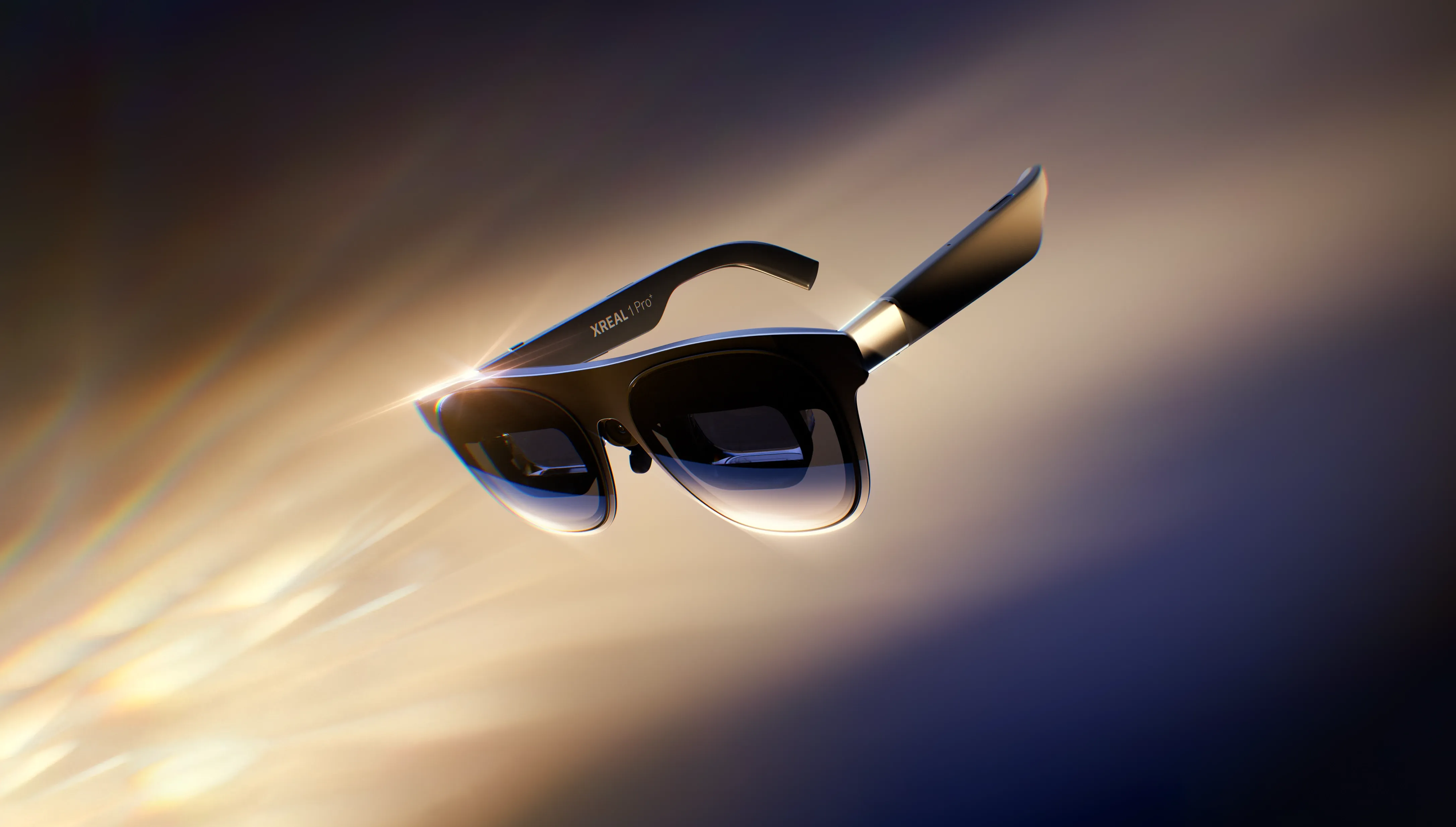
The leaked model SM-O200P showcases thoughtful design choices that address real-world usage scenarios. The transition lenses automatically adjust their tint based on ambient light, which means these glasses function as regular eyewear when you're not actively using smart features. No more looking like you're wearing a tech prototype during meetings or social situations.
From a technical perspective, early specifications point to practical choices optimized for daily wear. The 12MP camera with autofocus capabilities, gesture-based controls, and a compact 155mAh battery suggest Samsung prioritized extended battery life over flashy features. The glasses will connect via Wi-Fi and Bluetooth rather than including cellular connectivity, keeping weight and power consumption minimal while maintaining essential smart functionality through smartphone pairing.
What sets Samsung's approach apart is their focus on seamless integration with existing routines. These aren't glasses you put on for specific tasks—they're designed to replace regular glasses or sunglasses while adding AI capabilities that enhance rather than interrupt your daily workflow.
Android XR integration: Building an ecosystem advantage
Samsung's smart glasses strategy represents more than just hardware development—they're positioned as the entry point to Google's broader Android XR ecosystem that spans multiple device categories. This platform supports everything from heavy headsets to lightweight AI-only frames across multiple manufacturers, creating unified development and user experiences.
The ecosystem advantage becomes clear when you consider the network effects. Samsung won't be building consumer familiarity alone—other Android XR manufacturers will help establish market demand and developer interest simultaneously. This creates a rising tide that benefits all participants, similar to how Android's smartphone ecosystem challenged iOS through collective market presence.
The glasses will feature deep integration with Google's Gemini AI assistant, enabling sophisticated voice interactions and contextual assistance that understands your environment and daily patterns. But Samsung's ecosystem play extends beyond Google's platform through strategic fashion partnerships.
Samsung has announced collaborations with fashion-forward eyewear brands Gentle Monster and Warby Parker, indicating they understand that smart glasses success depends as much on style and social acceptance as technological capability. These partnerships suggest Samsung's glasses will launch with multiple style options designed to appeal to different fashion sensibilities and face shapes.
The Android XR integration also means seamless connectivity with Samsung's broader Galaxy ecosystem. Users can expect their smart glasses to work naturally with Galaxy phones, watches, earbuds, and other connected devices, creating persistent AI assistance across their entire technology suite.
Looking ahead: Platform competition heats up in 2026
Samsung's entry into smart glasses signals the beginning of a genuine platform war between Android XR and Meta's ecosystem. While Meta has established early market dominance with their Ray-Ban collaboration, Samsung brings manufacturing scale, competitive pricing, and Google's AI capabilities that could reshape the entire category.
The timing creates interesting competitive dynamics. Samsung's VP of Mobile Product Management has indicated these glasses are "nearing the execution phase", suggesting concrete demonstrations and availability details will arrive soon rather than distant roadmap promises. This positions Samsung to address current market pain points with their initial release while Meta continues iterating on their existing platform.
Looking toward future generations, Samsung is simultaneously developing advanced LEDoS microdisplay technology. The company is targeting commercial production for 2027 when their second-generation AR glasses with full displays are expected to launch. This creates a two-phase strategy where first-generation glasses compete directly with current Meta offerings, while second-generation devices will challenge Apple's rumored AR glasses expected around the same timeframe.
The broader market implications extend beyond just Samsung versus Meta. Multiple manufacturers are preparing Android XR devices for 2026, which means consumers will benefit from increased competition, faster innovation cycles, and more refined value propositions across different price points and use cases.
What makes this particularly compelling for the industry is how ecosystem competition typically drives rapid feature development and market expansion. Both Android XR and Meta will need to demonstrate clear value propositions to attract developer investment and consumer adoption, accelerating the entire smart glasses category.
The bigger picture: Smart glasses reach mainstream readiness
Samsung's smart glasses announcement represents the convergence of several factors that suggest 2026 could be the inflection point for mainstream smart glasses adoption. Unlike previous attempts at smart eyewear that felt experimental, Samsung is entering a market where Meta has already proven consumer demand and established practical use cases.
The combination of Samsung's manufacturing expertise, Google's AI platform development, and Qualcomm's purpose-built silicon creates the technical foundation for truly consumer-ready devices. But what makes this moment different is the shift from "will smart glasses work?" to "which smart glasses platform will I choose?"—indicating genuine market maturation.
The competitive pressure between Android XR and Meta ecosystems means faster innovation timelines, better features at competitive price points, and broader consumer confidence that smart glasses are mainstream-ready. When you have Samsung's manufacturing muscle, Google's AI capabilities, fashion partnerships, and competitive pricing creating serious competition for Meta's established position, that rivalry benefits everyone.
Samsung's glasses also benefit from extensive Android ecosystem integration. For users already invested in Galaxy phones, tablets, watches, and other connected devices, Samsung's glasses provide compelling reasons to stay within their existing technology environment while adding ambient AI capabilities.
The stage is set for 2026 to mark the transition from smart glasses as niche gadgets to mainstream computing platforms. Samsung's entry, backed by Google's platform development and multiple manufacturer participation, could provide the catalyst that makes wearable AI feel inevitable rather than experimental. We're moving from early adopter curiosity to practical mainstream utility—and that shift represents the maturation of an entirely new computing category.




Comments
Be the first, drop a comment!