


Samsung Smart Glasses Leak: Conventional Frames, No Display
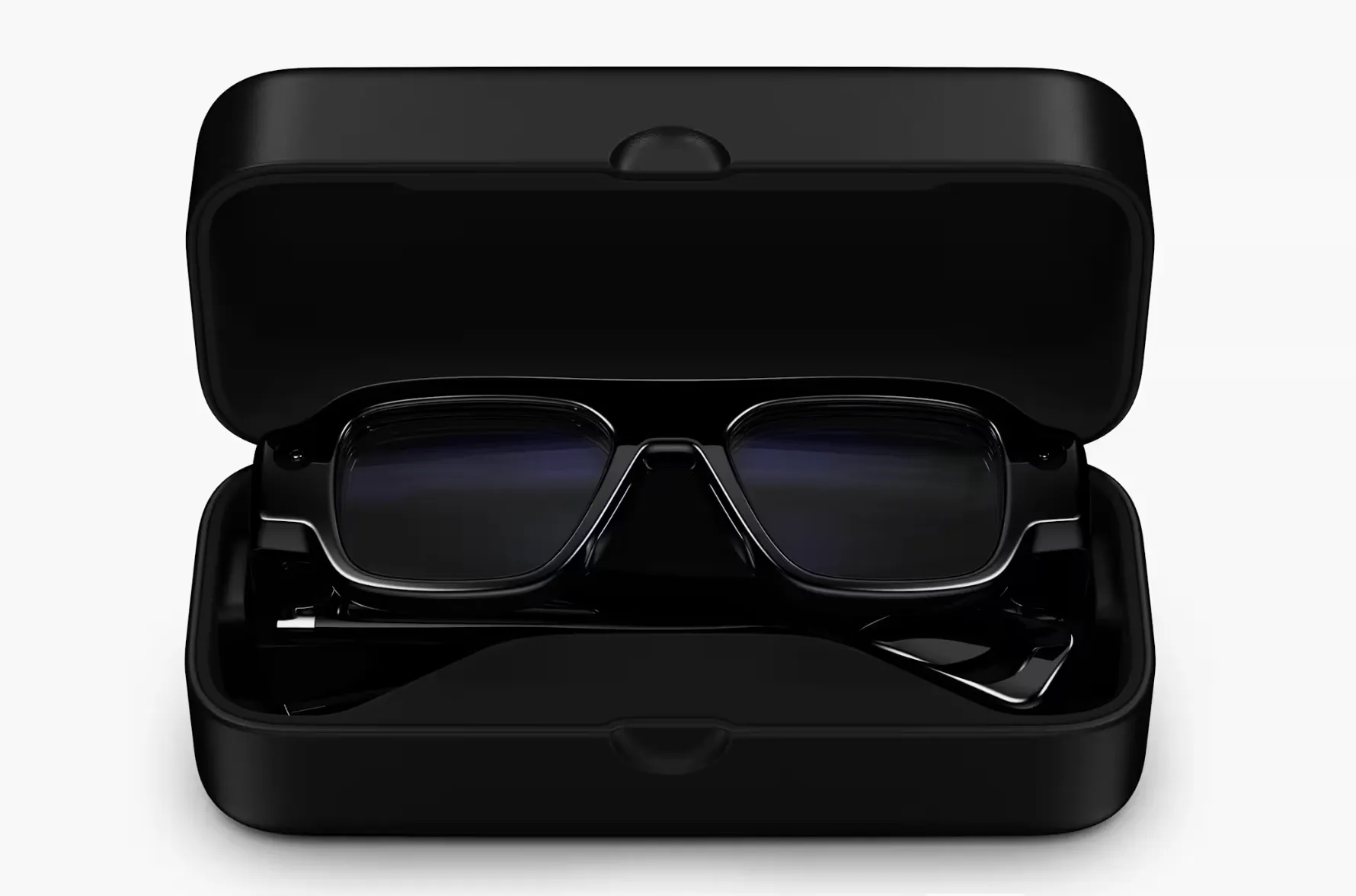
Leaked renders of Samsung's upcoming smart glasses show a device built to read as ordinary eyewear: slim conventional frames, no visible display, and what appears to be a camera integrated into the frame rather than bolted onto it. SamMobile and 91Mobiles both covered the images. Samsung has not confirmed the product exists.
What the renders show
The frame profile is the first thing worth noting. No protruding camera housings, no temple bulk that would identify the hardware as electronics to someone passing by on the street, per SamMobile's coverage. The device, based on the available images, would pass as standard eyewear at a distance.
At least one forward-facing camera appears present in the imagery, according to 91Mobiles. Temple thickness appears consistent with open-ear audio integration, though Samsung has confirmed neither the camera nor the speaker placement.
No display element appears anywhere in the renders. 91Mobiles noted the display-free configuration as a defining characteristic of what the images show. The combination of what appears to be camera hardware and apparent audio integration, with no visible display, points toward ambient capture and hands-free information access rather than any augmented reality overlay. That said, the renders show a physical design direction. Intended function is not confirmed.
SamMobile drew a direct visual comparison to the Ray-Ban Meta smart glasses in its coverage, noting the similar frame profile and design approach. Samsung has made no public response to that comparison.
What the reporting covered and where it stopped
SamMobile and 91Mobiles both treated the renders as credible leak material. Neither publication indicated Samsung provided the images directly. Neither has reported confirmed specifications, software features, pricing, or a launch date tied to this hardware.
SamMobile has also reported that Samsung is expected to reveal new wearable hardware at an upcoming Galaxy Unpacked event. Whether smart glasses are part of that disclosure is unconfirmed.
The renders alone establish one thing cleanly: a design direction. Everything else, what the device does, what it costs, whether it ships, sits outside what the images can answer.
Why the display question matters
The absence of a display is worth unpacking, because it reflects a pattern the smart eyewear category has run into repeatedly.
Earlier devices that paired cameras with integrated displays ran into overlapping engineering constraints. Optical components concentrate weight near the nose bridge. A continuously active display draws battery power that slim temple arms cannot easily accommodate. Consumer-priced waveguide optics have not solved the field-of-view problem at dimensions that feel like glasses rather than goggles. The constraints are not independent; they compound. A heavier device needs a bigger battery, which makes it heavier still.
North's Focals, a display-equipped smart glasses product that Google acquired in 2020, attempted to navigate those tradeoffs at a consumer price point. The product did not continue under Google. Google Glass, which predated it by several years, encountered similar friction in daily wear contexts. The pattern across both is that display integration at glasses scale creates a set of engineering problems that no shipping consumer product has yet cleared at a price point or comfort level that drove mainstream adoption.
A display-free design does not carry those constraints. Whether Samsung's apparent choice reflects a considered long-term position on the category, a first-generation tradeoff, or simply a practical limit on what the hardware can do at a given frame size, the renders do not say.
What is not confirmed
Several questions sit entirely outside what the images address, and they are not minor gaps.
Battery life is unresolved. A device running camera hardware and audio draws meaningfully more power than passive eyewear, and the dimensions of the frame set a hard ceiling on battery capacity. How Samsung manages that tradeoff, and what the real-world usage window looks like, has not been addressed in anything published.
Camera activity indication is unresolved. The renders show no visible indicator light. Whether a physical indicator exists, and how Samsung would signal to the wearer, and to people nearby, that a camera is active, has not been addressed in the reporting.
Pricing, retail partners, and target markets are all unconfirmed. Software features are unconfirmed. Launch timing is unconfirmed. The renders establish what the hardware may look like. They say nothing about what the product does, what it costs, or whether it ships.
Leaked renders have preceded confirmed product announcements. They have also preceded projects that were quietly cancelled or significantly redesigned before any public launch. Nothing in the reporting to date indicates which outcome applies to this hardware.
The comparison SamMobile drew
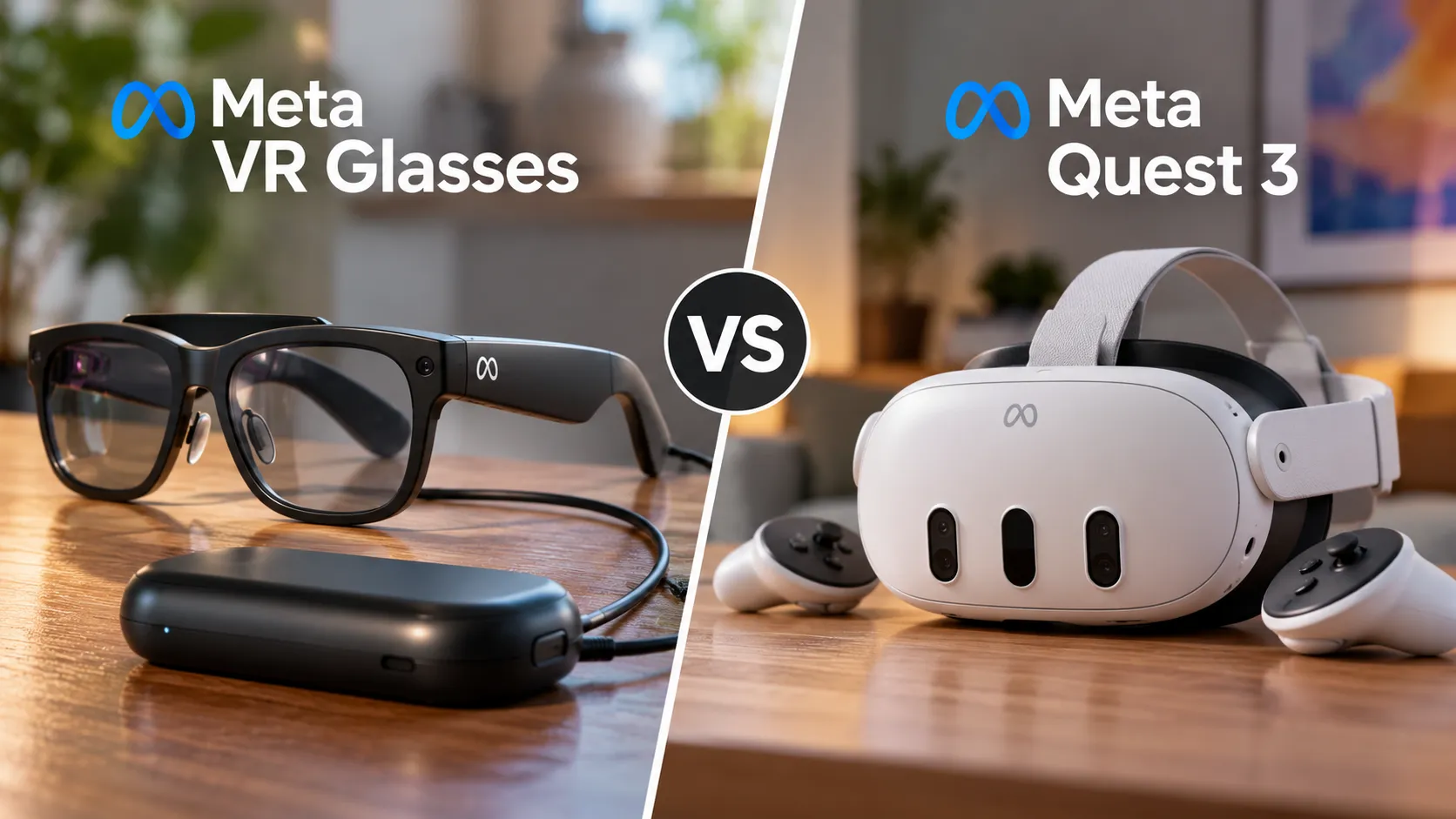
The Ray-Ban Meta comparison in SamMobile's coverage is worth taking seriously as a design observation, even without confirmed specs. The Meta Ray-Ban smart glasses represent the most visible reference point in the display-free smart glasses category right now. A camera-forward, audio-equipped, display-free frame is what that product looks like. The fact that Samsung's renders share that profile is the comparison's entire point.
What the comparison does not establish is competitive intent, feature parity, or anything about how Samsung's version would function or where it would be positioned. Visual similarity in a leak render is a starting point for observation, not a product claim.
What to watch for next
The only signal that resolves the open questions is an official Samsung announcement. SamMobile's reporting identifies an upcoming Galaxy Unpacked event as the likely window, if this product is on track.
If Samsung does announce smart glasses, two things will indicate how seriously the company is backing the product. The first is distribution scope: a broad retail rollout through optical and consumer electronics partners reads differently than a quiet launch positioned as a peripheral accessory. The second is what the software actually does at launch, and whether the features work as described from day one or arrive in an early state and improve across subsequent hardware generations.
The renders establish that Samsung has a design that could plausibly reach consumers. What they cannot show is whether there is a finished product behind it, or when, or at what price.


Comments
Be the first, drop a comment!