


VR Stroke Rehabilitation for Arm and Hand Function: Kinect vs. Headsets
A network meta-analysis published earlier this year found that a decade-old motion-tracking camera outperformed expensive VR headsets on the primary clinical measure of upper-limb motor recovery after stroke. Immersive headset-based VR, by contrast, failed to reach statistical significance on the same outcome and offered no clear advantage over conventional therapy.
That finding comes from the largest head-to-head comparison of VR modalities to date, covering 34 randomized controlled trials and 1,704 participants. A separate question runs alongside it: does pairing any VR system with noninvasive brain stimulation push the results further? Two additional systematic reviews, one from late 2022 and one from late 2024, address that question with encouraging but complicated findings. The evidence splits cleanly on modality choice. On adjunct stimulation, it gets murkier.
VR for upper limb recovery after stroke: which systems performed best
Microsoft Kinect posted the largest gain on the Fugl-Meyer Upper Extremity (FMA-UE) scale among all tested interventions in the 34-trial analysis, with a mean difference of 7.27 points (95% CI: 0.59–13.77). Nintendo Wii followed at 4.53 points (95% CI: 0.87–8.14), and non-immersive VR software platforms came in at 3.57 points (95% CI: 1.18–6.01), according to the April 2025 review. All three reached statistical significance. Conventional therapy ranked last among every intervention tested.
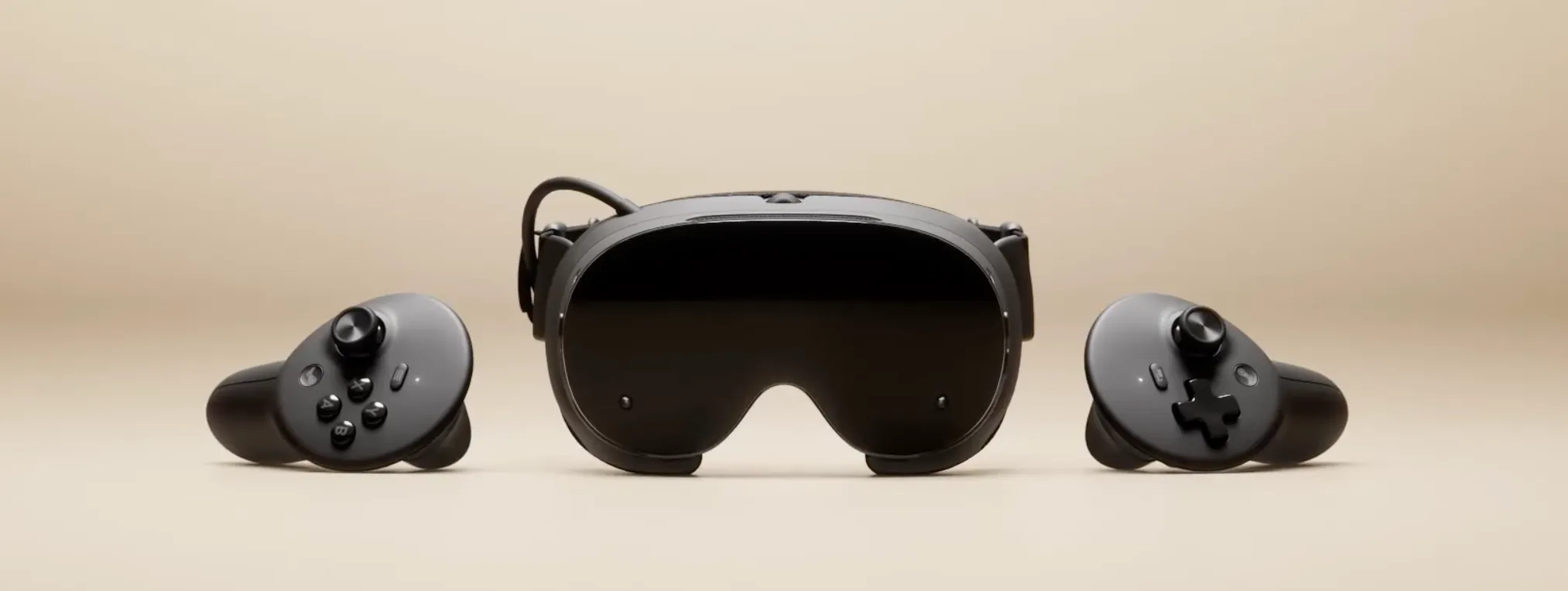
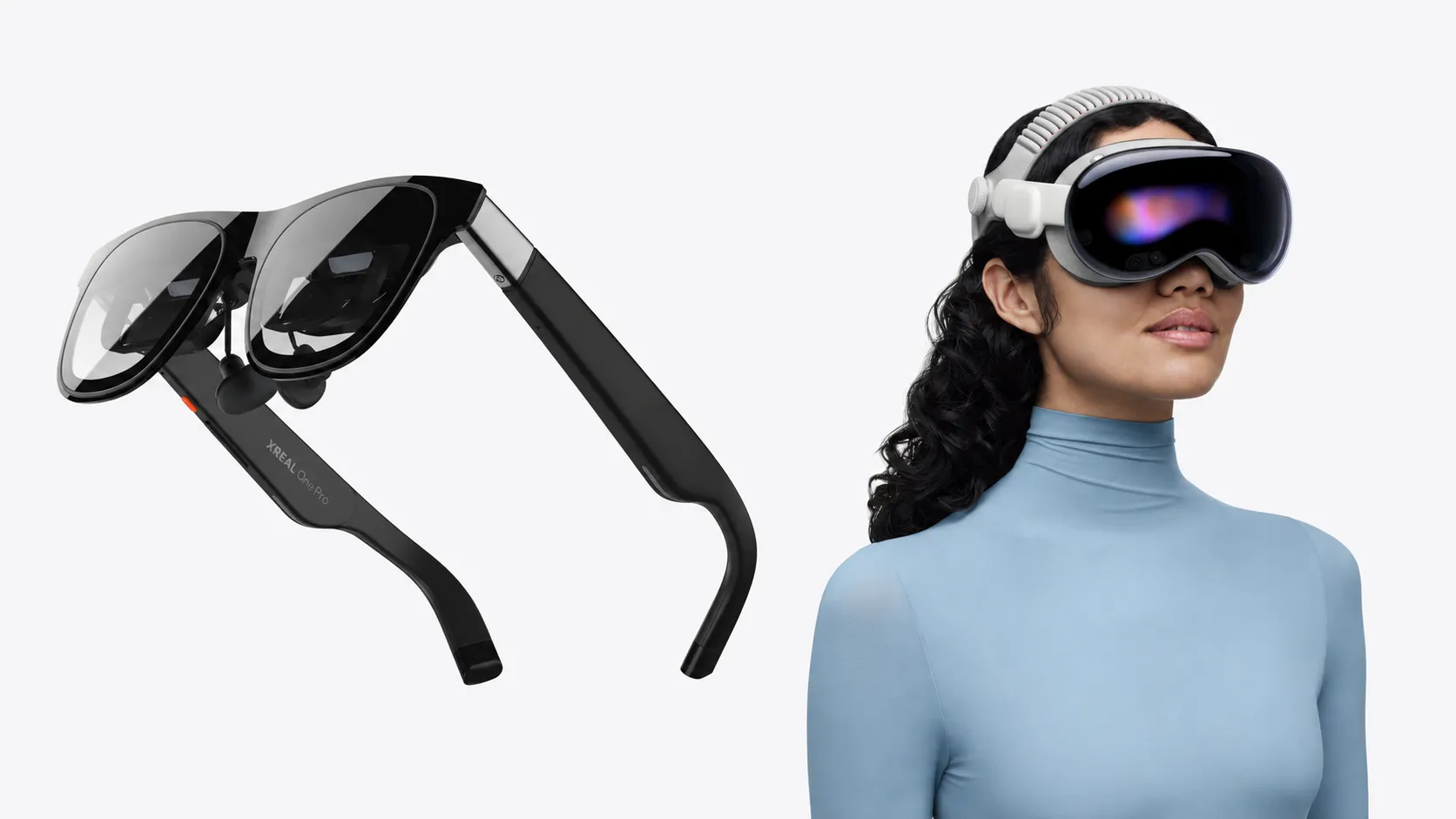
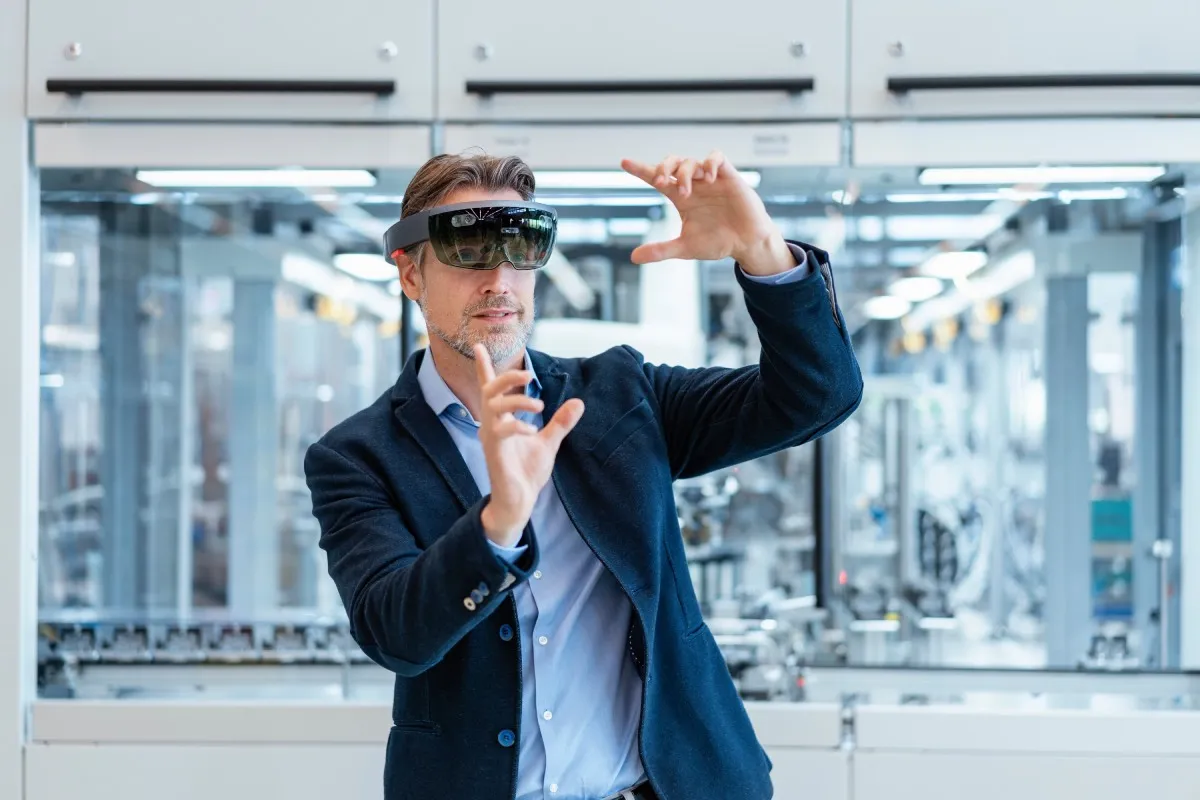
Immersive VR delivered via head-mounted devices produced a mean difference of 4.16 points (95% CI: −0.02 to 8.38), a result that did not reach statistical significance, the same review found. The review's authors concluded that immersive headset devices offered no significant advantages over conventional therapy.
The FMA-UE scale runs from 0 to 66 points, rating arm and hand motor function after stroke. That Kinect sits at the top of the ranking with a statistically significant result while headset-based VR does not clear the significance threshold is the central finding the modality debate now has to contend with.
The review's authors suggested that camera-based systems may represent a more cost-effective and accessible option for stroke rehabilitation programs, framing this as a practical inference from the hardware gap rather than a formal cost-effectiveness analysis. That inference is consistent with the comparative data: the system with the strongest clinical result also happens to be the cheaper and simpler one.
What appears to drive that result is not the gaming interface itself. Camera-based systems like the Kinect demand full-range active arm movement from the patient; headset-based systems prioritize immersive environments. The mechanism, in other words, matters more than the spectacle.
Whether adding brain stimulation changes the picture
The modality question asks which VR system works best on its own. A different line of research asks whether any VR approach becomes meaningfully more effective when paired with noninvasive brain stimulation (NIBS), a category that includes transcranial direct current stimulation (tDCS), transcranial magnetic stimulation, and related techniques that apply electrical currents or magnetic pulses to the scalp to modulate neural excitability.
A meta-analysis published in late 2024 covered 11 studies and 493 participants and compared VR combined with NIBS against control conditions. The combined approach produced an FMA-UE standardized mean difference of 0.85 (95% CI: 0.40–1.31, p = 0.017). The same analysis found significant reductions in muscle spasticity via the Modified Ashworth Scale (SMD: −0.51, 95% CI: −0.83 to −0.20) and improved timed performance on real-world arm tasks measured by the Wolf Motor Function Test (SMD: 0.36, 95% CI: 0.08–0.64).
The daily independence result is the one that stands out. Functional independence, measured by the Modified Barthel Index, which scores ability to perform activities like dressing, eating, and bathing, improved with an effect size of SMD 0.97 (95% CI: 0.76–1.17, p = 0.004), the same analysis found. That is among the strongest effect sizes reported across any outcome in the review, and it measures something patients and families care about more directly than a clinical scale.
One structural caveat matters here. This review compares VR combined with NIBS against control conditions. It is not measuring how much stimulation adds on top of VR. That is a different question, and a narrower analysis addressed it separately.
What the tDCS-specific evidence shows, and where the gaps remain
When researchers narrowed the focus to tDCS specifically, the most widely studied individual form of NIBS, and compared tDCS combined with VR against VR alone, the results were more equivocal. Across four RCTs with 120 stroke patients, neither the Fugl-Meyer scale (SMD: 0.51, 95% CI: −0.04 to 1.06, p = 0.07) nor the Box and Block Test (SMD: 0.42, 95% CI: −0.02 to 0.86, p = 0.06) showed statistically significant improvement in favor of the combined approach, according to the 2022 review. The authors noted a trend toward significance in both measures, but neither crossed the threshold.
The Barthel Index result broke the pattern. Patients receiving tDCS plus VR showed significantly better functional independence scores than those receiving VR alone (SMD: 0.49, 95% CI: 0.04–0.94, p = 0.03), the same review found. Motor impairment scores stayed ambiguous; daily functioning improved. That pattern tracks directly with what the broader 2024 NIBS analysis found.
The two reviews are not in direct conflict. They answer different questions with different comparators. The 2024 review shows VR plus NIBS outperforms a control baseline; the 2022 review asks whether tDCS specifically adds value when VR is already the treatment. With only 120 patients across four trials, the tDCS analysis lacks the statistical power to be conclusive in either direction. The 2022 review also explicitly flagged that the optimal timing for tDCS during stroke recovery, whether to stimulate before, during, or after VR sessions and at what stage of recovery, has not been established. That constraint limits how far the existing trials can be pushed.
The Barthel Index result has now appeared independently in both reviews, across different comparators and different patient pools. That convergence is what the 2022 review's authors identified as the most consistent finding across the combined-treatment literature: daily-life functioning may respond to combined treatment even when clinical impairment metrics remain statistically flat.
What the evidence means for clinicians, programs, and the VR sector
The modality findings are the most immediately actionable. Movement-demanding, non-immersive systems have the strongest track record in the largest comparative analysis conducted to date. Headset-based VR is not contraindicated, but its clinical superiority over simpler tools is not supported by current data. Rehabilitation programs making hardware decisions now have a defensible evidence basis for favoring accessible, movement-demanding systems over immersive ones.
The combined-treatment evidence is more complicated. The broader NIBS findings support continued investigation, and the functional independence results give clinical programs reason to take the combination seriously. But the existing evidence does not define an optimal protocol. Questions about which stimulation type contributes most, when to apply it relative to VR sessions, how many sessions to use, and which patients respond best all remain open, as the 2022 review made explicit. Programs adopting these combinations are doing so ahead of resolved protocol guidance.
For the VR technology sector, the research carries a specific corrective. Clinical effectiveness in stroke rehabilitation correlates with how actively a system demands movement from the affected limb, not with immersion depth or hardware sophistication. A decade-old camera system outperforming current headsets on the primary clinical outcome is not a peripheral finding. It has design implications that extend well beyond stroke.
Modality choice is the more settled question. Adjunct stimulation protocol is where the meaningful research gaps remain, and where the next generation of clinical trials will matter most.


Comments
Be the first, drop a comment!