


Meta Quest 3S Deal on Amazon: Who Should Buy or Skip
If you're looking at a Meta Quest 3S deal on Amazon right now, here's the decision in two sentences: first-time VR buyers and Quest 2 upgraders should buy it if the 128GB model is meaningfully below $299.99. If you already own a Quest 3, no discount changes the math in your favor.
Before going further, open the listing, confirm the storage tier (128GB or 512GB), and run the price through CamelCamelCamel. A $20 markdown and a $60 markdown are different situations, and the right call depends on which one you're actually looking at.
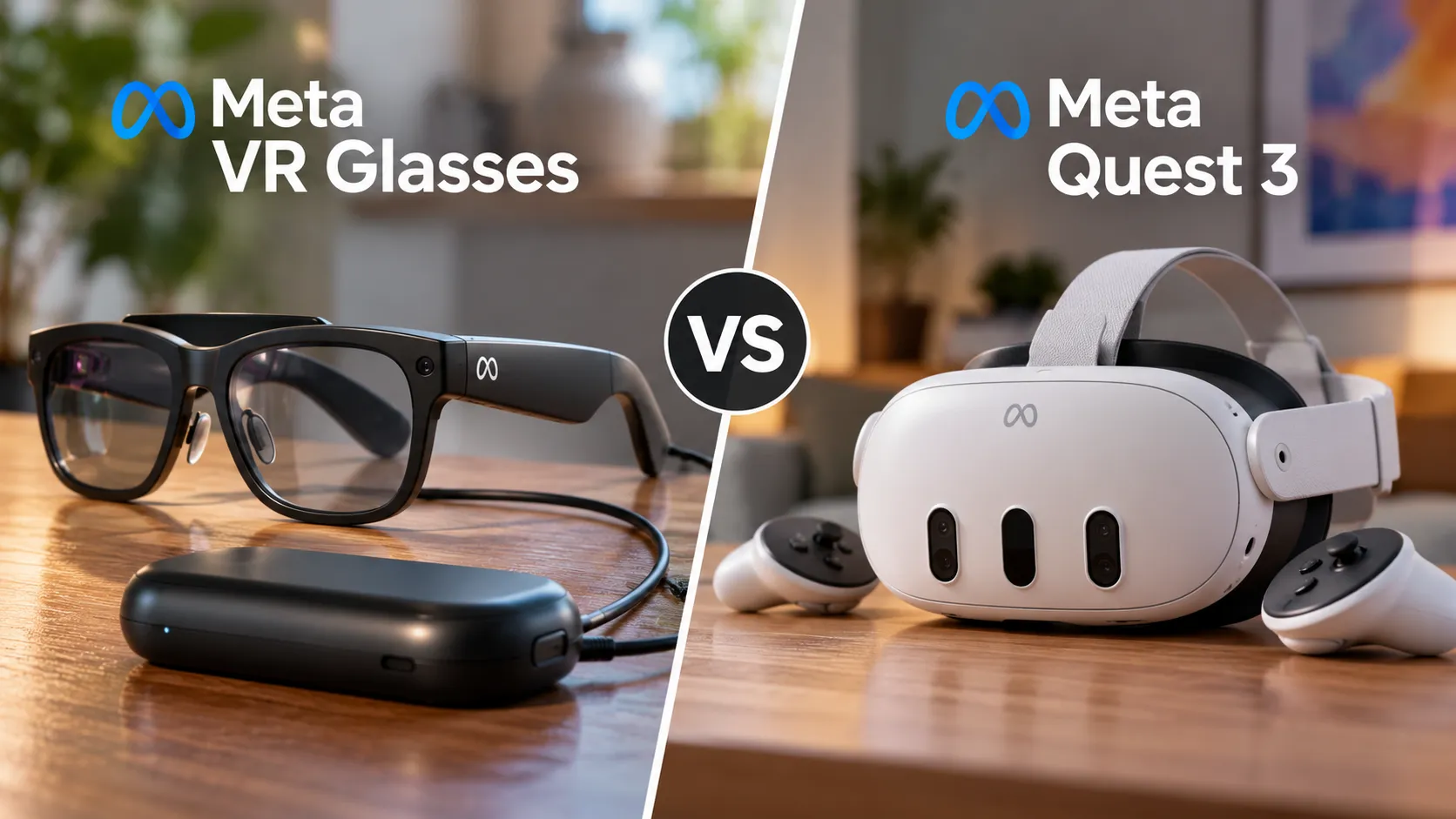
The context behind that verdict: The Verge called the Quest 3S "the best headset to buy right now" at its standard $299.99, not despite being cheaper than the $499.99 Quest 3, but because the performance gap doesn't justify the $200 spread. Which? named it the outright winner over the Quest 3 in direct testing, on value grounds, earlier this year. A sale price lands on top of a device that independent reviewers had already judged the stronger buy at full price.
What the Quest 3S actually is (and why it can hit a lower price)
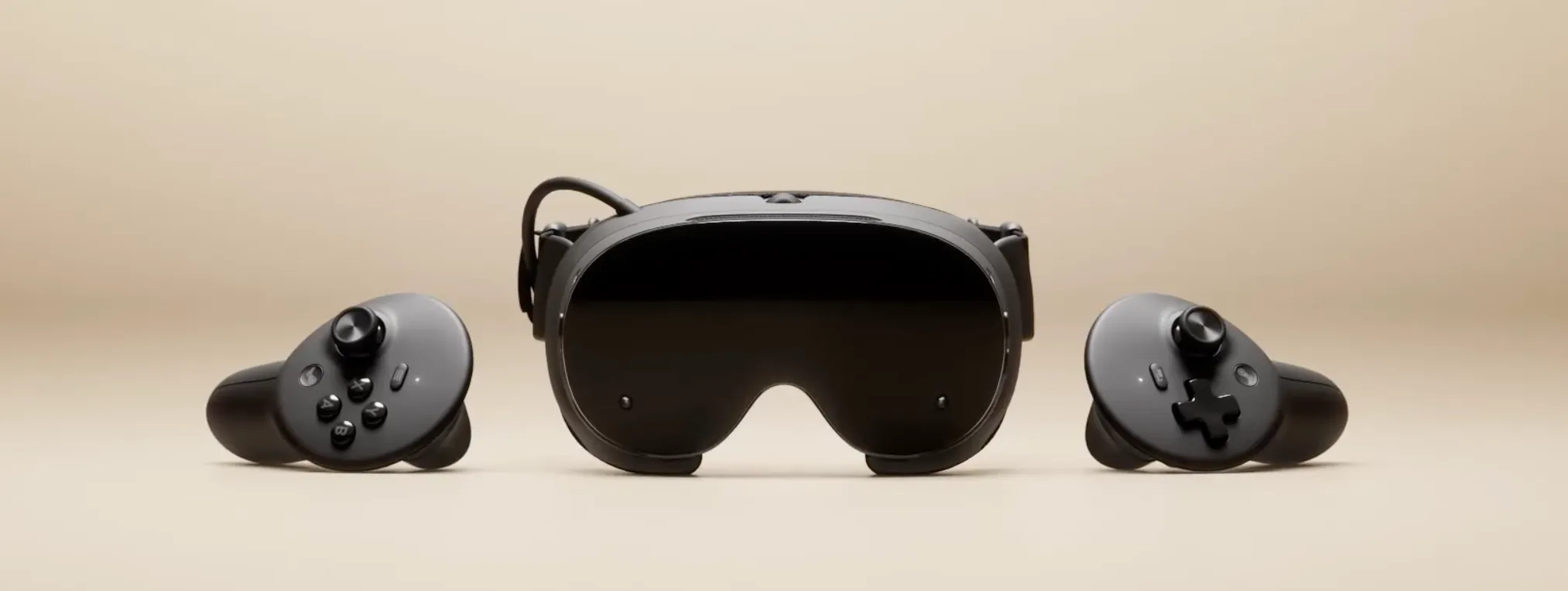
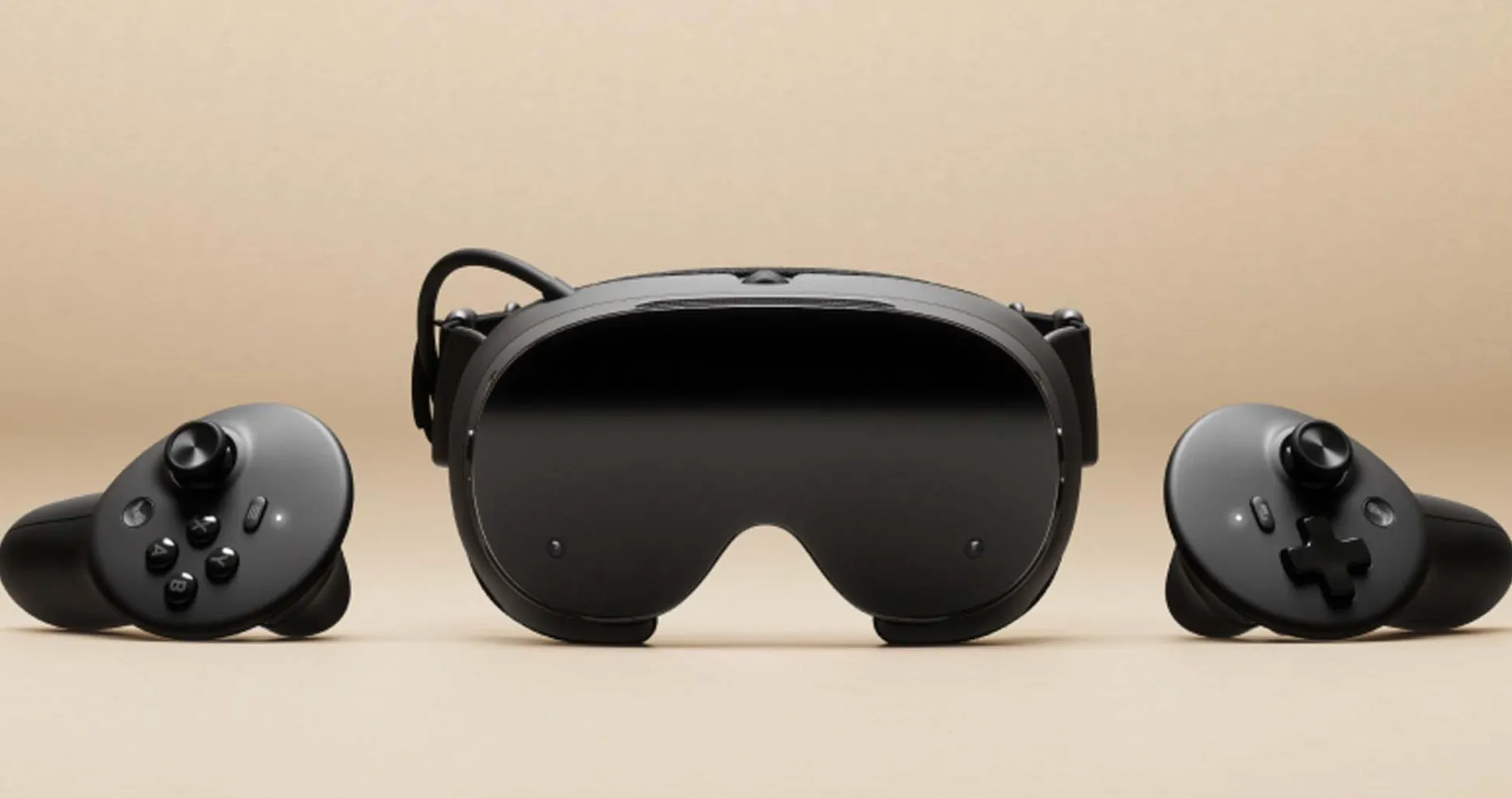
Meta built the 3S around a deliberate cost decision: reuse Quest 2-era components in areas that affect price rather than processing power, and install the Quest 3's chip where it matters. The Verge described the result as "the body of the Quest 2 and the guts of the Quest 3" same Qualcomm Snapdragon XR2 Gen 2 processor, same full-color passthrough cameras, same Touch Plus controllers as the $499.99 model. An iFixit teardown confirmed the shared chipset and documented precisely which component substitutions brought the price down.
That shared processor matters in practice. Which? tested both headsets and found game and app performance "virtually identical" the same chip produces the same frame rates regardless of which shell it sits in. The 3S runs the full Quest game library without exception and supports wireless Steam VR streaming from a compatible PC, per The Verge.
Batman: Arkham Shadow ships bundled with the hardware. The Verge called it potentially the first VR exclusive in years that functions as a genuine system seller "the one that sells the whole setup all by itself." For a first-time buyer weighing whether the platform has anything worth playing, that's a real answer. Check the current Amazon listing for any additional game credits or accessories included at the sale price and factor those into what you're actually paying for the hardware.
The one real tradeoff: what the 3S gives up
The cost savings concentrate almost entirely in the optics. Everything else is equivalent to the Quest 3; the display is not.
The 3S renders at 1,832 x 1,920 pixels per eye. The Quest 3 produces 2,064 x 2,208, with a slightly wider field of view, per The Verge. That gap shows up most in text-heavy interfaces, detailed environments, and peripheral content considerably less so in fast-action gaming, where the frame is constantly moving.
The lens difference is more consequential than those numbers suggest. The Quest 3 uses pancake lenses, which fold the light path internally to keep images sharp across the full field of view. The 3S uses Fresnel lenses the same concentric-ring design as the Quest 2 clear at the center and increasingly blurred and prone to glare toward the edges. Which? was unambiguous: if any difference registers between the two headsets, it will almost certainly be visual, awarding the display category to the Quest 3 without qualification. The 3S also offers only three fixed IPD positions versus the Quest 3's continuous adjustment dial, a real limitation for anyone whose eyes don't land neatly on one of the preset positions.
There is one counterintuitive exception. The 3S uses two IR sensors for depth mapping rather than a single depth sensor. The iFixit teardown found this configuration performed "exceptionally well in unlit spaces" a niche advantage over the Quest 3, which Which? noted triggered tracking errors in very dark rooms. Cheaper doesn't mean worse in every dimension.
Battery life is a draw, and not a flattering one for either headset. Which? found both cap out around two and a half hours of comfortable use; The Verge measured the Quest 3 at just over two hours in practice. The 3S runs roughly 15 minutes longer per charge because its lower-resolution screen draws less power. Plan around a two-hour ceiling regardless the sale price doesn't change this.
First-time VR buyers should weight the display tradeoff differently. Without a Quest 3 sitting next to it for comparison, the Fresnel optics aren't a limitation you'll encounter in any concrete sense. The 3S is a substantial step up from the Quest 2 across every dimension, and most new users will find it thoroughly immersive.
How good is this Meta Quest 3S price drop? Who should buy, who should skip
Buy if:
- This is your first VR headset no display baseline to miss, and the 3S is a full entry point into Meta's game library
- You're upgrading from a Quest 2 you get the Quest 3's processor in a familiar form factor at significantly less than the Quest 3 costs
- Gaming and entertainment are your primary use cases fast-action VR is the most forgiving context for Fresnel lenses
- You want PC VR access without paying Quest 3 prices wireless Steam VR streaming works on the 3S
Skip it if:
- You already own a Quest 3 the display difference will register, and there's no performance gain to compensate
- Your primary use is VR film, detailed simulations, or anything text-heavy the Fresnel optics and lower resolution matter more in those contexts than in gaming
- A Meta account is a dealbreaker the device requires one to function, with no workaround, per The Verge
On the price gap: The Quest 3 is $499.99 for 128GB and $649.99 for 512GB at standard pricing. If the discounted Quest 3S 512GB lands within roughly $80-$100 of the Quest 3 128GB, the better headset enters the conversation seriously. At a wider gap, the 3S's value case holds clearly. Use the actual numbers on the listing page, not a general heuristic.
| Situation | Recommendation |
|---|---|
| First VR headset, gaming focus | Buy at this price |
| Upgrading from Quest 2 | Buy at this price |
| Already own Quest 3 | Skip no upside, real display downgrade |
| 3S 512GB within ~$100 of Quest 3 128GB | Compare more carefully |
| Primary use: VR film, simulations, or text-heavy apps | Quest 3, or wait |
| Meta account is a hard no | Neither Quest model works |
What to do right now with the Amazon Meta Quest 3S sale
Two steps before you commit. First, confirm the actual discount against the price history on CamelCamelCamel Amazon's "sale" label doesn't always reflect a meaningful markdown. Second, if you're considering the 512GB model, pull up the Quest 3 128GB listing and compare them directly at current prices.
If the 128GB model is meaningfully below $299.99 and you're a first-time buyer or Quest 2 upgrader, the case is straightforward. If the 512GB model is within $100 of the Quest 3 128GB, stop and run that comparison before committing. If you already own a Quest 3, the only thing the 3S trades for a lower price is the display quality you already have no deal changes that.
One thing worth noting for anyone still on the fence: The Verge suggested Arkham Shadow may signal a higher quality floor for Quest exclusives going forward. If that's right, the software library behind this hardware is strengthening at the same time the price is dropping which makes the entry point for a cheap Meta Quest 3S more interesting than the specs comparison alone suggests.



Comments
Be the first, drop a comment!