


The world's first HDR10 XR glasses just arrived, and they're basically Batman's personal entertainment system
The world of extended reality glasses just got a major upgrade, and honestly, it feels like stepping into the future—or at least into Bruce Wayne's high-tech arsenal. These aren't your typical AR glasses that overlay digital widgets onto your real world. Instead, they function as portable entertainment systems that can transform any space into your personal cinema or gaming arena.
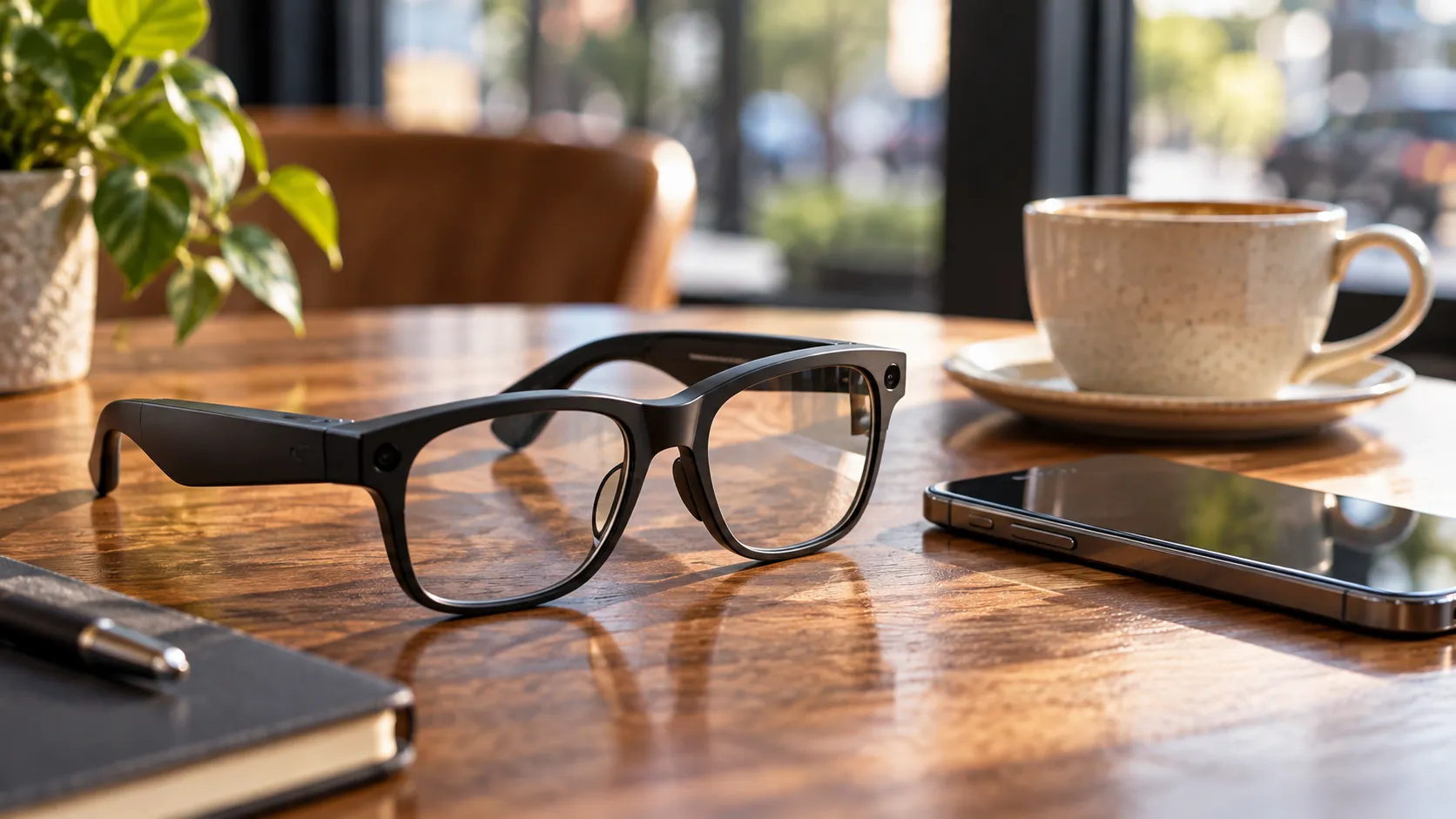
The RayNeo Air 4 Pro represents a significant leap forward in wearable display technology, marketed as the first AR glasses with HDR10 support in XR glasses (ZDNET). These glasses can project virtual screens up to around 135–200 inches in size, according to PhoneArena, making them ideal for everything from mobile gaming to movie marathons. At just 76 grams, they're among the lightest options available, as noted by multiple reviewers.
What makes HDR10 support actually matter
The standout feature here isn't just marketing hype—HDR10 capability represents a genuine technological breakthrough for wearable displays. Think of it as the difference between looking at a faded photograph and peering through a crystal-clear window. This enhancement allows the glasses to display over a billion colors compared to the 16.7 million found in standard dynamic range content, as reported by Lifehacker.
The practical impact becomes clear when you're gaming on your Switch in bright daylight or streaming Netflix during a cross-country flight. The glasses achieve brightness levels of up to 1,200 nits, significantly outperforming competitors like the some competitors with lower brightness (e.g., ~600–1000 nits) according to Mashable. That extra brightness isn't just about showing off—it means you can actually use these glasses in well-lit environments without squinting at a washed-out display.
The technical implementation includes a custom Vision 4000 image-processing chip that maintains a smooth 120Hz refresh rate without stuttering or lag, making these glasses particularly well-suited for gaming applications (Lifehacker). The 0.6-inch Micro-OLED displays deliver 1920 x 1080 resolution per eye—equivalent to standard 1080p television quality—while the HDR10 processing enhances details that are typically lost in overlit environments or dimmer scenes (ZDNET).
Early testing reveals enhanced color accuracy and contrast that makes games and movies appear more natural and immersive, particularly when watching HDR-mastered content where those deeper blacks and brighter highlights transform the viewing experience, as noted by Yahoo Tech.
Comfort meets functionality in daily use
Extended wear comfort often makes or breaks wearable technology, and these glasses strike an impressive balance between features and wearability. The 76-gram weight distribution feels comfortable for multi-hour sessions—lighter than most premium sunglasses but substantial enough to feel secure during active use, though they do generate some heat during intensive gaming, according to testing by Lifehacker.
This heat consideration naturally leads to another comfort innovation: the adjustable temple arms click into three different vertical positions, helping users find their optimal viewing angle for the clearest image quality (Lifehacker). Finding this sweet spot becomes crucial for extended viewing, as the wrong angle transforms what should be an immersive experience into an eye-straining ordeal.
The glasses include helpful accessories like snap-on opaque covers for blocking ambient light, creating a more immersive viewing experience (Lifehacker). These light blockers prove essential when you want that full cinema experience without external distractions, particularly valuable when using these glasses on planes or in bright coffee shops where ambient light would otherwise wash out the display.
The plug-and-play simplicity supports this portability perfectly—simply connect the USB-C cable from the glasses to your device and you're ready to go, as confirmed by multiple reviews. The glasses work with virtually any modern device including smartphones, laptops, gaming consoles, and handhelds through DisplayPort over USB-C connectivity (IGN). Onboard controls include brightness and volume rockers plus a menu button, giving users access to picture modes, refresh rate settings, and audio effects without needing additional apps (ZDNET).
Audio quality that complements the visual experience
The collaboration with Bang & Olufsen has resulted in a four-speaker audio system that delivers surprisingly robust sound for open-air drivers. The spatial audio mode proves particularly effective for video content, providing excellent clarity and a convincing surround sound effect, according to Lifehacker's testing.
For public use scenarios, the glasses feature a "Whisper Mode" that focuses audio toward your ears while minimizing sound leakage to nearby people, making them more considerate for public use (PhoneArena). This becomes particularly valuable in libraries, quiet offices, or shared spaces where traditional headphones might be impractical but you still need quality audio.
However, like most open-speaker designs, they lack deep bass response and won't compete with jet engine noise, so noise-canceling headphones remain necessary for flights (Lifehacker). For even noisier environments, the glasses include innovative "sound tube" accessories—small silicone attachments that direct audio more precisely into your ear openings, which helps improve audio quality in challenging acoustic situations, though users should handle them carefully as the thin material can tear easily (ZDNET).
Testing reveals that while maximum volume levels are slightly lower than previous models, the overall audio quality and speech clarity in movies and music shows noticeable improvement (Tom's Hardware). The surround sound processing creates a more immersive "3D" audio effect that enhances the large-screen viewing experience (Tom's Hardware).
Real-world performance and limitations
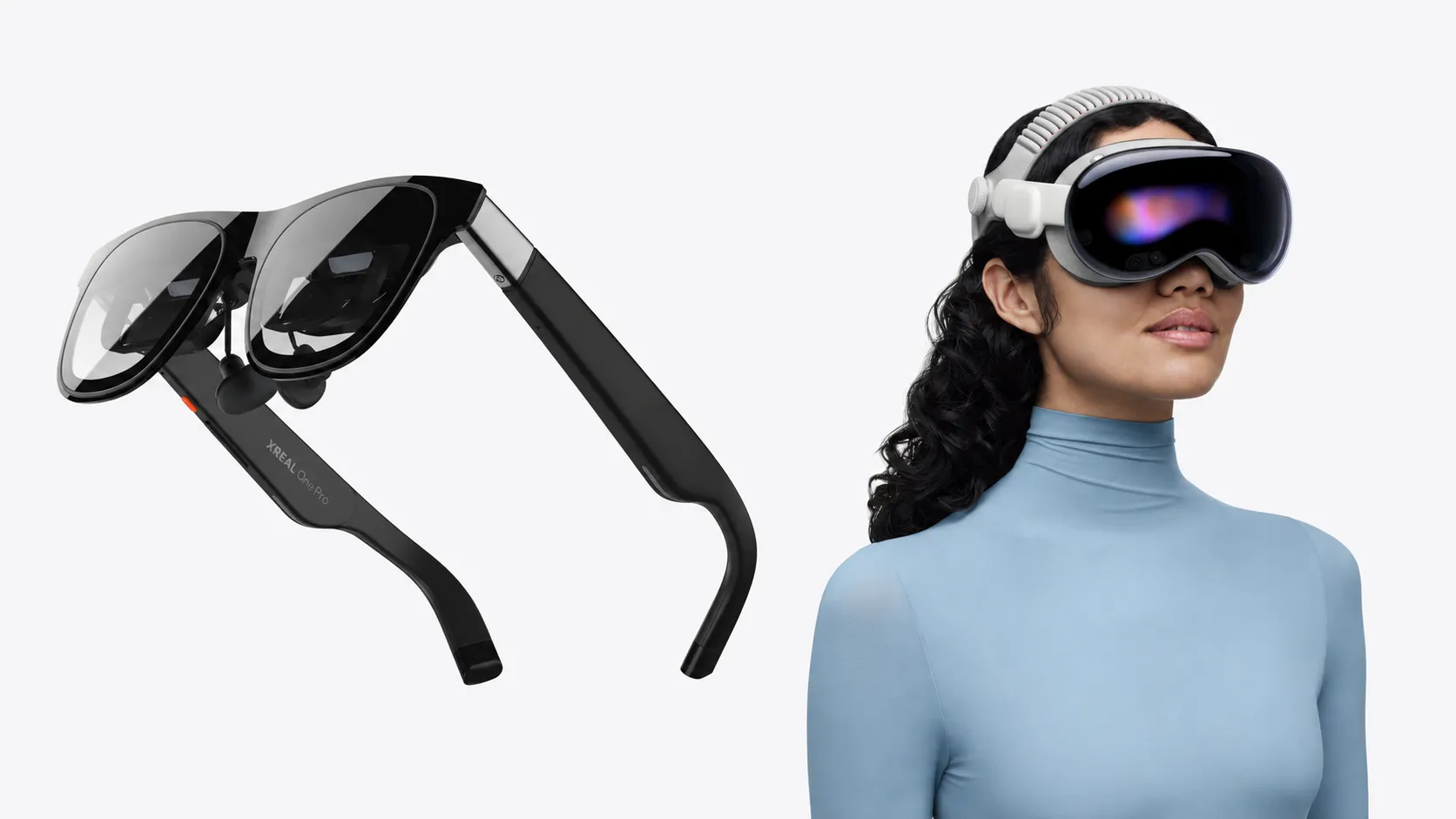
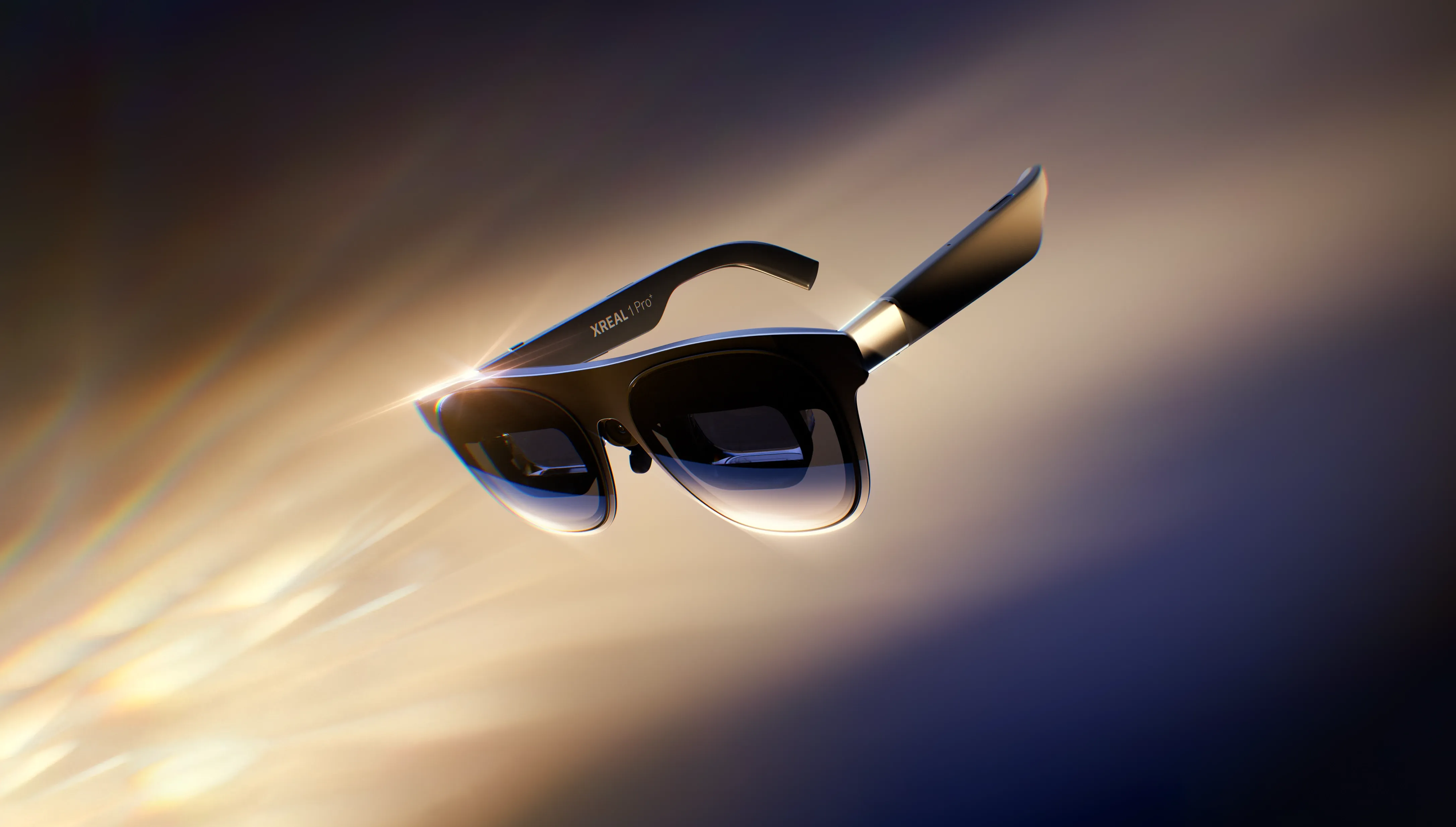
While the HDR10 support represents a technical achievement, practical benefits vary depending on content and user expectations. Side-by-side comparisons with premium competitors like the Xreal One Pro reveal that while the Xreal maintains advantages in sharpness and edge-to-edge clarity, the differences are subtle and the RayNeo costs approximately half as much, according to Lifehacker's testing.
The glasses suffer from common industry issues with edge clarity, where the center of the image appears crisp but peripheral areas become fuzzy, making productivity tasks more challenging than entertainment use (Lifehacker). The display lacks adjustability options—users are stuck with one screen size and no "anchor mode" to pin the screen in space, meaning the display follows head movements constantly (Lifehacker).
The AI-powered features represent an attempt to address some display limitations, but show mixed results in practice. The 2D to 3D conversion capability often produces distorted images with artifacting rather than convincing depth effects, making it more of a novelty feature than a practical enhancement, as noted by Lifehacker.
Some users report technical issues including flickering effects and compatibility problems with certain devices, particularly MacBooks where audio routing can be problematic (Mashable). The glasses perform best for entertainment applications like gaming and streaming, but their limitations become more apparent when attempting productivity tasks or extended work sessions (ZDNET).
Why this could be your gateway to the future
At $299 regular pricing with early bird discounts bringing it down to $249, these glasses represent exceptional value in the emerging XR display market. They significantly undercut premium competitors while delivering HDR10 capability that's genuinely first-in-class, as reported by PhoneArena. For users primarily interested in entertainment rather than productivity, these glasses offer compelling advantages over much more expensive alternatives, according to Lifehacker's assessment.
The combination of plug-and-play simplicity, broad device compatibility, and high-quality viewing experience makes them an ideal entry point for users curious about wearable display technology (ZDNET). The glasses excel in scenarios where traditional screens aren't practical—air travel, bed-bound entertainment, or situations where you want a large screen experience without the space requirements of a physical TV, as multiple reviewers have noted.
The timing adds another compelling dimension to this value proposition. With major tech companies like Meta, Apple, Samsung, and Google all developing AR smart glasses to eventually replace smartphones, experiencing this technology now provides valuable insight into where the industry is heading (PhoneArena). The improved color accuracy, balanced lighting, and clear Bang & Olufsen-tuned audio make these glasses particularly recommended for first-time XR users who want quality without the premium price tag (ZDNET).
PRO TIP: For the best experience, start with entertainment content like movies and games rather than productivity tasks. The edge clarity limitations that make spreadsheet work challenging become virtually invisible when you're focused on the center action in a Netflix show or the latest AAA game.


Comments
Be the first, drop a comment!