


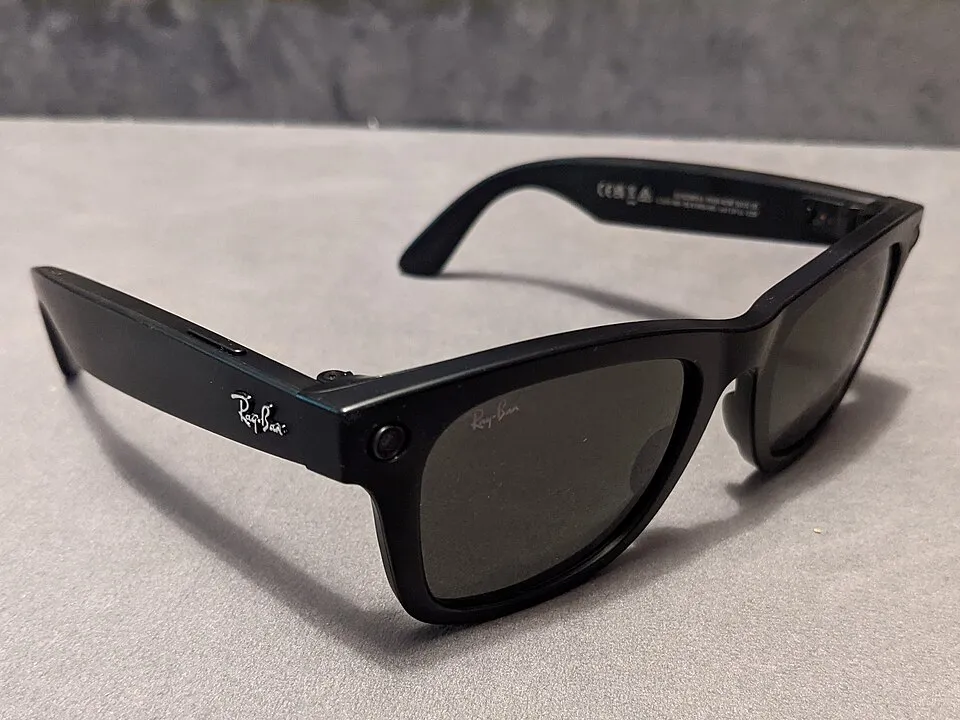
The future of language barriers might be ending sooner than we think, and it's happening right through a pair of smart glasses. While translation apps have been around for years, the concept of real-time visual translation through wearable technology represents a fundamental shift in how we might navigate our increasingly connected world. These AI-powered smart glasses aim to overlay translated text directly onto your field of vision, though many current systems still rely on audio translation or paired screens.
The technology brings together several cutting-edge innovations: computer vision for text recognition, advanced AI language models for accurate translation, and augmented reality displays for seamless visual integration. But beyond the impressive tech specs lies a more complex story about the tradeoffs between convenience and privacy, the challenges of real-world implementation, and what this means for the broader landscape of AR wearables.
How real-time visual translation actually works
Here's where things get fascinating from a technical standpoint. The magic behind these smart glasses involves a sophisticated pipeline that happens in milliseconds—and when I say milliseconds, we're talking about processing speeds that need to match human reading patterns to maintain the illusion of seamless translation.
Computer vision algorithms first identify and extract text from your environment, whether that's a restaurant menu in Tokyo, a street sign in Barcelona, or a contract in a Berlin boardroom. This involves multiple layers of complexity: optical character recognition (OCR) that can handle different fonts, edge detection algorithms that distinguish actual text from random patterns, and image processing that accounts for varying lighting conditions, partial obstructions, and text positioned at odd angles.
Once the visual data is captured, it gets processed through AI language models that go far beyond simple word-for-word translation. These models need to maintain context and cultural nuances that basic translation often misses entirely. Think about idioms, cultural references, or technical terminology that don't have direct equivalents across languages—the kind of subtle meaning that can make or break a business conversation or travel experience.
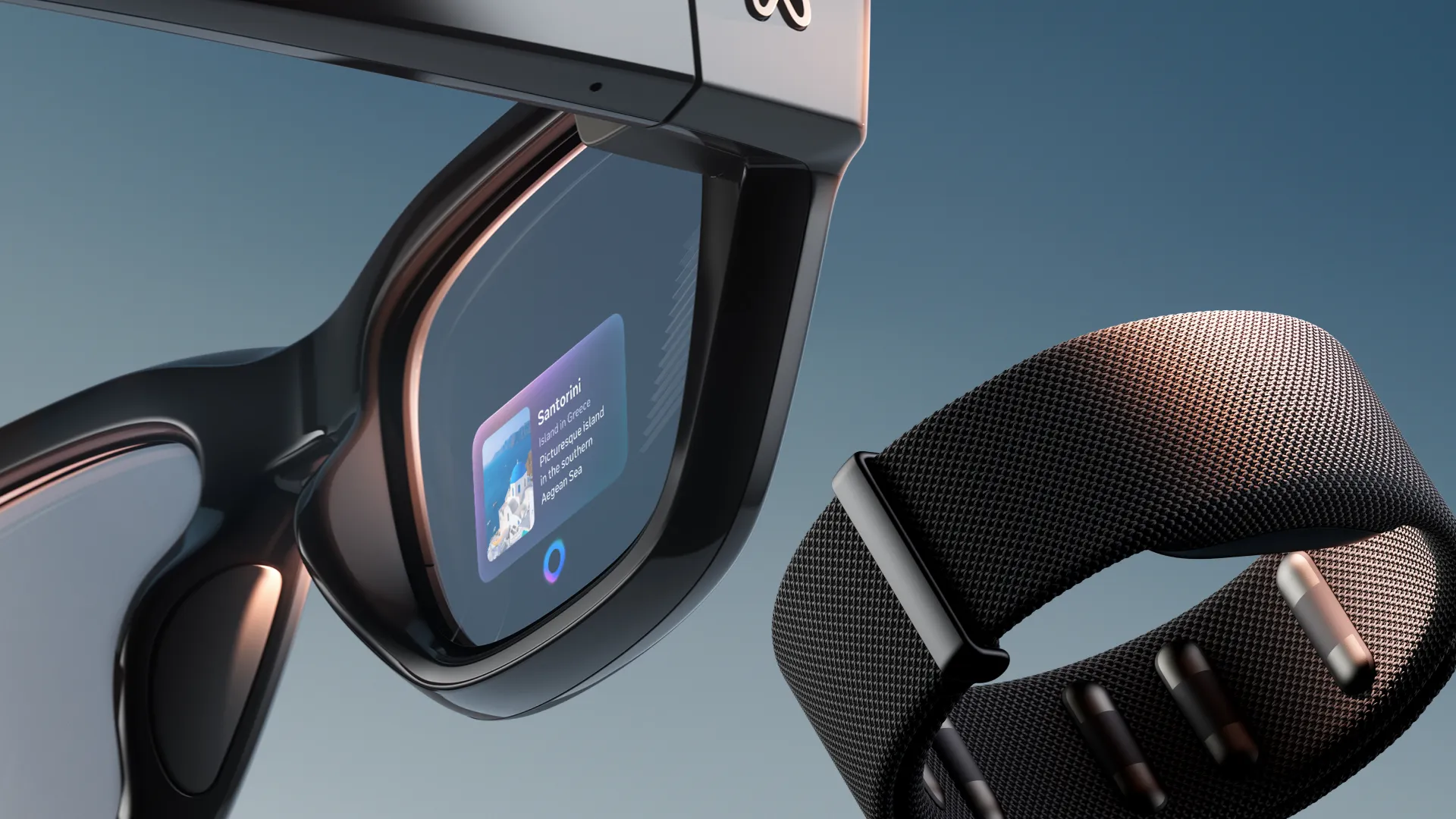
The real innovation lies in the seamless overlay system. Rather than forcing users to do that awkward phone-pointing dance we've all experienced while trying to navigate unfamiliar environments, the translated text appears directly in your line of sight, positioned contextually where the original text exists. This spatial mapping creates an almost magical experience where foreign text simply becomes readable without breaking your natural viewing patterns.
For this experience to feel natural and not disrupt normal reading flow, the entire process—from image capture to translated overlay—must be completed within the threshold of human perception, generally requiring extremely low latency to feel seamless (often in the tens to low hundreds of milliseconds).
The tradeoffs that matter: on-device vs cloud processing
Now here's where the engineering decisions get really interesting, because they fundamentally shape what these devices can and can't do. The choice between on-device and cloud processing creates a cascade of implications that affect everything from user experience to privacy to battery life.
On-device processing offers several compelling advantages: very low-latency response times with no network delay, improved privacy since visual data can remain on-device, and reliable functionality even in connectivity dead zones (which, let's be honest, always seem to happen when you need translation most). However, this approach demands powerful processors capable of running complex AI models locally, resulting in increased weight, heat generation, and significantly reduced battery life in a device that sits directly on your face.
Cloud-based processing flips this equation entirely. By leveraging server farms with vastly more computational power, you can support broader language coverage, higher accuracy rates, and more sophisticated contextual understanding. The glasses themselves can remain lighter and more energy-efficient. But even with modern 5G networks, the round-trip time to cloud servers introduces latency that can make real-time translation feel disconnected from natural reading patterns.
Beyond performance considerations, cloud processing introduces data sovereignty questions that many users are becoming increasingly conscious of. Continuous visual streams of your environment flowing to remote servers create permanent records of not just what you're reading, but where you are, who you're with, and what you're doing—information that extends far beyond simple translation needs.
The most sophisticated implementations are gravitating toward intelligent hybrid architectures: common language pairs and straightforward translations processed locally for speed and privacy, while complex linguistic challenges or rare language combinations leverage cloud processing when connectivity permits. This approach maximizes both performance and capability, though it significantly increases system complexity.
Privacy implications that go beyond translation
Let's address the fundamental tension at the heart of this technology: creating seamless translation experiences requires continuous environmental monitoring through cameras and microphones, transforming these glasses into always-ready recording devices. Unlike smartphone cameras that require deliberate activation, translation glasses often need to be ready to capture and process visual information quickly.
This creates a web of consent and privacy challenges that extend far beyond typical device concerns. Many jurisdictions require explicit consent from all parties before recording in private spaces, while public spaces present their own complexities around surveillance and privacy expectations. The social dynamics become particularly complex when you're wearing translation glasses in a meeting; other participants may feel uncertain about what's being recorded, processed, or potentially stored, even if the primary purpose is translation.
The technical constraints create their own privacy implications through the back door. Continuous image processing and AI computation generate substantial heat and power demands. This forces critical design decisions: either accept frequent charging cycles that limit practical utility, or implement processing limitations that might compromise translation quality and speed. The thermal management challenge is particularly acute since these devices rest directly on users' faces—nobody wants glasses that become uncomfortably warm during extended use.
These thermal and power constraints often drive manufacturers toward cloud processing solutions, which ironically can increase privacy exposure as a byproduct of solving comfort and usability problems. It's a perfect example of how technical limitations can inadvertently push users toward less private alternatives.
Real-world applications: beyond tourist convenience
While helping travelers navigate foreign countries represents the most obvious application (and honestly, that alone would justify the technology for many users), the practical implications extend into territories that could fundamentally reshape communication accessibility across multiple domains.
In international business environments, these glasses could eliminate the awkward dynamics that language barriers create in meetings and negotiations. Imagine following translated presentations in real-time, reading documents naturally without constantly referencing separate translation tools, or participating in discussions without the pause-and-clarify interruptions that currently break conversational flow. This could level the playing fields in global business communication in ways we're only beginning to understand.
The accessibility applications represent perhaps the most transformative potential. For individuals with hearing impairments, glasses capable of converting spoken words into visual text could provide unprecedented access to conversations, presentations, and social interactions. Unlike traditional closed captioning systems that require setup and separate displays, this technology integrates seamlessly into natural viewing patterns.
Similarly, users with reading difficulties could access instant clarification of complex terminology, simplified language alternatives, or contextual definitions without disrupting their reading flow. Students learning new languages could treat these glasses as sophisticated training wheels, gradually reducing translation dependency as comprehension develops, with the contextual learning reinforcement that comes from seeing words in their actual environmental context rather than isolated on screens.
Professional applications are emerging in healthcare settings where medical professionals need to communicate with patients across language barriers, emergency response scenarios in diverse communities, and technical collaboration on international projects where precision in terminology can be critical to safety and success.
Where this fits in the competitive landscape
The smart glasses translation ecosystem is developing within a broader competitive context where different companies are taking fundamentally different strategic approaches to AR integration and market positioning.
Meta's approach with their Ray-Ban smart glasses positions translation as one feature within a broader social and AI assistant framework, emphasizing lifestyle integration over specialized translation functionality. Google's various AR translation experiments, including their Translate app's camera features and previous smart glasses initiatives, have focused on leveraging their translation expertise while navigating the hardware challenges that have complicated their AR ambitions.
The competitive differentiation increasingly centers on execution details rather than conceptual innovation. Translation accuracy across different languages and contexts, comfortable all-day wearability, battery performance that supports practical usage patterns, and seamless integration with users' existing digital workflows determine which products gain sustained adoption versus remaining impressive demonstrations that collect dust in drawers.
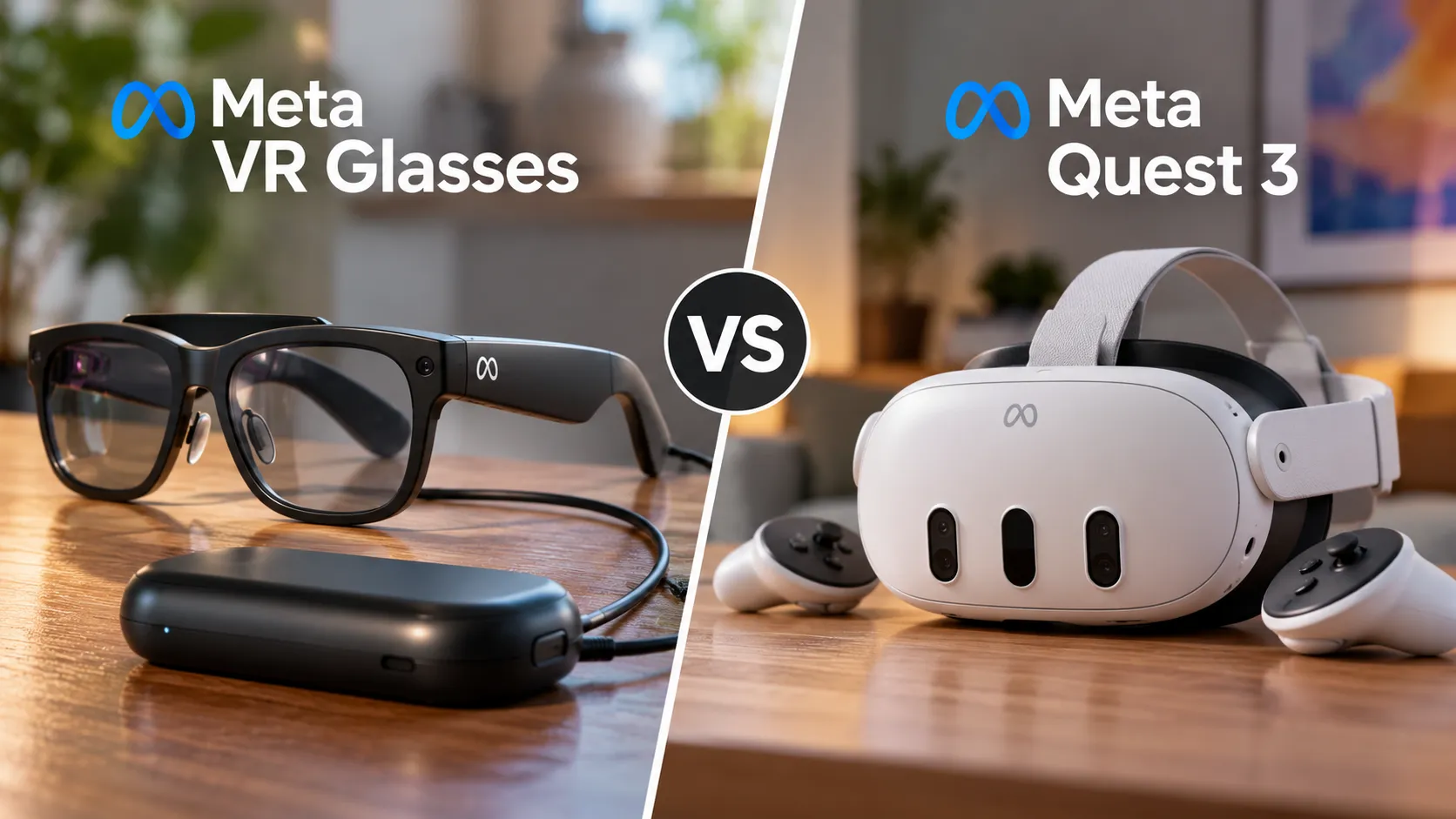
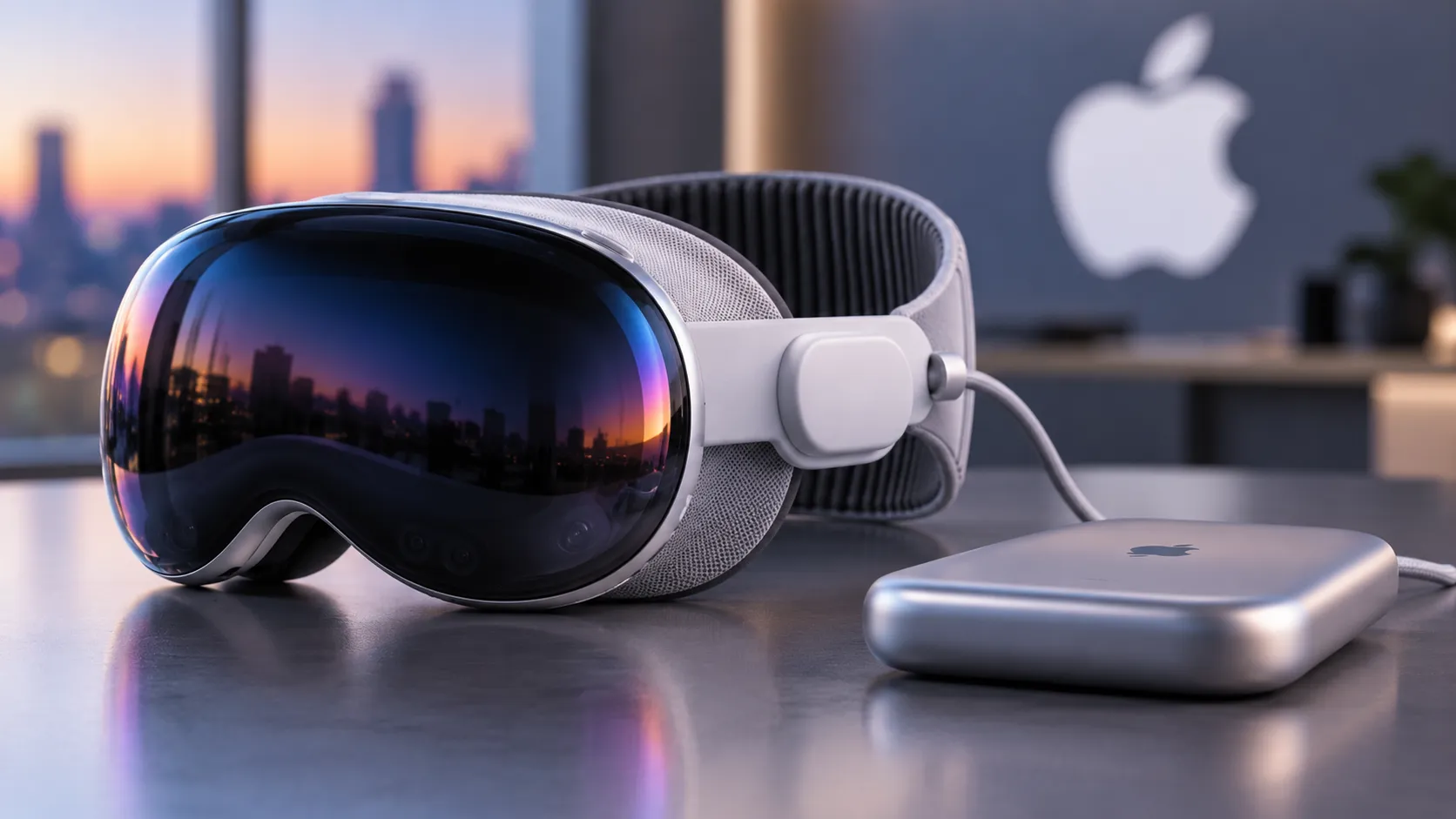
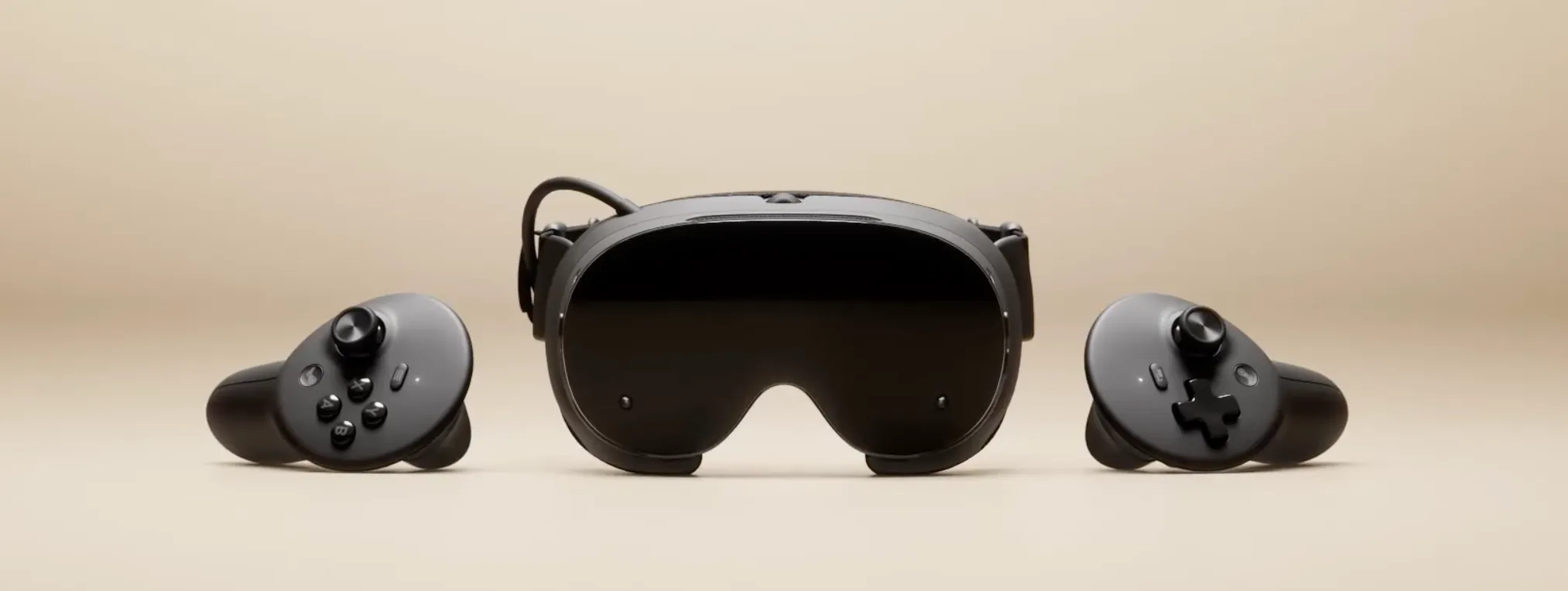
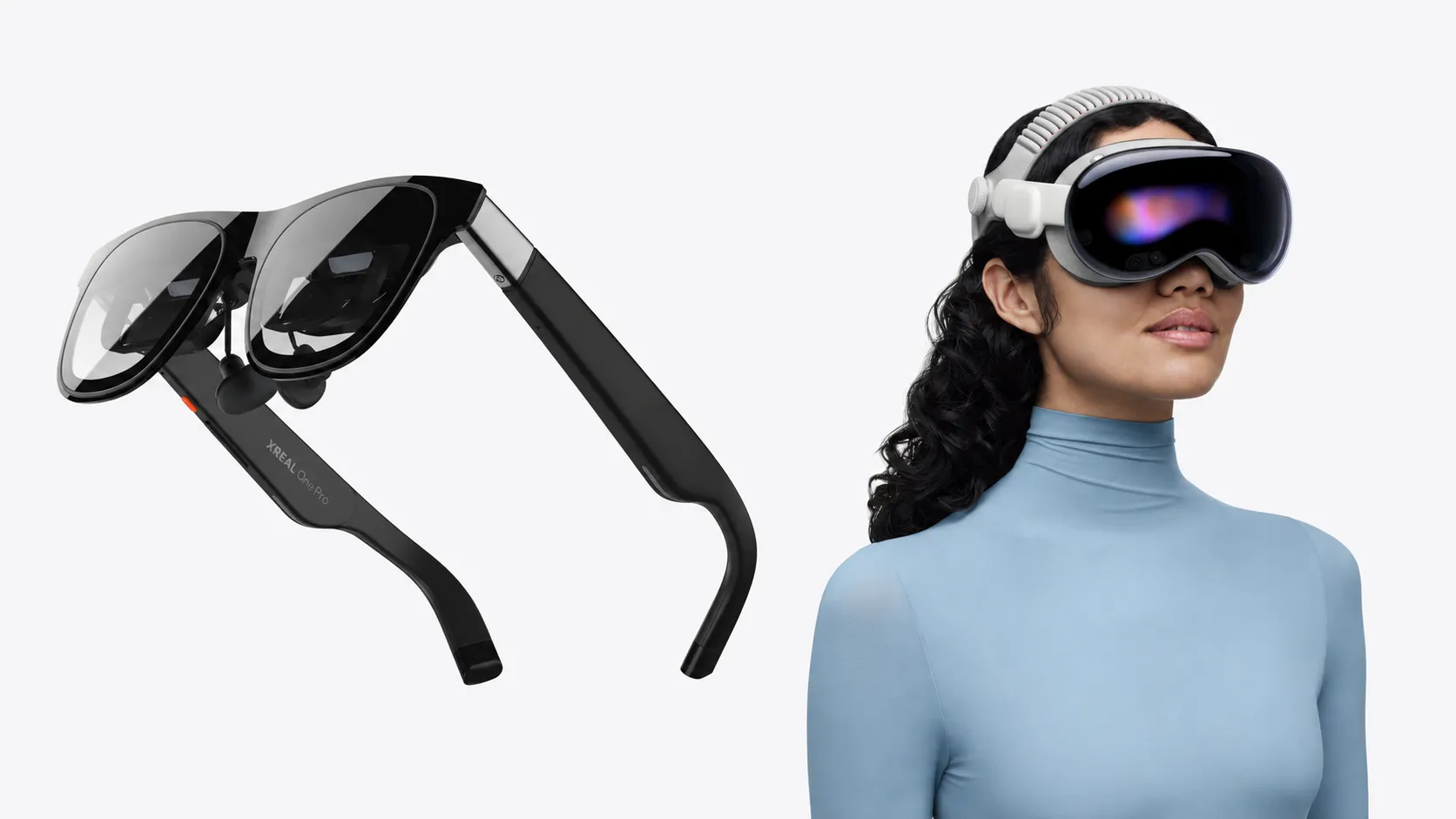
Form factor philosophy creates interesting strategic divisions. Some manufacturers prioritize lightweight, stylish designs that emphasize wearability over raw processing capability, accepting some performance limitations to achieve mainstream aesthetic appeal. Others focus on functionality-first approaches that pack maximum processing power into bulkier frames, targeting users who prioritize capability over fashion considerations.
What's particularly significant is how translation technology could serve as the catalyst that finally drives mainstream AR adoption. Translation delivers immediate, understandable value without requiring users to imagine futuristic scenarios or dramatically alter their existing behaviors. When someone can put on glasses and instantly read previously incomprehensible text, the benefit becomes viscerally obvious in ways that many AR applications struggle to demonstrate convincingly.
What this means for the future of connected communication
These translation glasses represent more than convenient gadgets—they signal a fundamental shift toward ambient AI assistance that integrates seamlessly into daily life without requiring conscious activation or workflow changes. As the underlying technology matures, we're likely to see accuracy improvements, expanded language coverage, and integration with broader smart device ecosystems that could reshape our entire relationship with information access.
The success of translation glasses could unlock more sophisticated AR applications that we're only beginning to envision: real-time fact-checking overlays that verify claims as you read them, contextual information systems that provide relevant details about people, places, and objects in your environment, or cultural communication tools that help bridge gaps beyond simple language translation to include cultural context and social norms.
However, realizing this potential requires developing privacy frameworks that don't currently exist, establishing social norms around wearable cameras that are still evolving, and addressing digital equity concerns about who gains access to these capabilities versus who remains constrained by traditional language barriers. We risk creating stratified communication environments where some individuals have instant access to translated information while others face the same barriers that have always existed.
The ultimate test won't be whether these glasses work impressively in controlled demonstrations or generate excitement at tech conferences. Success will be measured by whether they provide sufficient everyday practical value to justify their cost, privacy tradeoffs, and the social adjustments required for widespread adoption.
If translation glasses can genuinely eliminate language barriers in meaningful ways—making international travel more accessible, enabling equitable cross-cultural business communication, and providing new accessibility options for people with various disabilities—they could represent the first truly mainstream consumer AR application. That would mark a significant milestone for the entire augmented reality industry, potentially catalyzing innovations and applications we haven't yet imagined while fundamentally changing how we navigate our increasingly connected world.








Comments
Be the first, drop a comment!