


The smart glasses landscape is heating up, and Google's ambitious return to wearable tech couldn't come at a more critical time. While Meta's Ray-Ban collaboration has proven that consumers want AI-powered eyewear, Google is positioning Android XR as the platform that could fundamentally reshape how we interact with digital information in our daily lives.
Google is officially re-entering the smart glasses race, confirming plans to launch a new family of Google AI glasses in 2026, marking a strategic pivot that leverages partnerships with Samsung, Gentle Monster, and Warby Parker. The tech giant is betting that its 2026 AI-powered glasses can turn ambient computing from a concept into a mainstream product line, with all of the glasses built on Android XR, Google's operating system for mixed-reality devices. This isn't just another hardware launch—it's Google's comprehensive answer to Meta's early dominance in the AI glasses market.
The ecosystem advantage: why Android XR changes everything
Here's where Google's approach gets genuinely compelling: while Meta's glasses operate within a closed ecosystem, Android XR promises the kind of openness that made Android smartphones ubiquitous. Google has one key advantage before it even launches: a well-established software ecosystem, with Developer Preview 3 of the Android XR SDK (including APIs) set to release this week. This means developers can start building experiences now, rather than waiting for hardware to materialize.
The platform's versatility is particularly striking. Android XR glasses will reportedly support a ton of apps "just work" at launch without developers having to lift a finger, according to hands-on reports. Even more impressive, reports indicate Android XR will support iOS next year, meaning iPhone users won't be locked out of the ecosystem—a strategic move that could significantly expand the addressable market.
Consider what this means for developers: instead of learning entirely new frameworks like Meta's platform requires, Google's use of its existing Android ecosystem could give Android XR an edge over Meta. Millions of Android developers can immediately start adapting existing apps and creating new experiences using familiar tools. This creates a potential day-one software advantage that no other smart glasses platform can match.
Superior AI capabilities that actually matter
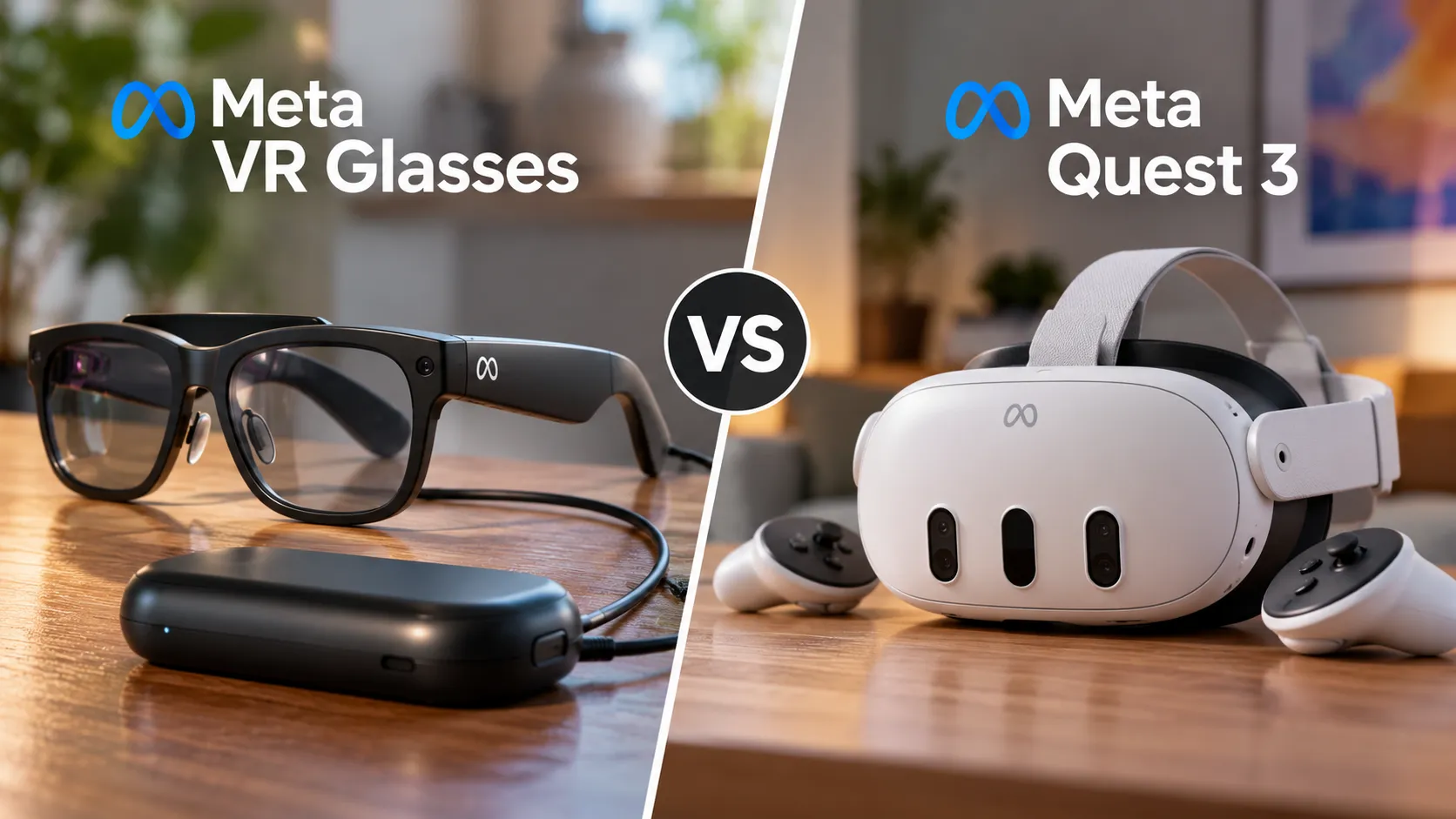
While Meta's AI features feel like clever add-ons, Google's integration runs much deeper. Gemini, Google's advanced AI assistant, is foundational to Android XR, offering capabilities that go well beyond simple voice commands or image recognition. The difference becomes apparent in real-world scenarios: Google thinks it could easily overtake the Meta Ray-Ban Display and that Gemini is further ahead as an AI assistant versus Meta.
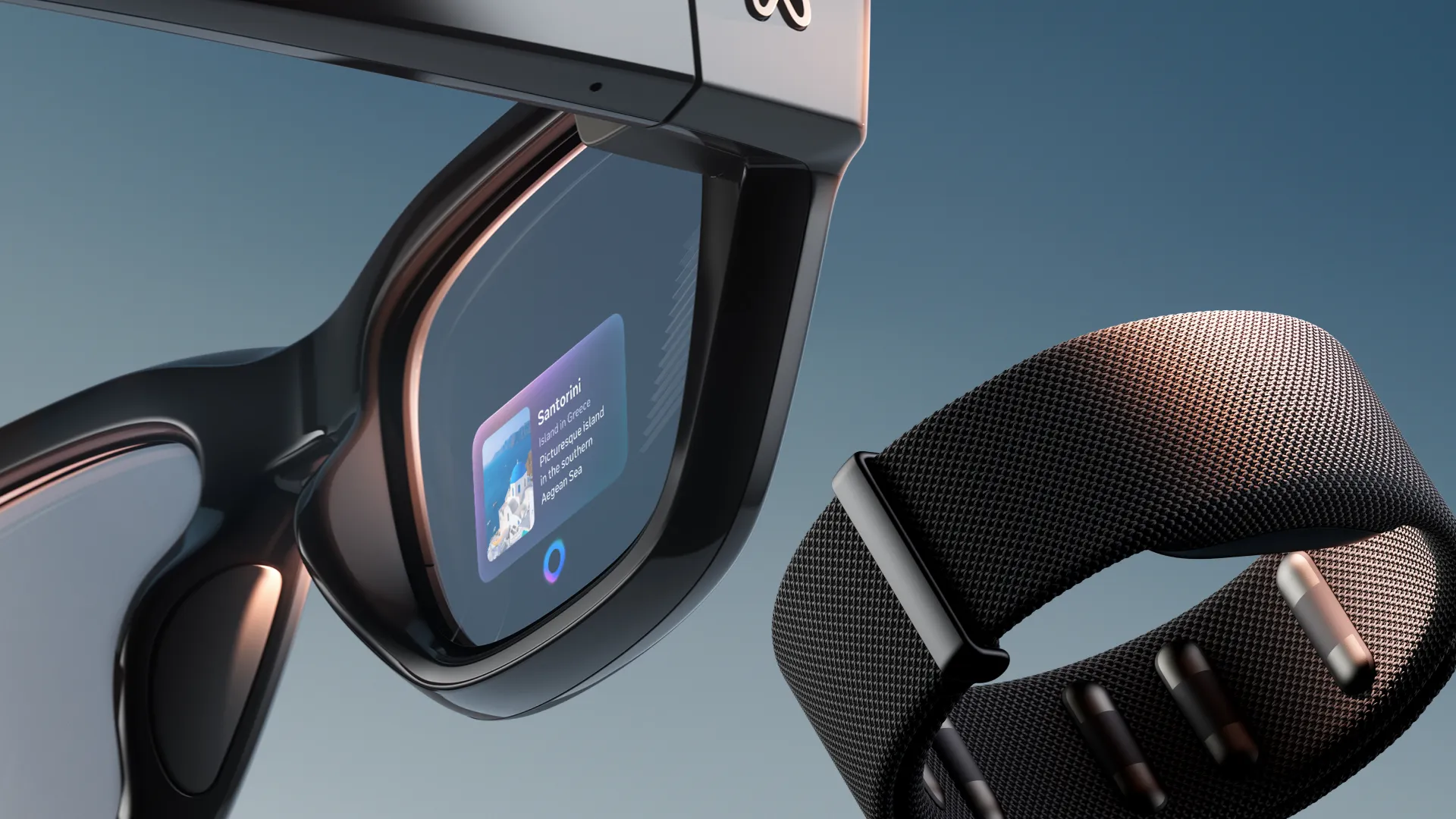
The contextual intelligence sets Android XR apart from competitors. Android XR glasses can do things like brighten up an image and show turn-by-turn directions in your field of view, but more importantly, Gemini AI could eventually see what you're seeing and recognize objects, recognize your friends, and respond to commands involving nearby objects or environments.
This represents a fundamental shift from reactive to proactive AI assistance. Instead of waiting for you to ask questions, Gemini understands your visual context and can anticipate needs—whether that's translating foreign text you're looking at, identifying landmarks, or providing relevant information about products you're considering. Google has continually improved its Gemini Assistant by integrating its most advanced Gemini models, making it an increasingly capable and reliable AI assistant, while Gemini has stricter guardrails around generating sensitive content, such as images of political figures, whereas Meta AI is looser.
Hardware diversity and design flexibility
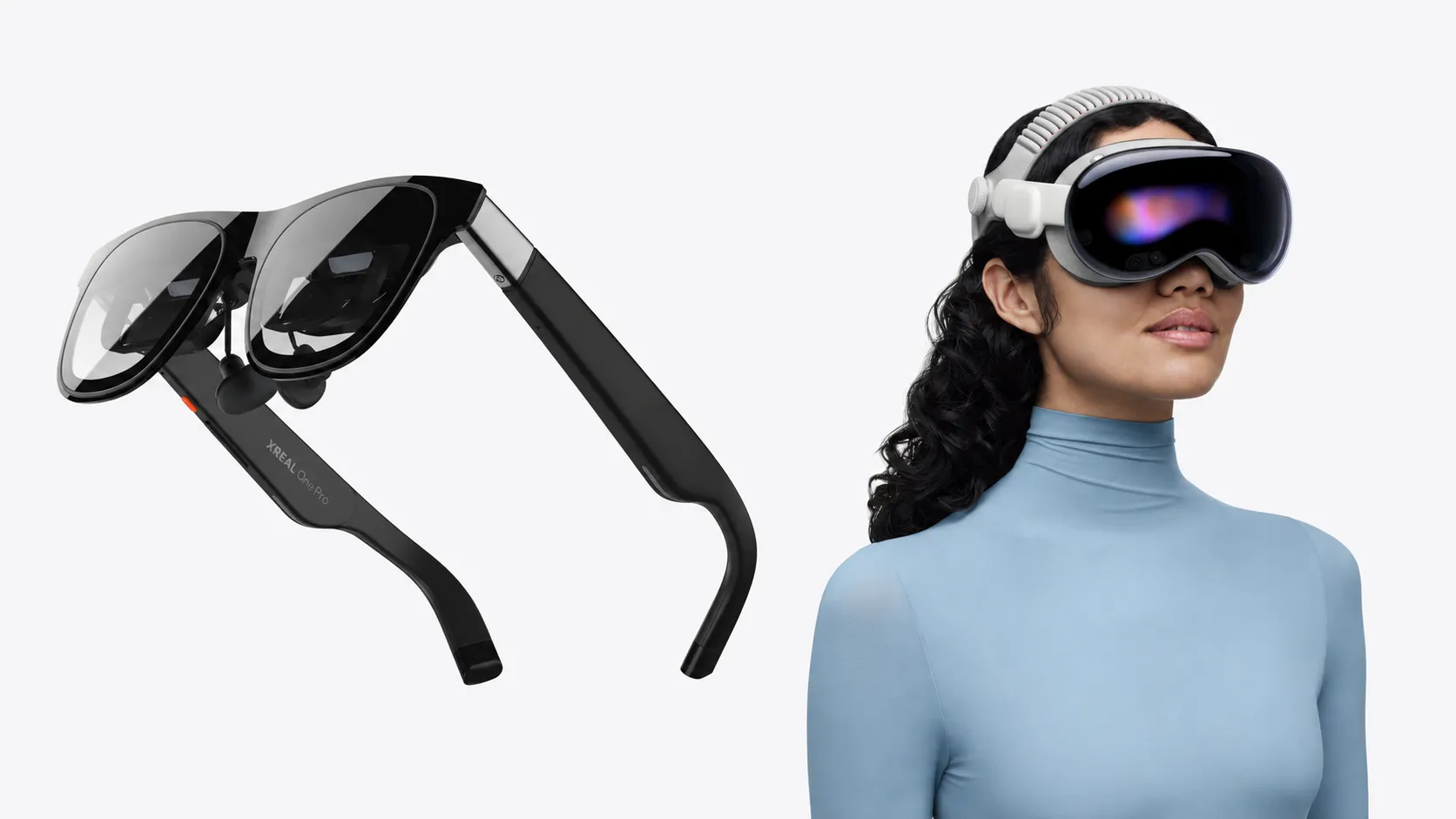
Meta's approach essentially gives you one hardware option with limited customization. Google's strategy is fundamentally different, reflecting a deep understanding that smart glasses adoption depends on personal style and varied use cases. Google showed three different sets of glasses: Project Aura, monocular XR glasses, and binocular XR glasses, demonstrating a range of form factors designed for different preferences and needs.
The partnerships here are particularly strategic. Hardware design is being developed with Samsung, Gentle Monster, and Warby Parker, suggesting that Google understands fashion and personal style matter as much as technical specifications. This approach addresses one of the biggest barriers to smart glasses adoption: most people simply don't want to wear obviously "techy" eyewear.
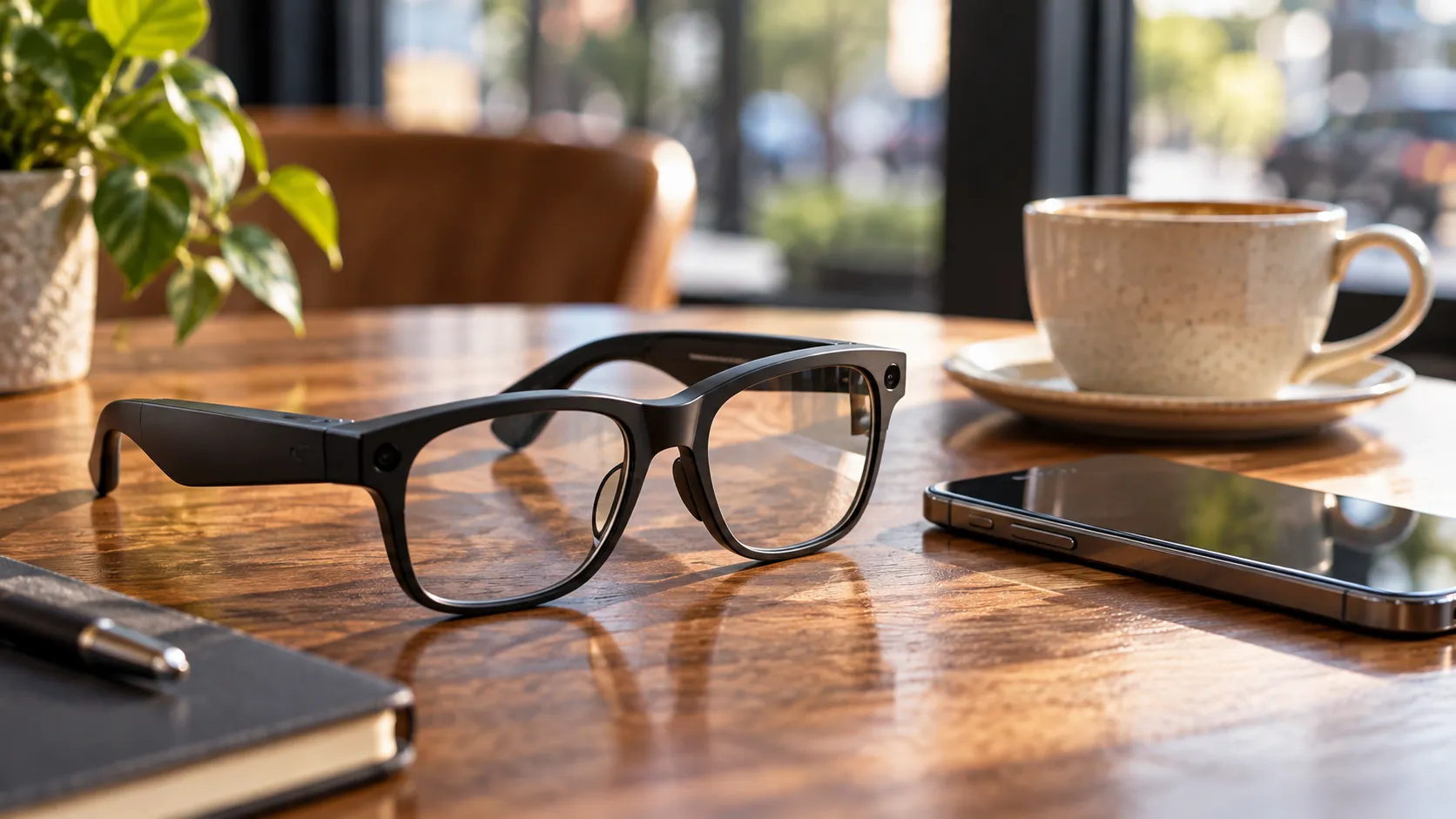
The product strategy reflects this understanding. The first wave will include audio-only frames that let users talk to the Gemini assistant hands-free, plus a model with an in-lens display for overlays like navigation, live translation, and glanceable notifications. This tiered approach means users can choose their level of technological integration, rather than being forced into a one-size-fits-all solution.
Early demonstrations suggest impressive technical refinement, too. Reports indicate Google's take on XR glasses felt noticeably lighter than Meta's, while Google promises that the final version of Android XR glasses will have a brighter display and models with transition lenses that turn darker in direct sunlight. These refinements demonstrate attention to the practical details that determine whether people actually wear these devices daily.
The trust and privacy equation
Here's where Google might have its strongest advantage: consumer trust in the context of intimate wearable technology. Meta Ray-Bans are made by Meta, a company that few people trust enough to wear its face computer and feed deeply personal data. While Google certainly has its own privacy considerations, the company's approach to AI and data handling has generally been more transparent than Meta's advertising-driven model.
This trust factor becomes crucial when discussing devices that can see everything you see, hear everything you hear, and potentially record your most intimate moments. The partnership approach helps here—when your glasses come from Warby Parker or Gentle Monster rather than directly from a tech giant, the relationship feels less invasive and more like a natural extension of existing eyewear purchases.
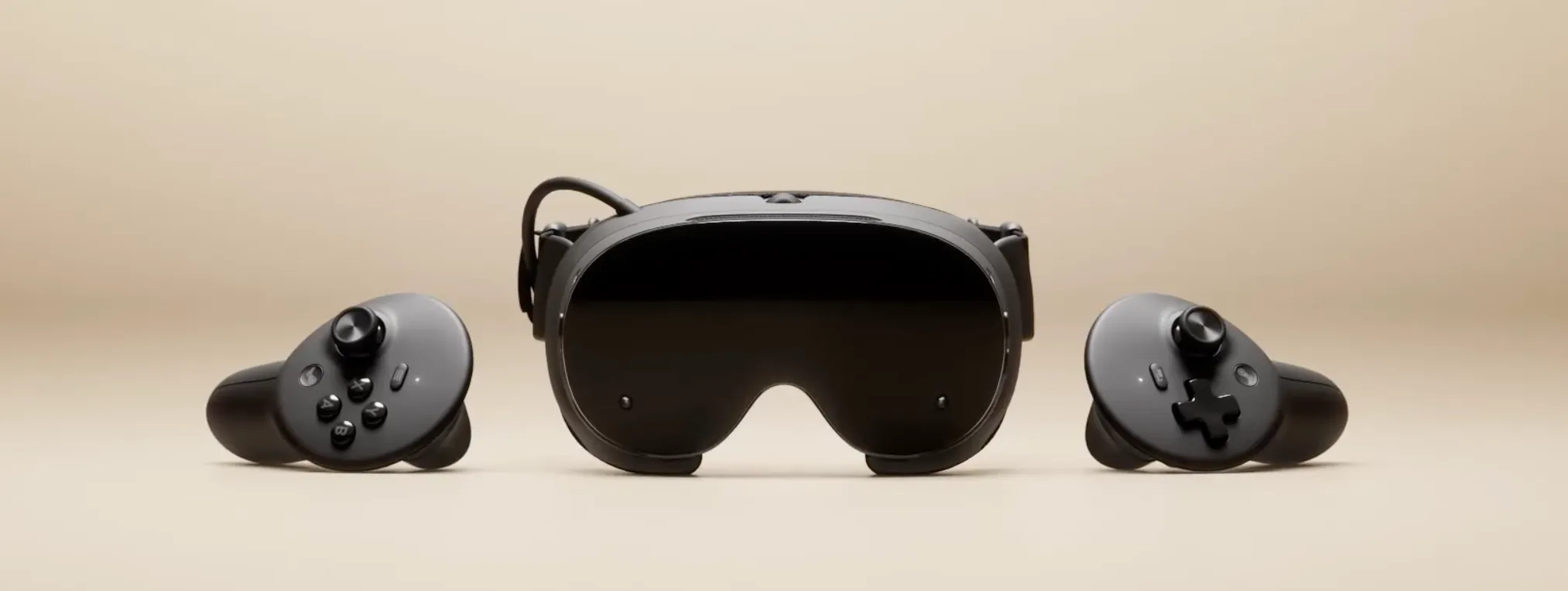
The platform's openness provides additional reassurance. Unlike Meta's closed ecosystem, software made for the Galaxy XR should be easily ported to other Android XR headsets and even future smart glasses, reducing vendor lock-in and giving users more control over their data and experience. This ecosystem approach means users aren't permanently tied to a single company's vision of how smart glasses should work.
Why 2026 might be perfect timing
The timing of Google's 2026 launch window could prove strategically brilliant. While Google is behind Meta right now by not having a pair of smart glasses on the market yet, this apparent disadvantage allows them to learn from Meta's pioneering efforts while avoiding early-market challenges around consumer education and manufacturing scale.
The market timing aligns perfectly with broader technology trends. The artificial intelligence glasses market has reached its inflection point in 2025, with Meta's Ray-Ban collaboration demonstrating consumer demand and driving 210% year-over-year growth. The market is projected to expand from $1.93 billion in 2024 to $8.26 billion by 2030, representing a 27.3% compound annual growth rate.
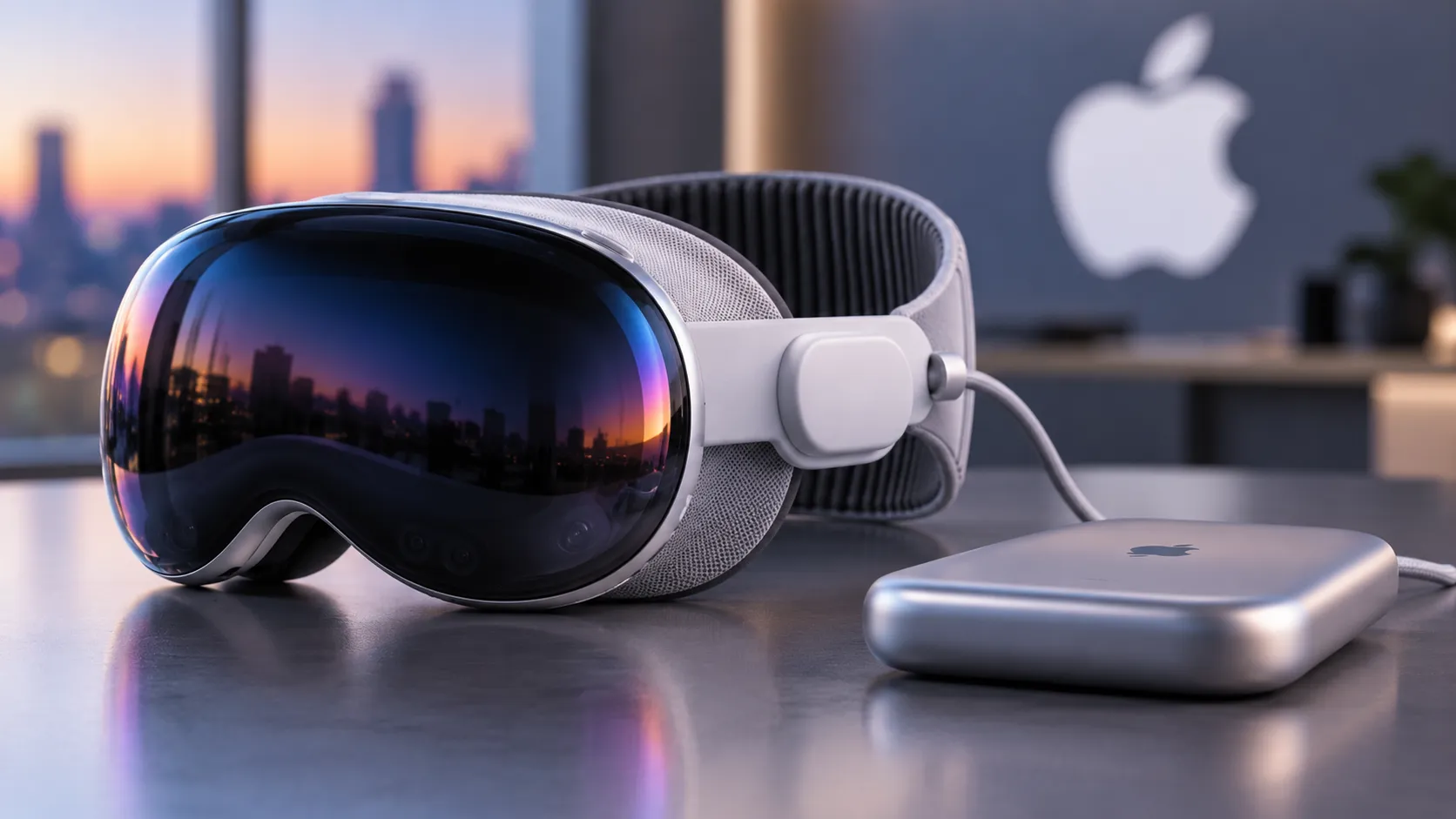
Google's delayed entry means they can solve problems that plagued earlier devices. While Meta Ray-Ban Display and the Vision Pro launched with a few third-party apps, Android XR should launch with a robust app ecosystem from day one by leveraging existing Android compatibility.
The development timeline suggests a coordinated, comprehensive launch rather than a rushed product debut. The glasses will have a retail version co-developed with Samsung, Warby Parker, and Gentle Monster, launching in 2026, while there will be an audio-only version of the glasses that will also launch in 2026. This multi-pronged approach allows Google to address different market segments simultaneously while building on lessons learned from Meta's market development efforts.
The platform play that could define the decade
What we're really looking at here isn't just another smart glasses launch—it's Google's bid to establish the dominant platform for ambient computing. Google's comprehensive Android XR strategy showcases a determined push with AI-powered smart glasses and headsets, positioning the company to own the infrastructure layer of our augmented future.
The three key advantages—ecosystem openness, superior AI integration, and hardware diversity—work together to create something that could be genuinely transformative. While Meta's Ray-Bans proved the concept works, Google's Android XR platform could be what makes smart glasses as ubiquitous as smartphones.
Consider the parallel: Android didn't win the smartphone wars by creating the best individual phone. It succeeded by building the most flexible, open platform that hardware manufacturers and developers could innovate on top of. The same strategy could work brilliantly for smart glasses, especially when combined with Google's AI advantages and the foundation Meta has laid for consumer acceptance.
The real test will be execution, of course. Google's goal is to deliver Google Gemini glasses that look and wear like everyday eyewear while quietly handling interactions that would normally live on a phone screen. If they can deliver on that promise while maintaining the platform advantages they're building, 2026 could mark the beginning of the post-smartphone era.
For anyone considering jumping into smart glasses now versus waiting, the Android XR platform represents a compelling reason to hold off. The combination of better AI, more hardware choices, and a genuinely open ecosystem could make the wait worthwhile—assuming Google can execute on its ambitious vision. Given their track record with Android smartphones and the strategic partnerships they've already secured, that execution looks increasingly likely.

Comments
Be the first, drop a comment!