



Google's Android XR platform is positioning itself as a potential game-changer in the mixed reality landscape at what could be the perfect moment to shake up spatial computing. With the extended reality market valued at $10.64 billion in 2026 and projected to reach a staggering $59.18 billion by 2031, according to Mordor Intelligence, we're witnessing one of the most significant growth opportunities in tech today. What makes Android XR particularly compelling is Google's fundamentally different approach this time—they're betting big on deep partnerships, AI integration, and an open ecosystem that could democratize spatial computing in ways we haven't seen before.
The strategic timing couldn't be more calculated. While competitors like Apple and Meta have established their footholds with premium devices and gaming-focused platforms, Google is positioning Android XR as the platform that could bring spatial computing to the masses through familiar development tools and accessible hardware partnerships. It's a bold strategy that leverages everything Google learned from Android's smartphone dominance, but applied to an entirely new category of human-computer interaction.
The strategic foundation: partnerships that matter
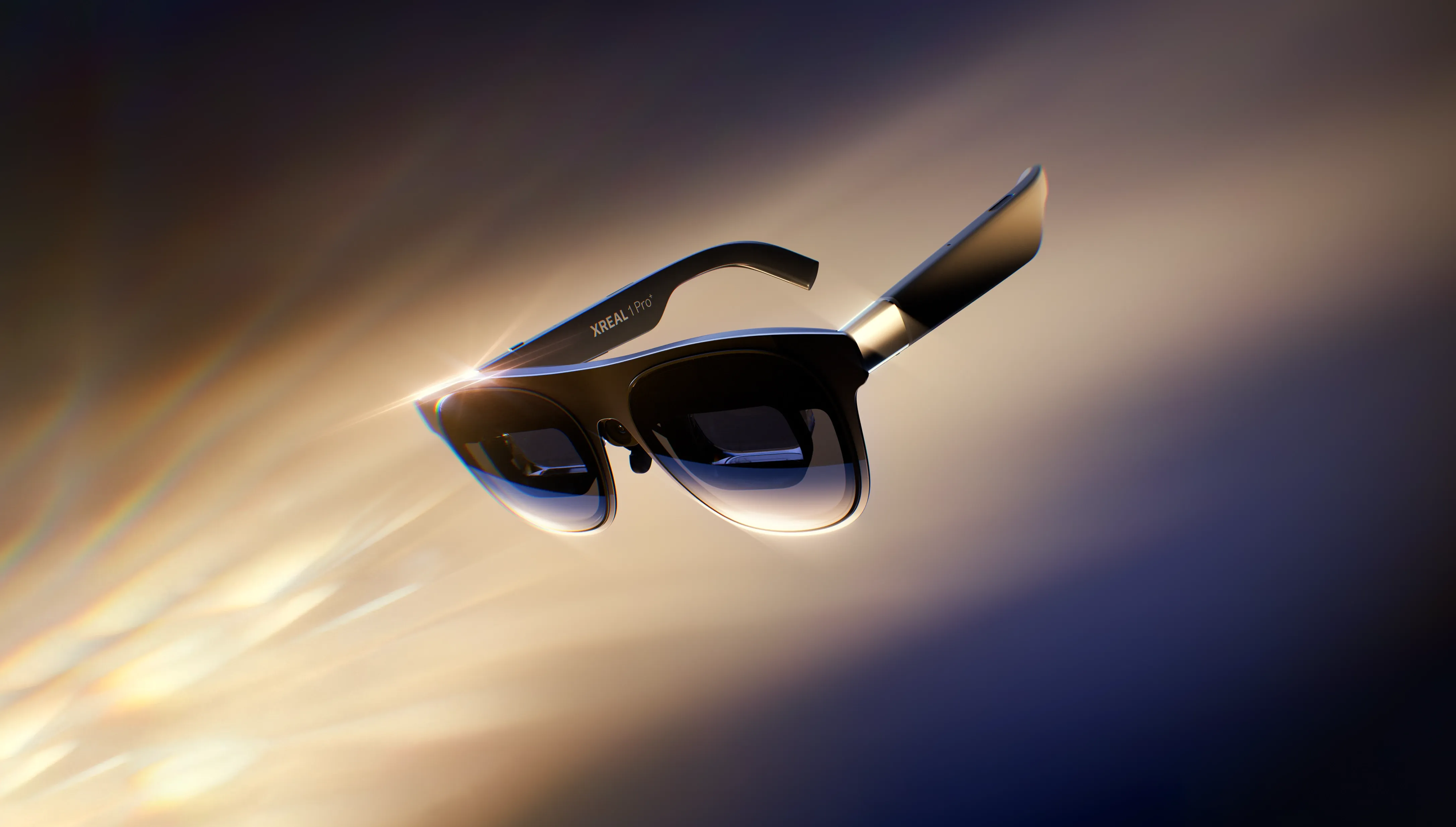
Google's approach to Android XR reveals a sophisticated understanding of what went wrong with previous attempts like Google Glass and Daydream. Instead of going it alone, they've built the platform around deep, collaborative partnerships that extend far beyond typical vendor relationships. The most significant of these is with Xreal, which has become Google's primary hardware partner in what Android Central describes as a comprehensive multi-year partnership involving joint development of both hardware and software components.
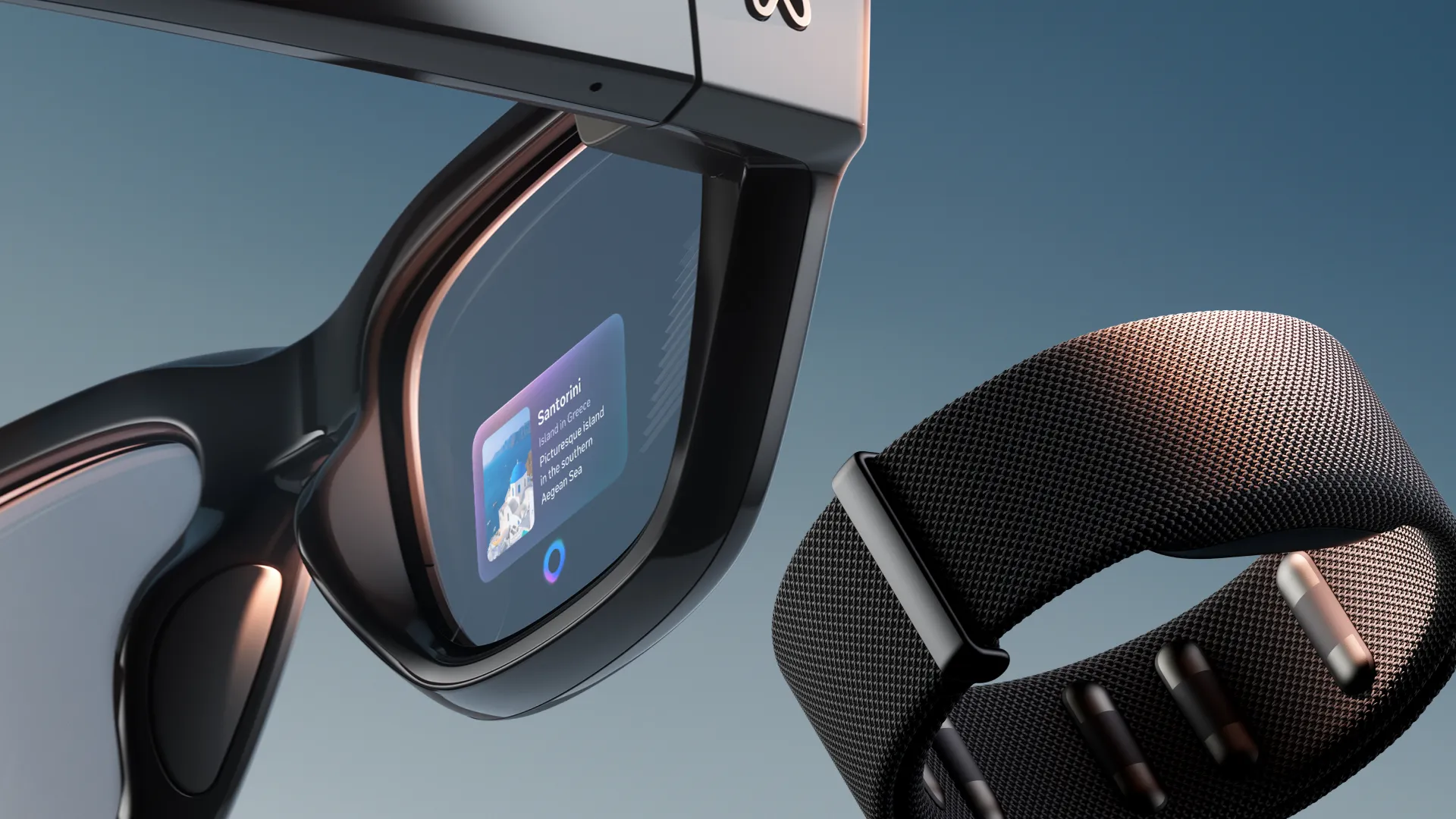
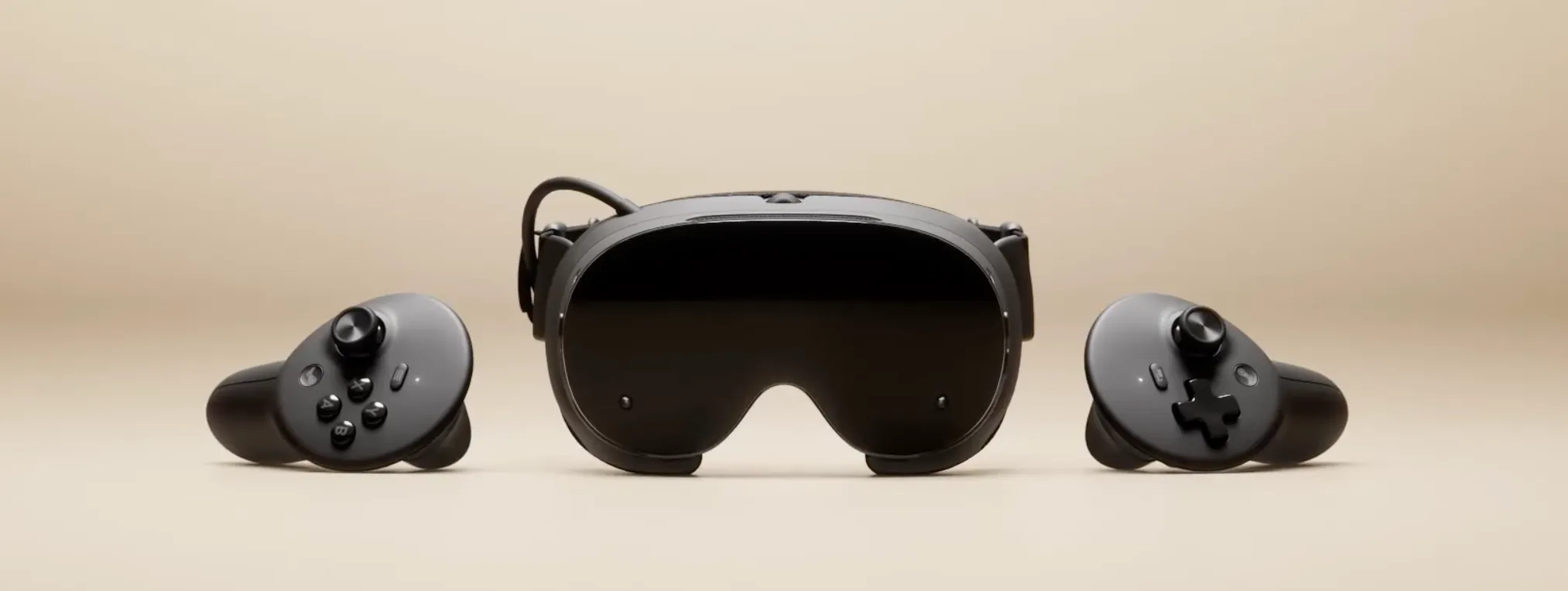
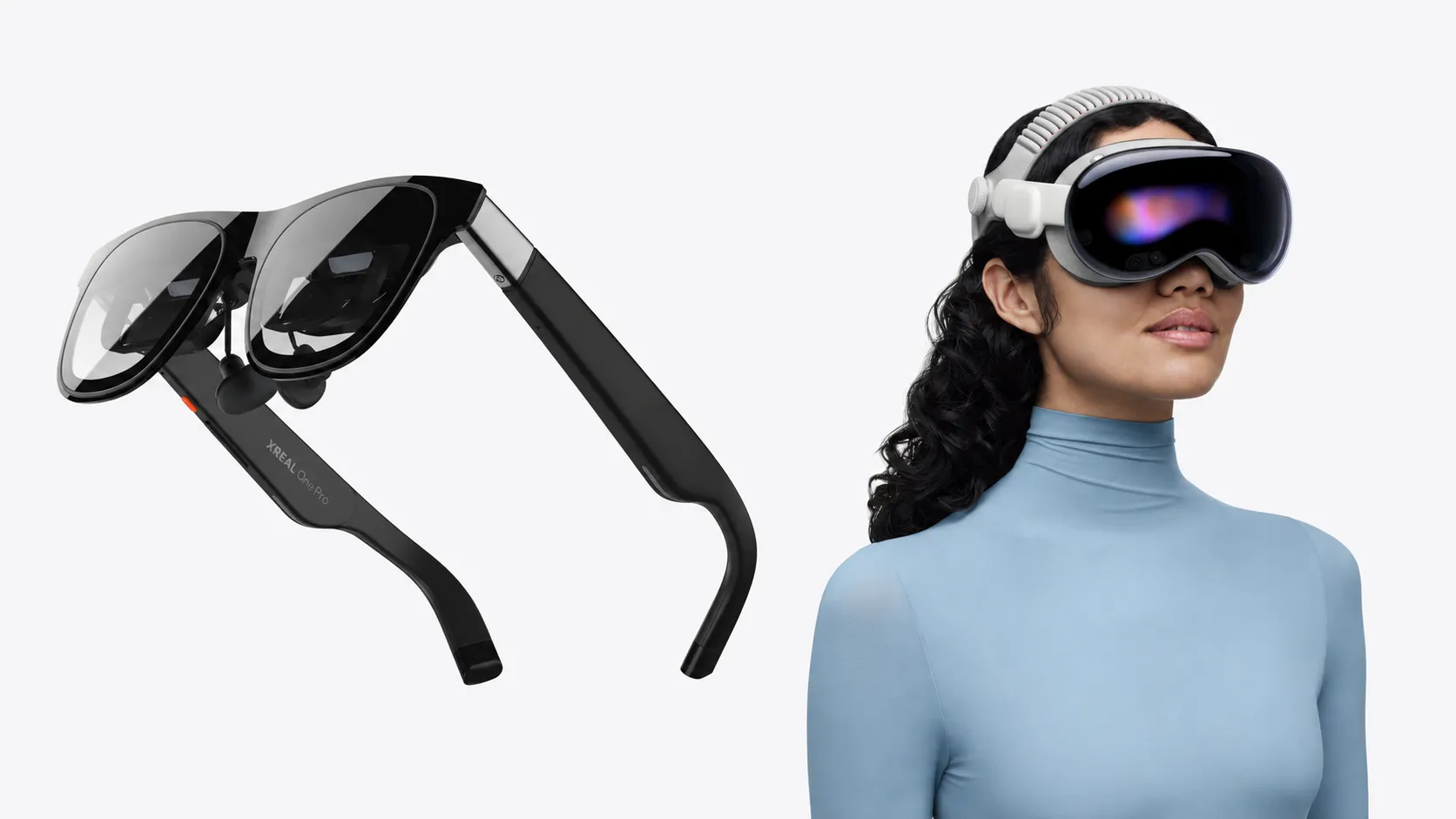
This collaboration has already produced Project Aura, Google's flagship AR glasses experience scheduled for 2026. What makes this partnership particularly strategic is how it demonstrates Google's new model for hardware development—working closely with manufacturers who bring specialized expertise in XR hardware design rather than attempting to master every aspect of the technology stack internally. Project Aura showcases an impressive 70-degree field of view with advanced spatial tracking while maintaining a tethered design that prioritizes visual quality over standalone operation.
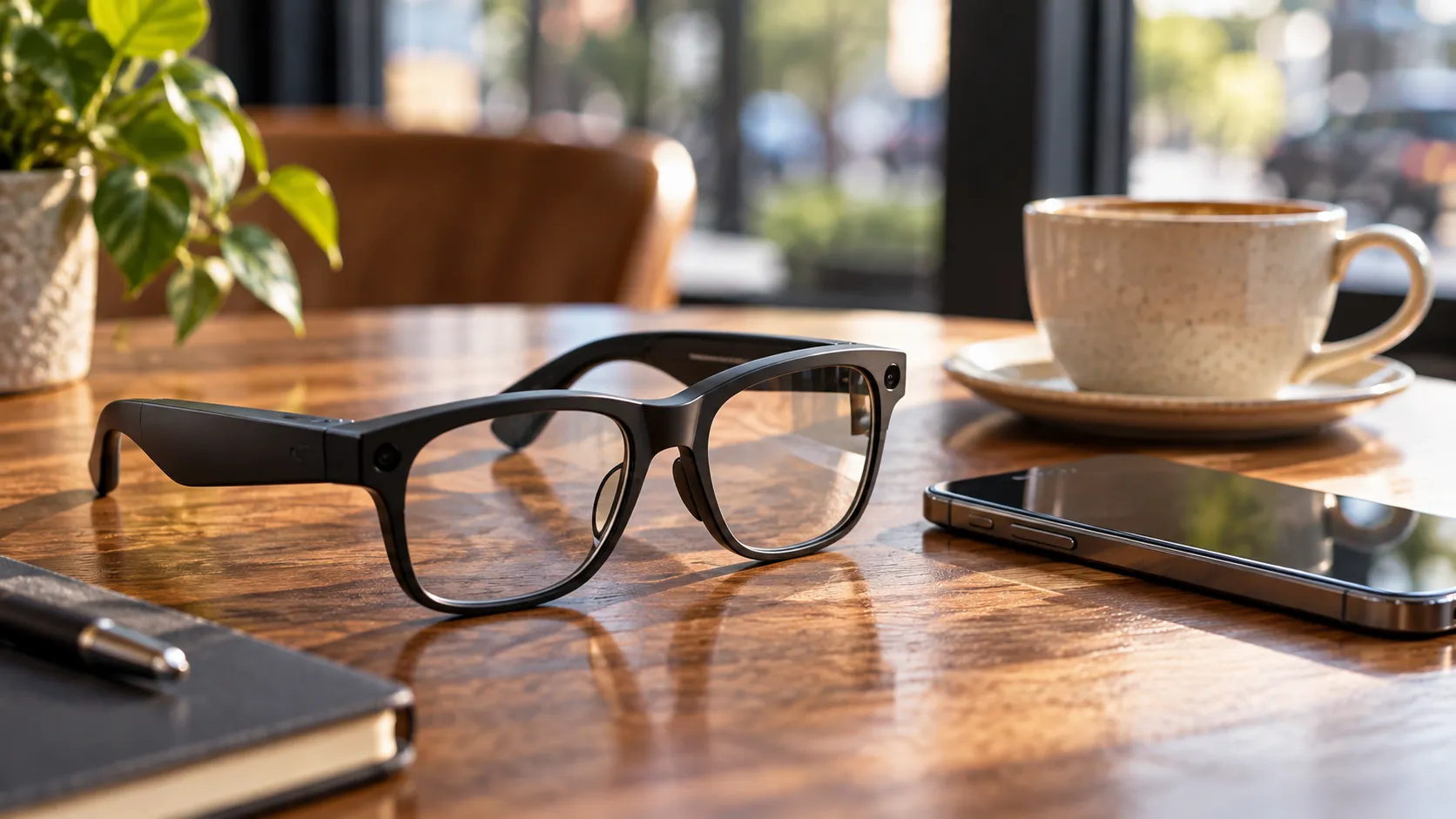
The partnership ecosystem extends strategically beyond Xreal to include Samsung and Qualcomm as key manufacturing and chipset partners, creating a robust foundation that addresses different market segments. Samsung brings serious consumer electronics manufacturing scale and design expertise, while Qualcomm provides processing power specifically optimized for XR applications. Perhaps most tellingly, Google has also partnered with fashion brands like Warby Parker and Gentle Monster for smart glasses development—a clear signal that they understand XR devices must be socially acceptable for everyday wear to achieve mainstream adoption.
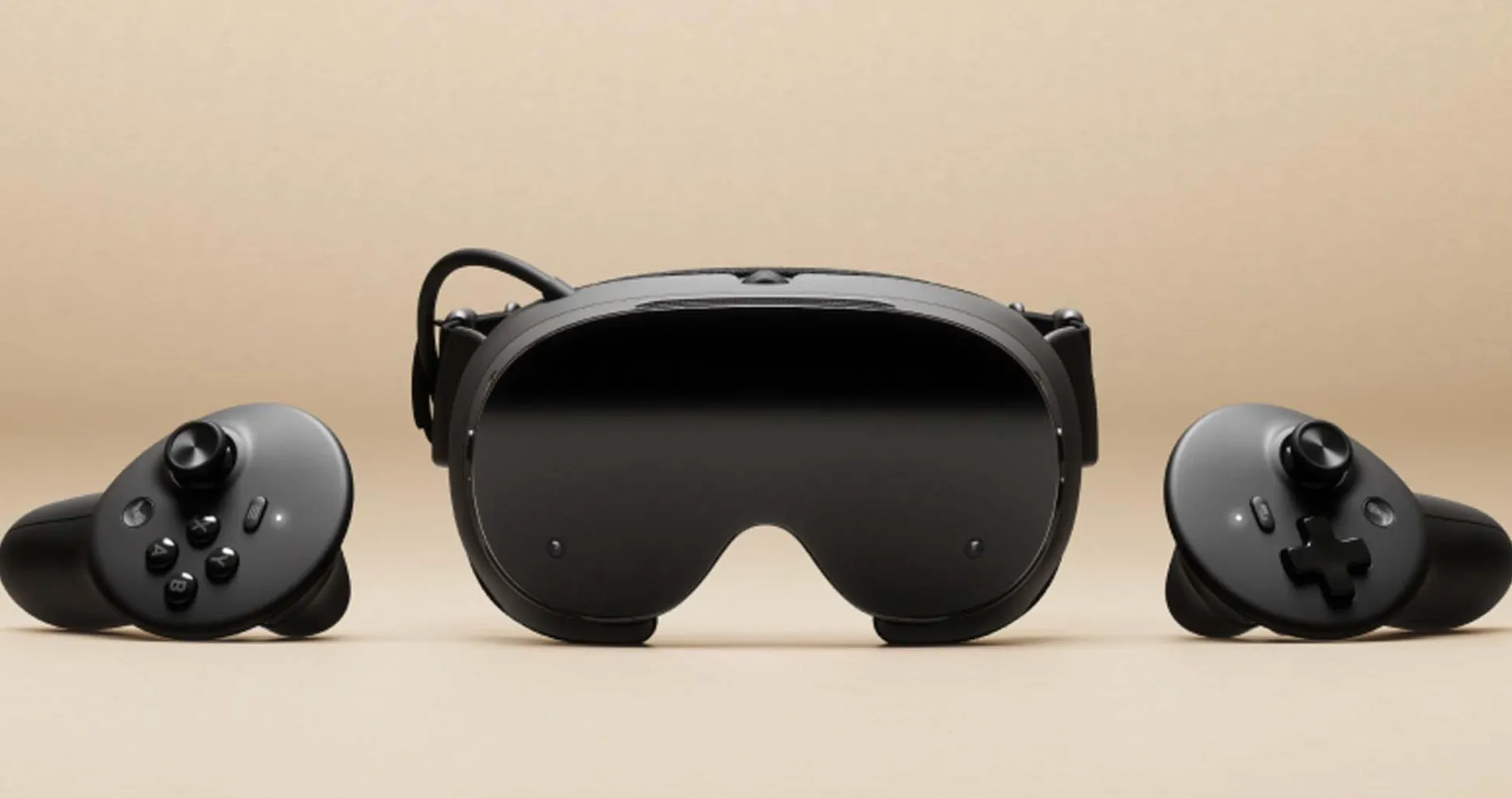
Unlike Apple's closed-loop approach, Futurum Group reports that Android XR supports compatibility with devices from multiple manufacturers including Lynx, Sony, and XReal. This open ecosystem model directly mirrors Android's successful smartphone strategy, potentially enabling diverse hardware options across various price points and specialized use cases, from high-end mixed reality headsets to affordable smart glasses for specific applications.
Technical capabilities driving market differentiation
The technical architecture of Android XR showcases several strategic choices that could provide Google with significant competitive advantages in spatial computing. At the platform's core is deep integration with Gemini AI, which represents far more than the bolt-on AI features we see in other devices. Futurum Group notes that this integration enables contextual assistance and hands-free device control that constitutes a genuine advancement in how users interact with spatial computing environments.
The platform's hardware capabilities demonstrate Google's commitment to delivering premium experiences through strategic partnerships. Project Aura exemplifies this approach with its wide field of view and advanced spatial tracking, while maintaining a tethered design that allows for enhanced processing power without the weight penalties that plague standalone devices. The system's support for multiple input methods—controller tracking, hand tracking, eye tracking, and voice commands—provides the flexibility necessary for different user preferences and application requirements.
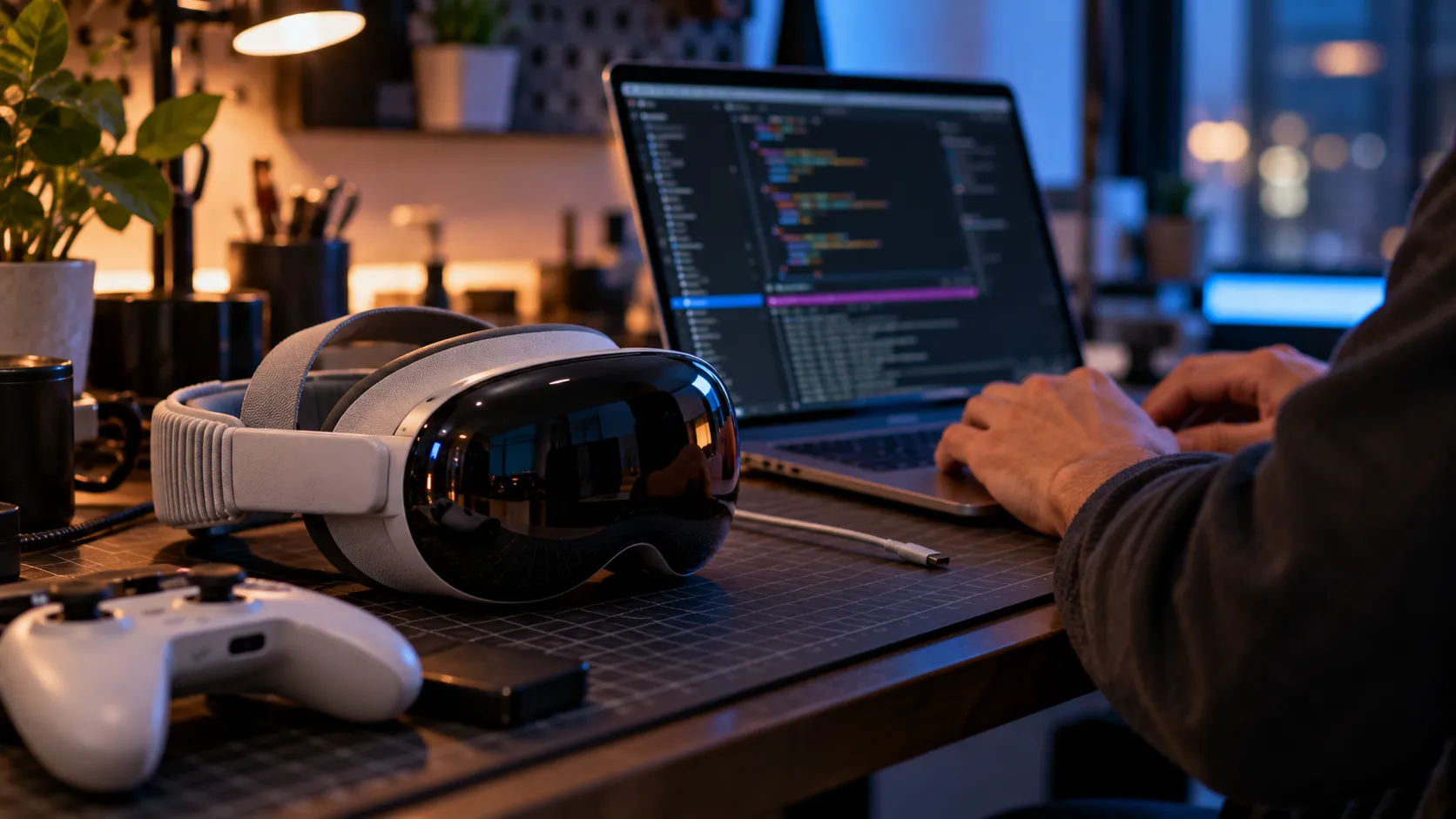
What distinguishes Android XR most significantly is Google's developer-centric technical strategy. The platform integrates familiar development tools including ARCore, Android Studio, Jetpack Compose, Unity, and OpenXR, as detailed by Futurum Group. This creates a development environment that leverages existing developer expertise while reducing the learning curve for creating XR applications.
Even more strategically important is Android XR's backward compatibility implementation. Google's promise that current Play Store developers can opt in to Android XR and have their apps "just work" due to built-in compatibility features could solve the chicken-and-egg problem that has plagued new XR platforms—ensuring compelling content exists at launch rather than waiting for developers to create platform-specific applications. The recent release of the third developer preview of the Android XR SDK indicates active development momentum and growing ecosystem support that could accelerate platform adoption.
Market positioning against established competitors
Google's entry into the XR market occurs within a competitive landscape already shaped by significant players, each pursuing distinct strategies that reveal different philosophies about spatial computing's future. Meta currently commands about 71% of XR headset market share, according to Virtual Reality News, while Apple has carved out a premium position with the Vision Pro despite its limited adoption rates due to pricing constraints.
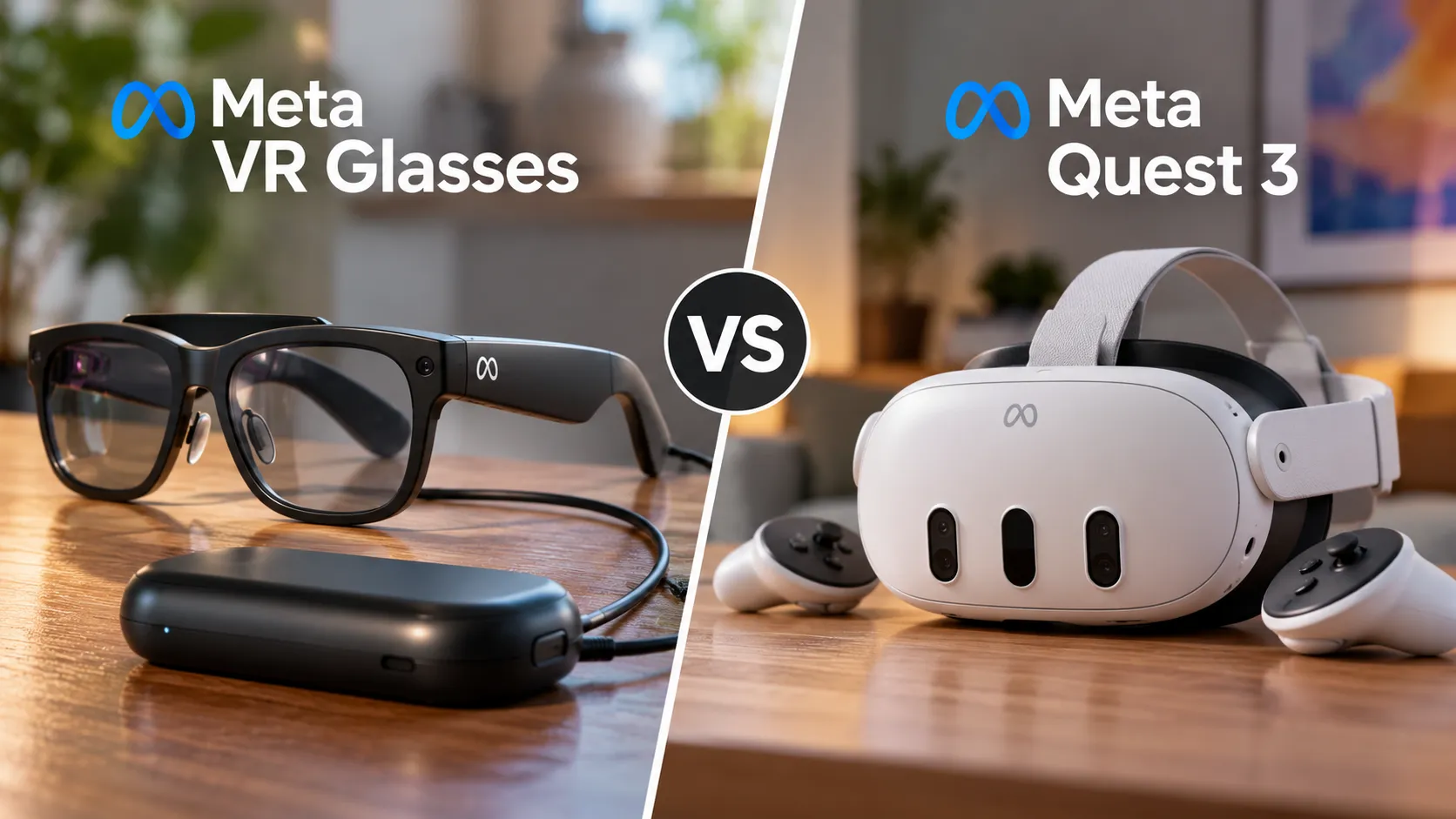
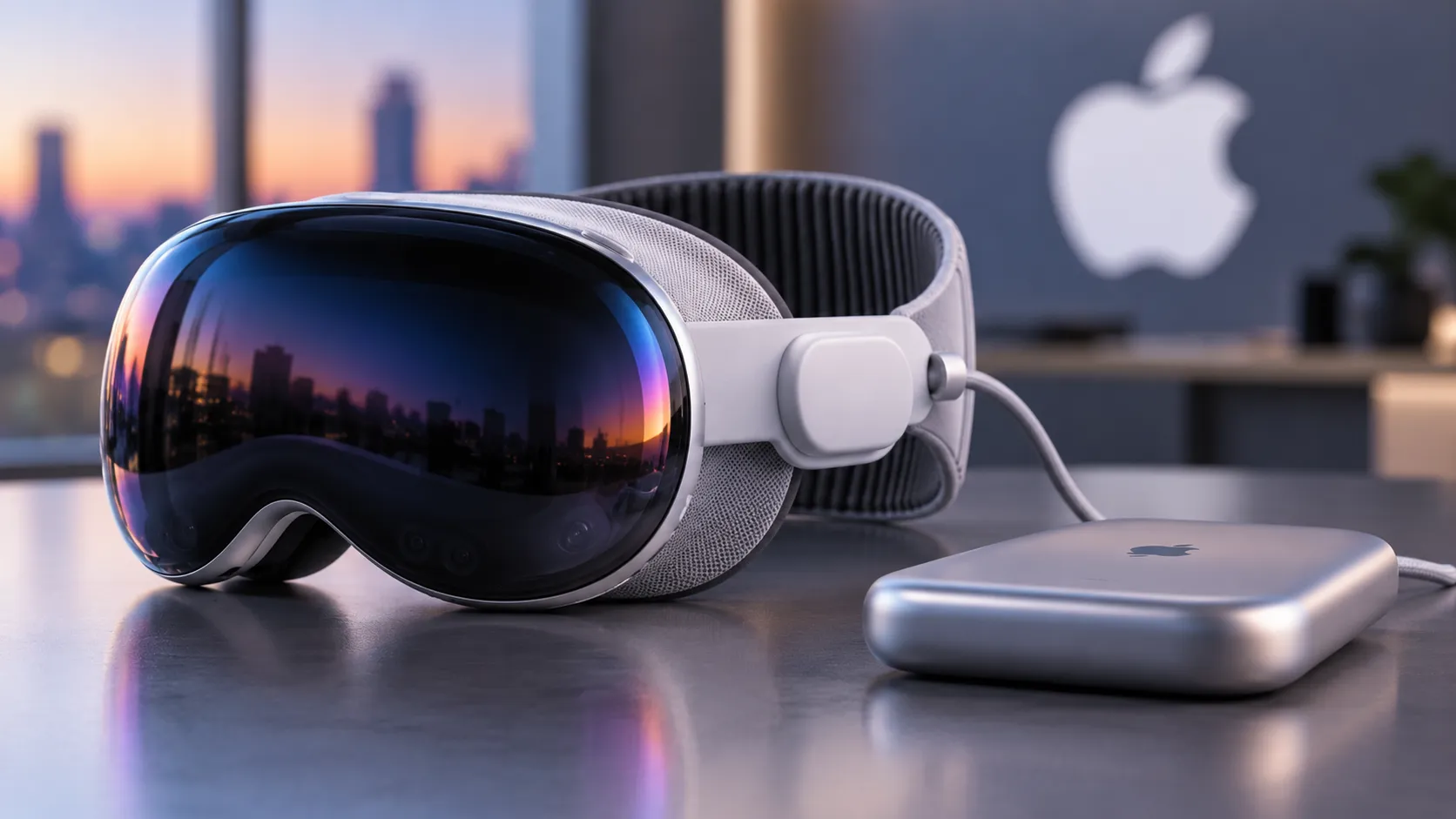
The competitive dynamics reveal fascinating strategic differences that highlight Android XR's positioning opportunities. Meta's strategy focuses heavily on gaming and social experiences, with their Ray-Ban smart glasses emphasizing content capture and AI assistance designed for natural public use. Apple has positioned the Vision Pro as a premium spatial computing device with enterprise-grade visual experiences, but at a $3,499 price point that significantly limits market accessibility.
Samsung's Android XR approach, exemplified by the Galaxy XR headset priced at $1,799, establishes a strategic middle ground that could capture users seeking more than Meta's gaming-focused ecosystem while avoiding Apple's premium pricing barrier. Virtual Reality News notes that Samsung's strategy suggests broader integration with productivity, health, and workflow applications, building toward fully connected computing devices that utilize multiple sensors and companion wearables rather than standalone entertainment systems.
Android XR's competitive positioning leverages Google's unique ecosystem advantages in ways that neither Meta nor Apple can easily replicate. While Meta has built an impressive VR gaming library and Apple offers premium spatial computing experiences, Google brings the entire Android app ecosystem, integrated AI services, and enterprise-grade scalability through proven cloud infrastructure and development tools. This combination could prove decisive as the market evolves beyond entertainment-focused applications toward practical everyday computing solutions that integrate seamlessly with users' existing digital workflows.
The 2026 timeline and market implications
The projected 2026 launch window for Android XR devices demonstrates strategic timing that aligns with several converging market trends working in Google's favor. Industry forecasts predict strong growth trajectories, with mixed reality shipments expected to increase from 3.3 million units in 2025 to over 15.2 million units by 2029, according to IDC research. Extended reality devices are projected to surge from 2.2 million to 8.6 million units over the same period, indicating robust demand for lighter, more socially acceptable form factors that Android XR is specifically designed to address.
Google's 2026 entry timeline represents calculated strategic patience that allows the company to benefit from market education that competitors have already provided. Apple's Vision Pro has demonstrated spatial computing's potential to enterprise users and technology early adopters, while Meta's Quest platform has proven consumer willingness to adopt XR devices when they offer clear value propositions and accessible pricing. This market preparation gives Google the opportunity to learn from early competitive developments while building a platform that addresses identified limitations and user needs.
The enterprise market presents particularly compelling opportunities for Android XR's 2026 market entry. Early enterprise adopters are already reporting significant productivity gains: manufacturing applications show 40% faster workflows, while healthcare applications demonstrate 25% shorter surgery times with AR assistance, according to AI Invest. These proven productivity improvements, combined with Android XR's open architecture and established partnerships with enterprise platforms like Microsoft Teams and Zoom, position the platform to capture substantial enterprise market share.
The cost-effective scalability that Android XR's open platform approach enables could fundamentally change enterprise adoption economics. While Apple's closed Vision Pro ecosystem requires significant investment in proprietary hardware and specialized development resources, Android XR's compatibility with diverse hardware configurations and existing Android development expertise could enable organizations to deploy spatial computing solutions across varied use cases and budget constraints. This flexibility advantage could accelerate enterprise adoption rates and establish Google as the dominant enterprise spatial computing platform well before the market reaches its projected growth peak.
What this means for the future of spatial computing
Google's Android XR platform represents something far more significant than another competitor entering the mixed reality market—it signals a potential paradigm shift toward open, AI-driven spatial computing ecosystems that could define the next generation of human-computer interaction. The platform's success will likely depend on its ability to deliver on three interconnected promises: seamless device integration across diverse hardware partnerships, practical everyday applications that extend beyond gaming and entertainment into genuine productivity enhancement, and developer adoption at sufficient scale to create a self-sustaining ecosystem.
With the extended reality market projected to reach $84.86 billion by 2029, according to XR Today, the economic stakes for establishing early platform leadership are substantial. Android XR's distinctive approach—leveraging the same open platform strategy that enabled Android's smartphone success—could fundamentally democratize access to spatial computing technologies in ways that closed ecosystems cannot match, potentially creating entirely new markets and use cases.
The implications extend beyond individual device adoption to the fundamental architecture of future computing platforms. Android XR's emphasis on cross-device compatibility and AI integration suggests a future where spatial computing becomes as ubiquitous and varied as smartphone ecosystems today, but with even deeper integration into daily workflows and decision-making processes. We're potentially witnessing the emergence of computing environments where AR glasses become as essential as smartphones, where mixed reality headsets serve specialized professional and creative functions, and where all these devices work together seamlessly within unified, intelligent platforms.
Google's 2026 launch timeline positions the company to capitalize on the convergence of several critical technological and market trends: mature AI capabilities that genuinely enhance rather than complicate user experiences, improved hardware miniaturization that makes all-day wearable devices practical and socially acceptable, and growing consumer familiarity with wearable computing through fitness trackers and smartwatches. If Android XR successfully integrates these elements while maintaining the openness and developer accessibility that made Android successful in mobile computing, it could establish itself as the foundational platform for spatial computing, fundamentally transforming how we work, create, and interact with both digital content and the physical world around us.



Comments
Be the first, drop a comment!