


Android XR Smart Glasses Explained: Confirmed Features and Open Questions
Google has tried to put useful computing on your face before. Android XR smart glasses are its most credible attempt since Glass, not because the hardware is some dramatic leap forward, but because Gemini finally gives the company a plausible reason for the product to exist. The argument is simple: an AI that shares your perspective, hears what you hear, and surfaces relevant help without requiring you to reach for your phone could make narrow, hands-free tasks genuinely useful in a way nothing Google had a decade ago could. Whether that argument holds up outside a demo environment is the question this piece works through.
The evidence supporting Android XR's potential comes almost entirely from Google's own materials. What follows maps what's confirmed, what remains a vision statement, and what three things would need to go right for this to become a real product category.
What Android XR smart glasses actually are
Android XR is an operating system, built on Android, designed specifically for extended reality devices. Google introduced it in December 2024 alongside Samsung and Qualcomm, describing it as an open, unified platform for headsets and glasses, per the Google blog. By May 2025, Google was calling it "the first Android platform built in the Gemini era," positioning it as the foundation for AI-powered wearables, as Google noted.
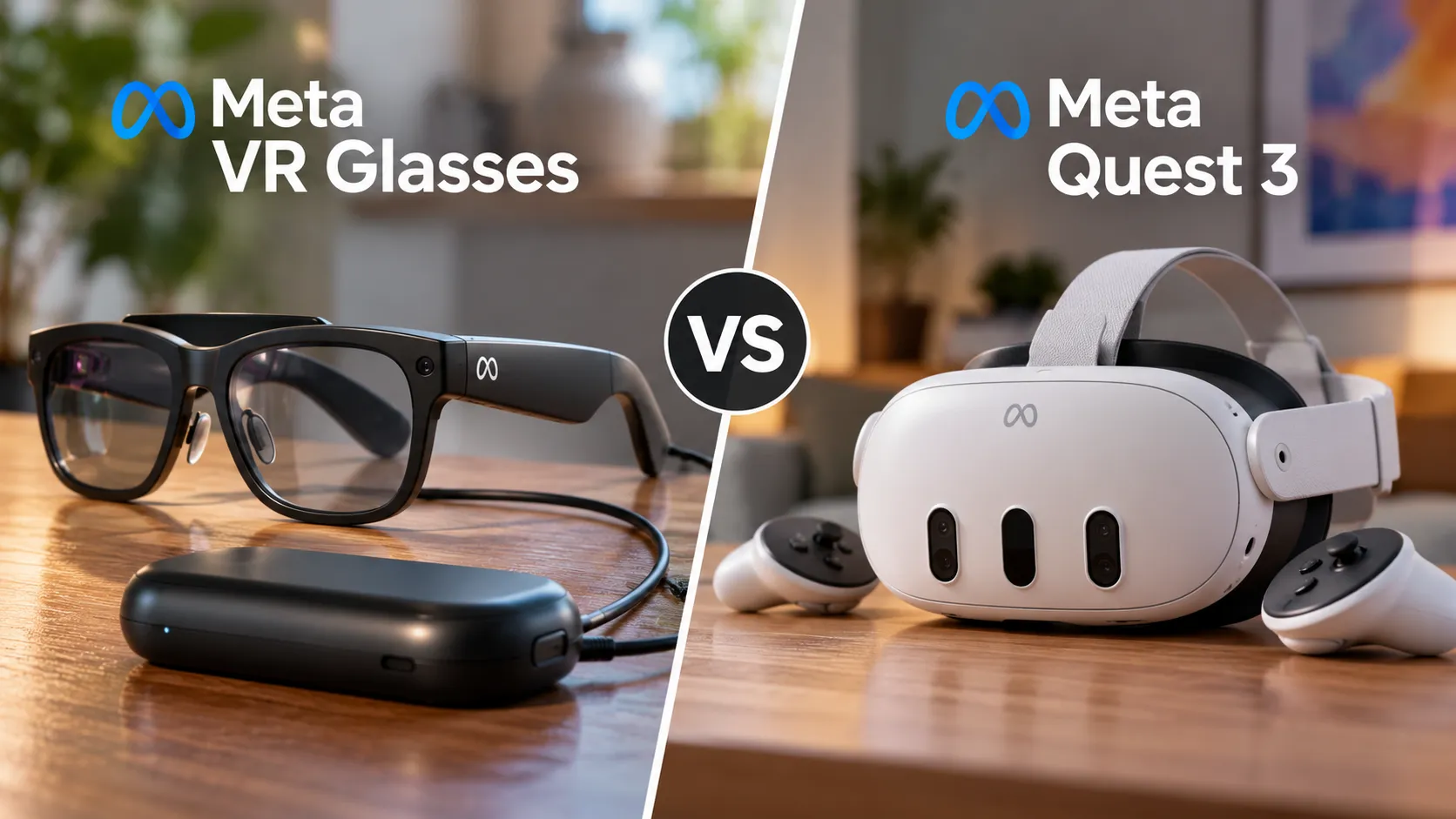
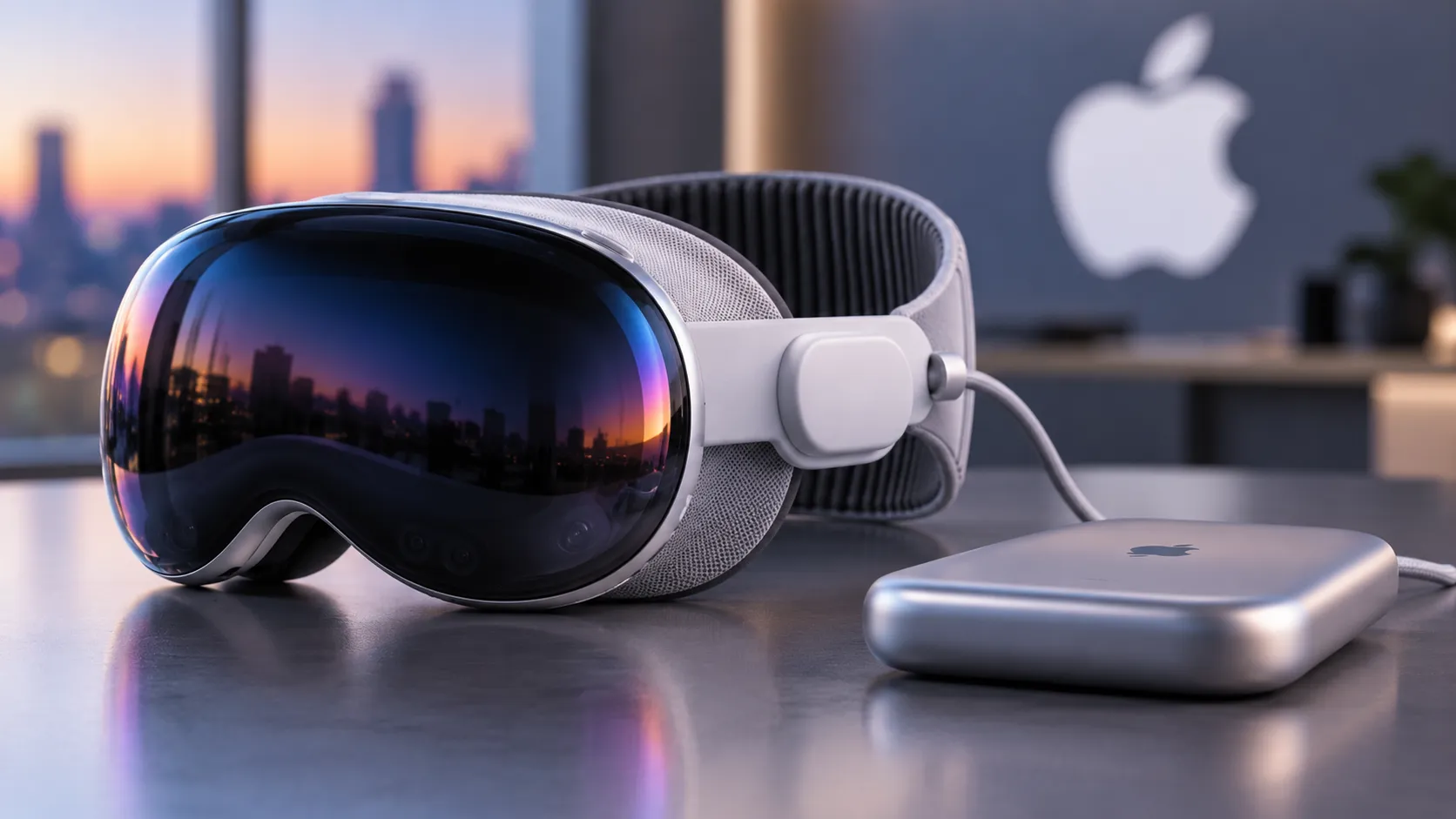
The glasses are a distinct category from headsets, and the distinction matters. A headset is immersive; you put it on to enter a virtual or mixed environment, then take it off. Glasses are meant to stay on your face throughout the day, in the real world, adding a layer of AI assistance on top of whatever you're already doing. Think of them as a phone you don't have to take out of your pocket, rather than a screen you disappear into.
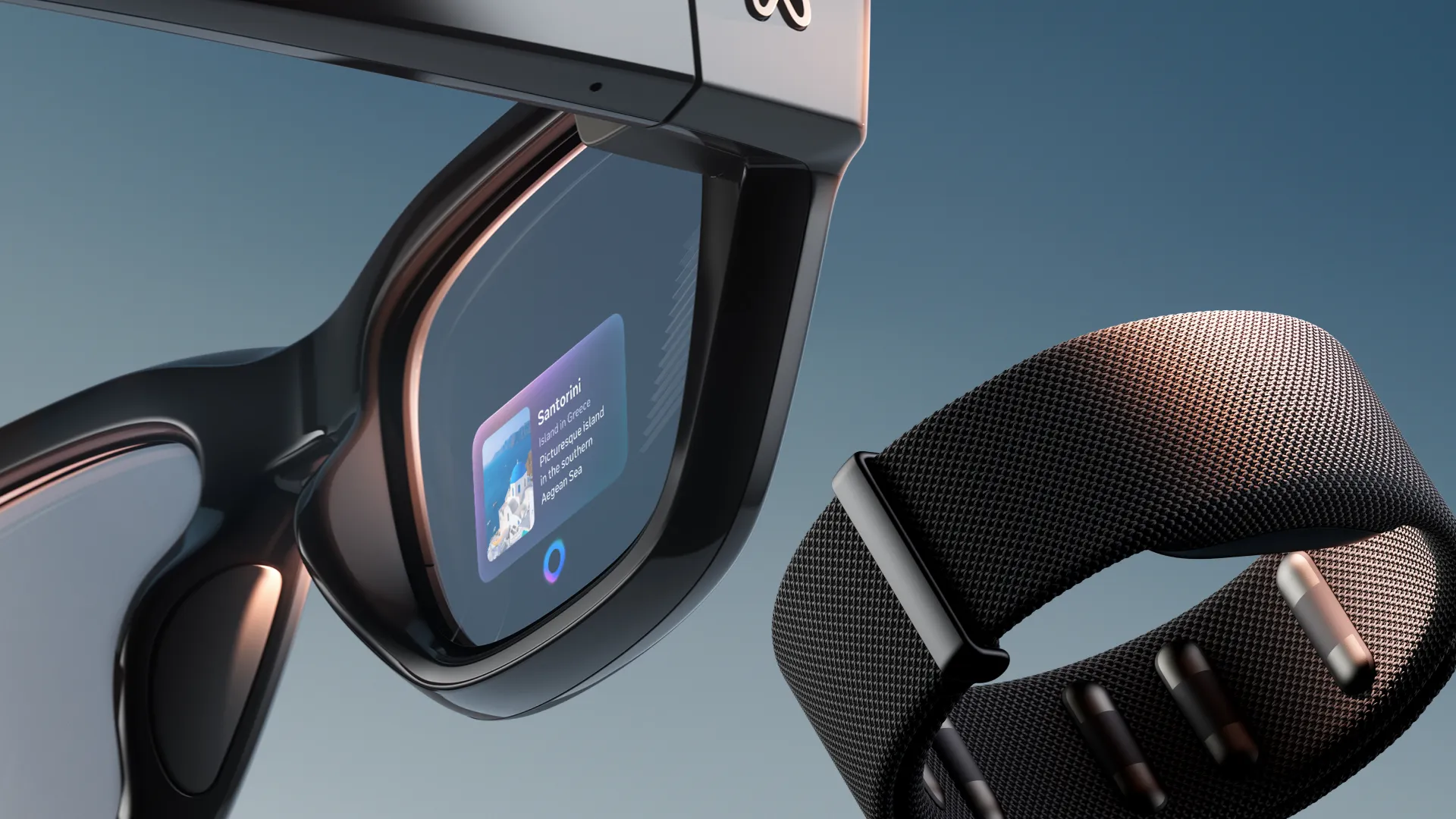
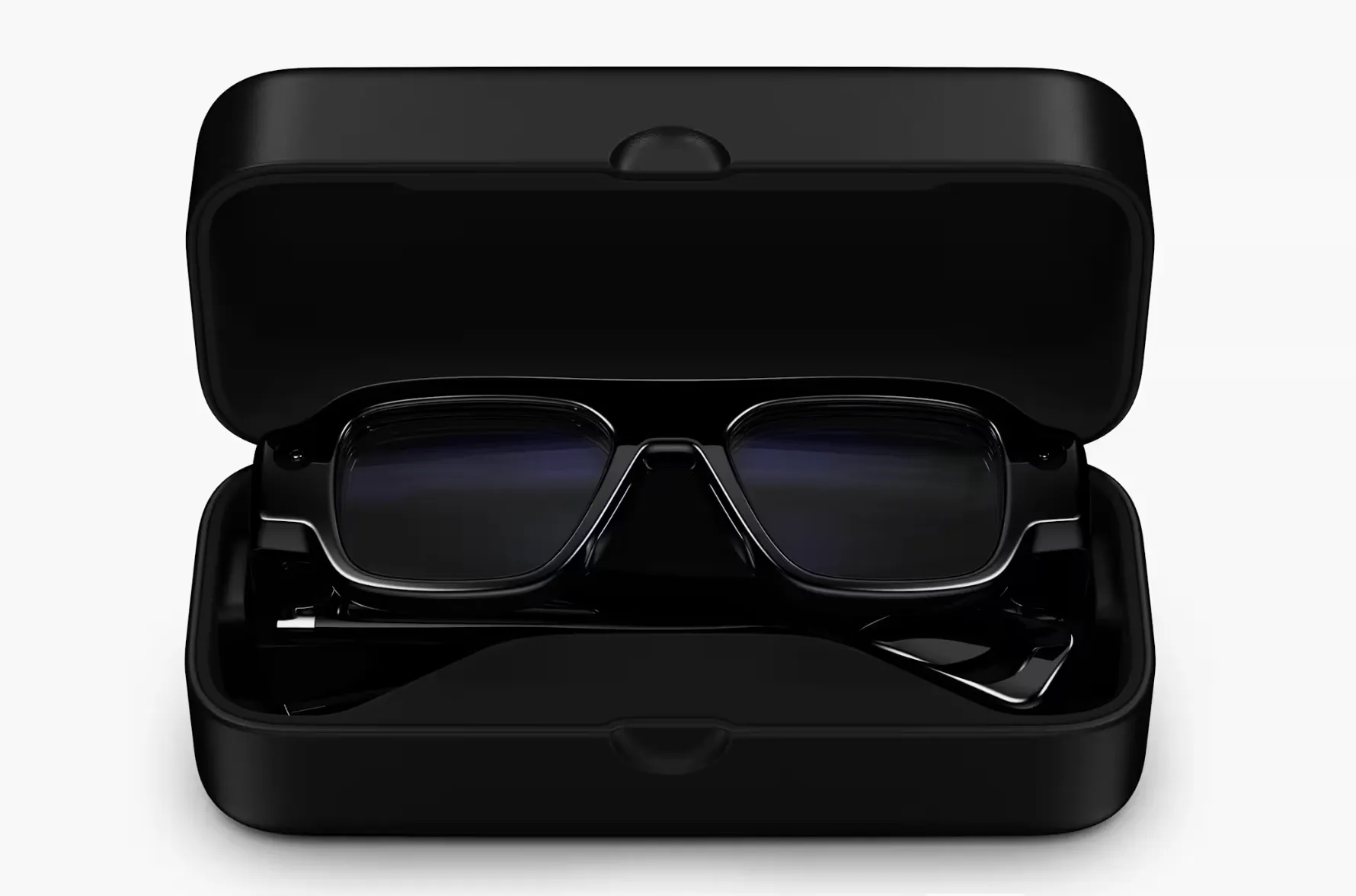
The hardware baseline is camera, microphones, and speakers. Google describes two main variants: screen-free AI glasses that communicate through audio, and display AI glasses that add an in-lens screen for glanceable information like navigation prompts or translation captions, as confirmed in late 2025. A third category, wired XR glasses, connects to an external device for something closer to headset-level immersion; XREAL's Project Aura, featuring a 70-degree optical see-through field of view, was the first named device in that class, per the same post. That category is worth noting mainly as evidence that Android XR is a platform with range. It won't be the focus of most people reading this.
One practical constraint Google has been upfront about: the glasses work in tandem with a connected phone rather than as standalone devices, per Google. They extend a phone's capabilities rather than replace it. That has real implications for battery life, portability, and what "all-day help" actually means when the device doing most of the computational work is sitting in your bag.
Google has described the glasses as targeting short, high-value interventions: directions, translation, message summaries rather than sustained immersive computing, per the original December 2024 announcement. That framing is deliberate, and it's smarter than how Glass was positioned. The goal isn't continuous use; it's being available at the moments when reaching for your phone is genuinely inconvenient.
What Google has actually shown
At Google I/O in May 2025, Google demoed Android XR glasses handling messaging, calendar appointments, turn-by-turn navigation, photography, and live language translation between two speakers, described internally as "subtitles for the real world," Google reported. That's a coherent set of use cases. Each one targets a moment where looking at your phone is awkward or impossible: mid-conversation, mid-walk, mid-trip to a country where you don't speak the language.
The design partnerships are also taking shape. Google announced collaborations with Gentle Monster and Warby Parker for consumer-facing Google Android XR glasses, and named Kering Eyewear as a future partner, per Google. The logic is straightforward: these glasses have to look like eyewear first and tech second. Google watched what happened to Glass closely enough to know that nobody wants to be the person in the room wearing obvious face computers. Style-brand partnerships signal that lesson was learned, even if they don't guarantee the social dynamics resolve any more cleanly.
On the developer side, Google released Developer Preview 3 of the Android XR SDK in late 2025, opening tools and APIs specifically for AI glasses development, with Uber and GetYourGuide among the early named partners, Google announced. The platform also supported existing developer tools, including ARCore, Android Studio, Jetpack Compose, Unity, and OpenXR, from the original December 2024 launch, per Google. That's a meaningful foundation: developers building for Android XR aren't starting from scratch on a dead-end platform. They're working with tools they already know, against an existing app ecosystem.
Whether that advantage actually translates to a rich glasses-specific experience is a different question. The sources here support SDK previews and named early partners. They don't support the conclusion that a mature glasses app library exists yet. That gap is worth keeping in mind when reading launch-window coverage.
Android XR smart glasses release date: what's confirmed
The timeline, pieced together from Google's own posts, looks like this.
In December 2024, Google announced Android XR with headsets named as the first launch priority and real-world prototype testing with a small user group described as imminent, per Google. By May 2025, limited trusted-tester feedback had begun for glasses prototypes, with device availability still pending, per Google. In December 2025, Google stated "the first glasses will arrive next year," establishing a 2026 consumer launch window, per Google.
As of May 2026, that window is now. Which partner's device arrives first, at what price, in which markets, and in what quantities has not been publicly confirmed in the sources available for this article.
The cited sources also don't provide battery life, device weight, processor configuration, display resolution, or camera quality for any of the announced form factors. These aren't minor specs. They determine whether the glasses are comfortable across a full day of real use, or whether they're another impressive prototype that struggles outside ideal conditions.
The phone-dependency model raises a specific practical question that Google hasn't addressed in available materials: how does battery consumption work when the glasses are tethered to a phone? Does the phone carry the computational load? What happens when it isn't nearby? That's the kind of detail that matters enormously on a Tuesday morning when you're actually wearing the thing.
What would have to go right
Three things stand between the current roadmap and a product that works in the real world.
Privacy implementation. The sensors that make Android XR glasses useful, a camera and microphone sharing the wearer's live perspective with an AI, are precisely what makes them uncomfortable for everyone else nearby. Google acknowledged this directly, noting that trusted-tester feedback is partly about ensuring the product "respects privacy for you and those around you," per Google. What the cited sources don't address: whether there are visible recording indicators, how data is processed, what bystander protections exist, or how long any of it is retained. Those aren't secondary UX decisions. They're the difference between a product people can defend wearing in shared spaces and one that makes every interaction with strangers a negotiation before it's started.
Social acceptance. A Warby Parker collaboration solves an aesthetic problem. It doesn't solve the social one. Researchers studying the ambient computing shift have argued that AI glasses are emerging as continuous, context-aware interfaces embedded in everyday environments, and that this transition raises media governance challenges that existing public-sphere frameworks weren't designed to address, as a Frontiers review published earlier this year lays out. Wearing a camera on your face in shared spaces is a negotiation with everyone in the room. Consumer willingness to adopt the hardware, and community tolerance for others wearing it, is a genuine adoption variable that no hardware spec addresses.
Product fundamentals. Battery life, weight, comfort across hours of real use, and the reliability of Gemini's contextual understanding in uncontrolled environments are all unconfirmed by the available sources. The demos show what the glasses could do under prepared conditions. They don't establish that the product works consistently when the lighting is bad, the ambient noise is high, and the setup isn't a Google-produced scenario with a clean run of show. A use case that works in a demo is not the same as a use case that works.
Where this leaves things
Android XR is a real platform. It has an SDK, a developer preview, confirmed hardware partners, and at least one named device, XREAL's Project Aura, in the wired-glasses category. Trusted-tester feedback on glasses prototypes was underway by mid-2025. The strategic architecture, Gemini as the AI layer, Samsung as co-developer, eyewear brands handling consumer design, Android's existing ecosystem as the foundation, is the most coherent smart-glasses strategy Google has assembled, per the December 2025 update.
What's still unproven: that Gemini delivers seamless, context-aware assistance in real-world conditions rather than controlled ones; that style partnerships meaningfully shift public tolerance for wearable cameras; that the Android developer base generates a glasses app library worth having. These may all prove out. As of May 2026, none are supported by evidence outside Google's own materials.
Three signals will tell you more than any future announcement. Concrete launch details from Gentle Monster, Warby Parker, or XREAL, with actual prices and availability, not just a named window. Privacy policy specifics from Google covering data handling, retention, and what protections exist for people who didn't choose to be in someone else's camera frame. Independent hands-on coverage from reviewers who didn't receive the product through Google. When those three things exist, the picture will be much clearer. Until then, the story is still mostly Google's to tell.


Comments
Be the first, drop a comment!