


Apple smart glasses hand gesture controls: facts vs. speculation
Apple is accelerating development of smart glasses built around a version of Siri that acts on live visual input, not text commands. The question of how users will control those glasses, including whether Apple smart glasses hand gesture controls will feature at all, remains genuinely open. No source in current reporting has confirmed a specific input method beyond voice.
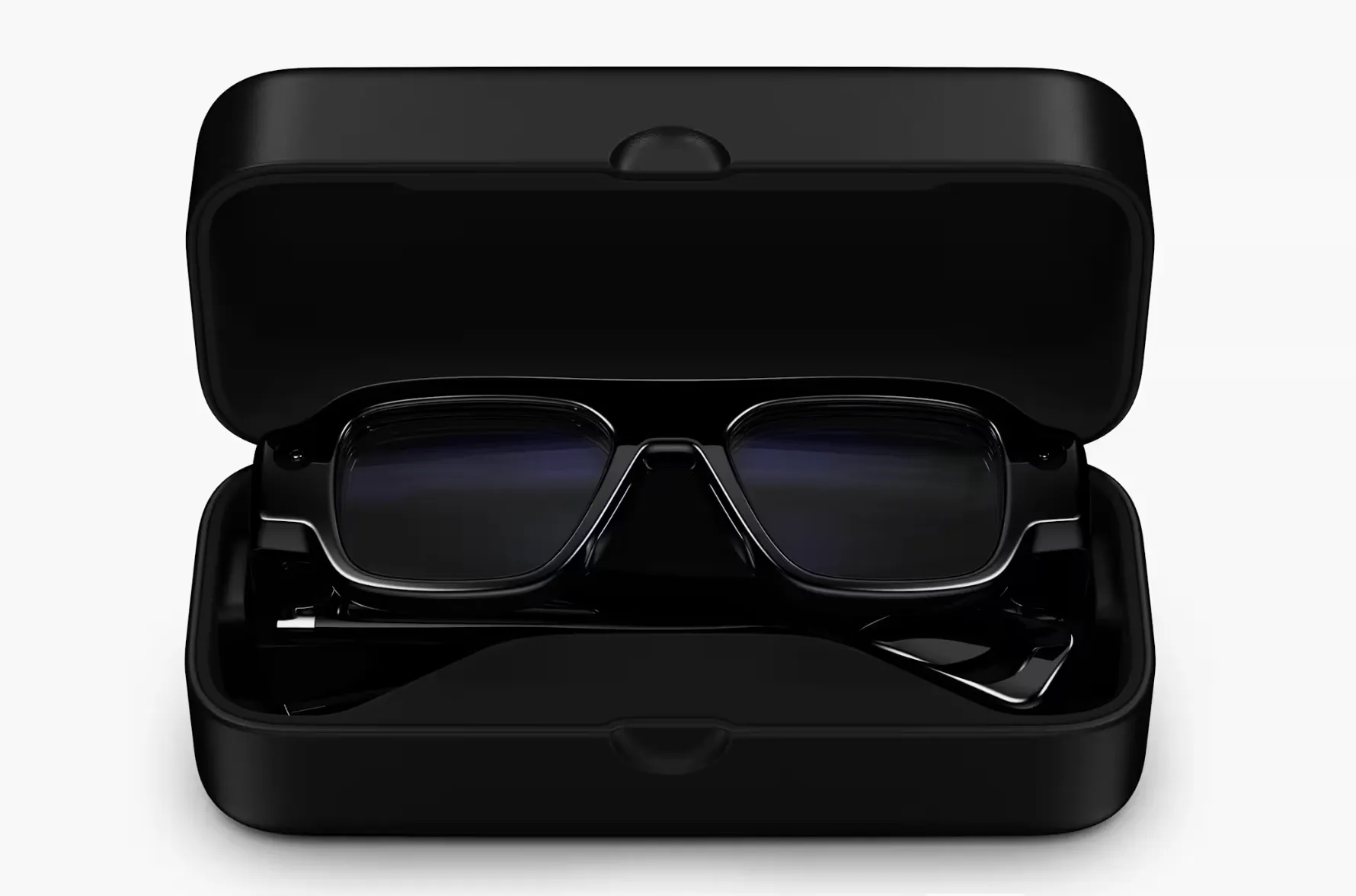
Apple is ramping up work on smart glasses alongside a wearable pendant and camera-equipped AirPods, with all three devices built around Siri using visual context to carry out actions, Bloomberg reported in February, citing people with knowledge of the plans. The glasses reportedly carry a dual-camera system: one for photos and video, a second running continuously to feed Siri environmental information, according to MacRumors citing Bloomberg earlier this year.
Bloomberg's Mark Gurman has also noted that CEO Tim Cook's recent public emphasis on Visual Intelligence follows a pattern similar to how Cook foreshadowed health sensors before Apple Watch and AR before Vision Pro, as MacRumors reported earlier this year. Gurman's read: Cook "wouldn't be putting it at the forefront of his remarks if things weren't going to accelerate in that area soon."
What Apple's glasses are actually designed to do
Visual Intelligence already ships on iPhone 15 Pro and later, where it handles object identification, text summarization, translation, web search, and ChatGPT queries through the camera, per MacRumors. On glasses, that capability would no longer require a phone in hand the camera would simply be part of what the wearer sees.
That reported design places these glasses in a different category than Vision Pro. Vision Pro is immersive and isolating; it demands sustained attention and occupies the wearer's full field of view. Glasses, as described in current reporting, are meant to be ambient present but unobtrusive, activated when needed rather than continuously demanding engagement. That distinction has direct consequences for how controls need to work.
The broader product lineup reflects a deliberate sequencing. Apple paused work on a lighter Vision Pro headset to accelerate smart glasses development, including versions with and without a display, The Verge reported in October 2025, citing Bloomberg. Display-equipped glasses had previously been targeted for 2028 before that reprioritization. The reported shift suggests Apple sees the camera-first, AI-capable form factor as a nearer-term opportunity than full AR, though that interpretation goes beyond what the sources state directly.
Camera-equipped AirPods and the pendant in Apple's reported lineup also run vision-aware Siri, but with lower-resolution sensors suited to AI context rather than photo or video capture, MacRumors reported. The glasses, with their higher-resolution dual-camera system, would give Siri considerably more visual information to work with.
Apple smart glasses hand gesture controls: what reporting confirms and what doesn't
This is where the honest answer matters most, and it's simpler than most coverage suggests: current reporting does not confirm any specific secondary input method.
The February Bloomberg report describes all three AI devices as built around Siri relying on visual context to carry out actions. No touchpad, no gesture recognition, no temple sensor is named. Voice-and-vision is the only confirmed interaction model in the source record so far.
What reporting does support is that the hardware picture is fragmented. Apple is reportedly testing at least four distinct frame styles, according to AppStudio analysis citing Bloomberg this month. That detail matters for controls: different frames could accommodate different input surfaces, and there may not be a single canonical interaction method across the product line. AppStudio's analysis argues developers should stop assuming one unified glasses experience the same logic applies to anyone trying to pin down a definitive control scheme.
The same analysis suggests smart glasses will likely function as part of a distributed interaction system rather than a standalone device. Users may start a task on the glasses, continue on an iPhone, and finish through a cloud-backed environment, AppStudio notes. That points to iPhone as one natural fallback for inputs too complex to handle on the glasses themselves, though this is developer-focused analysis rather than direct hardware reporting.
Beyond that, the realistic input options break down roughly as follows:
- Voice: The lowest-friction option and the most compatible with Siri's current architecture. It fails in loud environments and in social situations where speaking to a wearable still attracts attention.
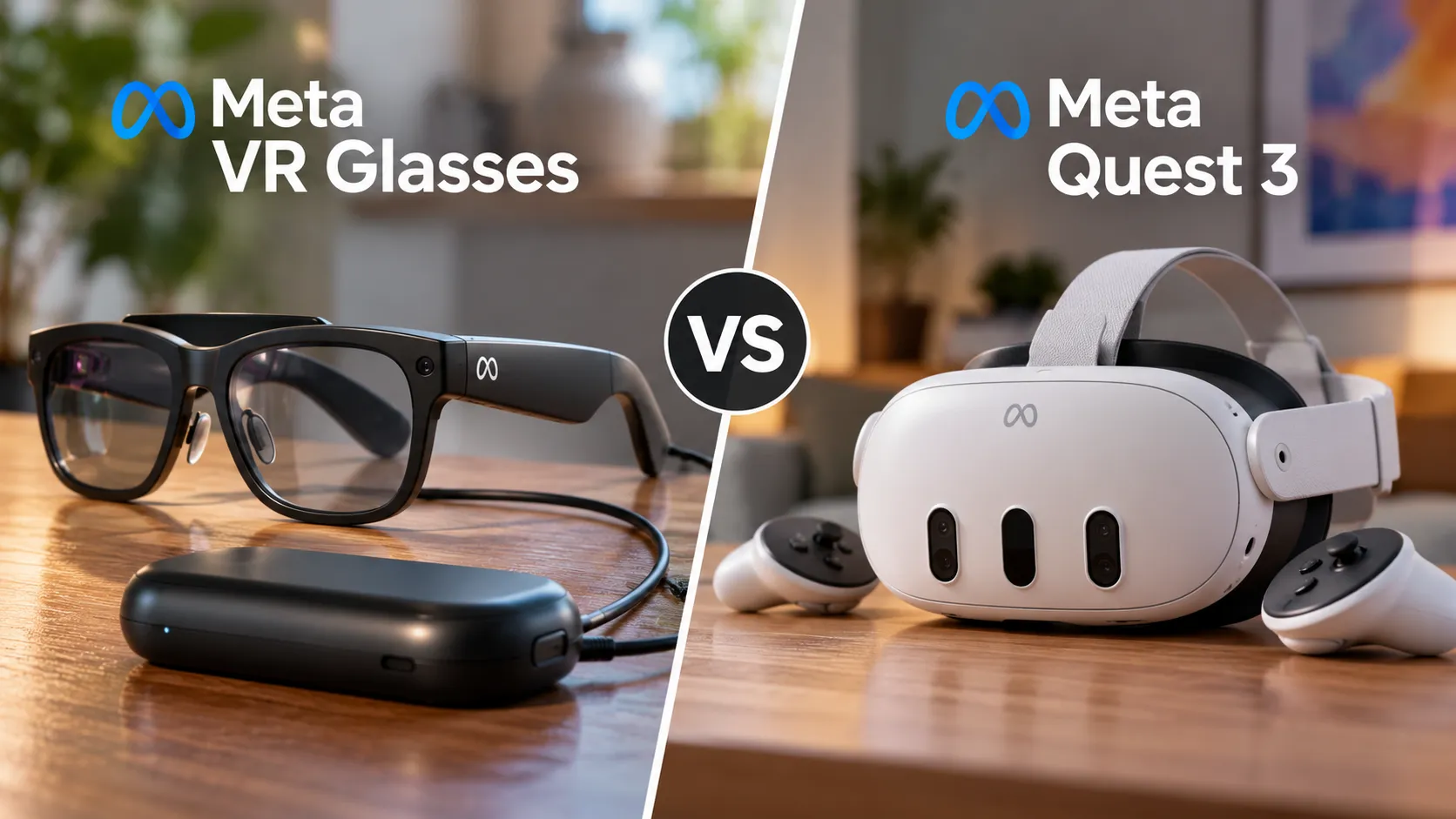
- Frame touch: A capacitive strip on the temple is the simplest possible addition. Meta's Ray-Bans already use one. Nothing in current reporting confirms Apple will include one, but the form factor almost demands some physical fallback.
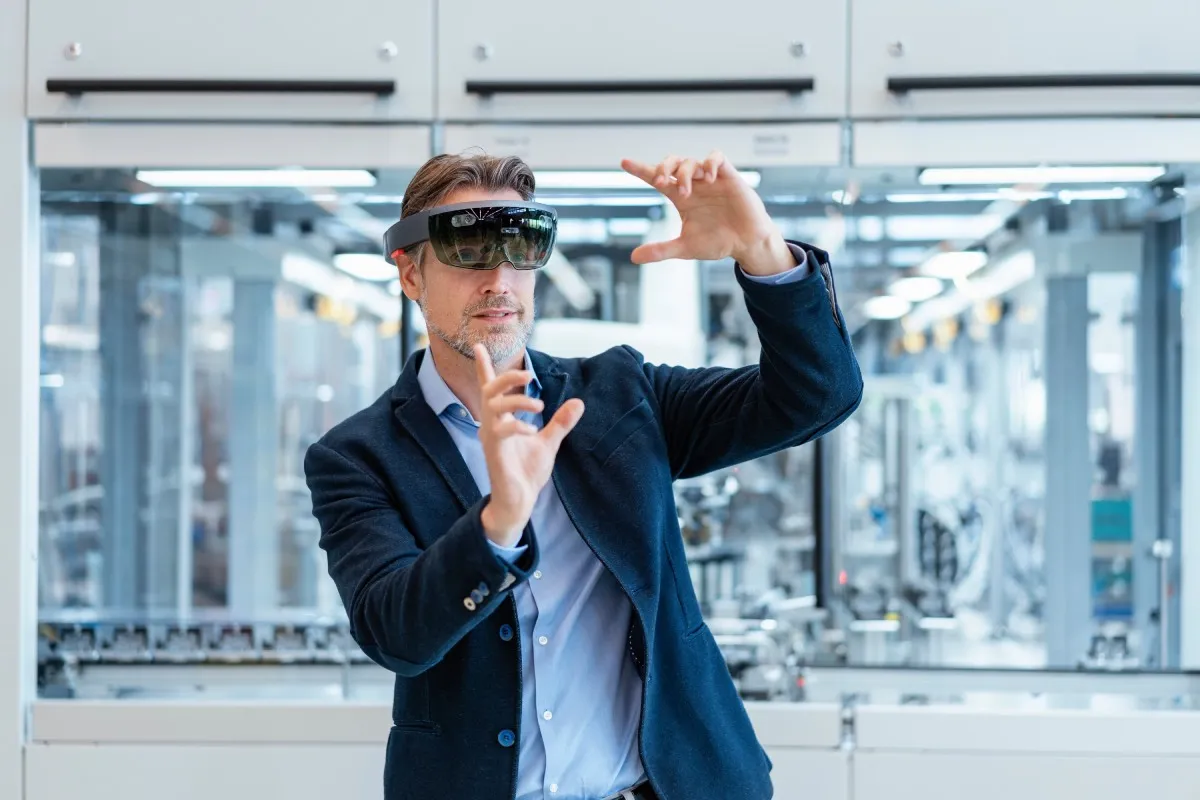
- Hand gestures via optical tracking: Plausible, given Apple's existing gesture work in Vision Pro. But translating gesture recognition to a lightweight frame camera is a materially different problem than a dedicated headset with depth sensors. Possible, not confirmed.
- iPhone as input surface: Implied by the distributed workflow model, but that's an inference from developer analysis, not a hardware leak.
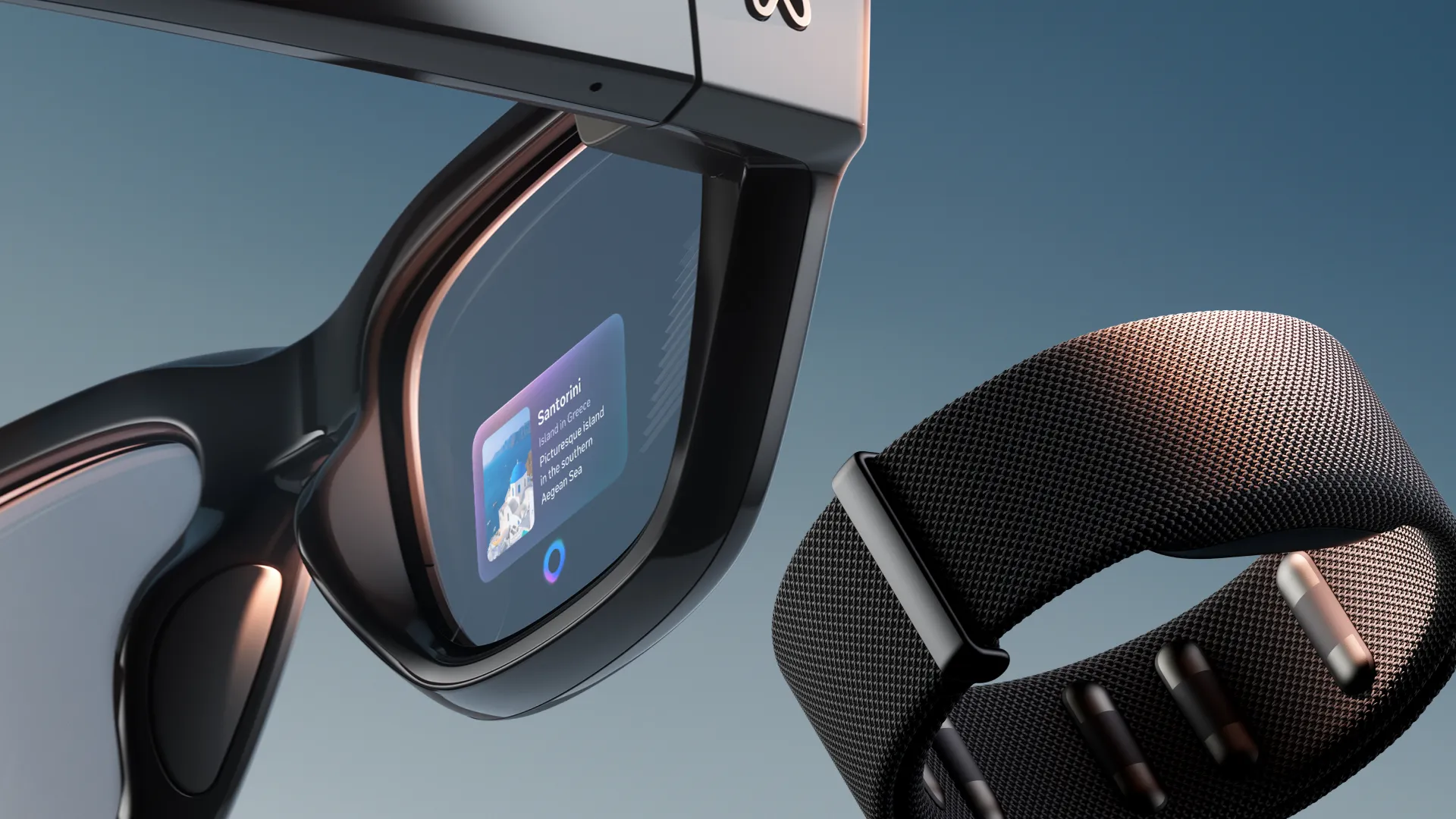
- A paired ring: Speculative. Nothing in current reporting connects a ring accessory to the glasses input stack.
Gesture controls are a reasonable inference, not a reported feature. Apple has precedent in Vision Pro, the screenless form factor pushes toward gesture or voice, and optical hand tracking is plausible. But no supply-chain or engineering source has confirmed it and with multiple frame styles reportedly in testing, there may not be a single answer anyway.
The trust problem that controls can't solve
Any interaction model Apple chooses runs into a harder obstacle: the always-on camera doesn't just affect the wearer.
The second camera, the one continuously feeding Siri environmental data, records what's around the wearer at all times, per MacRumors. That raises immediate questions for anyone nearby: what is being captured, where it goes, how long it persists. Apple has not publicly addressed how this system would handle recording status, on-device versus cloud processing, or data retention after an interaction ends.
Apple's glasses are targeting the same market as Meta Ray-Bans, according to MacRumors. Camera-equipped eyewear has already generated significant public discomfort in shared spaces that's an established pattern in this product category, not a hypothetical. Apple enters that conversation without a clear answer yet.
Production could begin as early as December 2026 ahead of a targeted 2027 launch, MacRumors reported earlier this year. That timeline means the core design decisions including how Apple communicates recording status to bystanders and what the device's privacy architecture actually looks like are being settled now, not after launch.
Input methods can be updated in software or revised in subsequent hardware generations. Trust, once lost at launch, is harder to rebuild. If the always-on camera makes wearers feel exposed, or prompts bystanders to object, the adoption ceiling arrives before the product finds its footing.
What to watch next
The controls question will likely resolve through supply-chain reporting rather than official announcements. Leaks showing temple touch sensors in production, camera placement consistent with hand-tracking angles, or Apple software demos revealing multimodal Siri input would each tell a clearer story than anything available today. Frame style announcements, if Apple narrows from four designs to a launch lineup, would also constrain the input possibilities considerably.
The trust question is harder to track and will probably surface through regulatory attention or public reaction to early hands-on coverage. Apple's answer to how an always-on camera handles bystander privacy is the signal worth watching most closely. So far, that answer hasn't come.



Comments
Be the first, drop a comment!