


Apple's latest visionOS 26.4 beta quietly introduces a capability that could fundamentally shift how developers approach resource-intensive XR applications. The new "foveated streaming" feature represents more than just another optimization technique—it's a strategic evolution of how the Vision Pro handles computational demands in real-time. While traditional foveated rendering has already demonstrated its ability to slash GPU loads by up to 72% without compromising visual quality, according to Living in VR, this streaming-focused implementation opens new possibilities for bandwidth-constrained scenarios and cloud-based XR experiences.
The technology builds on a well-established principle: your eyes naturally create a visual hierarchy, delivering sharp detail only where you focus while peripheral vision trades resolution for motion detection, as Living in VR explains. By extending this concept to streaming architectures, Apple is addressing one of XR's most persistent challenges—delivering high-fidelity experiences without overwhelming network infrastructure or device capabilities.
What makes foveated streaming different from standard rendering?
Here's where things get technically interesting. Traditional foveated rendering concentrates processing power where you're looking by tracking gaze direction in real-time and allocating rendering resources accordingly, Living in VR notes. The system maintains high-quality visuals in your central field while reducing detail in areas you're not actively observing, perfectly matching how your visual system naturally processes information.
Foveated streaming takes this concept further by applying the same principle to data transmission rather than just local rendering. Instead of rendering everything locally and simply varying quality levels, this approach dynamically adjusts what data gets streamed to the device based on your gaze patterns. Think of it as intelligent bandwidth allocation that follows your eyes—where traditional rendering optimizes GPU cycles, streaming optimizes network packets.
The performance implications are substantial. Eye-tracking technology enables systems to identify your gaze direction with low-latency (single-digit millisecond or better) eye-tracking, fundamentally transforming how rendering engines allocate computational resources, according to Living in VR. When applied to streaming, this means bandwidth gets concentrated on transmitting high-resolution data for your focal region while peripheral content receives significantly compressed streams. A practical example: imagine a 4K panoramic environment where the foveal region receives 40Mbps of bandwidth while the surrounding 240-degree peripheral field gets just 8Mbps—a 5:1 ratio that adjusts dynamically as your gaze shifts.
Modern eye-tracking hardware achieves this breakthrough by monitoring your pupil movements and calculating gaze direction in real-time, Living in VR reports. The result? Dramatically lower bandwidth requirements that potentially open doors for cloud-based XR applications previously impractical due to network limitations. For streaming scenarios, this translates from theoretical GPU efficiency gains into tangible reductions in data transmission—turning that proven 72% rendering optimization into proportional bandwidth savings.
How does this impact real-world XR applications?
The practical benefits extend far beyond theoretical performance gains. When you're using VR or AR devices, foveated rendering helps concentrate resources on your focus area while reducing detail in peripheral vision, Living in VR indicates. For streaming implementations, this means applications can maintain visual fidelity even when network conditions fluctuate—the system can gracefully degrade peripheral quality while protecting the high-resolution center that defines your experience.
Battery life becomes another critical advantage. This targeted approach notably lowers power consumption, extending battery life in standalone headsets, according to Living in VR. You'll experience seamless transitions without perceiving quality loss, while freed-up GPU resources enhance complex visual effects exactly where you're looking, delivering superior immersion in gaming and training applications. In streaming scenarios, reduced processing demands mean the Vision Pro can maintain longer sessions without thermal throttling or rapid battery drain—a game changer for extended use cases like virtual collaboration or immersive learning environments for longer sessions (multi-hour), depending on device battery and workload.
Now here's the thing about deployment considerations for streaming. While maintaining low latency between eye movements and rendering updates remains critical—you can't compromise on responsiveness, Living in VR emphasizes—streaming introduces additional complexity around network latency budgets. Developers need to account for motion-to-photon latency that includes round-trip transmission time, requiring predictive algorithms that anticipate gaze direction to mask network delays. The goal remains creating experiences where you never notice the system working behind the scenes, even as it's dramatically reducing bandwidth demands across unreliable connections.
What hardware and platforms support this technology?
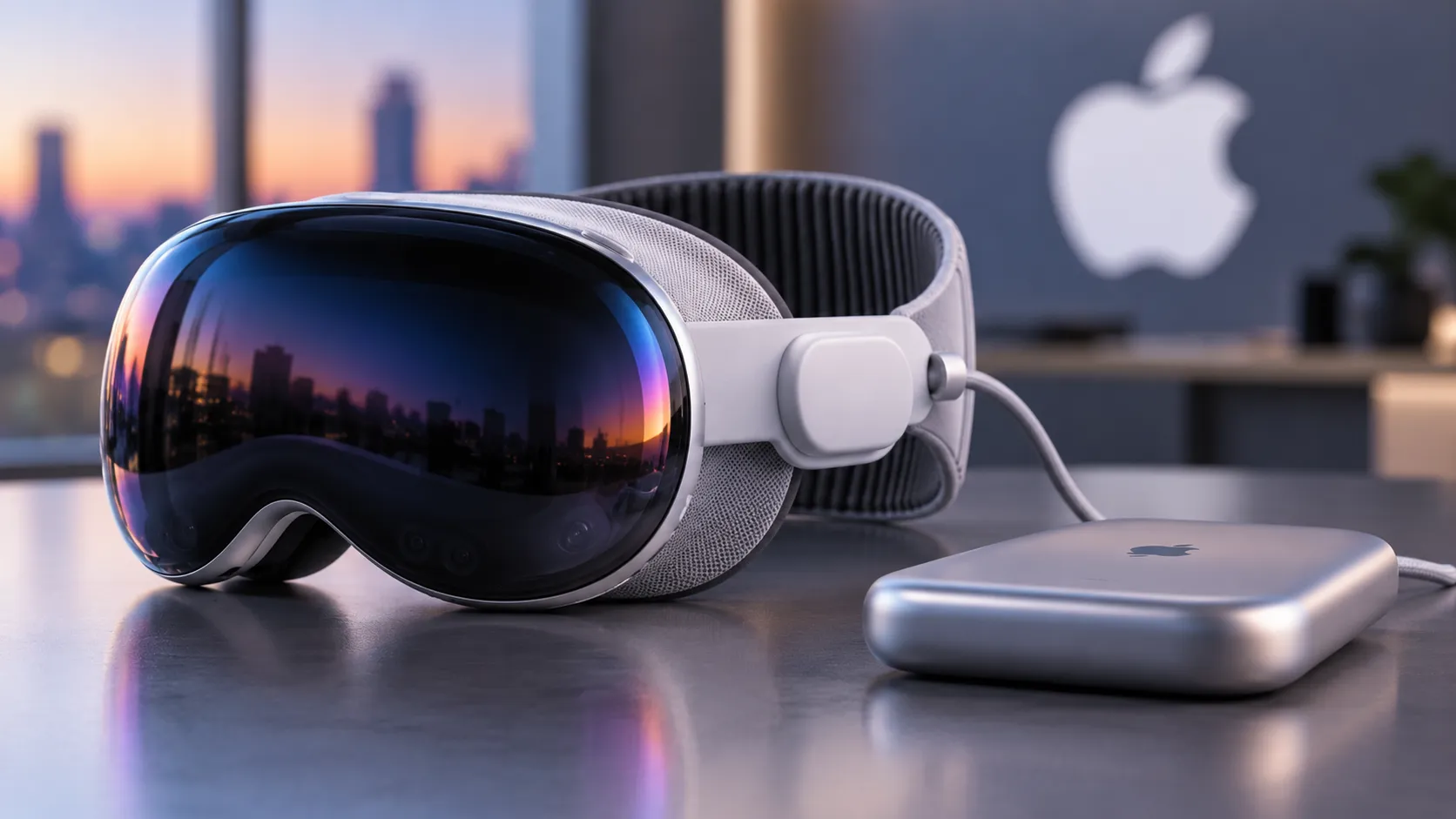
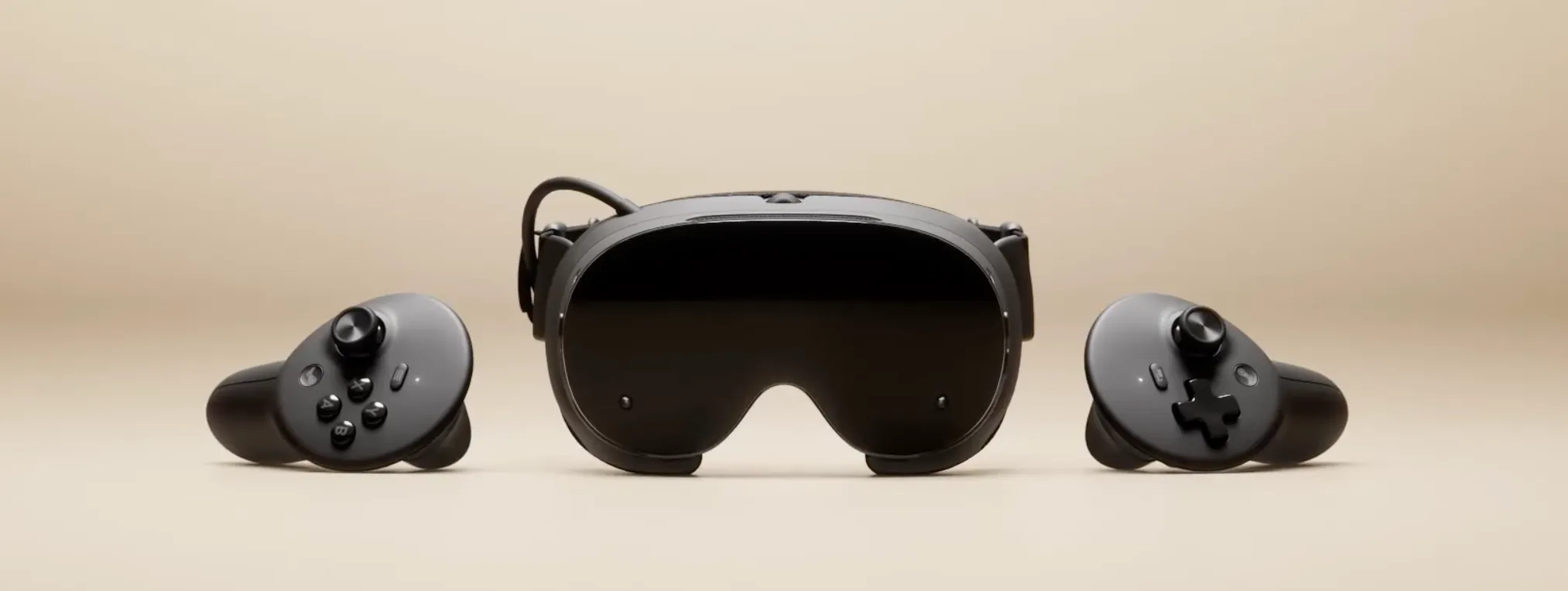
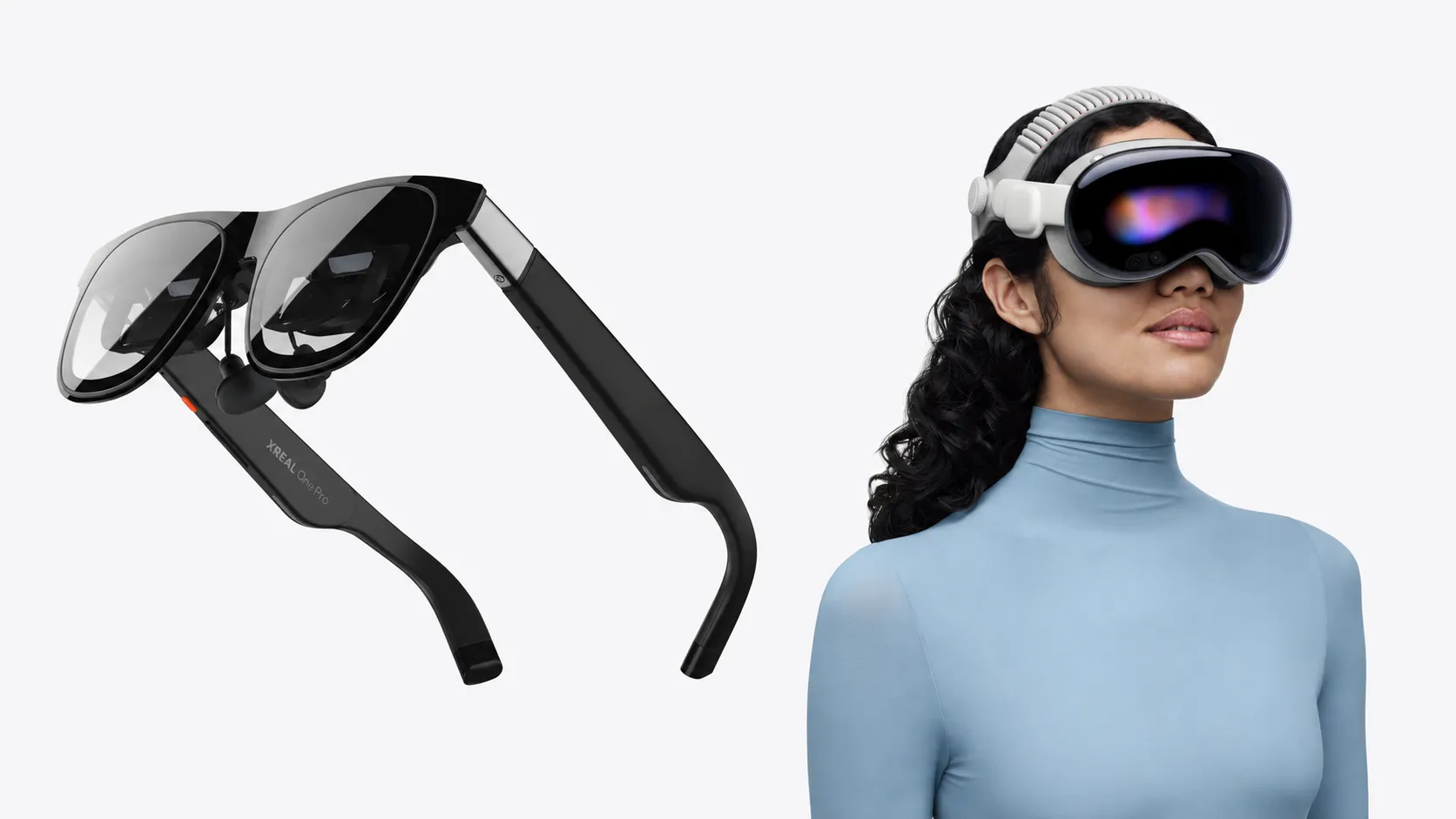
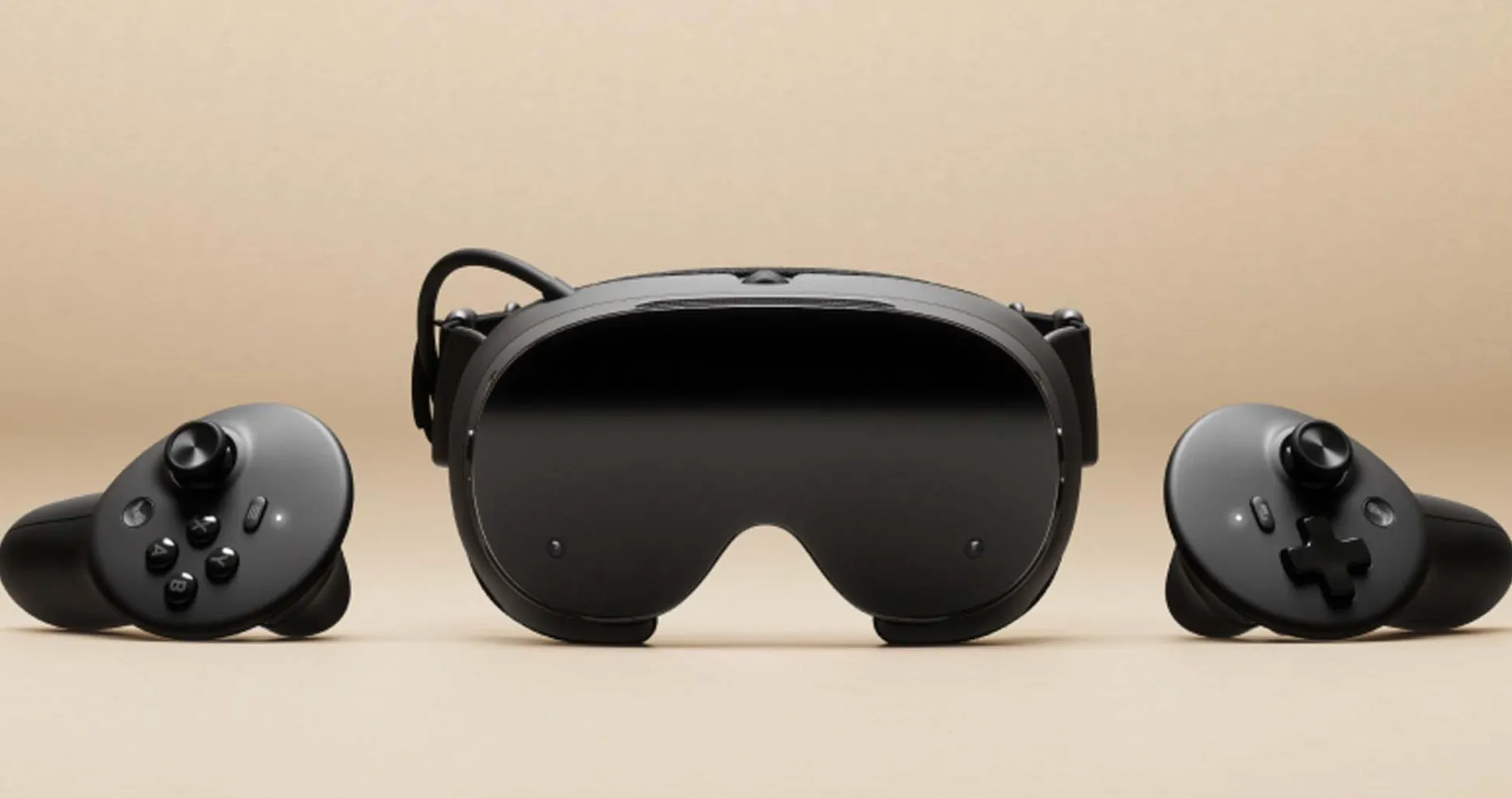
The Vision Pro joins a growing ecosystem of devices leveraging foveated techniques, though distinguishing between local rendering and streaming capabilities matters for developers. Apple's Vision Pro uses integrated eye-tracking to optimize rendering across augmented and virtual environments, Living in VR notes. HTC's Vive Pro Eye delivers high-resolution graphics precisely where you're looking while reducing peripheral detail. Meta Quest Pro supports dynamic foveated rendering with real-time gaze adjustments for maintaining smooth frame rates.
Current devices supporting foveated rendering also include PlayStation VR2, which employs foveated techniques ensuring critical visual elements render sharply, according to Living in VR. Varjo headsets (Aero, XR-3, XR-4) feature sophisticated eye-tracking for dynamic rendering adjustments. These implementations demonstrate foveated rendering's mainstream adoption across consumer and professional platforms—it's no longer experimental technology but a proven approach to solving fundamental performance constraints.
What separates visionOS 26.4's implementation is the streaming focus. While the devices above excel at local rendering optimization, streaming-capable implementations require additional consideration: server-side infrastructure capable of encoding multiple quality tiers simultaneously, edge computing deployment to minimize latency, and adaptive bitrate protocols that respond to both gaze tracking and network conditions. For developers targeting visionOS 26.4, this means access to a mature, proven technology stack with clear implementation pathways—but also new architectural decisions around whether computation happens locally, in the cloud, or through hybrid approaches.
Where does foveated streaming take XR experiences next?
The applications extend far beyond gaming. You'll see this technology revolutionizing medical training by delivering high-resolution surgical simulations while maintaining lower resolution in peripheral areas, reducing processing demands considerably, Living in VR suggests. But streaming takes this further—imagine conducting immersive surgical training without requiring participants to download 50GB anatomy libraries, with cloud-rendered anatomical models streamed at 8K foveal resolution while environmental context arrives at 1080p. In education, you can expect enhanced learning experiences where critical content receives detailed focus while background elements remain simplified.
Architecture and design professionals will benefit from real-time project visualizations with exceptional fidelity in focal areas, improving client presentations dramatically. Remote collaboration tools will transform virtual meetings by rendering faces and key content in sharp detail while simplifying peripheral elements, according to Living in VR. Industrial training simulations will allow operators to focus on detailed machinery controls while maintaining environmental awareness through strategic foveated rendering implementation. The streaming variant makes these scenarios even more accessible by reducing infrastructure requirements for cloud-based deployments—imagine conducting immersive design reviews or collaborative training sessions without requiring participants to have high-end local hardware.
Dynamic foveated rendering establishes new benchmarks for immersive visual quality that fundamentally reshape user expectations across VR, AR, and gaming platforms, Living in VR reports. You'll experience unprecedented realism as this technology maintains crystal-clear detail precisely where your eyes focus while intelligently managing computational resources. The result transforms spatial computing environments into truly believable worlds—and with streaming capabilities, these worlds become accessible anywhere with sufficient network connectivity, democratizing access to experiences previously gated by expensive hardware requirements.
What this means for the XR ecosystem
VisionOS 26.4's foveated streaming capability represents a calculated step toward cloud-native XR experiences. The technology mimics natural vision patterns by concentrating computational power where it's actually needed most, Living in VR explains. You're getting smoother VR sessions, longer battery life, and more realistic graphics as this technology evolves. But more significantly, you're witnessing a fundamental shift in XR's economic model—by enabling cloud-streamed experiences, Apple potentially reduces the barrier to entry from $3,500 hardware purchases to subscription-based access models where rendering happens remotely.
As eye-tracking hardware improves and costs decrease, you'll see foveated rendering become standard in next-generation displays, revolutionizing how you interact with digital content, according to Living in VR. For developers, this beta release offers an early opportunity to experiment with streaming-optimized implementations before the feature reaches general availability. The implications for bandwidth-constrained scenarios—from remote collaboration to cloud gaming—suggest Apple is positioning the Vision Pro for use cases that extend well beyond local processing, potentially competing with NVIDIA CloudXR and Meta's emerging cloud rendering approaches.
The real test will come in how developers leverage this capability. Will we see a new generation of cloud-streamed XR applications that were previously impossible? Can this technology enable persistent, shared virtual environments without requiring users to download massive asset libraries? Will subscription services emerge offering access to premium XR experiences through streaming rather than local installation? These questions will be answered as developers gain access to visionOS 26.4 and begin pushing the boundaries of what foveated streaming makes possible. What's clear is that Apple isn't just optimizing existing workflows—they're laying groundwork for fundamentally different approaches to delivering immersive experiences, where the distinction between local and cloud-rendered content becomes invisible to users but transformative for the ecosystem's economics.



Comments
Be the first, drop a comment!