


AWE 2026 Smart Glasses Split Into Three Tiers as Privacy Concerns Grow
AWE 2026 smart glasses are no longer a single product category. As Snap CEO Evan Spiegel takes the stage in Long Beach tomorrow morning, the hardware on display at this year's Augmented World Expo splits cleanly into three tiers AI camera eyewear, tethered AR glasses, and fully standalone AR computers each with a different capability ceiling and a different set of risks for the people around them. The industry is moving fast on the hardware. It is not moving nearly as fast on the consent problem.
The market context makes that gap harder to ignore. More than 7 million pairs of Meta's smart glasses sold worldwide in 2025, and EssilorLuxottica, Ray-Ban's parent company, reported U.S. sales ramping up "exponentially," according to POLITICO last week. That growth is what brought regulators into the room: the European Data Protection Board has commissioned a formal report on whether smart glasses are socially acceptable at all, due this summer, and WIRED reported earlier this month that Meta quietly embedded facial recognition code into an app already installed on millions of phones.
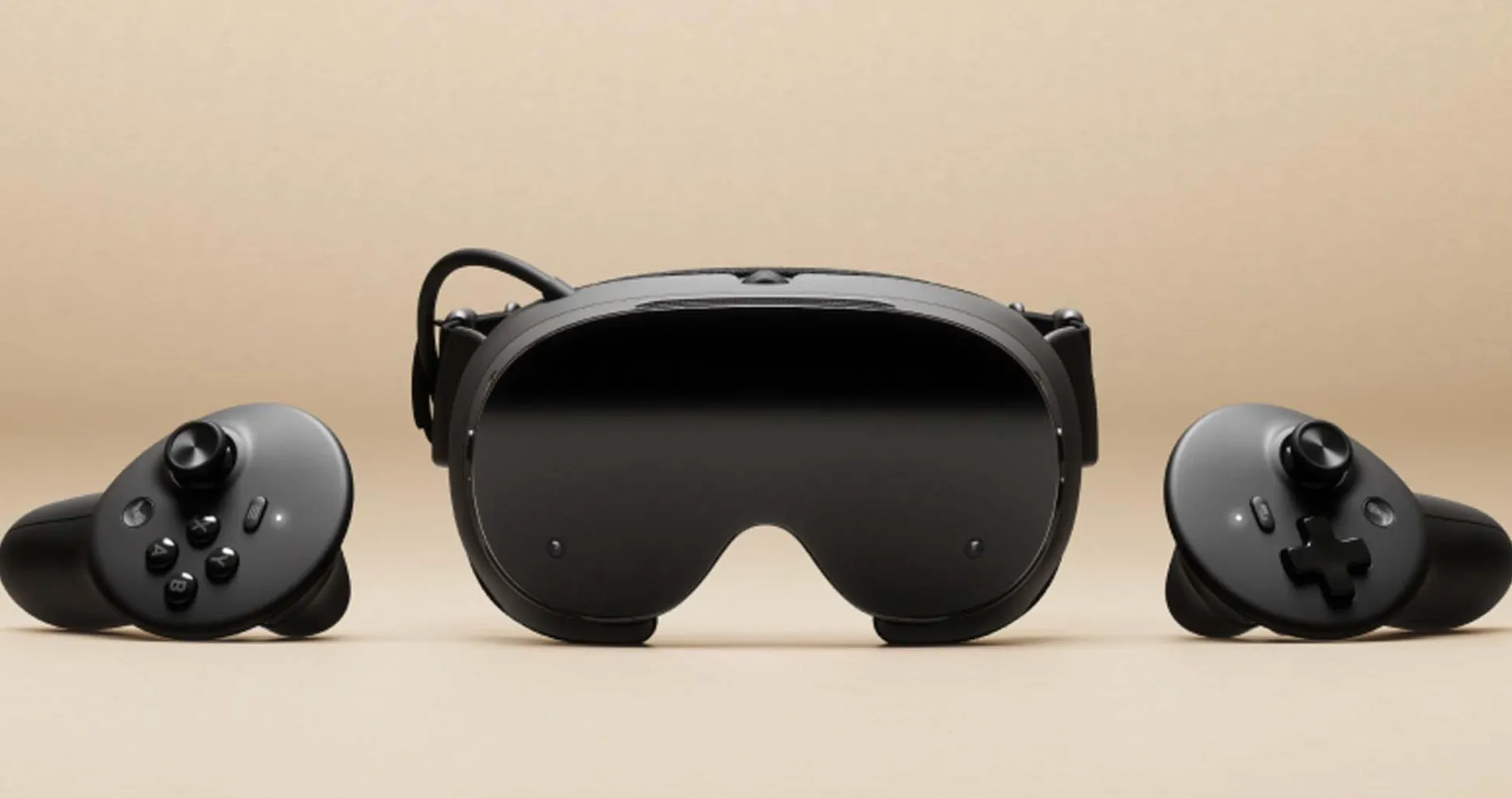
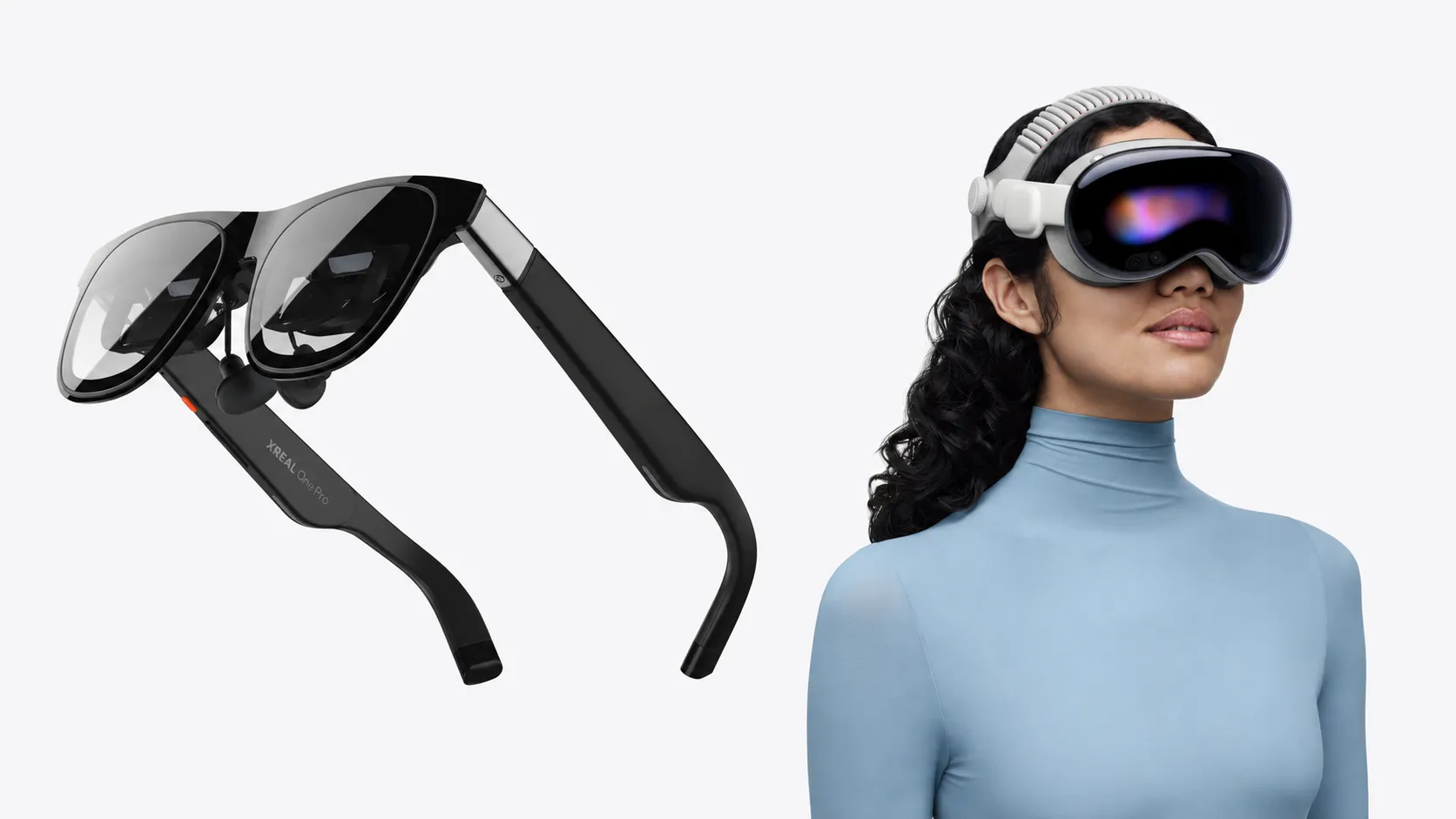
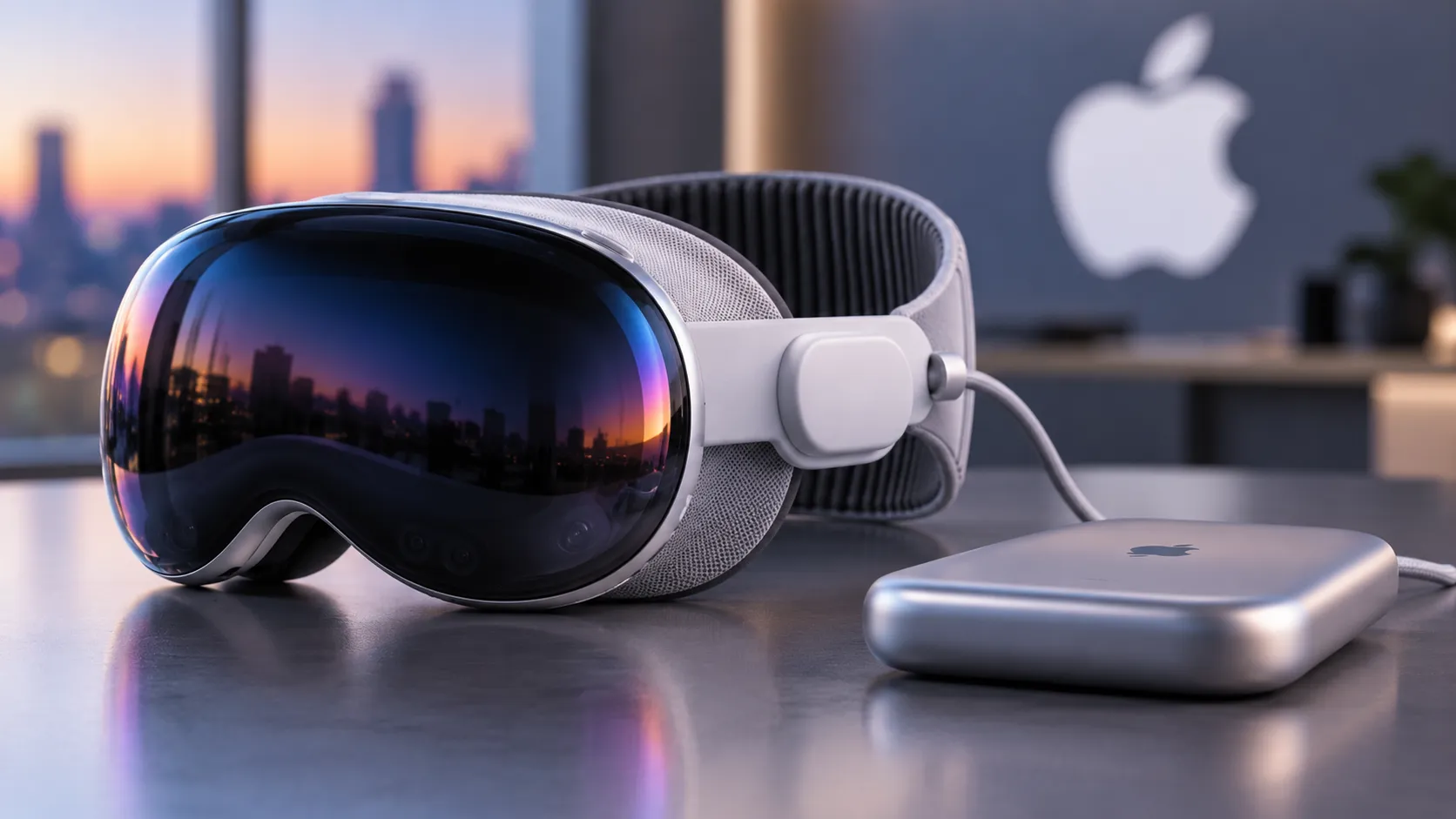
How AWE 2026 smart glasses split into AI eyewear, tethered AR, and standalone AR
The label "smart glasses" has been doing too much work for too long. At AWE 2026, the products on display make the internal divisions impossible to ignore.
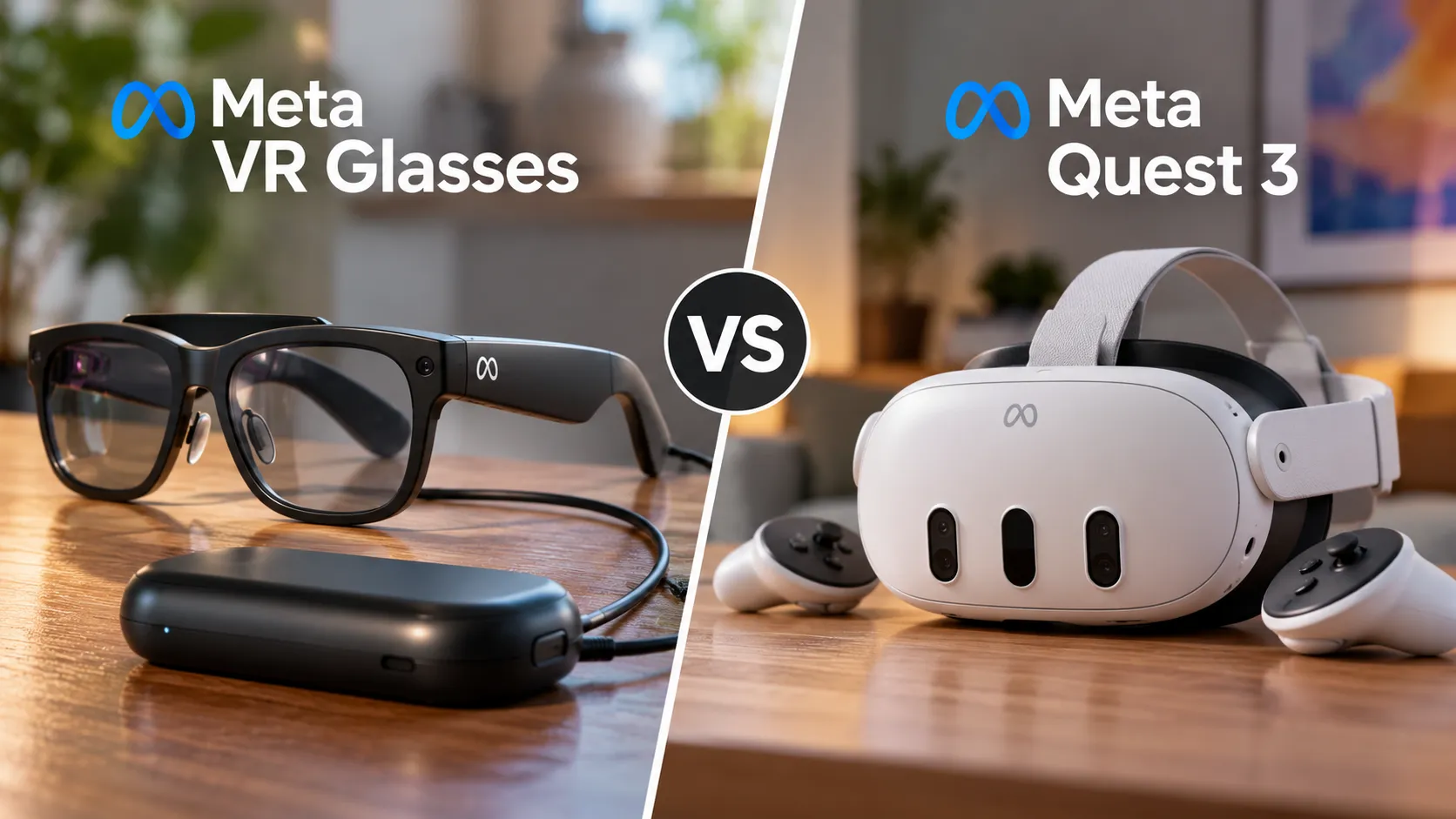
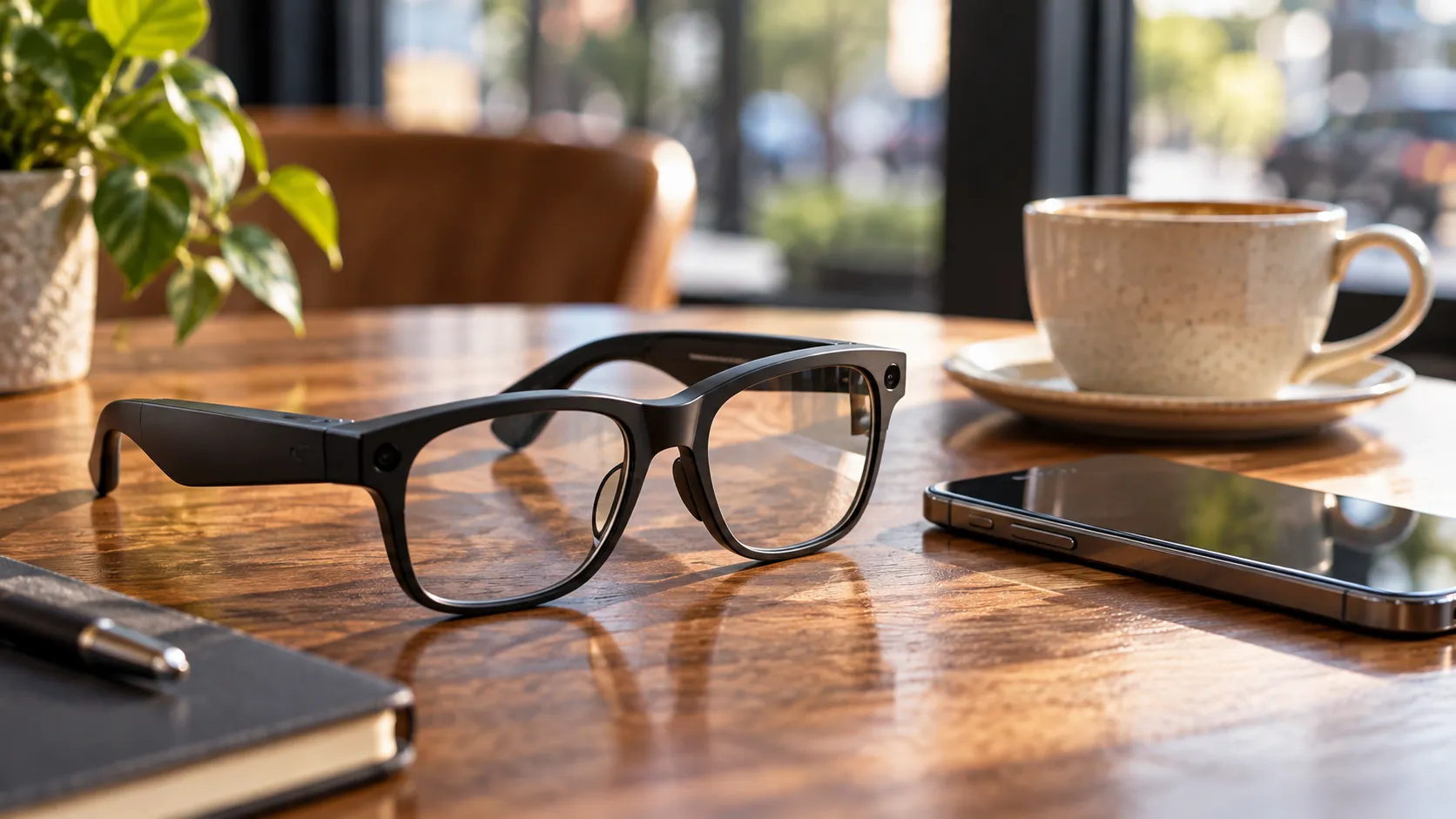
At the accessible end of the market, Acer's two new products spell out the split better than any diagram. Its GI0 AI Glasses, built around Google Gemini for voice assistance, translation, and image analysis, start at $299.99. The display-centric AR Vision GR0, designed for private wearable screens, starts at $499.99, per The XR Beat two weeks ago. Same product category on the label. Different devices entirely, with different risk profiles for the people nearby.
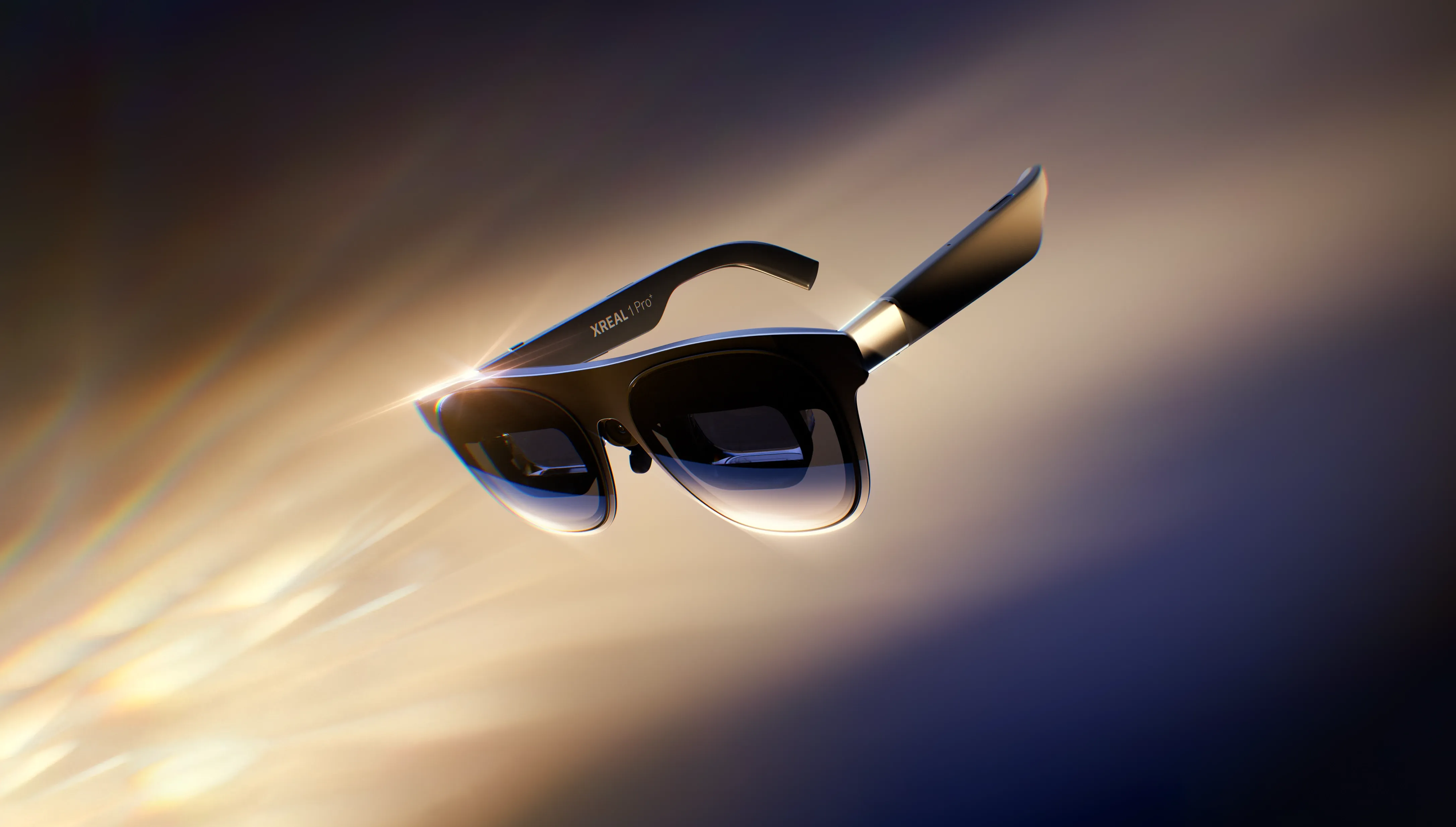
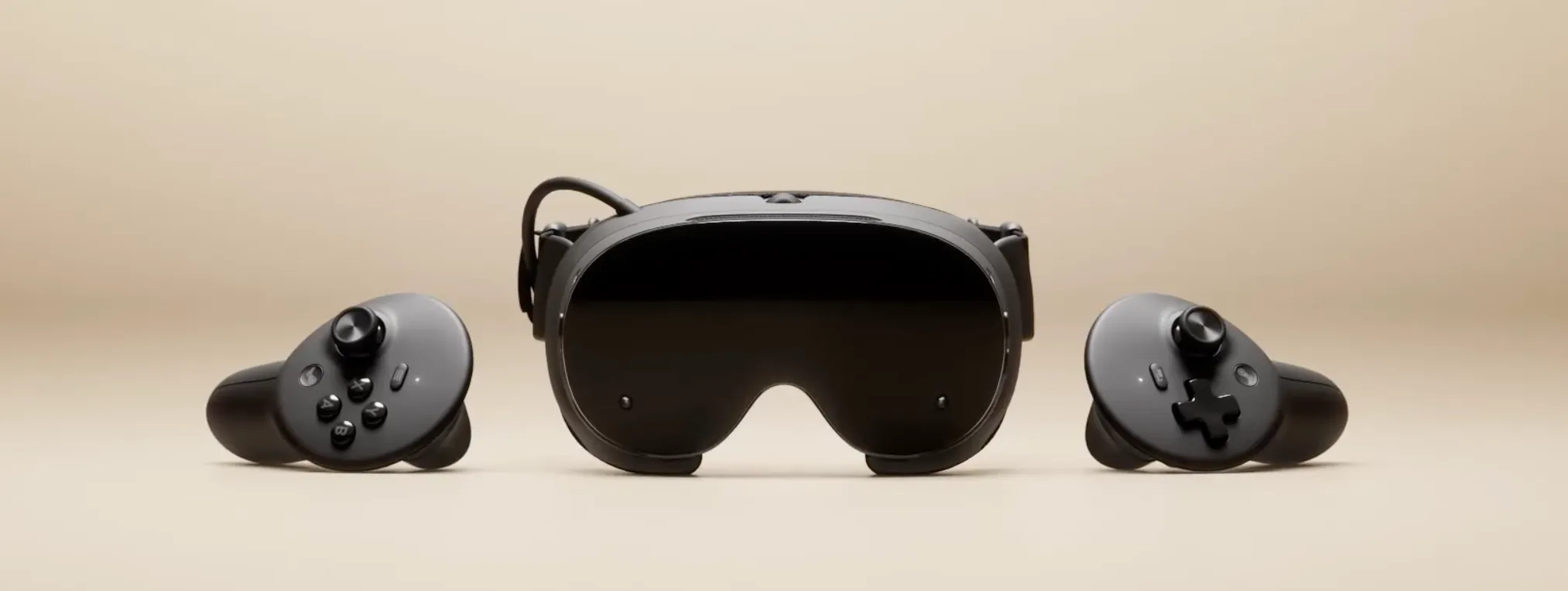
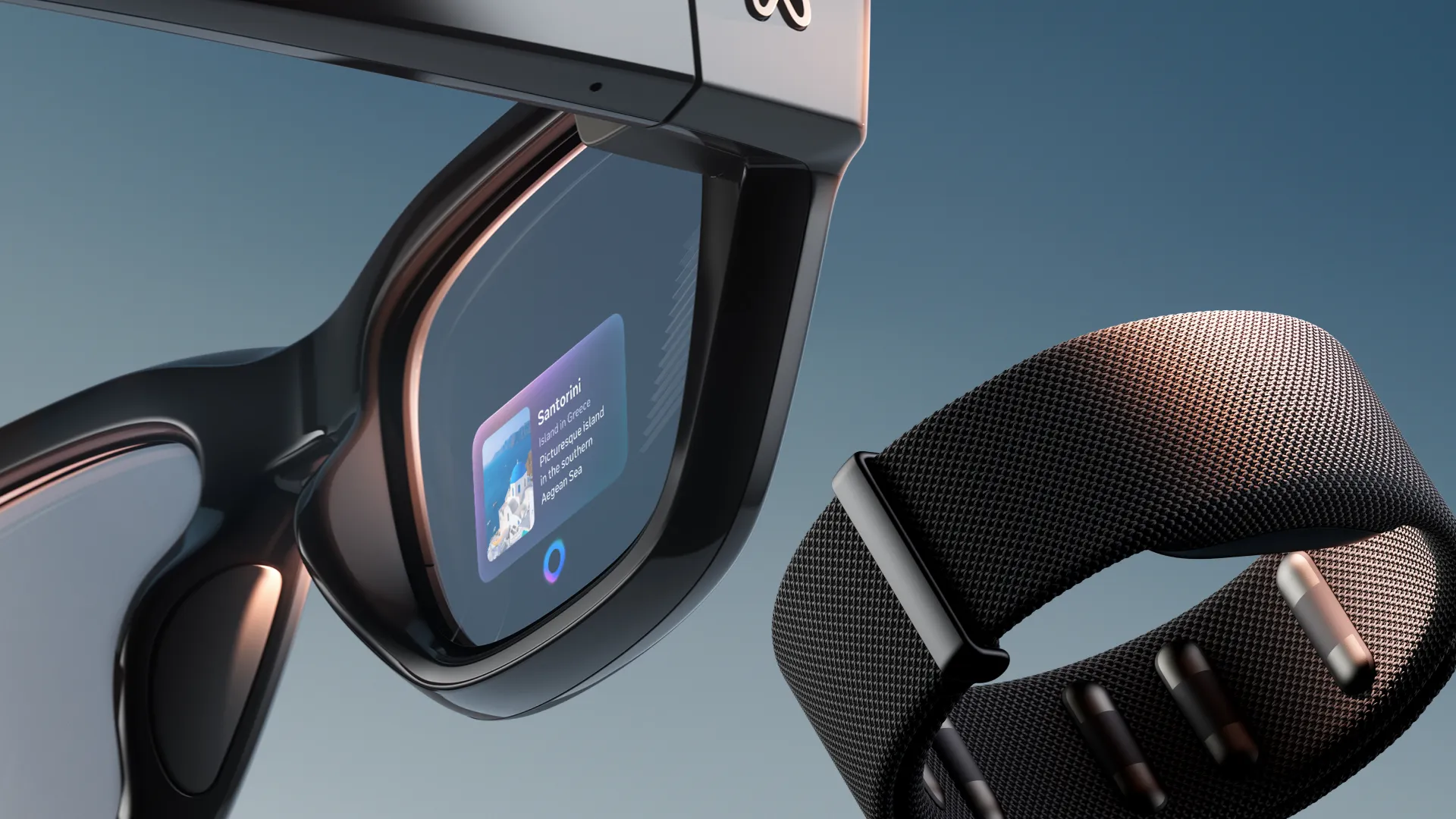
In the middle tier sit tethered AWE 2026 AR glasses like Google and XREAL's Project Aura more capable than AI eyewear, but still dependent on a separate compute puck running Android XR smart glasses software. Google and XREAL distributed 1,000 developer kits and ran a hackathon in the days before AWE to seed the ecosystem ahead of a commercial launch still expected this year, Moor Insights noted this week.
At the top sits Snap's Specs. A self-contained computer built into a frame, with see-through lenses, its own operating system called Snap OS, and all processing handled on the device itself no phone, no puck, no cable. Spiegel pitched the concept at last year's expo in a single line: "no bulky headset, no puck, no tether, no phone required," iDevice reported last week. If Snap ships this fall as expected, it would be the first major tech company to bring true standalone AR glasses to consumers; Meta's real AR glasses aren't expected until 2027, and Apple's not until 2028 at the earliest, iDevice reported.
The risk profile follows the capability ladder. AI camera glasses present the most immediate bystander concern: they record and potentially analyze the people around the wearer, who may have no idea. Display glasses are largely self-contained the screen faces inward. Standalone AR computers like Snap Specs combine both: a display for the wearer and outward-facing cameras for the world. Higher capability means higher stakes, in both directions.
The consent problem indicator lights won't solve
The same features that make advanced smart glasses useful persistent cameras, real-time AI context, potential identification are what make them legally and socially explosive. The industry's primary response so far has been a better indicator light. That answer is being tested in court.
The clearest example of what's at stake came from a journalism investigation, not a regulatory filing. Swedish media reported earlier this year that Meta subcontractors in Kenya were reviewing footage captured by the company's smart glasses to help train AI models. That footage reportedly included bathroom visits, banking details, and intimate moments, POLITICO reported last week. The people recorded had no knowledge their footage was under review.
That's the recording problem. There's also an identification problem. WIRED's analysis published earlier this month found facial recognition code embedded in a Meta app on millions of phones, tied to its smart glasses infrastructure, WIRED reported eleven days ago. Legal analysis from the Journal of High Technology Law, published in May, warned that facial recognition operating continuously in public spaces could generate biometric identifiers without bystanders' knowledge, and that this kind of passive identification could enable stalking, doxing, and abuse at scale, per the Journal of High Technology Law. The research note characterized these as proposed or anticipated capabilities, not yet deployed features but the code found by WIRED suggests the infrastructure is already in place.
France's data protection authority CNIL warned in May that smart glasses risk normalizing surveillance described as "almost invisible and omnipresent," with the potential to "profoundly transform our societies," according to POLITICO last week. Public response isn't waiting on regulators. A developer's app built to alert people when smart glasses are nearby has been downloaded more than 120,000 times since launching in February, POLITICO reported.
Meta points to concrete safeguards: an LED indicator that activates when capturing media, tamper detection to prevent covering the light, and on-device storage unless the user chooses to share. It updated to a larger, blinking indicator after the Irish data protection authority recommended it, the company told POLITICO last week. The Norwegian Consumer Council's director of digital policy, Finn Lützow-Holm Myrstad, put the fundamental problem plainly: "In principle, the law is clear. There's no way that people can, in a meaningful way, consent and understand what they consent to if they're being filmed." An LED tells a bystander that recording is happening. It gives them no mechanism to refuse.
The legal machinery is already running. A U.S. class action against Meta, filed by Clarkson Law, alleges the company made false privacy promises to sell its smart glasses. The firm is actively recruiting European users and working with EU-based lawyers on a parallel action, POLITICO reported last week. Illinois's Biometric Information Privacy Act requires written consent before collecting biometric data, and facial recognition running passively in public spaces is difficult to square with that standard, per the Journal of High Technology Law.
The privacy problem is not hypothetical. It is already in litigation, already in regulatory pipelines, and already prompting public countermeasures. Devices that could identify, not just record, will make the consent gap harder to argue around.
What the price ladder reveals about the market ahead
A clear affordability structure is taking shape, and it tracks the capability-to-risk spectrum fairly closely. The accessible tier can scale now. The premium tier is still early-adopter territory.
The price range runs from $299.99 for Acer's AI glasses up to a reported but unconfirmed roughly $2,500 for Snap Specs, with iDevice noting that journalist Alex Heath's reporting puts Specs at around $2,500 compared to the $799 Meta charges for its Ray-Ban Display glasses. Moor Insights estimated Google Project Aura smart glasses could retail around $1,500 when it launches, per iDevice and The XR Beat this month. The Snap and Aura figures are analyst estimates and unconfirmed pre-launch reporting neither company has announced official pricing.
Europe is adding structural friction the U.S. market doesn't face. The EU's Batteries Regulation requires mobile devices to have removable batteries by 2027, a standard Meta's display glasses don't currently meet. EssilorLuxottica's first-quarter results also noted that the EMEA distribution rollout still leaves more than half of sales points unserved, POLITICO reported last week. For manufacturers planning global launches, that regulatory friction is a product design constraint, not just a compliance checkbox.
Google Project Aura smart glasses offer a small but telling design signal. The glasses use face recognition to automatically clear their electrochromic lens tint when the wearer is in conversation, Moor Insights noted this week. It's a minor feature, but it reflects a question beginning to appear at the product design level: how do these devices behave in the presence of other people?
The two-track market forming here is not only a pricing story. The devices priced to reach millions of people are precisely the ones that have already generated the most documented privacy concerns. The premium devices with the highest capability remain out of reach for now. The regulatory question is what frameworks look like by the time that changes.
Three milestones worth watching
AWE 2026 draws a sharper line than any previous show between what smart glasses are today and what they're becoming. AI camera eyewear, private display wearables, and standalone AR computers are genuinely different products with different risk profiles. Treating them as variations on the same thing, which marketing often does, will increasingly mislead both buyers and regulators trying to write rules that fit.
Three developments in the next 90 days should provide clearer signals on where this goes. Spiegel's keynote tomorrow morning Snap's AWE 2026 appearance, delivered after $3 billion in development will show whether the company has a real consumer product or another compelling proof of concept, per iDevice. Google Project Aura's commercial launch, still promised for this year, will test whether Google's developer-first strategy for Android XR smart glasses translates into actual market presence, per Moor Insights. And the EDPB's report on the social acceptability of smart glasses, due this summer, will signal whether European regulators are moving toward enforcement or toward further deliberation, per POLITICO.
The hardware has a timeline. The consent question does not and that asymmetry is the real story coming out of AWE 2026.



Comments
Be the first, drop a comment!